
Capturing Málaga's Towering Cathedral
In the heart of Málaga's historic center stands Santa Iglesia Catedral Basílica de la Encarnación, a structure that seems to reach upward with the same quiet determination as the city itself. Locals often call it La Manquita, or "The One-Armed Lady," for its famously unfinished second tower. But what it lacks in symmetry, it makes up for in sheer photographic richness. Renaissance and Baroque architectural elements overlap and climb skyward, framed by the Mediterranean light that changes character from hour to hour. For photographers, this is not just a church. It's a living composition of textures, light, and geometry. Whether you're capturing bold wide shots of the cathedral from a nearby plaza or getting lost in the stonework details through a telephoto lens, this site invites a full day of creative exploration.
Best Photography Opportunities
• Plaza del Obispo and the Main Entrance
Starting from Plaza del Obispo gives you the cleanest and most structured angle of the cathedral. Here, the central tower rises cleanly from behind the entrance, allowing you to frame your shot with vertical lines and geometric balance. The early morning light enters the plaza at a sharp angle, giving definition to the carvings and casting long shadows across the stone surface. Try using a 24–70mm lens to control distortion while still capturing the building's full height. Including people in your composition adds scale without distracting from the subject.
• South Elevation from Calle Císter
The side street running along the cathedral's southern wall creates a natural corridor for tighter compositions and shadow work. Late afternoon light bounces between the warm limestone and the whitewashed buildings nearby, adding a golden tint to the frame. Palms along this route create vertical layers that work well with both standard and telephoto lenses. Look for reflective surfaces or puddles to experiment with symmetry after a rain. This angle also offers excellent chances to isolate architectural details without wide-angle distortion.
• Interior Vaults and Choir Details
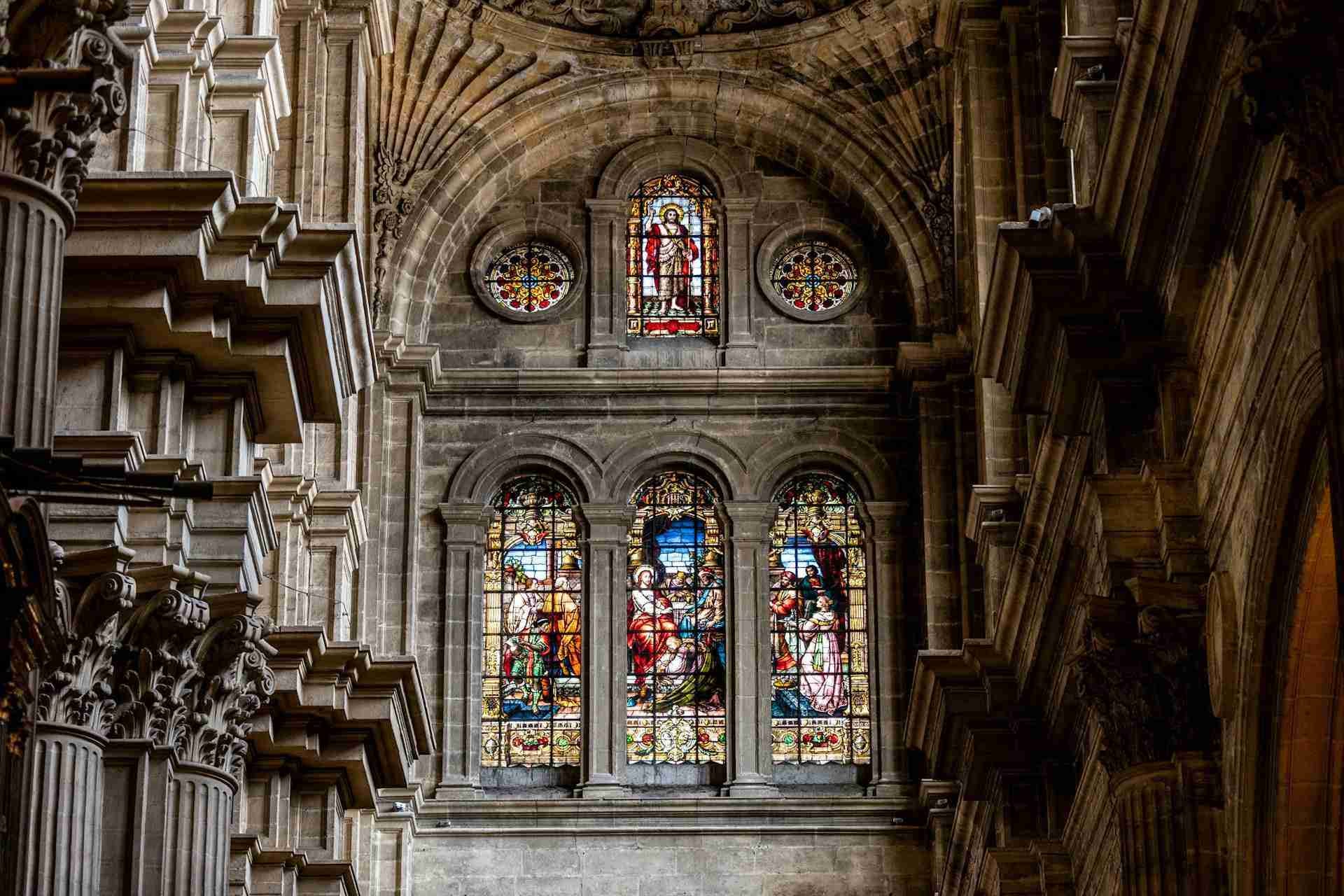
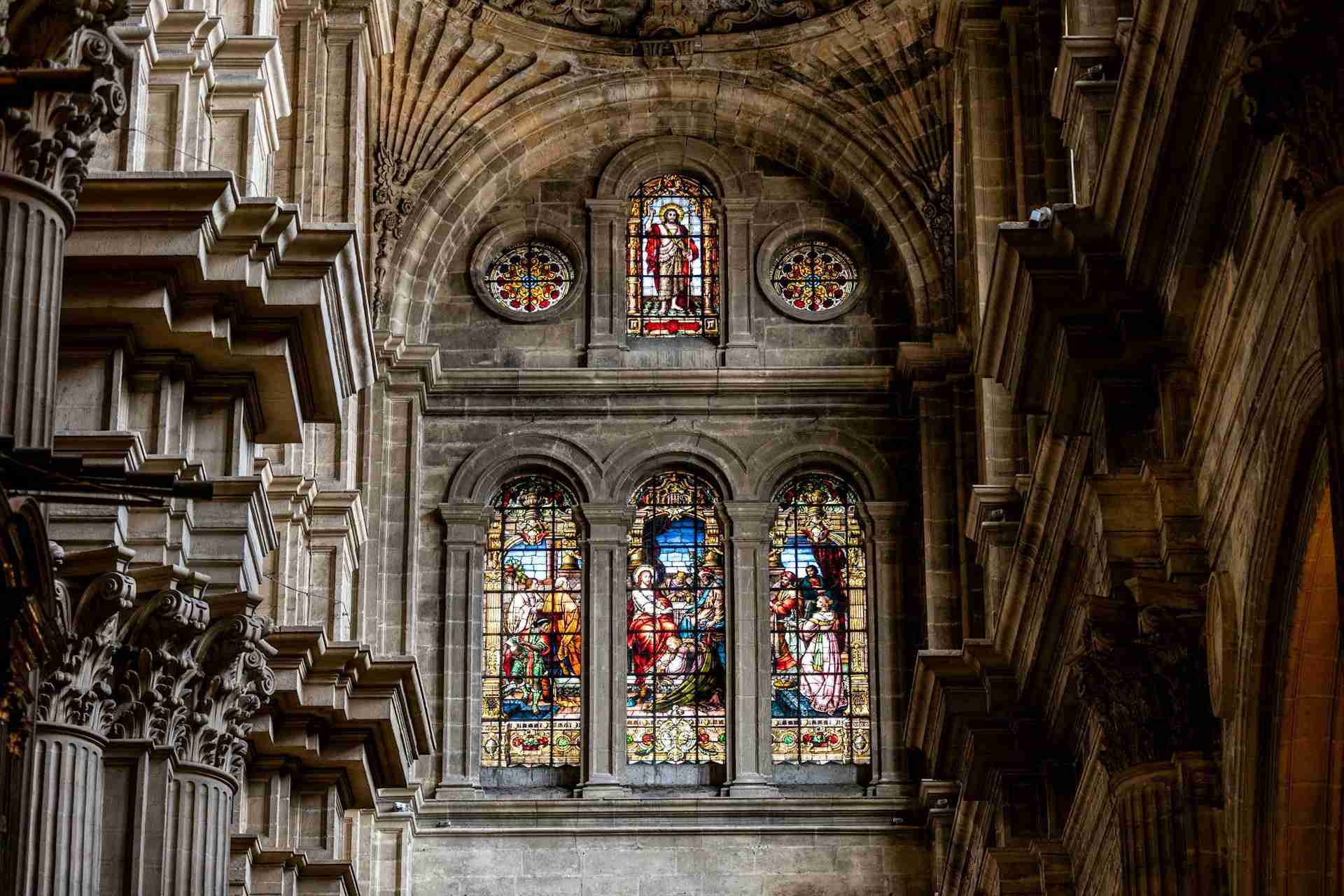
Inside the cathedral, the atmosphere shifts completely. Dimmer light creates more complex shooting conditions but also adds a sense of depth and quiet. The wooden choir stalls in the center are intricately carved and best approached with a lens around 50mm to avoid exaggeration. Aim for symmetrical compositions when capturing the ceiling vaults, but be prepared for uneven lighting. High ISO performance becomes essential here, since tripods are not allowed. Interior shooting works best around midday when natural light from upper windows is strongest.
• Rooftop Access and Elevated Perspectives
Booking a rooftop tour gives you access to some of the most striking views in Málaga. From this elevation, you can photograph the cathedral's details from a rare angle while also framing shots of the city's red rooftops, port, and coastline. The light near sunset is especially rewarding here, washing everything in soft orange tones that contrast beautifully with the cool shadows forming in the narrow streets below. Because the tour follows a timed route, plan your shots in advance and move quickly when the opportunity arises. A wide-to-standard zoom lens will give you the flexibility needed in tight spaces.
• Close-Up Stonework and Textures
The cathedral's exterior offers an endless array of small scenes worth isolating. From Latin inscriptions carved along the walls to weathered stone statues and decorative columns, these textures tell the story of centuries. A fast prime lens around 85mm allows you to get sharp details while separating your subject from background clutter. Pay attention to how light changes the appearance of the stone during the day. Some of the most rewarding shots come from compositions that appear minimal but reveal more the longer you look.
Best Time to Visit
The most favorable seasons for photography are spring and fall when Málaga experiences mild temperatures and reliable daylight. From March through May, the early light is especially gentle, making it ideal for capturing fine surface details. Fall offers warmer tones and a lower sun angle that improves texture and depth throughout the day. During summer, harsh midday sun can flatten your images and increase glare, though early morning and twilight remain viable. Winter brings quieter streets and more diffused lighting conditions, which may suit photographers looking to work with muted color palettes and minimal contrast. The rooftop is best visited in the late afternoon for soft sidelight and a warm glow that lasts through sunset. Always check ahead for events, as interior access may be restricted during services or holidays.
How to Get There
The cathedral is centrally located and easy to access by foot from any part of Málaga's historic core. From Málaga María Zambrano train station, it takes about 20 minutes on foot or less than 10 minutes by taxi. If you are driving, the closest parking is in the underground garage at Plaza de la Marina, which is just a short walk from the cathedral's entrance on Calle Molina Lario. Entry to the cathedral interior and rooftop requires a ticket, which can be purchased online or at the ticket counter. Exterior photography is free and accessible at all times. The area around the cathedral is pedestrian only, so bring comfortable shoes and be ready to move frequently between shooting locations.
Recommended Photography Gear
A wide-angle zoom such as a 16–35mm is useful for capturing the interior spaces and tight alleys surrounding the cathedral. Pair it with a 24–70mm lens for versatile coverage of both exterior framing and street scenes. A fast prime in the 50mm to 85mm range is helpful for isolating architectural details or shooting in lower light without a tripod. Since tripods are not allowed indoors, consider using a camera with strong image stabilization or bring a monopod if permitted. A circular polarizer helps manage glare from polished surfaces and adds depth to blue skies during the day. Dust from the stone can build up on your gear, so pack a blower or cloth for lens maintenance. A neutral density filter may also be useful if you want to smooth out crowds or experiment with longer exposures during brighter conditions.
Nearby Photography Locations
This hilltop fortress, just a short walk away, offers narrow archways, patterned stone paths, and layered views of the city below. The structure combines Islamic design with Mediterranean light, creating dynamic interplay between geometry and color. Early morning is ideal for soft shadows and uninterrupted shooting.
Located above the Alcazaba, this castle offers expansive views over the port and coastline. From the ramparts, you can frame wide shots of the cityscape, especially during the golden hour when the light drapes the rooftops in amber. The climb up the hill also offers opportunities for capturing changing elevation and textures.
Positioned just below the Alcazaba, the Roman Theatre provides clean, circular lines that contrast well with the more vertical compositions from the cathedral. Photograph from the surrounding paths to get elevated views or shoot from ground level to emphasize the stone curvature. Late afternoon light grazes across the seating, adding dimensionality.
This modern promenade offers a sleek counterpoint to the old city. Use reflective surfaces and repeating architectural lines to compose abstract or minimalist images. At night, the area becomes ideal for long exposures as city lights shimmer across the water.
A quick walk from the historic district, this beach provides open horizons and colorful sunrises. Arrive early to photograph the transition from night to day with minimal foot traffic. Smooth sand and gentle surf work well for balanced seascapes or wide compositions that contrast with the denser city scenes.
Santa Iglesia Catedral Basílica de la Encarnación offers a rich and varied experience for photographers who appreciate both structure and spontaneity. Its shifting light, historical complexity, and surrounding urban textures create an ideal environment for thoughtful shooting. Whether you are capturing formal compositions or wandering with a handheld camera, this cathedral rewards time spent observing the small changes that happen from one hour to the next.
Comments
Loading comments…