
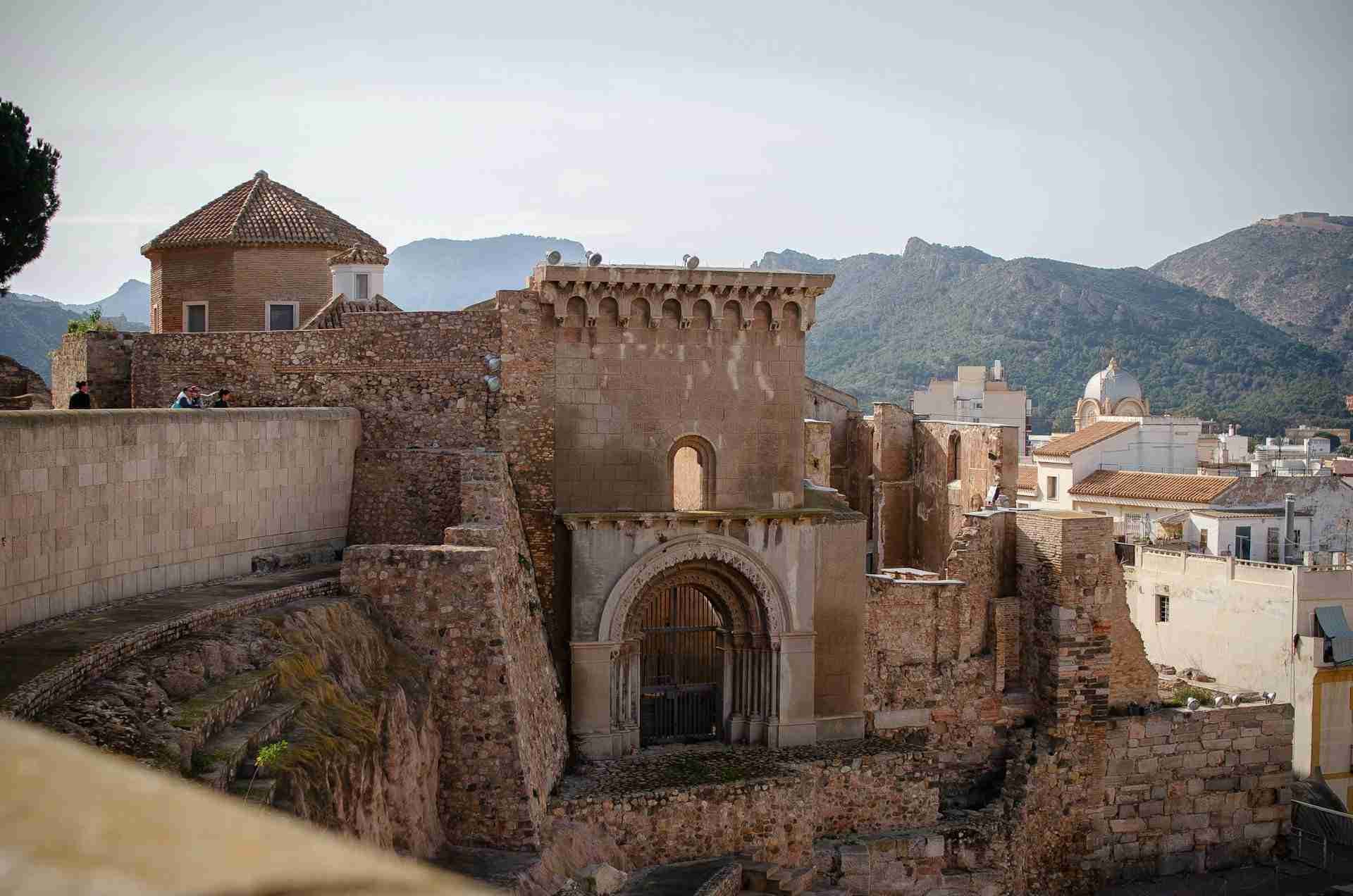
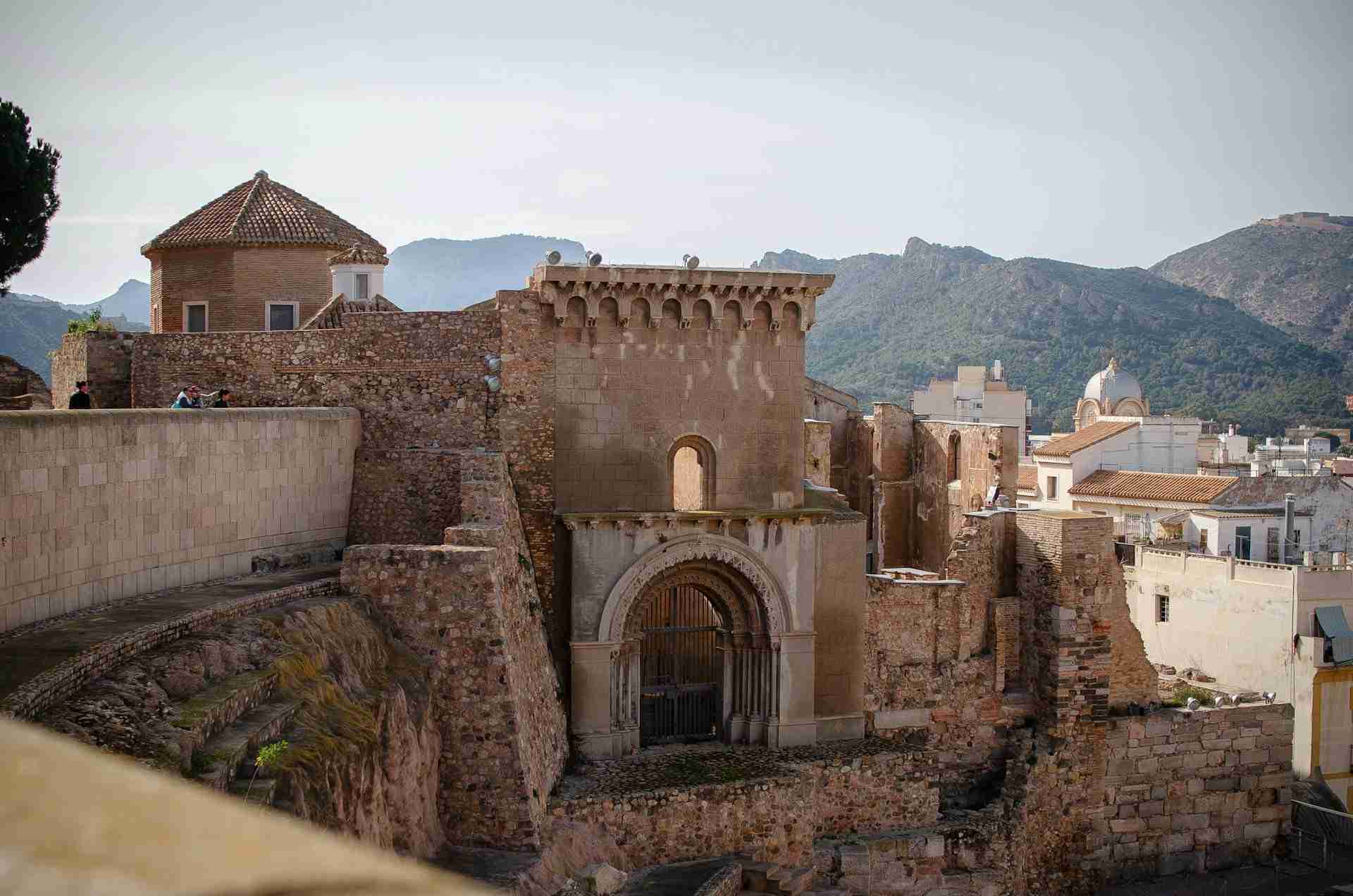
Carved into the hillside of Cartagena's old town, the Teatro Romano is a striking collision of ancient architecture and modern urban life. Rediscovered in the late 20th century and beautifully restored, this Roman theatre—originally built between 5 and 1 BCE—now serves as both an archaeological marvel and a dramatic photographic subject. The interplay of curved marble seating, restored columns, and the surrounding cityscape gives photographers a rare chance to frame antiquity within a living, breathing Spanish port town. Whether you're working in wide-angle for symmetry and scale or isolating textures in stone and shadow, the Teatro Romano delivers both historical depth and visual drama.
Best Photography Opportunities
• Elevated Symmetry from the Upper Tiers
: Climbing to the top rows of the cavea (seating area) provides a near-perfect view of the semicircular design. The rhythmic repetition of stone seats, contrasted by the vertical rise of reconstructed columns, offers a clean and balanced composition. Use a wide-angle lens to take in the full geometry, particularly in early morning when side light sculpts the forms and reduces harsh shadow.
• Golden Light on the Scaenae Frons
: The backdrop of the stage, known as the scaenae frons, features restored columns and archways that glow warmly during golden hour. Framing the architecture against the blue sky or the domes and rooftops of modern Cartagena beyond creates a layered image that blends old and new. This is also an excellent moment for tight compositions that emphasize texture, relief carvings, and architectural detail.
• Contextual Wide Shots from the Castle Hill Above
: For a grander view, climb toward the Castillo de la Concepción. From here, the theatre unfolds below with the city stretching behind it and the port glinting in the distance. This elevated vantage point is ideal at sunset, when the rooftops and stone structures begin to catch horizontal light. A longer lens can compress the scene into layers of amphitheatre, cathedral domes, and coastal skyline.
• Shadow Play in the Passageways
: Beneath the seating areas, vaulted corridors lead through the structure like veins of ancient stone. These passageways are moody and atmospheric—ideal for black-and-white studies, slow shutter experiments, or portraits in natural light. Use the arches as natural frames or capture the contrast between illuminated ends and dark interiors for visual tension.
• Framing Through the Museum Complex
: To enter the site, you pass through the Museo del Teatro Romano—a modern architectural intervention by Rafael Moneo. Its glass walls, stone corridors, and strategic sightlines offer abstract compositions and unexpected glimpses of the ruins beyond. These transitional spaces are a strong counterpoint to the antiquity of the theatre itself and allow you to create a visual narrative between past and present.
Best Time to Visit
Light plays a major role in how the Teatro Romano photographs, particularly given its orientation and surrounding buildings. Early morning provides the softest light on the seating and stage structures, illuminating them from the east while casting clean, minimal shadows across the central orchestra area. It's also the best time to visit for avoiding crowds and having unobstructed compositions.
Late afternoon and golden hour bring warmth and contrast to the stone, especially on the upper rows and stage area. This time is excellent for highlighting texture and form, especially when shooting tighter frames of columns or seating geometry. Sunset from above, particularly near the castle or outer walkways, allows you to place the theatre in the broader context of the city, creating a sense of time layered through architecture.
Winter skies can bring dynamic clouds and softer, more diffuse light throughout the day—ideal for balanced exposures and moody edits. Spring and autumn are the most reliable seasons for temperate weather and optimal sun angles without the harsh midday glare typical of Spanish summers.
How to Get There
The Teatro Romano is located in the heart of Cartagena, easily accessed from anywhere within the city on foot. The entrance is on Calle Mayor via the Museo del Teatro Romano, which guides visitors through a chronological and architectural journey before emerging directly into the theatre itself. Entry requires a ticket, as the site is part of a professionally maintained heritage complex. Admission includes both the museum and the theatre, and combination tickets are available if you plan to visit other archaeological sites around the city.
For those arriving by car, several public parking garages are located within walking distance, including Parking Calle Real and Parking Plaza San Francisco. If you're coming by train or bus from Murcia or other nearby cities, the central station is about a 15-minute walk from the site.
The walk up to the upper terraces and Castillo de la Concepción involves moderate incline and stairs, so photographers with gear should plan accordingly. There are also elevators and accessible pathways integrated into the museum for those needing them. Tripods are generally permitted but may be restricted during peak hours or guided tours, so early entry is recommended for maximum flexibility.
Exploring the Site and Its Surroundings
The theatre is surrounded by layers of history and dense urban texture, making it an ideal base for extended photographic exploration. Immediately behind the seating area are the remains of Byzantine walls and medieval structures, creating a mosaic of time periods within a few meters of each other. Look for angles that include rooftops and bell towers of the Catedral de Santa María la Vieja, which borders the stage and adds vertical contrast to wide compositions.
As you ascend toward the Castillo de la Concepción, various terraces and lookouts allow for shots across the theatre and into the heart of the city. The changes in elevation provide shifting perspectives that are ideal for series work or stitching panoramas. Along the walk, ruined foundations, iron gates, and wild vegetation provide additional opportunities for textural close-ups and visual storytelling that ties the city's ancient legacy to its modern life.
Nearby Photography Locations
: This medieval fortress perched above the theatre offers commanding views of Cartagena in all directions. The winding path up to the castle is dotted with Roman ruins, pine trees, and city overlook points—ideal for both landscape and documentary-style shots. Golden hour is especially compelling here.
• Roman Forum District
: Just a few blocks away, this complex of excavated Roman baths, courtyards, and ancient roads offers a quieter but equally rich opportunity for archaeological photography. The structures here are more fragmented, lending themselves well to detail work and moody edits.
: One of the few remnants of the original Carthaginian city, this wall is a powerful subject for black-and-white or high-contrast images, especially at sunrise or under stormy skies. The accompanying museum adds historical context and clean modern lines for juxtaposition shots.
• Port of Cartagena
: A short walk downhill takes you to the waterfront, where naval ships, cruise liners, and fishing boats coexist. Early morning mist or blue hour can lend this area a cinematic atmosphere, particularly when capturing the reflections of industrial structures in the calm harbor waters.
• Calle Mayor and the Palacio Consistorial
: Cartagena's elegant pedestrian avenue features art nouveau architecture, marble pavements, and ornate facades. The Ayuntamiento (Town Hall) is especially photogenic, with its domed tower and ornate details catching the light beautifully in the late afternoon.
The Teatro Romano de Cartagena is more than an ancient amphitheatre—it's a living testament to how cities evolve while carrying their past forward. Its curved stone seats, rebuilt stage, and vantage over the city offer a unique visual narrative where empire, architecture, and daily life intersect. For photographers, it's a site that rewards both the grand gesture and the quiet detail, delivering layers of time and texture in every frame.
Comments
Loading comments…