
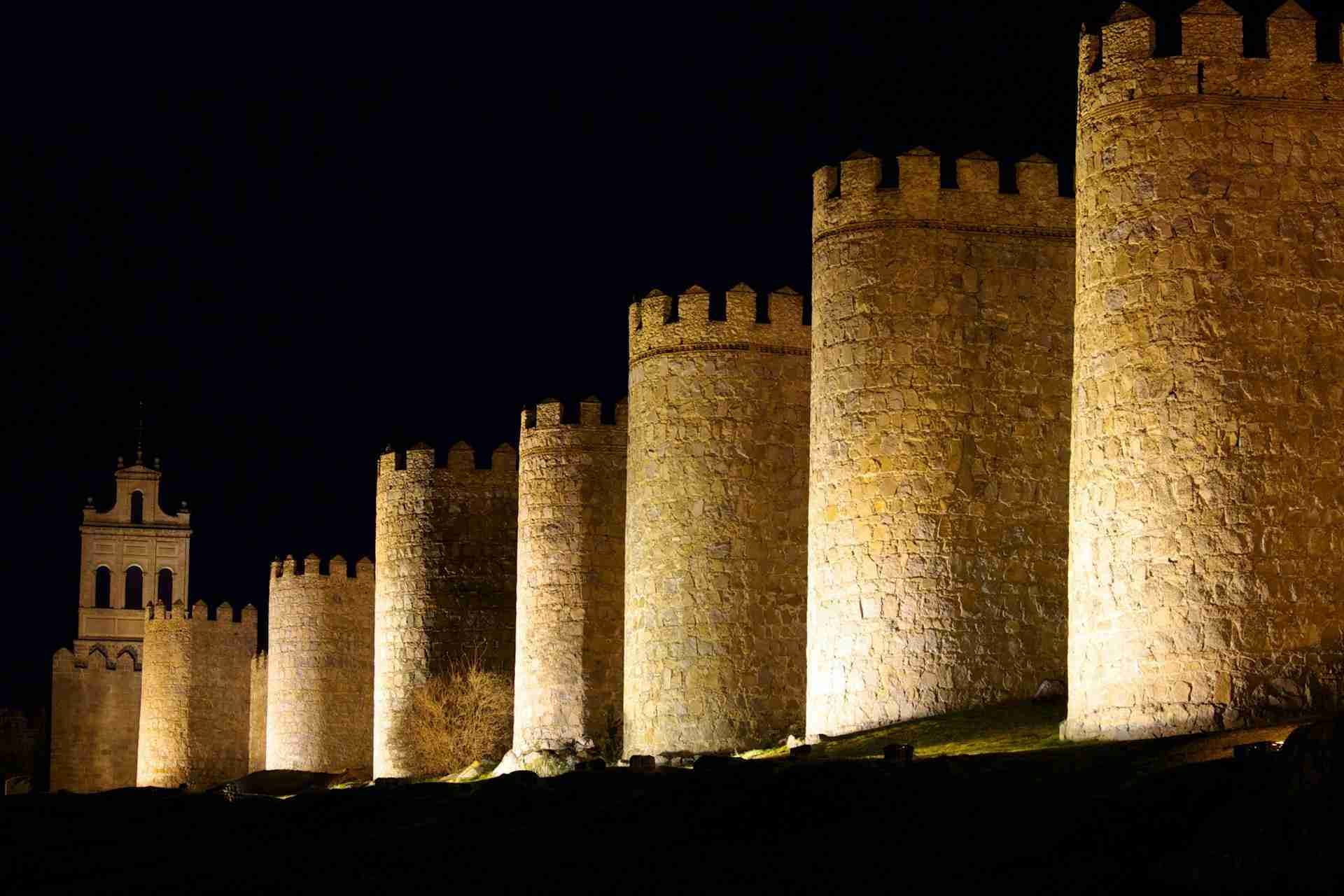
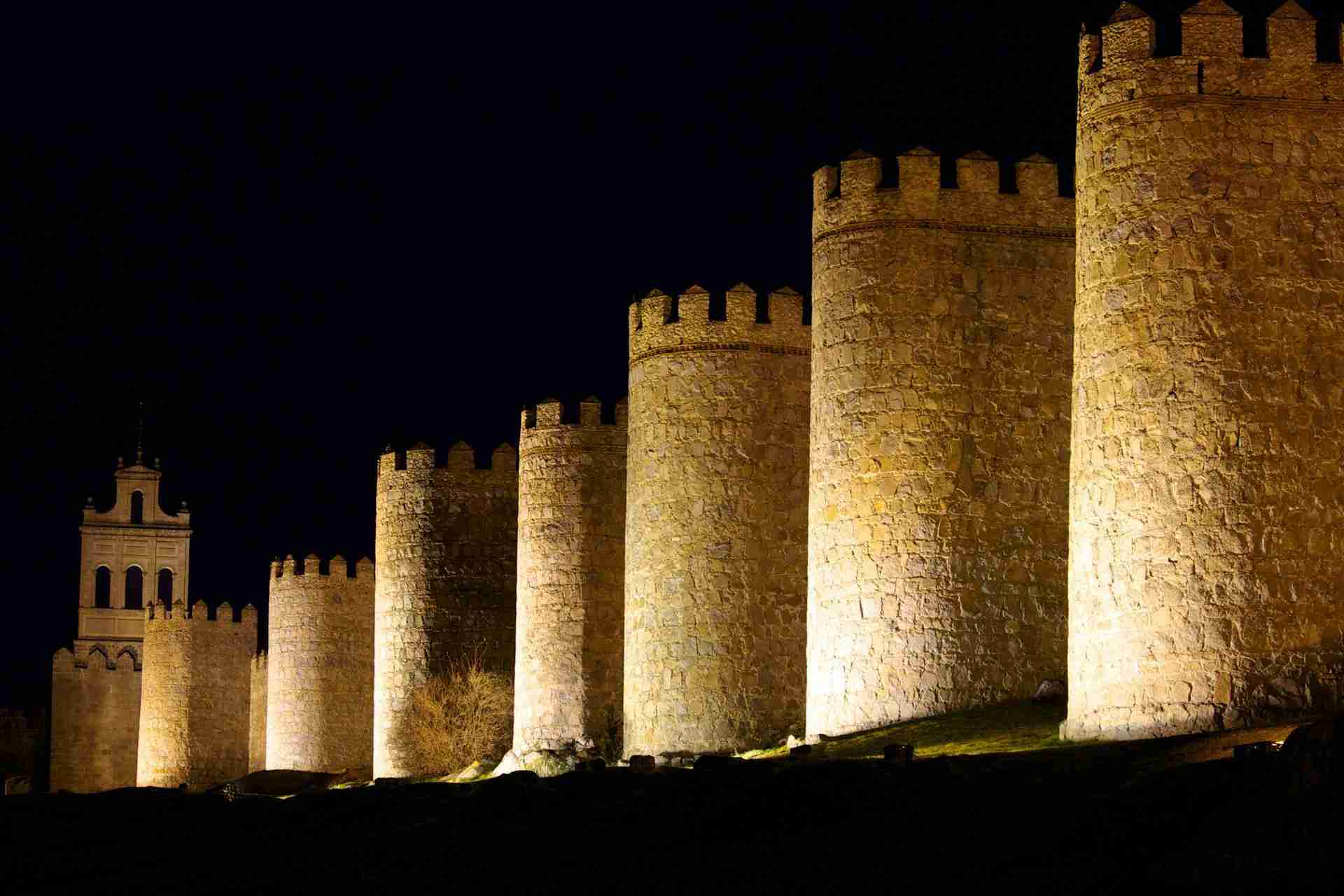
The Walls of Ávila rise above the plains of central Spain with a strength and presence that few places can match. These ancient stone defenses, built in the eleventh century, surround the city's old quarter in a near-perfect rectangle, making Ávila one of the best-preserved walled cities in Europe. The walls are over two kilometers long, with dozens of towers and fortified gates that still stand as they did nearly one thousand years ago. For photographers, Ávila offers a rare combination of structure, history, and light that comes together to create an inspiring place to work. The changing skies, textures of the stone, and the shape of the land all play an important part in how this location comes to life in photographs.
Best Photography Opportunities
• Puerta del Alcázar and the Main Gate
This entrance to the old city is one of the most visually powerful parts of the wall. Twin towers stand tall on either side of a wide arch, creating a strong sense of balance. This location works well in the early morning when soft light touches the stone and brings out the textures in the walls. Use a wide lens to capture the entire gate or step back and include people walking through to show the scale. For close-up shots, look at the carved details above the arch or the ironwork on the doors. A longer lens will help you frame these parts clearly without needing to get too close.
• View from Cuatro Postes
Just outside the city, the Cuatro Postes viewpoint offers the most complete view of the entire wall. From here, the wall curves around the city like a ribbon of stone. The old towers and rooftops stand out against the open sky, and the nearby hills give you space to move and try different compositions. This spot is best during golden hour, when warm light hits the walls, or at blue hour when city lights start to glow. A tripod helps here if you want to shoot longer exposures or capture the full range of color in the sky.
• Walking Along the Wall at Sunset
Visitors can walk along large sections of the wall, and the views from the top are excellent. From here, you can look down into the city or out over the countryside. Sunset is a great time to shoot from the top, as the low light creates long shadows and adds depth to the scene. The tops of the towers cast clear shapes across the stone floor, and the rooftops below catch the warm light. A zoom lens works well here to pick out patterns, rooftops, or single towers in the distance. You can also use the shadows as leading lines to build stronger compositions.
• Towers and Stone Texture
Each tower along the wall has its own shape and condition. Some are round, others are square, and many show signs of weather and age. Use side lighting to bring out the texture in the stone, and try to photograph early or late in the day when the light is softer. These details are perfect for medium telephoto lenses or even a macro lens if you want to get close to cracks, carvings, or signs of repair. The towers are often evenly spaced, so you can also use them to create rhythm and balance in your photos.
• Ávila Cathedral as Part of the Wall
One of the most interesting features of Ávila's layout is that the cathedral is built directly into the wall. This part of the city shows how defense and faith were once closely connected. The cathedral's back side looks like part of the fortification, with heavy stonework and narrow windows. Photographing this section is best in the late evening when the lights of the cathedral come on. The stone takes on a warm tone that stands out against the cooler colors of the sky. A tripod and slower shutter speed will help you capture this contrast clearly.
• Scenes Through the Gates and Arches
Looking through the gates into the city gives you a chance to frame streets, people, and buildings using the stone arches as natural borders. These views work well with both wide and mid-range lenses. Early morning brings soft light into these narrow streets, and after a rain, the wet stone adds a beautiful shine to the ground. You can wait for people to pass through the gate or walk slowly and look for shadow patterns along the walls. These scenes are great for showing how daily life continues within such historic surroundings.
Best Time to Visit
Photographers will find Ávila rewarding in every season, but spring and autumn offer the most comfortable conditions and the best light. In spring, the grass outside the walls is green, and flowers add small touches of color to the landscape. The skies are often clear or gently clouded, which creates soft shadows and even light. Morning and evening are both productive, with cooler tones in the early hours and warm colors in the evening.
Autumn is a favorite for many photographers because the light is lower throughout the day. The stone walls catch the sun at an angle that brings out every line and curve. From late September into early November, the countryside around Ávila turns golden and adds natural tones to your foreground. This is also a quieter time to visit, which means fewer people in your shots.
Summer brings clear skies and sharp light, but also high temperatures and more visitors. If you are shooting in the warmer months, try to focus on the early hours just after sunrise or wait until late afternoon when the sun begins to drop. Winter, especially after a snow, turns Ávila into a much different scene. The light is cooler, the air is clear, and the contrast between snow and stone gives your images a fresh look. On some mornings, fog settles over the lower parts of the city, creating a soft filter that adds depth and mood to wide views.
No matter the season, golden hour is your best friend in Ávila. The city lights up with soft color and long shadows that add shape to every part of the wall. Blue hour works well too, especially from outside the city, where you can capture the wall's lighting against a deep sky. Plan your sessions around these two windows for the most successful results.
How to Get There
Ávila is located in central Spain, about one hundred ten kilometers from Madrid. Many visitors travel by train from Madrid-Chamartín station. The ride takes about ninety minutes and brings you to Ávila's main station, which is just a fifteen-minute walk from the old city. If you are carrying gear, taxis are available outside the station and can drop you at any of the main gates.
If you are driving, the city is connected to the highway system by the A-6 and N-110 roads. There are several parking areas near the wall, including lots at El Grande and the Cuatro Postes viewpoint. These give you easy access to both city and landscape views. The old town inside the walls is mostly pedestrian, so plan to park and explore on foot.
There is no fee to photograph the walls from outside or from most public spaces. However, if you want to walk the top sections of the wall, there is an entry ticket. You can buy these at the Puerta del Alcázar or Puerta del Puente entrances. Most of the wall is open year-round, although parts may close temporarily for weather or repairs. Tripods are allowed in most areas, but during busy times, staff may ask you to move aside if paths become crowded.
The city is well set up for visitors. There are public bathrooms, water fountains, cafes, and shaded benches all within walking distance of major sites. Because the shooting locations are close together, you can plan a full day of photography without needing to change your base.
Recommended Photography Gear
A good gear setup for Ávila should cover a wide range of compositions, from large views across the hills to fine details in the stone. A full-frame camera and a sturdy tripod are the most important tools for getting the best image quality, especially during golden hour or blue hour. A 24–105mm lens is a smart choice for general use, allowing you to shoot city views, gates, towers, and people without switching lenses too often. For landscapes and panoramas, especially from Cuatro Postes, a wide lens such as a 16–35mm is useful for fitting the entire city into the frame without distortion.
If you want to shoot from the top of the wall or focus on specific architectural details, bring a 70–200mm lens or a sharp prime between 85mm and 135mm. This will help you isolate parts of towers, rooftops, and church steeples without needing to crop in later. For long exposures, carry a neutral density filter and a remote shutter release. These are especially helpful in low light or when you want to soften clouds and people for more peaceful images.
A polarizing filter is also worth bringing. It helps cut down glare on the stone and brings out richer color in the sky. A lens hood is essential when shooting into the sun, especially during early or late light. Weather can shift quickly in Ávila due to its high elevation, so pack a microfiber cloth and a rain cover just in case. Comfortable shoes, a light backpack, and enough batteries and memory cards will help you stay focused throughout the day without needing to return to your hotel.
Nearby Photography Locations
sit south of Ávila and offer a rugged change of pace from the city's stone structures. These peaks are covered in snow during winter and give photographers a chance to work with light, texture, and natural shapes. There are several pull-offs and trails that offer clear views back toward Ávila or out across the valleys.
are about 45 minutes south of the city. This wooded area is especially photogenic in autumn, when fallen leaves cover the ground and golden light filters through tall trees. The straight trunks and wide paths make it easy to build balanced, symmetrical compositions with clean lines and warm colors.
• Churches Outside the Wall
, like San Vicente and San Pedro, are quieter than the main cathedral and show strong Romanesque design. These buildings are best photographed early in the day when low light brings out the carved details and gives structure to the heavy stone. Their open plazas also allow you to step back and frame clean shots without too much clutter.
• Valle Amblés
, to the west of Ávila, offers rolling farmland, open skies, and small stone ruins. This area works well with long lenses and soft evening light. The valley gives you a chance to shift your focus from the city and explore textures in the land and sky.
• Arévalo
, a small town north of Ávila, offers another view of Castile's past. The town has well-preserved towers, churches, and traditional brick buildings. It is a quiet place with fewer visitors and a slower pace, which makes it easier to set up and work without distraction. Light reflects off the earth-toned walls in late afternoon and adds soft contrast to your frames.
Ávila's city walls offer more than just a record of the past. They provide shape, texture, and light that speak to anyone who enjoys exploring places through photography. Whether you are after clean lines, layered depth, or simple quiet moments, the walls and the world around them give you the tools to tell a strong visual story. Every part of Ávila asks for your attention, and every visit gives something new to capture.
Comments
Loading comments…