
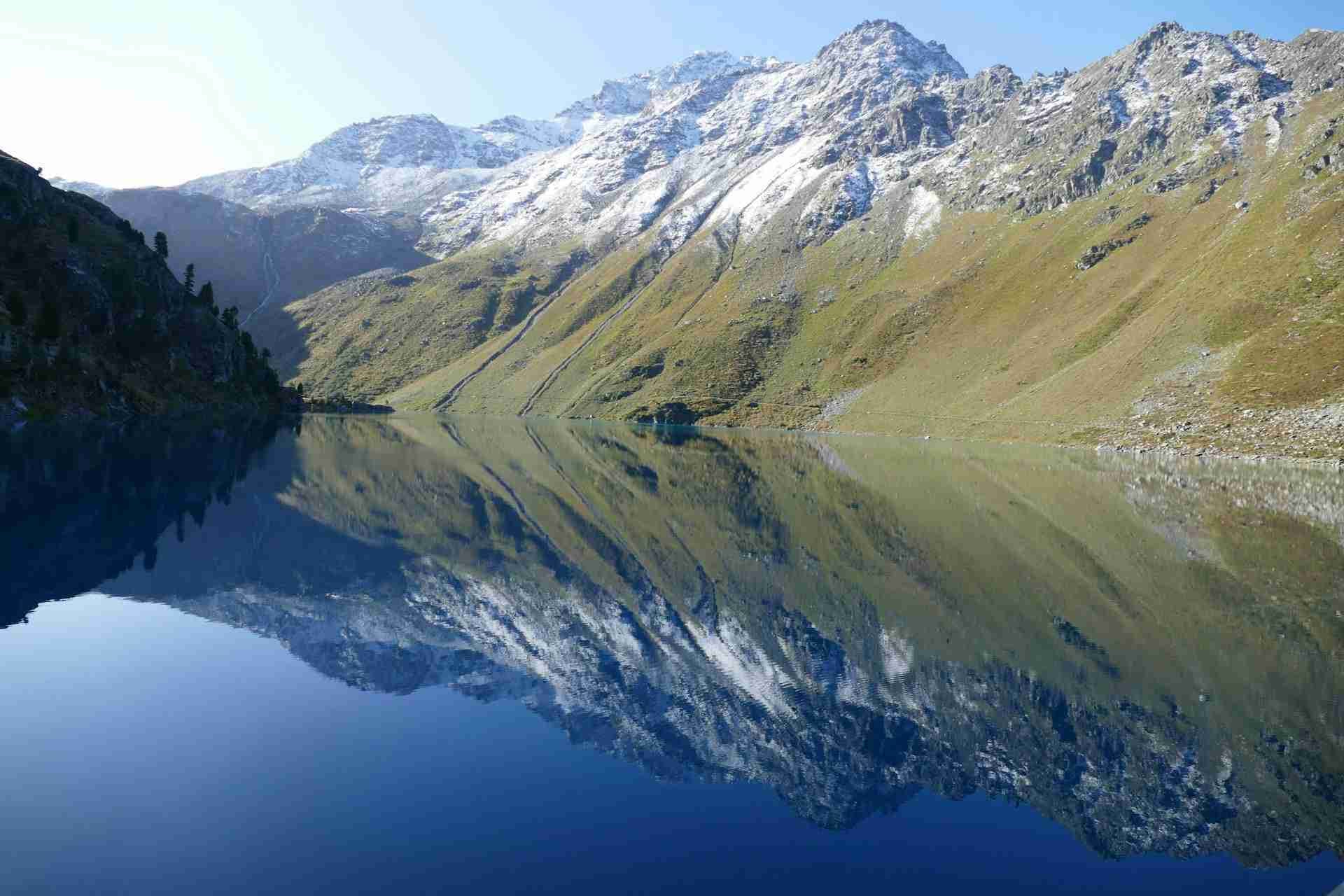
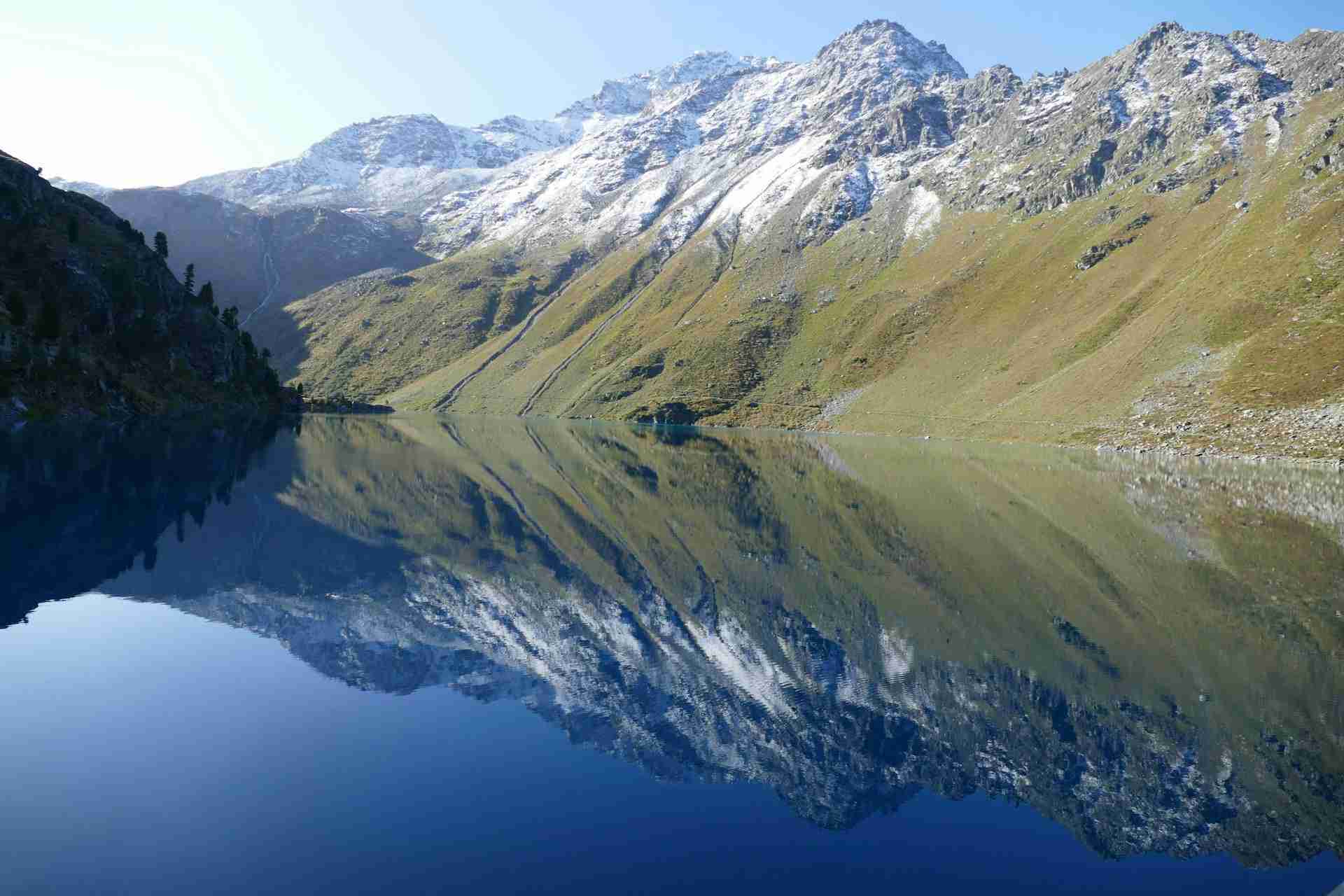
Cleuson Lake, tucked high above the Swiss village of Nendaz in the canton of Valais, offers a peaceful yet visually rich environment for landscape photographers. This man-made reservoir, known for its intense turquoise color, sits at an elevation of around 2,200 meters and is surrounded by rugged peaks, alpine meadows, and rock-strewn trails. Though fed by glacial melt and mountain streams, the lake often appears glassy calm, making it an ideal subject for reflection photography and minimalist compositions. Its remote feel, combined with easy access via hiking trails, makes Cleuson a rewarding spot for photographers who enjoy shooting natural subjects in structured, open surroundings. With light changing quickly at this elevation, the lake is never quite the same from hour to hour, offering varied conditions even within a single shoot.
Best Photography Opportunities
• Reflection Photography from the Northern Shore
: The north end of Cleuson Lake is one of the best locations for capturing mirror-like reflections of the surrounding mountains. On still mornings, especially in late summer or early fall, the surface of the lake can appear perfectly smooth, turning the landscape into a near-symmetrical image. A wide-angle lens allows you to include foreground elements like rocks, alpine flowers, or the trail itself to anchor the scene. Shooting during sunrise or early golden hour produces softer contrast and a gradual glow on the surrounding peaks. Use a tripod to ensure a clean, balanced composition, and watch for passing clouds or hikers that can add or distract from your frame.
• Turquoise Water with Foreground Detail
: One of Cleuson's most striking features is its vivid blue-green color, caused by fine glacial sediment suspended in the water. Shooting from higher on the trail or from one of the small cliffs along the shore lets you look down at the lake and include interesting textures in the foreground. Stones, alpine grass, and trail lines provide excellent leading elements, especially when composed from a slightly elevated position. A polarizing filter will enhance water color while reducing surface glare. Midday light, which is often avoided elsewhere, can actually be useful here for making the lake's color stand out more clearly.
• Abstract Patterns and Texture Studies
: The shoreline of Cleuson Lake includes interesting visual details like curved embankments, erosion patterns, and transitions between rock, grass, and water. These areas are perfect for creating tighter compositions that focus on color and form rather than wider landscapes. Use a standard or short telephoto lens to crop into sections of shoreline or frame isolated features like boulders, reflections, or lone hikers in the distance. These images benefit from even light or slight overcast, which helps bring out subtle textures without harsh contrast. Over time, light shifts can completely change how these small details read in the frame.
• Sunset Light on the Dams and Peaks
: While Cleuson is mostly about natural landscape photography, the dam itself and the infrastructure around it can make for compelling contrast shots, especially when hit by warm evening light. From the south or southeast side of the lake, you can frame the concrete structure against the backdrop of jagged peaks or soft evening clouds. A 70 to 200 millimeter lens allows you to compress the frame and isolate geometric forms. Sunset colors often build behind the lake in late summer, casting pastel hues across the water and sky. Including the dam in the composition adds a human element without overwhelming the natural feel of the location.
• Night Sky and Milky Way Photography
: Due to its high elevation and distance from major light sources, Cleuson Lake is a good spot for night photography, especially during new moon phases. In late summer, the Milky Way arcs visibly over the southern sky, making it possible to capture long exposures with the lake in the foreground. Position yourself on the northwestern shore and angle your camera southeast to frame the stars above the water or dam. A fast wide-angle lens (f/2.8 or faster) and a sturdy tripod are essential. Be sure to arrive before dark to scout compositions and focus, as the terrain can be tricky to navigate at night.
Best Time to Visit
The best season to photograph Cleuson Lake is from late June through early October, when the trail access is open and the lake is fully thawed. During this period, the weather is more stable, and the alpine grasses and flowers along the shoreline add texture and color to your foregrounds. July and August are ideal for deep blue skies and strong sun, though early mornings are still recommended to avoid haze and capture calm water surfaces. Late afternoon light can be dramatic, especially when weather systems move through the mountains, casting spotlights across the water.
September and early October offer some of the clearest skies of the year, along with lower sun angles that bring out textures in the grass and rocks around the lake. The air is cooler, and mornings may bring light mist or frost along the trail, both of which can enhance mood and atmosphere in your images. By late October, snowfall becomes more likely and trail conditions can vary from day to day. Always check local forecasts and trail updates before heading out late in the season.
Winter access is more difficult and not generally recommended for casual photography, as snow can block the trail and avalanche conditions may develop. However, experienced backcountry photographers with proper gear and preparation may find the lake frozen and quiet, offering stark, minimalist compositions. For most photographers, the summer and early fall seasons offer the most consistent and visually rewarding conditions.
How to Get There
Cleuson Lake is located in the mountains above Nendaz, Switzerland. From the town center, the most common route is via Siviez, a small hamlet about 15 minutes away by car or shuttle. There is a parking area at Siviez where the hike begins. During the summer season, buses from Nendaz also run regularly to Siviez, making it accessible without a car.
From Siviez, the hike to Cleuson Lake follows a well-marked alpine trail that gradually ascends alongside the Printse River. The distance to the lake is approximately five kilometers, with a steady incline that takes about 90 minutes to complete at a moderate pace. The trail is not technically difficult, but sturdy footwear is recommended, especially if you plan to explore off the main path once you reach the lake.
There are no fees required to access the lake or hike the trail. The area is part of a public alpine region, and tripods are allowed without restriction. Plan to carry water and any gear you need for the duration of your session, as there are no services once you leave the trailhead. For sunrise or night photography, an early or late hike in the dark will require a headlamp and good trail awareness, as the terrain becomes more challenging in low light.
Recommended Photography Gear
To make the most of your time at Cleuson Lake, bring a lightweight but flexible setup that can handle both wide landscapes and tighter details. A full-frame camera body with good weather sealing and dynamic range is a smart choice for capturing both high-contrast skies and shadowed foregrounds. A wide-angle lens in the 16 to 35 millimeter range is your primary tool for lake reflections and expansive views across the valley.
Pair that with a 24 to 70 millimeter lens for general landscape shooting and a 70 to 200 millimeter lens if you want to compress the background or isolate distant peaks and shoreline elements. A sturdy, travel-friendly tripod is essential for long exposures, night photography, and precise framing near the water's edge. A polarizing filter is very useful here, helping to deepen the lake's color and reduce glare, especially during midday hours when the sun is higher in the sky.
A set of neutral density filters allows for longer exposures of cloud movement or smooth water, particularly during windy conditions. If you plan to shoot star trails or the Milky Way, bring a fast wide prime lens, an intervalometer, and extra batteries, as cold night temperatures at altitude can drain them quickly. Waterproof boots or shoes with good grip are helpful for exploring the rocky shoreline or standing on uneven surfaces for extended periods.
Weather in the mountains can change quickly, so pack a rain cover for your gear and a lightweight shell for yourself. Bring a microfiber cloth for cleaning lenses and filters, as condensation and water spray near the lake can be an issue. Finally, make sure your pack includes plenty of water, snacks, and a headlamp if you are staying for sunset or arriving before dawn.
Nearby Photography Locations
: Located above Nendaz and accessible by gondola in the summer, this smaller alpine lake offers peaceful water scenes, larch trees, and great views toward the Rhône Valley. It is ideal for early morning reflections and quiet mid-day sessions.
: For a more elevated view, hike up toward Dent de Nendaz to capture a sweeping panorama over Cleuson Lake and the surrounding mountains. The trail is steep but rewarding, especially at golden hour when the light rolls across the peaks.
: Just before reaching the lake, you pass the dam itself, which offers striking concrete geometry and views down into the valley below. This location is especially photogenic in the late afternoon, when light hits the structure from the west.
: These villages and lower valleys offer traditional Swiss chalets, terraced fields, and scenic views of the Rhône River. They make excellent stops for late afternoon light and quieter rural scenes after a morning at the lake.
: Further up the valley and accessible by lift, Mont Fort provides one of the highest accessible viewpoints in the region. It is excellent for dramatic sunrise sessions, glacier views, and high-altitude mountain photography with clear sightlines to the Matterhorn and Mont Blanc.
Cleuson Lake is one of those places that feels both open and intimate. Its quiet beauty and alpine setting offer more than postcard views—they provide time and space to experiment, wait for the light, and build images that feel both simple and expansive. For photographers looking to explore beyond the more crowded spots in the Swiss Alps, this lake offers a perfect mix of color, reflection, and quiet mountain stillness.
Comments
Loading comments…