
Fähnerenspitz: Alpine Perspectives and Tranquil Trails in Appenzell
The Fähnerenspitz, a 1,507-meter peak located in the Appenzell region of northeastern Switzerland, offers photographers panoramic mountain views, breathtaking landscapes, and a peaceful hiking experience far from the crowds of better-known Alpine destinations. With its grassy ridgelines, charming farmhouses, and unspoiled vistas stretching toward the Säntis massif, the Fähnerenspitz rewards those who make the climb with a rich mix of natural textures and expansive views. Whether you're aiming to capture distant peaks at sunrise or low-angled light sweeping across cow pastures, this summit delivers a classic Swiss mountain setting in a quieter, more intimate atmosphere.
Best Photography Opportunities
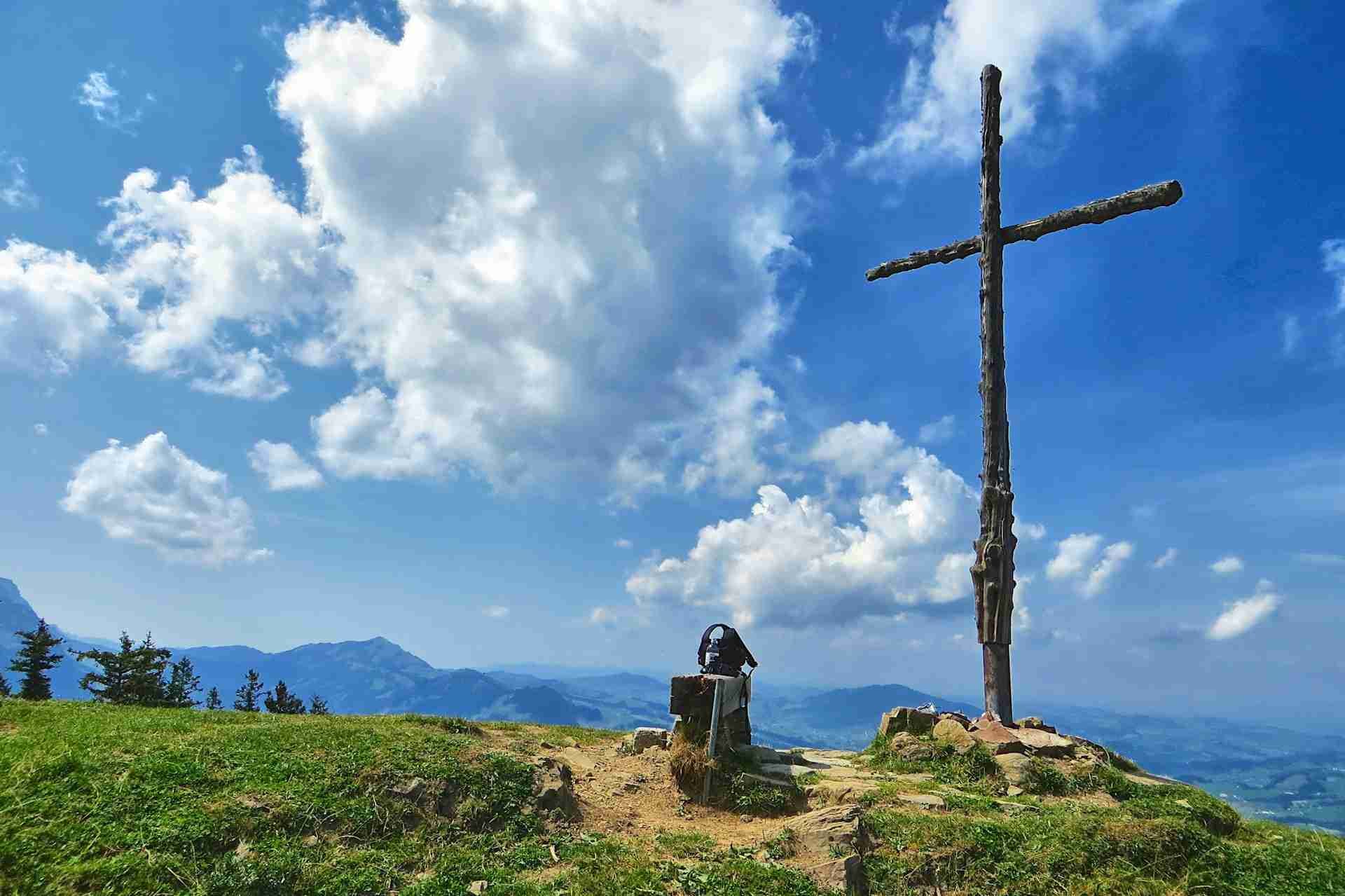
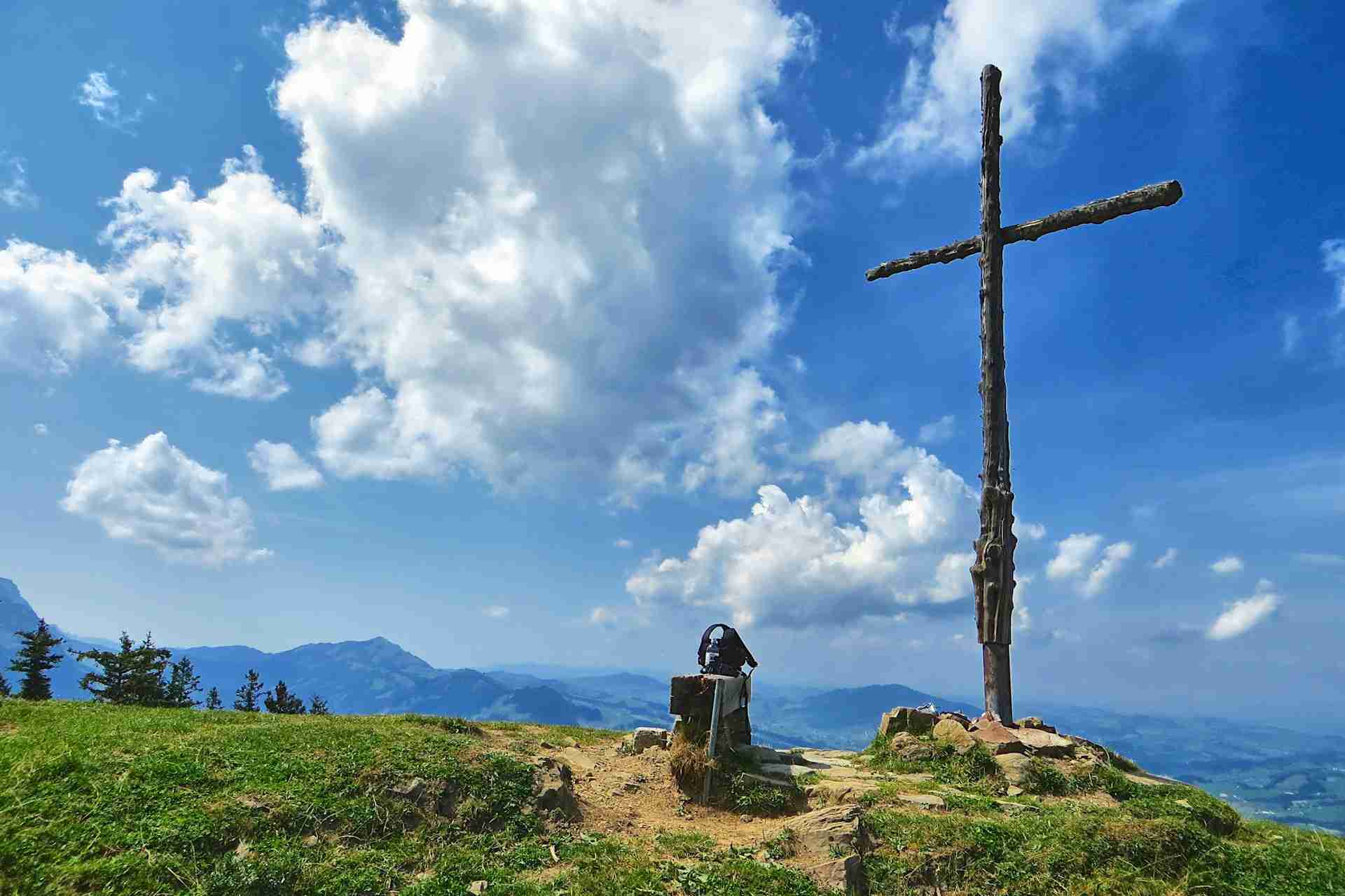
• View from the Summit Cross
: The iconic wooden cross marks the top of the Fähnerenspitz and provides a dramatic foreground against sweeping Alpine views. From here, you can frame the Säntis range, neighboring ridgelines, and the green valleys below. This location is ideal at golden hour, when long shadows stretch across the land and mountain silhouettes deepen with color. A wide-angle lens helps to capture the scale, while a telephoto can pick out distant peaks in crisp detail. Consider bracketing exposures for HDR to manage the contrast between the bright sky and shaded slopes, especially when shooting during sunrise or sunset.
• Pastures and Farmhouses Along the Trail
: As you ascend or descend the mountain, the winding trail passes traditional Appenzell-style farmhouses and wide-open pastures dotted with grazing cattle. These scenes evoke a timeless, rural charm and are particularly photogenic in soft morning or evening light. Composing the buildings in the foreground with the mountain backdrop creates a layered sense of place, and shooting from a low angle emphasizes the textures of the land. Watch for moments when light breaks through the clouds to spotlight certain parts of the landscape, or wait for animals to move into the frame for a candid, pastoral shot.
• Ridgeline Walks and Side Trails
: The trail near the top follows grassy ridgelines with uninterrupted views on either side. These elevated paths are excellent for photographing depth and scale, especially when leading lines from fences or pathways draw the viewer's eye into the frame. Misty mornings or low clouds drifting across the landscape add drama to these high-altitude perspectives. Look for hikers along the trail to add a sense of scale, or shoot back along the ridgeline to highlight the path you've taken, incorporating the distant valley below and layered terrain fading into the distance.
• Wildflowers and Alpine Details
: In late spring and early summer, the slopes bloom with wildflowers that offer rich foreground interest for landscape compositions. Macro or close-up shots of alpine flora set against blurred backdrops of distant peaks can add variety to your image set. Look for dew-covered petals in the early morning for extra sparkle and freshness. Combinations of flower textures with weathered rocks, moss, or insect activity can also create intimate nature portraits that complement the wider vistas from the summit.
• Sunrise and Sunset Views from the Approach
: You don't need to reach the summit to enjoy striking views; many photographers stop partway up the trail to capture the rising or setting sun as it illuminates the rolling terrain. Trees, barns, and winding roads add compositional elements for storytelling. These locations are also easier to access for twilight photography, offering safe retreat before dark. Frame the scene using foreground branches or fences to add depth, and consider silhouette shots of passing hikers or lone trees to bring emotion into your landscape narrative.
Best Time to Visit
The Fähnerenspitz can be visited year-round, but for photography, late spring through early autumn offers the best conditions. In May and June, wildflowers bloom across the slopes, and the pastures are lush and green. Early morning light casts long shadows and reveals the fine textures of the terrain, while mid-summer provides clearer skies and stable weather.
Autumn brings golden tones to the grasses and trees in the lower elevations, offering a warmer color palette and crisper air for shooting. Mornings during this season often include light fog or ground mist, which can be used creatively in layered compositions.
Winter hikes are possible but more demanding, and snow coverage changes the visual character of the landscape. If visiting in winter, aim for clear days with blue skies to contrast the white terrain, and consider snowshoes or spikes for safe access.
Golden hour and blue hour yield the most flattering light across the landscape, especially for mountain silhouettes and textured fields. Check weather conditions in advance, as low clouds or fog can obscure views but also offer moodier, atmospheric scenes if you're prepared.
How to Get There
The Fähnerenspitz trailhead is located near the village of Brülisau in the canton of Appenzell Innerrhoden. From Appenzell town, it's about a 15-minute drive to the trail parking lot near Pfannenstiel or the base of the Hoher Kasten cable car. There is free parking available in designated areas.
The hike to the summit takes approximately 1.5 to 2.5 hours depending on your chosen route and fitness level. Trails are well-marked but can be steep in sections, especially after rain. Wear sturdy hiking shoes, and consider trekking poles for added stability on the descent.
There is no entry fee to access the trail or summit, and the area remains relatively uncrowded compared to more tourist-heavy peaks. Bring water and snacks, as there are few facilities on the route. Local buses also run to Brülisau from Appenzell, connecting with regional train services.
Recommended Gear for Mountain and Landscape Photography
A wide-angle lens (16–35mm) is essential for capturing the open views and expansive skies around the Fähnerenspitz summit. Use it to emphasize depth in ridgeline shots or to frame the summit cross with sweeping backdrops. A mid-range zoom (24–70mm) works well for shooting farmhouses, trees, or hikers as part of the broader landscape.
A telephoto lens (70–200mm or longer) is useful for isolating distant peaks, wildlife, or textures across the mountain slopes. For macro work, a compact lens in the 90–105mm range will help capture flower and plant details with shallow depth of field. A polarizing filter helps reduce glare and deepen sky color on bright days.
A lightweight but sturdy tripod is helpful for golden hour and sunrise shots, especially if you're using longer exposures in low light. A rain cover or weather-resistant gear is advisable due to unpredictable mountain conditions. Keep gear accessible with a supportive backpack and bring a microfiber cloth to manage moisture.
Footwear should have good grip, especially for descending in early morning dew or after rain. GPS or offline map apps are useful for tracking your trail route and marking scenic points for return visits.
Nearby Photography Locations
: Accessible by cable car, this nearby peak offers sweeping views over the Rhine Valley and into Liechtenstein. Its panoramic platform provides a very different visual angle than Fähnerenspitz and is excellent for photographing distant mountain ranges.
: The historic center of Appenzell is full of traditional wooden houses with painted facades, ideal for street photography or capturing cultural atmosphere. The pedestrian streets and decorated storefronts offer vibrant, human-scale compositions.
: Located within Alpstein but reachable by a separate hike, this alpine lake reflects surrounding peaks and is a favorite for sunrise photographers. The calm water surface and rustic buildings nearby create balanced compositions with both natural and manmade elements.
: This combination of high alpine views and cave chapels built into the cliffside offers dramatic, spiritual landscapes. The approach trail also offers several lookout points ideal for wide-angle landscapes or atmospheric mountain shots.
: This tall cascade near Brülisau is a good side trip for long exposure work. Surrounded by forest, it offers a cooler, sheltered setting with flowing water textures that contrast with the open summit scenes.
Comments
Loading comments…