
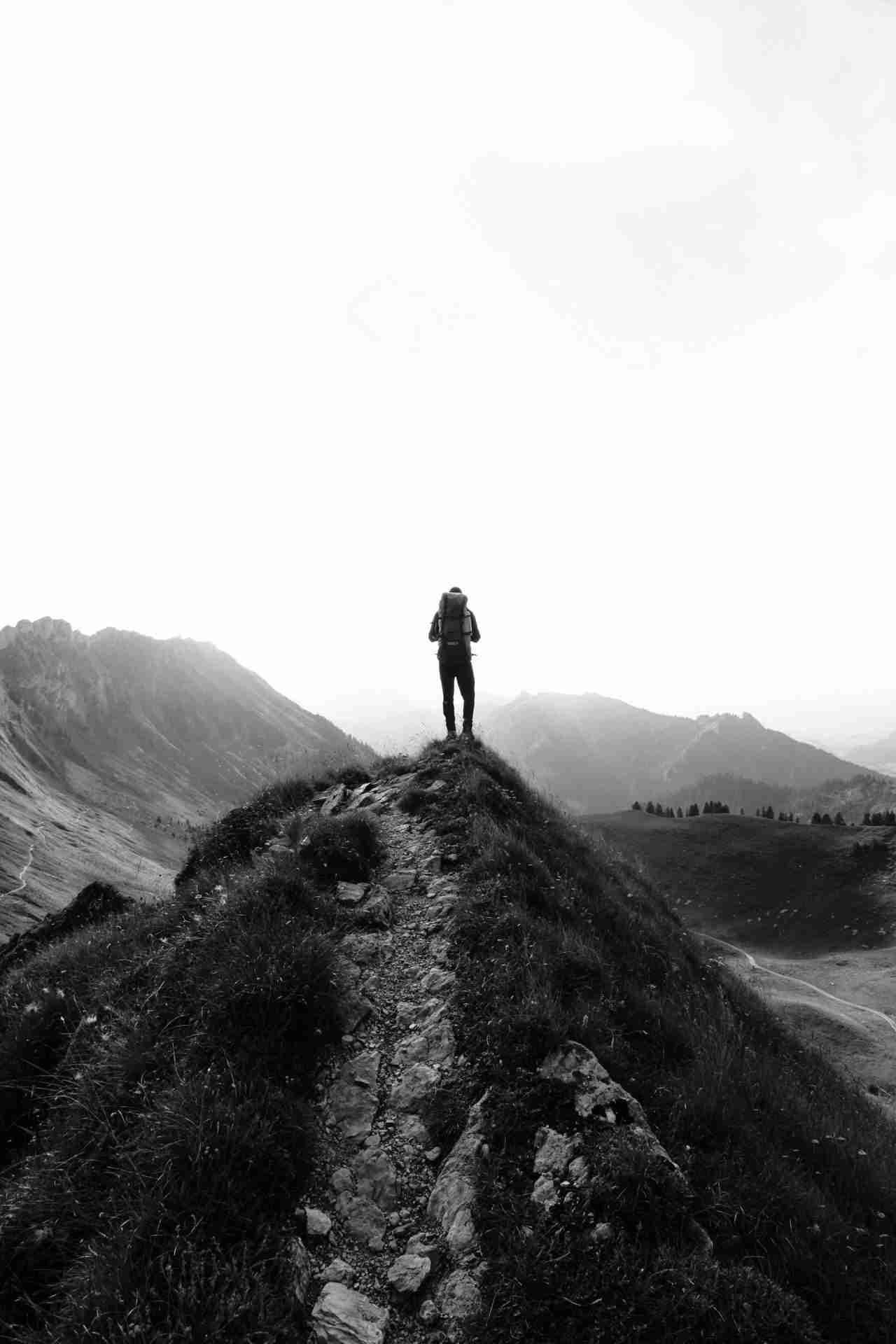
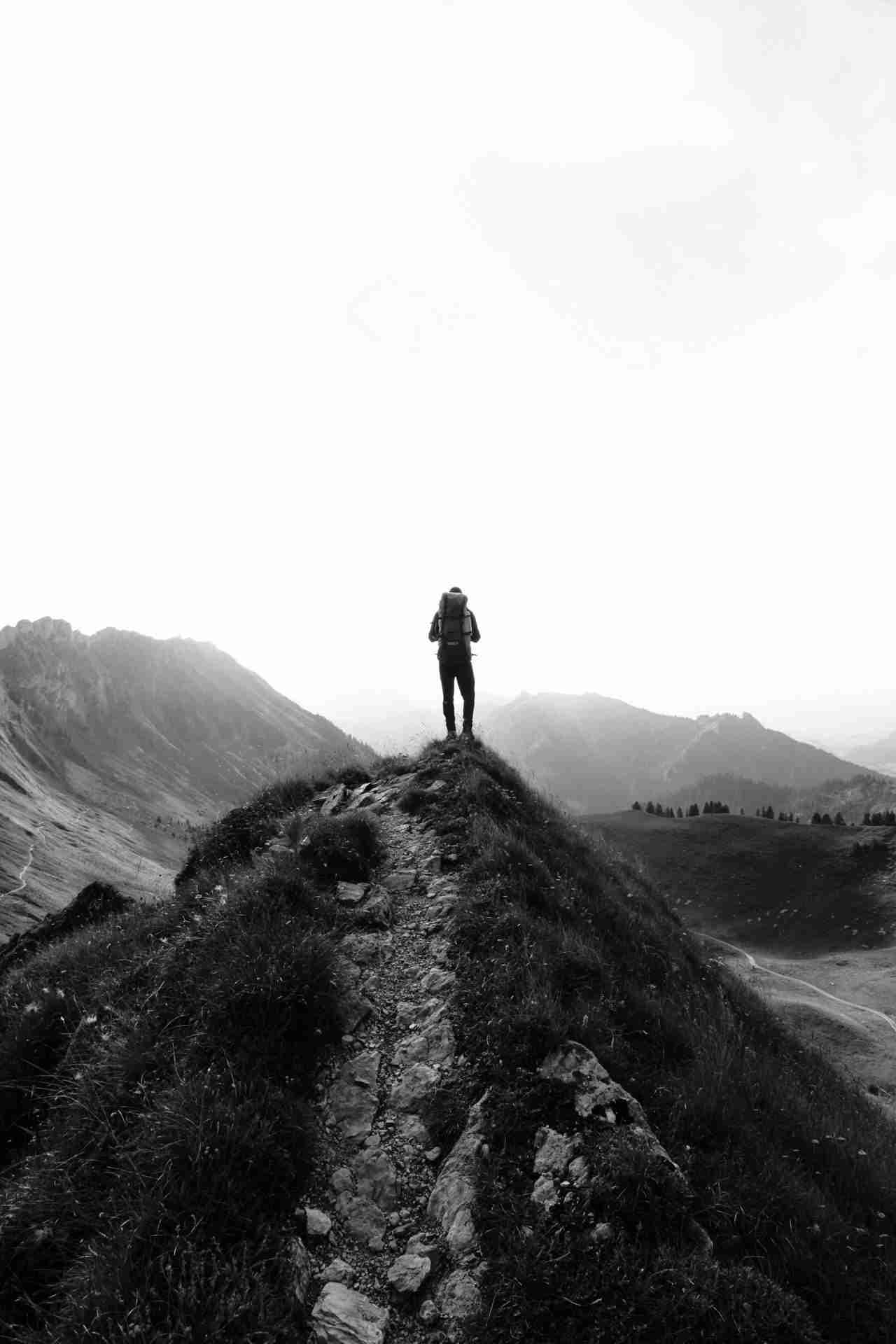
Set within the Gantrisch Nature Park near Rüeggisberg, the Gantrisch peak and its surrounding mountain chain form one of Switzerland's most picturesque pre-Alpine landscapes. Rising to 2,175 meters, Gantrisch is defined by rugged limestone ridges, sweeping alpine meadows, and wide views that stretch from the Bernese Oberland to the Jura. Photographers find themselves immersed in a setting where pastoral quiet meets dramatic geology: cows graze in green valleys while jagged ridges rise abruptly above. The area offers countless vantage points, from summit panoramas to reflective lakes tucked into the valleys, making it one of the most diverse yet approachable mountain photography destinations in the region. With easy access from Bern and a wide range of trails, Gantrisch is equally suited to quick day trips and extended shoots that reward patience with shifting light and weather.
Best Photography Opportunities
• Summit Views from Gantrisch Peak
From the summit itself, photographers can enjoy a commanding perspective over the Bernese Alps, with peaks such as Eiger, Mönch, and Jungfrau visible on clear days. The rolling pre-Alpine ridges lead the eye toward these higher summits, creating natural leading lines in compositions. A wide-angle lens captures the expanse of ridges and sky, while a telephoto compresses distant snowfields into layered horizons. Sunrise at the summit is particularly rewarding, with first light illuminating the higher Alps before gradually reaching the foreground ridges. The shifting weather typical of this region often creates dramatic contrasts between illuminated peaks and cloud-shrouded valleys below.
• Gantrischseeli Reflections
Nestled below the Gantrisch ridge, the small mountain lake known as Gantrischseeli provides a quiet reflective surface surrounded by forest and cliffs. Calm mornings are best for symmetrical shots, where the jagged ridges and tree line mirror perfectly in the water. Seasonal changes add variety, from spring greenery to autumn color and even ice formations in winter. Including shoreline elements such as grasses or boulders helps add depth to reflections. This spot is particularly effective for long-exposure photography, with neutral density filters softening both water and clouds.
• Alpine Meadows and Pastoral Details
The meadows around Gantrisch, especially near Rüeggisberg and Gurnigel, are dotted with wooden huts and traditional farm structures. These rustic elements make excellent foregrounds when paired with the rising limestone ridges behind. Summer months bring wildflowers that can be framed against the mountains for colorful compositions. Side light during morning or evening enhances the texture of the fields, casting long shadows that add depth. Mid-range focal lengths are particularly effective for balancing human and natural elements in the same frame.
• Ridge Trails and Panoramic Vistas
The trails along the Gantrisch chain, including the Gantrisch Panorama Trail, offer elevated viewpoints without requiring technical climbing. These ridgeline walks provide opportunities to capture sweeping panoramas with valleys on either side. Shooting along the trail itself as a leading line adds narrative to the frame, especially when hikers or cyclists are included for scale. During late afternoon, the ridges catch warm side light that creates contrast between grassy slopes and limestone outcrops. Cloud layers moving through the valleys often add atmosphere and mood to these wider shots.
• Winter Landscapes and Snow Textures
In winter, Gantrisch transforms into a snow-covered landscape with clean lines and sharp contrasts. Snowshoeing trails and ski routes open up access to the ridges, where the white slopes meet blue sky in minimalistic compositions. Snow-covered trees near Gantrischseeli add texture to the otherwise stark environment. Winter sunrise and sunset sessions are particularly rewarding, with warm tones reflecting off the snow and creating strong color contrast. A tripod and graduated neutral density filter are useful for balancing exposure between bright snowfields and darker ridges.
Best Time to Visit
Gantrisch offers strong photographic conditions throughout the year. Spring brings fresh meadows, wildflowers, and patches of lingering snow, creating colorful contrasts. Early summer is one of the best times for long daylight hours, blooming flora, and clear views toward the Bernese Alps. Summer also offers reliable trail access, though midday light can be harsh, making mornings and evenings more rewarding.
Autumn is especially photogenic, with golden larches, misty valleys, and soft light that enriches the textures of both meadows and ridges. Inversions are common at this time of year, with fog filling the lower valleys while the peaks remain clear. Winter turns the entire area into a bright snowfield, ideal for minimal compositions and twilight shooting. For reflections and calm conditions, mornings are the most reliable, while sunsets often bring vivid color transitions across the ridges.
How to Get There
Gantrisch is located in the Gantrisch Nature Park, accessible from the town of Rüeggisberg, about 30 kilometers south of Bern. The main access point is via the Gurnigel Pass road, where parking areas connect to numerous trails leading toward the ridges and summit. From the pass, a well-marked trail leads to Gantrischseeli, while more challenging routes climb directly to Gantrisch peak. Public transportation options include buses from Bern to Riggisberg and Gurnigel, with connections to trailheads.
There are no fees to access the park or the trails. Parking may be limited during peak weekends, so early arrival is recommended. In winter, certain roads may be closed, requiring snowshoes or skis to access higher areas. Facilities are minimal, though mountain huts in the region offer food and shelter during the hiking season. Drone use is allowed but should be flown responsibly, avoiding disturbance to wildlife and grazing areas.
Recommended Photography Gear
A versatile setup is essential for covering the range of subjects in the Gantrisch area. A wide-angle lens in the 16 to 35 millimeter range is useful for summit and ridge views, where expansive compositions are most effective. A 24 to 70 millimeter mid-range zoom is ideal for meadows, farm huts, and shoreline reflections. A telephoto lens in the 70 to 200 millimeter range is valuable for compressing distant Alps into layers or isolating wildlife in the valleys.
A tripod is recommended for long exposures at Gantrischseeli and for twilight sessions along the ridges. A circular polarizer helps control glare on water and deepen sky tones, while neutral density filters extend exposures for smoothing clouds and reflections. In winter, snow covers much of the terrain, so protective covers for gear, extra batteries, and lens cloths are essential. For spring and summer, a macro lens adds flexibility for capturing alpine wildflowers and smaller details.
Nearby Photography Locations
Just west of Gantrisch, Schwarzsee is a larger alpine lake framed by forests and limestone peaks. It is excellent for reflection photography, particularly at sunrise, when the water is calm and the surrounding mountains catch first light. In winter, frozen surfaces add unique textures to foregrounds.
The Gurnigel Pass itself offers sweeping views of both the Jura mountains to the north and the Bernese Alps to the south. Roadside viewpoints provide quick access for sunset photography, when the ridges glow under warm light. This is one of the most accessible vantage points for wide alpine panoramas.
A short drive east brings you to the Stockhorn, a peak accessible by cable car. From the summit, photographers can capture dramatic vertical views over Thun, Lake Thun, and the surrounding Alps. The observation platform offers safe positions for wide-angle and long-lens shooting.
Farther into the Bernese Oberland, Oeschinen Lake offers turquoise waters framed by towering rock walls and waterfalls. Though larger and more famous than Gantrischseeli, it complements a visit to the region with its dramatic scale. Summer and autumn are the most rewarding times to shoot here.
For an urban contrast, the UNESCO-listed old town of Bern is a short trip away. Its medieval arcades, sandstone architecture, and elevated viewpoints over the Aare River provide rich opportunities for architectural and cityscape photography. Twilight sessions along the riverbanks capture both natural and built elements in balance.
Gantrisch rewards photographers who enjoy variety, from reflective lakes and pastoral meadows to high ridges with sweeping alpine views. Its accessibility from Bern makes it a convenient day trip, yet its range of subjects encourages longer exploration. With its combination of dramatic ridges, seasonal color, and pastoral quiet, the Gantrisch region provides a portfolio's worth of compositions in a single compact landscape.
Comments
Loading comments…