
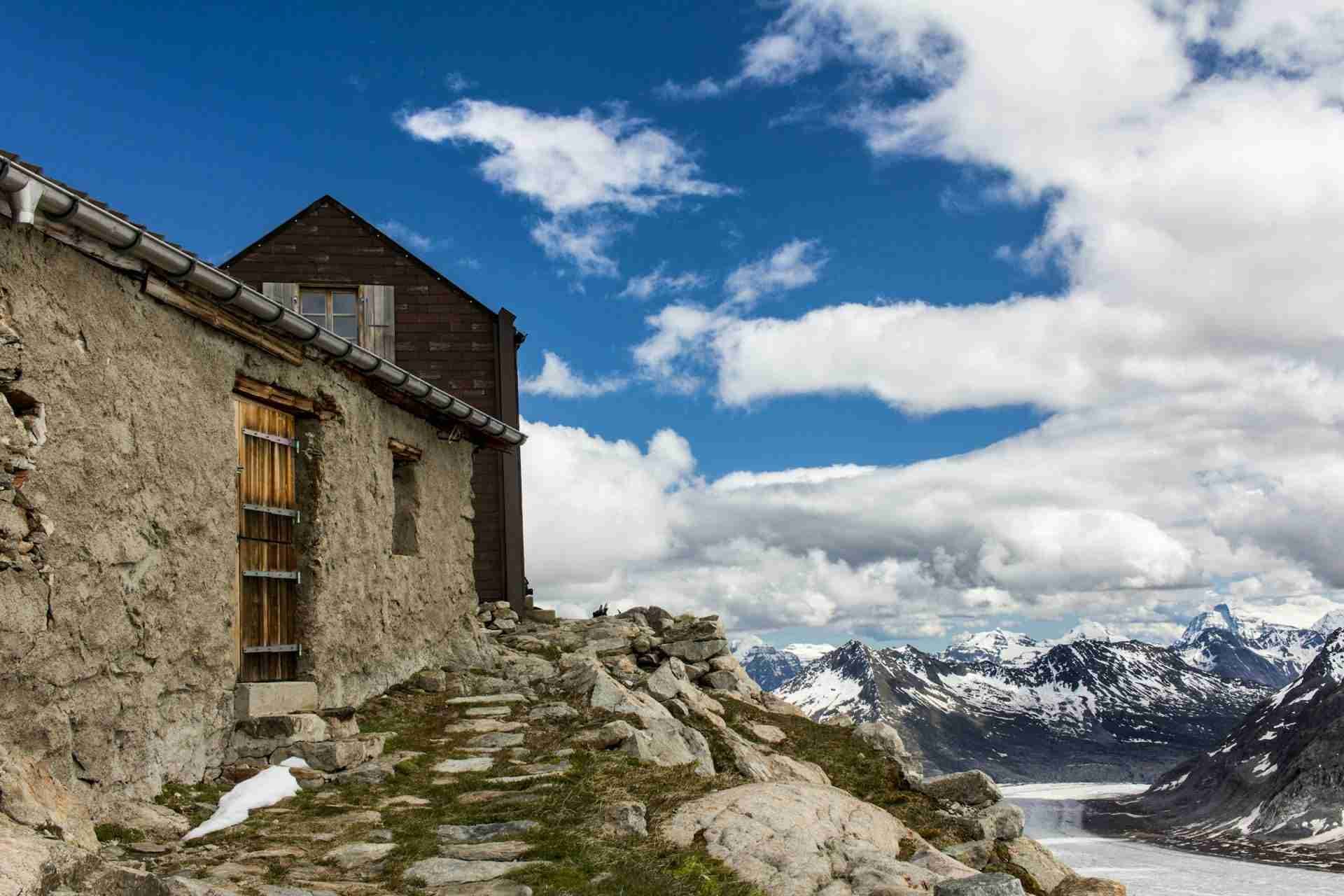
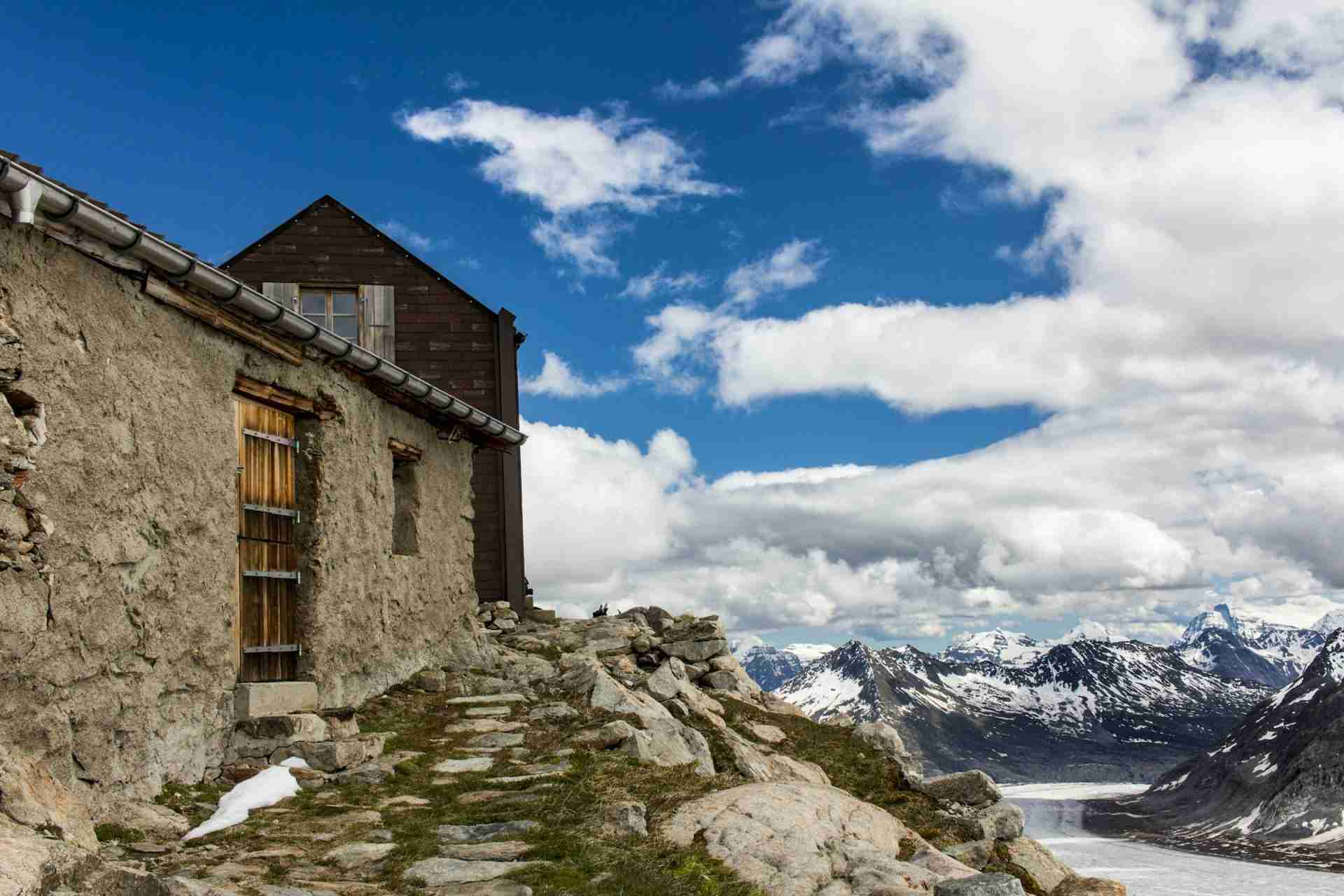
Perched high above the vast sweep of the Aletsch Glacier in Switzerland's Bernese Alps, the Konkordiahütte SAC is one of the most visually striking locations in the Swiss alpine system. The hut overlooks the point where several ice flows converge into the largest glacier in the Alps, creating a natural pattern of lines, crevasses, and layered textures that stretch deep into the horizon. It is a place of total stillness and scale, where light changes slowly and every shift in shadow reveals new forms across the ice. From the hut itself or from the surrounding ridgelines, photographers can work with immense glacial geometry, stark rock faces, and a vast alpine sky that responds beautifully to early and late light. Accessing Konkordiahütte requires effort, but the visual rewards are far beyond what most locations offer.
Best Photography Opportunities
• Aletsch Glacier Convergence
The main terrace in front of the Konkordiahütte provides a sweeping elevated view of the glacier where multiple ice flows merge into one. This is the most direct and rewarding place to photograph the scale and flow of the glacier, especially during sunrise when warm light grazes the upper flanks of the valley while the ice below remains in blue shadow. Use a wide angle lens to capture the curving lines in the ice and include the distant peaks as scale references. On clear mornings, the alpenglow touches the surrounding summits first before slowly descending into the valley, offering a long window of layered light. Tripod shooting here allows you to work with subtle tonal changes and experiment with exposure to balance the bright sky and the shaded glacier.
• Crevasse Patterns
The long steel stairway leading up to the hut from the glacier offers changing perspectives of the ice below with each step. From several points along the ascent or descent, you can photograph the glacier's surface from a higher angle, isolating abstract shapes, crevasse networks, and lines of debris that run through the ice. These compositions work best with a mid range or telephoto lens, allowing you to compress texture and form. In soft light or during overcast conditions, the detail in the ice stands out clearly without harsh contrast. These shots offer a more graphic, pattern based style that complements the wide vistas from the terrace.
• Alpenglow and Evening Light
To the west of the hut, a short walk leads to a raised shoulder of rock that provides unobstructed views down the length of the glacier toward the distant mountains. During the evening, the light drops behind the peaks to the northwest, casting long shadows and rich colors across the upper layers of ice and rock. This location is ideal for sunset, with a chance to work the light as it fades and transitions into blue hour. Use a telephoto lens to isolate illuminated ridgelines or wide compositions to show the full glacial sweep. The mood shifts quickly here, and having a tripod ready helps you capture the fading color with precision.
• Detail Compositions of the Hut
The Konkordiahütte itself is a compact, well-placed structure with simple alpine design that blends naturally into the rocky outcrop it sits on. Early or late light creates soft shadows along the hut's walls and brings out texture in the metal and stone materials. Photographing the hut from above or from the far end of the terrace allows you to place it against the backdrop of ice, giving scale and narrative to the image. Close compositions of the hut's ladders, platforms, or windows work well with side light, revealing small details that reflect the extreme conditions of its location. These shots provide a human element to contrast with the wide and quiet landscape.
• Changing Weather
The route to and from the hut involves crossing sections of the glacier, and during this journey, you will encounter open views of the valley framed by shifting clouds and sky. This is a good opportunity for working handheld compositions that respond to the light and weather in the moment. Use a flexible zoom to adjust quickly as fog rolls across the ice or when clear patches open to reveal distant peaks. These transient scenes are where scale, motion, and atmosphere come together, especially during the middle of the day when broader shots may feel flat. These frames often rely more on timing and observation than planning, making them some of the most personal images you can bring home from this location.
Best Time to Visit
The best time to photograph from Konkordiahütte is between mid-July and mid-September, when the glacier is most stable, access is consistent, and the light transitions are long and gradual. During this period, snow has melted from the higher ridges, revealing more of the hut's surroundings and making footpaths easier to follow. The air is clear, the nights are cool, and the weather is generally reliable for early morning and evening shooting.
Sunrise begins with a deep blue tone across the glacier, followed by warm color catching on the distant peaks before slowly spreading down the valley. This is one of the most photogenic times, as the light contrast between ice and sky is strongest and most balanced. Sunset works well when shooting west or northwest, especially when clouds are present to reflect light across the glacier's surface. Midday can be more challenging due to harsh contrast, but overcast conditions flatten the light and allow the glacier's texture to stand out.
Early in the season, snow patches may still linger, which can simplify some compositions and add tonal variation to the rock and ice. Late in the season, the glacier shows more exposed melt features and deeper blue in the crevasses, offering stronger texture and contrast. Weather in the high alpine is always unpredictable, so flexibility and patience are key to making the most of your visit. Be prepared for sudden changes and make use of soft light conditions, which often bring out the most subtle and layered images.
How to Get There
Reaching the Konkordiahütte requires a combination of mountain transport, hiking, and glacier travel. Most photographers begin their journey in Fiesch, where a cable car and mountain train bring you to the Jungfraujoch or the Eggishorn, depending on your chosen approach. The most direct route is from the Jungfraujoch, descending onto the glacier and following marked alpine routes across the Aletschfirn toward the hut. This route involves glacier crossing, which should only be attempted with proper alpine equipment or a mountain guide.
The final approach to the hut includes a long steel staircase bolted into the cliff face, climbing from the glacier up to the rocky platform where the hut sits. The stairs are secure but physically demanding, and carrying camera gear adds to the challenge. There is no fee to photograph at the hut or on the glacier, but if you plan to stay overnight at the SAC hut, reservations are essential. The hut provides basic accommodations, meals, and support for photographers planning early or late sessions.
If you are not familiar with glacier travel, book a guide or join a group tour from Fiesch or the Jungfrau region. These tours manage route finding and safety, allowing you to focus on shooting. Plan your timing around light, but always prioritize safety, especially when weather conditions are uncertain or visibility is poor.
Recommended Photography Gear
Photographing at Konkordiahütte requires a mountain-ready kit that balances image quality, weight, and flexibility. A wide angle lens in the 14 to 30 millimeter range is essential for glacier vistas, panoramic views, and terrace compositions that include both foreground rock and distant peaks. These lenses allow you to emphasize the flow of the glacier and exaggerate leading lines in the ice.
A mid range zoom such as a 24 to 70 millimeter lens is useful for scenes that combine structure, sky, and scale, including shots of the hut with the glacier behind. This focal range is especially helpful when composing quickly in shifting light or from narrow viewpoints along the stairs or ridgeline. For distant detail or compression effects, a 70 to 200 millimeter lens allows you to isolate crevasses, mountain ridges, or cloud formations moving across the peaks.
A lightweight but sturdy tripod is important for sunrise and sunset work, especially when shooting in low light or with filters. A set of graduated neutral density filters will help control the exposure balance between sky and glacier, and a circular polarizer can deepen ice tones while reducing glare. Bring a weather-sealed camera body if possible, and keep a lens cloth close, as wind and cold air often bring moisture and condensation.
Footwear should be appropriate for glacier travel, and your pack should include gloves, layers, and waterproof covers for your gear. Weight matters here more than usual, so plan carefully and prioritize tools that let you adapt to changing conditions without carrying extra equipment. If you bring a drone, check local regulations and fly with caution in windy or cloudy conditions, especially near cliff edges.
Nearby Photography Locations
offer panoramic views of the Aletsch Glacier from a higher elevation, with a built platform that allows clean compositions over the glacier's upper basin. This location is especially good for sunrise with soft light breaking over the mountains and ice flows, and it can be visited before or after a stay at the hut.
, accessible by cable car from Fiesch, gives you one of the widest and most comprehensive views of the entire glacier system. This location is excellent in the afternoon, with side light shaping the ridges and casting long shadows over the ice. The rocky plateau offers safe footing and strong foreground textures.
, located just east of Jungfraujoch, provides a different perspective on the glacier's upper regions and the surrounding high peaks. This area is less visited and offers strong mountain compositions with simpler, cleaner lines. It is best in soft morning light or under dramatic skies.
, near the eastern edge of the glacier, offers a tranquil alpine lake surrounded by grass and rock. On calm mornings, reflections of the glacier or nearby ridges can be captured in the water, providing contrast to the harder textures of the ice. It is reachable via a trail from Fiescheralp.
offer multiple spots to photograph the glacier from above, with strong elevation and a variety of compositions depending on light and cloud conditions. These trails are accessible by lift and give a good balance between effort and visual payoff, especially during summer.
Konkordiahütte is not just a place to see a glacier, but a rare platform from which to understand the full scale and motion of the high alpine landscape. It rewards photographers who are willing to slow down and study how light travels across stone and ice. The challenges of reaching it are matched by the clarity and stillness it offers, giving you images that carry not just form and color, but also the memory of silence at the edge of the world.
Comments
Loading comments…