
Light Through Stone: Photographing Kulturkirche Paulus
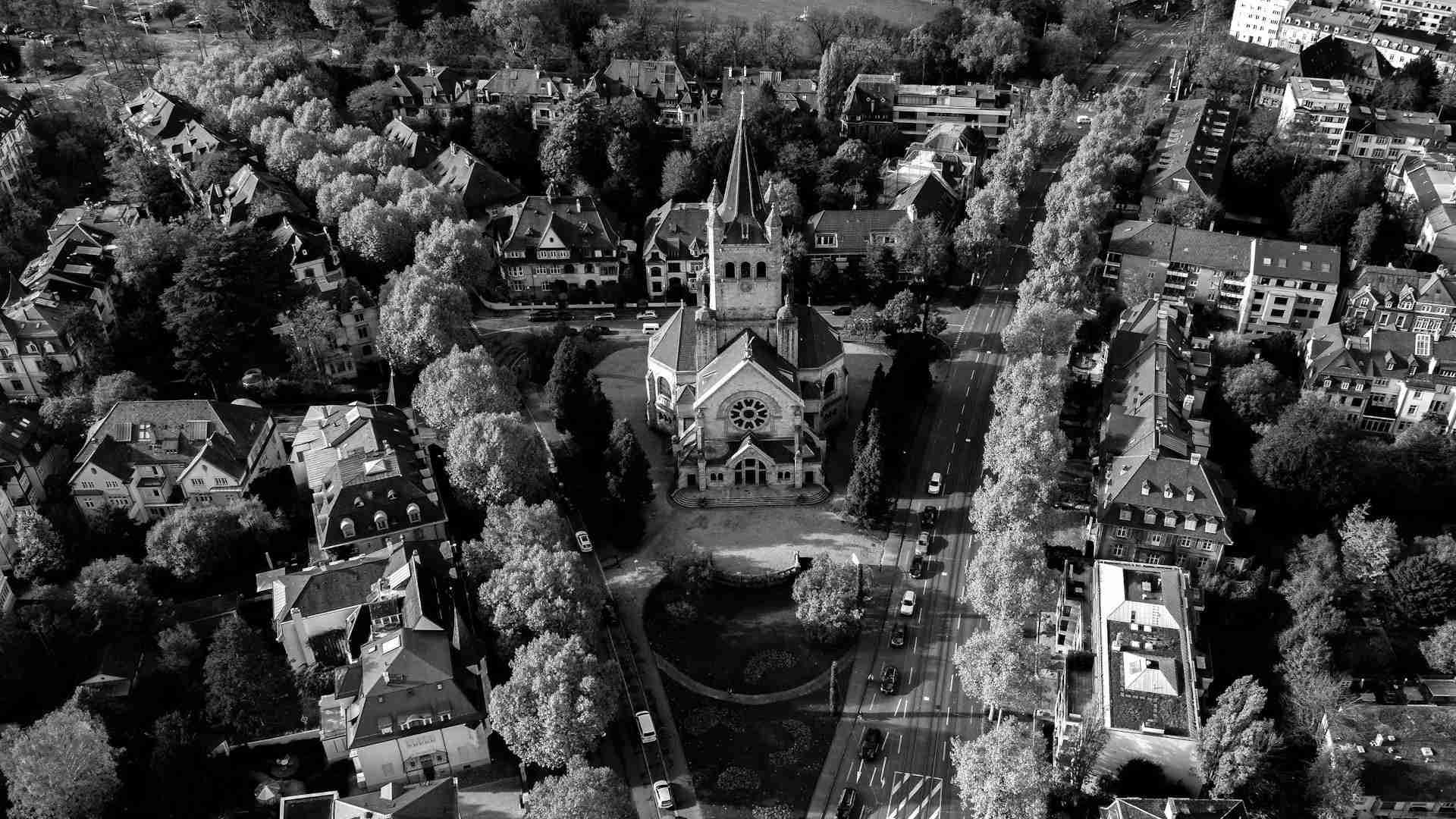
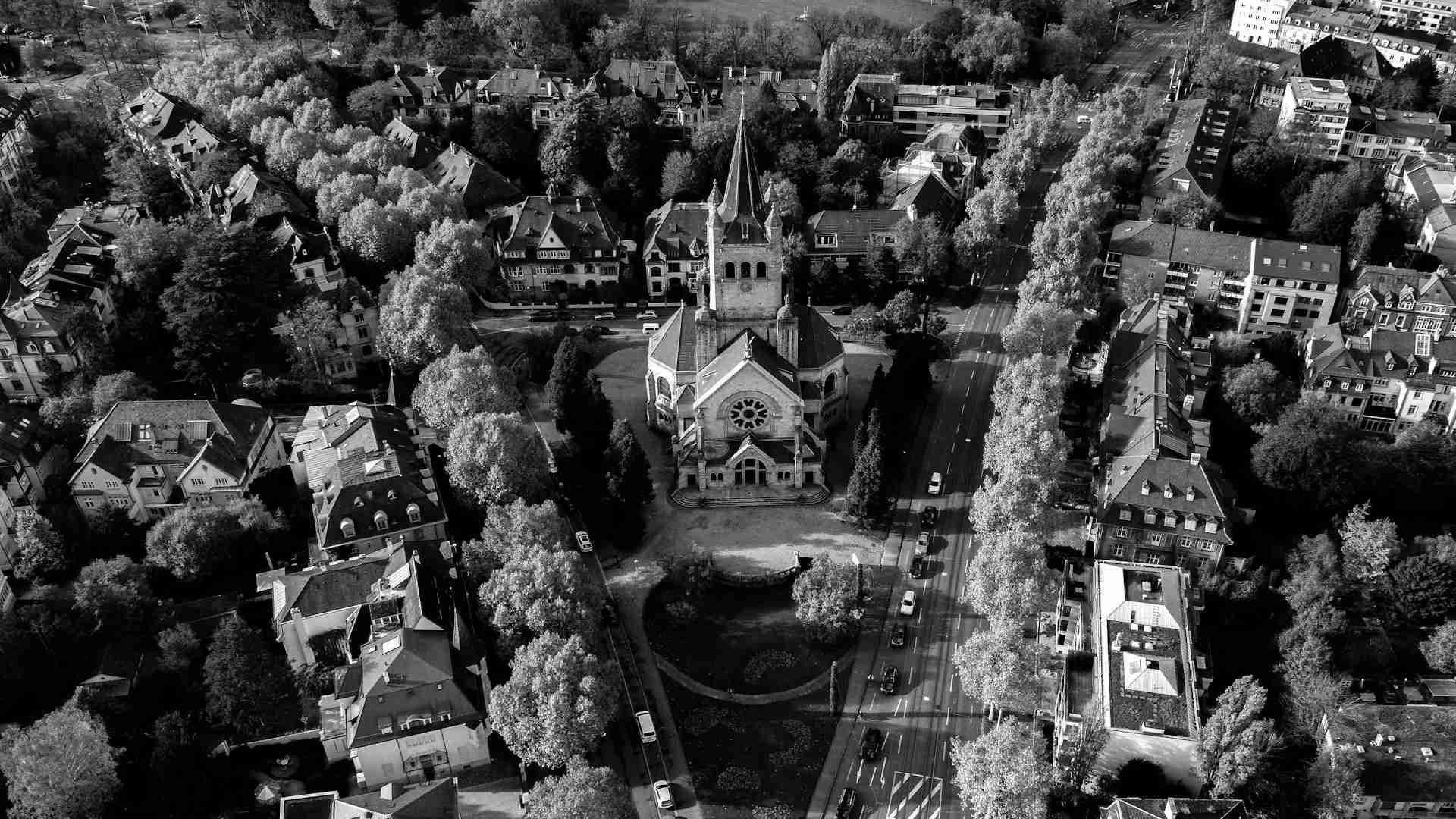
St. Paul's Church in Basel, now known as Kulturkirche Paulus, is a distinctive architectural and cultural landmark that offers photographers a unique blend of Romanesque Revival design and adaptive reuse. Built in the early 20th century and perched on a rise overlooking the city, its commanding bell tower, robust sandstone walls, and richly decorated interiors make it a compelling subject across genres. The church's transformation into a cultural venue has opened up new photographic possibilities, blending sacred space with performance lighting, community events, and modern installations. Whether you are capturing its solemn geometry in morning light or experimenting with color and contrast during a concert or evening event, Kulturkirche Paulus rewards close attention to detail, texture, and changing atmosphere.
Best Photography Opportunities
• Exterior Facade and Tower from Beneath
The church's red sandstone exterior is best photographed from the base of its terraced grounds, where you can emphasize its height and verticality. Early morning light from the east side adds warmth and reveals the texture of the stone blocks. A wide-angle lens helps frame the tower without distortion, while a mid-range zoom allows you to isolate architectural elements like the arched windows, buttresses, or carved reliefs. Late afternoon also works well for backlit silhouettes and shadow play along the southern face. Try stepping back across the street to incorporate surrounding foliage for contrast.
• Interior Nave with Decorative Ceiling
The main hall features a high vaulted ceiling adorned with decorative patterns and soft pastel hues that are rare among Protestant churches. Use a tripod with a wide-angle lens to capture the symmetry of the pews leading toward the chancel and apse. Light streams through tall windows along the sides, creating dynamic highlights and soft glows on the stone floor. Detail shots of the wooden beams or ceiling motifs also reward a close look with a fast prime lens. If the church is open for an event, colored lighting may enhance these elements even further.
• View from the Organ Loft
Accessible during guided visits or events, the organ loft offers a raised vantage point over the nave and sanctuary. This high perspective is excellent for showcasing the full geometry of the space, particularly if the church is lit during a concert or cultural event. Use a standard zoom lens to balance scale and intimacy in your framing. This is one of the few places where a vertical composition can fully capture both ceiling and floor lines in a single frame. Early evening is a strong time for this view, especially if the space is artificially lit.
• Detail Studies of Stone Carvings and Glass
Though modest compared to Gothic cathedrals, the church features stonework and stained glass that are worth isolating for detail shots. Look for corner columns, arch transitions, and capitals with carved floral or geometric designs. Stained glass windows display restrained but effective color palettes that glow softly in diffused light. A telephoto or macro lens will help frame tight, sharp compositions. Overcast conditions are ideal here, as they eliminate harsh shadows and allow colors to shine evenly.
• Event and Performance Photography
When functioning as a cultural venue, the church becomes a stage of light and motion. Concerts, readings, and art installations often use color washes or projection mapping across the stone surfaces. Low light performance settings benefit from a fast prime lens and a camera with strong high ISO performance. Aim to arrive early to scout angles with clean sightlines and minimal obstruction. Respectful shooting etiquette is essential, especially during live performances, so work discreetly from the sides or back.
Best Time to Visit
Kulturkirche Paulus can be photographed year-round, though light conditions and access vary by season and event schedule. For exterior shots, early morning and late afternoon provide the best light angles and shadow definition on the sandstone facade. Autumn's low sun and added warmth enhance the color of the stone and any remaining foliage nearby.
Interior photography is best done in spring or autumn when the sun's angle creates long, slanted light patterns through the high windows. Weekday mornings often provide quiet moments for unobstructed shooting. During cultural events, the church is beautifully illuminated but access may be limited to seated areas or restricted by audience size. Winter visits offer more somber, minimalist scenes with less ambient light but more mood and contrast.
Always check the church's calendar online or contact the venue directly to confirm hours and whether access is available on the day of your visit. Private events, rehearsals, and installations may limit photography access without notice.
How to Get There
Kulturkirche Paulus is located in Basel's Paulusquartier, a residential district situated just south of the city center. It is easily accessible via Basel's excellent public transport network. Take tram line 8 or 10 to Tellplatz or line 3 to Zwinglihaus, then walk a few minutes up toward Steinenring and the terraced church grounds.
For those arriving by car, street parking is available in the neighborhood but can be limited, particularly during large events. There is no entry fee to access the church grounds or attend public events unless specified. Access to the interior may vary depending on programming, and photography policies may differ during private functions.
Recommended Photography Gear
A wide-angle lens (16–35mm) is essential for both interior and exterior compositions. A standard zoom (24–70mm) offers flexibility for framing architectural details and capturing performances discreetly from mid-range. A telephoto lens (70–200mm) or macro is useful for isolating carved stone, stained glass, and ornamental features without needing to get physically close.
Tripods are useful for long exposures in the nave or organ loft, particularly in low light, but permission may be required. A fast prime lens (f/1.8 or faster) is highly recommended for handheld shooting during events or under dim natural light. A polarizer can help manage reflections on stone and glass surfaces but is less critical inside.
A discreet camera bag is advisable, especially when attending performances. Comfortable shoes are helpful if you plan to explore angles from the surrounding hills or walk to the church through the neighborhood. Batteries drain faster in cooler seasons and during low light sessions, so always bring extras.
Nearby Photography Locations
This red sandstone cathedral on the Rhine features twin towers, intricate Gothic elements, and views over the river. Ideal for golden hour cityscapes or detailed architectural studies.
• Tinguely Fountain and Theaterplatz
Located downtown, this kinetic fountain is a constantly shifting subject. Evening shots are particularly effective with motion blur and surrounding light reflections.
One of Basel's original city gates, this structure features medieval stonework, arched entries, and strong compositional lines. It is best photographed in soft evening light.
• Kunstmuseum Basel Exterior
Though best known for its interior collection, the museum's facade offers minimalist forms and shadow interplay, perfect for abstract and geometric compositions.
• Schützenmattpark
Just west of the church, this green space offers seasonal color, tree-lined paths, and contextual street photography of Basel's quieter corners.
Comments
Loading comments…