
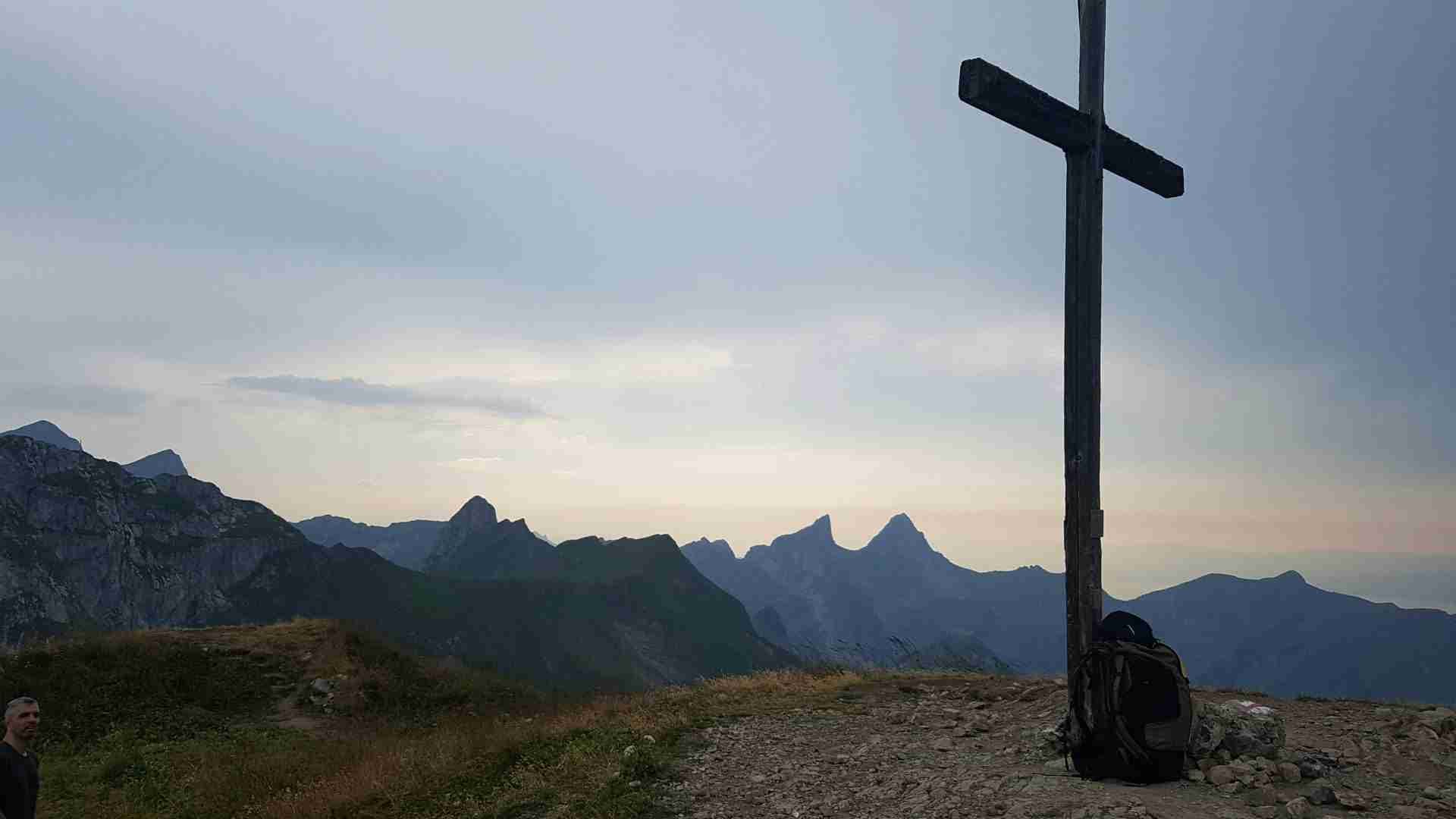
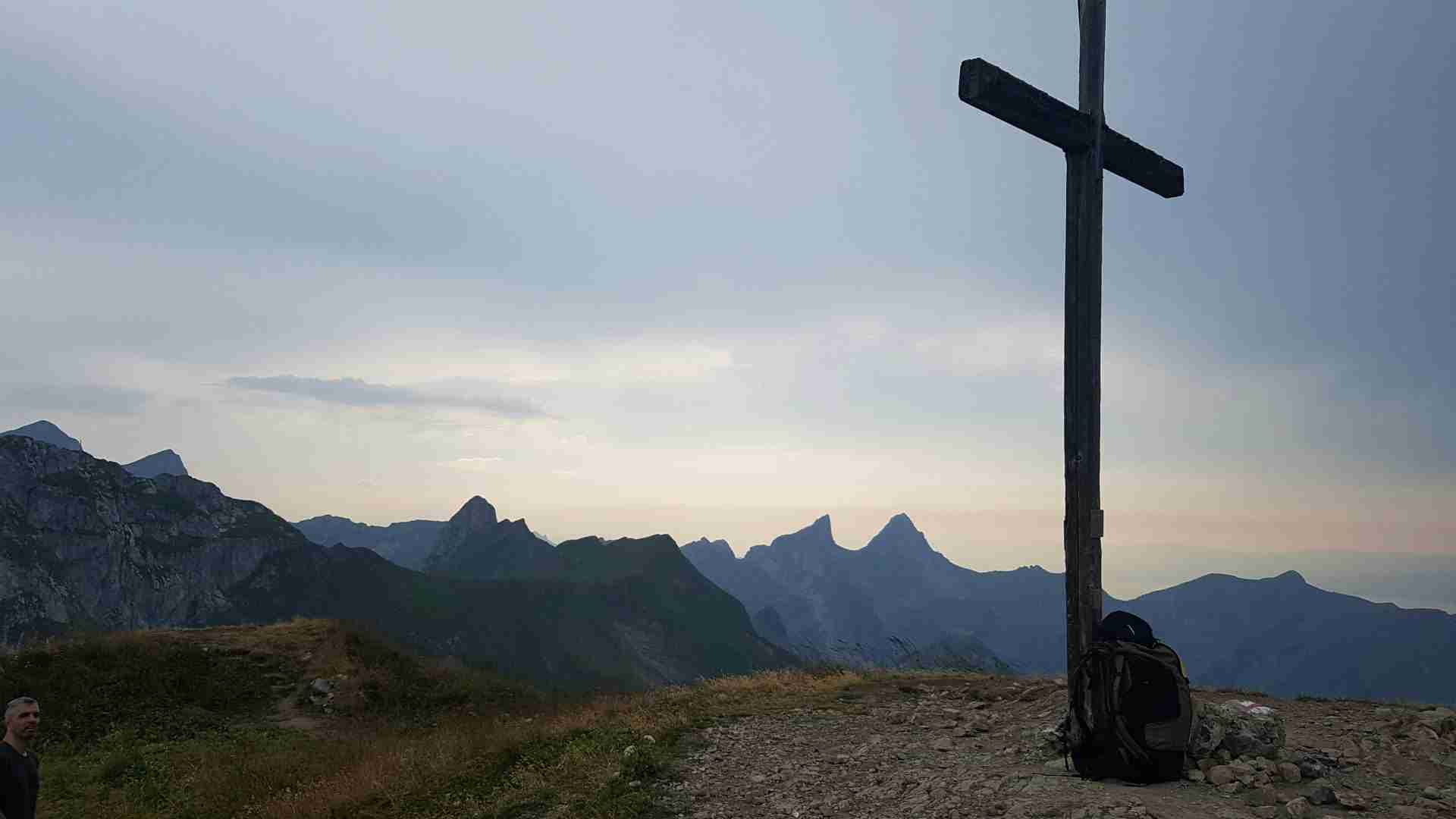
Le Grammont rises high above Lake Geneva in the Chablais Alps near Vouvry, Switzerland. This 2172m peak offers one of the most rewarding panoramic viewpoints in the region, combining alpine ridgelines, a dramatic lake overlook, and distant views toward Mont Blanc and the Jura. The trail to the summit winds through forests, alpine pastures, and past the calm waters of Lac de Taney, giving photographers several distinct environments to work with in a single day. The final ascent opens to full views over the Rhône Valley, with Lake Geneva far below and atmospheric layers of peaks stretching into France and Italy. For photographers interested in big landscape moments, natural light, and the physical experience of reaching a shot, Le Grammont offers a full day of material from base to summit.
Best Photography Opportunities
• Summit Panoramas and Wide Views
From the summit, the landscape opens in nearly every direction. To the north, Lake Geneva spreads below in a deep blue basin, while to the south and east, sharp alpine ridges and glacier covered peaks line the horizon. Ultra wide lenses allow you to capture the full scope of the scene, while a longer focal length can help layer the ridgelines into more compressed, painterly compositions. Golden hour is especially good at the summit, as the low sun casts deep shadows and side light across the valleys. Weather shifts quickly here, so even partial clouds or distant haze can bring atmosphere to wide shots without the need for full sun.
• Lac de Taney and Midpoint Landscapes
Roughly halfway up the trail is Lac de Taney, a small mountain lake set in a basin surrounded by steep slopes and conifers. This location is great for landscape work, offering reflections in still water during early morning and warm highlights in the surrounding rock and forest during late afternoon. A standard zoom lets you include both water and sky, or you can move in close to work with shoreline textures and light on the surface. After a rain, the light here often turns soft and hazy, giving the lake a quiet feel that translates well in both color and black and white.
• Forest Trails
The trail starts in mixed alpine forest, which is perfect for capturing smaller compositions with tree trunks, moss covered rocks, and light cutting through the canopy. This section is especially good in the early morning when the sun filters through at a low angle. A short telephoto or macro lens works well for isolating natural textures or focusing on elements like tree bark, ferns, or mushrooms after rain. The forest also provides opportunities to shoot through foliage toward more distant peaks, letting you frame wider mountain scenes from shaded areas.
• High Ridge Textures and Sky Lines
As you climb above the treeline, the terrain shifts to rock from grass covered slopes. These areas lend themselves to foreground texture work and lead in lines for broader landscape frames. You can use wide angles to exaggerate the slope or tighter compositions to study how shadows stretch across the terrain. The change in ground color from green to gray creates a clean separation for layering scenes. These ridge sections are also useful for scale shots that show hikers crossing open terrain with vast sky behind them.
• Wildlife and Alpine Atmosphere
Ibex, chamois, and marmots are occasionally seen along the trail or near the summit, especially during early morning or evening hours. While not guaranteed, spotting them adds a dynamic layer to your landscape shoot. A telephoto lens of 200 millimeters or longer helps isolate animals in their environment without needing to get too close. Even when wildlife is absent, the stillness and scale of the area lend themselves well to more minimalist compositions that emphasize light, slope, and sky.
Best Time to Visit
The trail to Le Grammont is most accessible from late May through early October. Spring brings running water, green slopes, and fresh growth in the lower forest. Summer offers clear paths, warm light, and long shooting windows. Early autumn adds golden tones to the grasslands and often brings clearer skies with less haze, making it one of the best times for shooting panoramic views across the Rhône Valley and beyond.
Sunrise and sunset are ideal at the summit, where the directional light casts soft color and gives form to distant ridges. Midday is less useful at higher elevations due to flattened light, but works well at Lac de Taney if you're shooting reflection work or textures. Overcast and foggy days are also worth photographing, especially in the forest and along the upper slopes where diffused light adds atmosphere and depth.
How to Get There
The most common starting point for Le Grammont is near the village of Vouvry. From Vouvry, drive or take a seasonal bus up to Le Flon, a small area near Miex, where you will find parking and a well-marked trailhead. From here, the hike climbs steadily past Lac de Taney and then continues toward the summit of Le Grammont. The trail is well maintained and marked, but the climb includes steep sections, loose stone, and exposed ridgelines near the top. It is considered a moderate to challenging hike, depending on conditions and experience.
There are no fees to access the trail, and no permits are needed for personal photography. During summer, Lac de Taney has a few places to stay or rest, including a small restaurant. If you plan to hike before sunrise or stay out past sunset, be prepared for changing conditions and make sure your route is planned in advance. A trail map or GPS device is recommended for less experienced hikers.
Recommended Photography Gear
A wide zoom lens such as a 16 to 35 millimeter is useful for capturing summit views, open landscapes, and ridgelines. A standard zoom like a 24 to 70 millimeter gives you flexibility from lake level to high slopes, and is especially helpful at Lac de Taney. A longer telephoto, ideally 200 millimeters or more, is worth packing if you hope to photograph wildlife or compress layers of ridges and valleys from a distance.
A lightweight tripod is recommended for shooting at dawn, dusk, or during low light conditions, particularly at the summit or lake. A polarizer is helpful for cutting glare off the water at Lac de Taney and deepening sky contrast when shooting mid-day scenes. Weather can change quickly at altitude, so pack a lens cloth, rain cover, and an extra layer of clothing. Good hiking shoes and a solid backpack are essential for managing your gear across the terrain.
Nearby Photography Locations
Even if you don't continue to the summit, this lake is a complete photo destination on its own. Reflections, small boats, and forested surroundings make it one of the most versatile alpine lakes in Valais. It works well in any light, from golden hour to overcast.
Across the ridge to the east, this slightly higher peak offers a more rugged alpine experience with even sharper ridgelines and tighter climbs. The views from the summit are dramatic, and the trail leading up offers plenty of stop points for composing long shots of the Chablais.
• Aigle and Its Vineyards
Down in the valley, the small town of Aigle is surrounded by terraced vineyards and historic castles. It provides a strong contrast to the mountain environment and is ideal for slower-paced compositions and documentary-style urban work.
Visible in the distance from Le Grammont, this mountain group can also be visited directly by driving or hiking from nearby villages like Champéry. The spiked profiles and sheer faces of the Dents du Midi are striking in both early and late light.
• Lake Geneva Shoreline near Saint-Gingolph
Just below the mountain, this lakeside town lets you shift your angle and photograph Le Grammont from below, looking back up toward its summit. Reflections across the lake, particularly in the morning, offer a way to reverse your perspective and round out the shoot.
Le Grammont is the kind of place that delivers on every level for landscape photographers who are willing to put in the effort. From dense forest and still alpine lakes to massive open views and fast changing mountain weather, it is a location that encourages you to slow down, explore your environment, and work with the light as it changes throughout the day. Whether you are chasing sunrise from the summit or layering ridgelines into an afternoon composition, this is a destination where every step brings a new scene worth shooting.
Comments
Loading comments…