
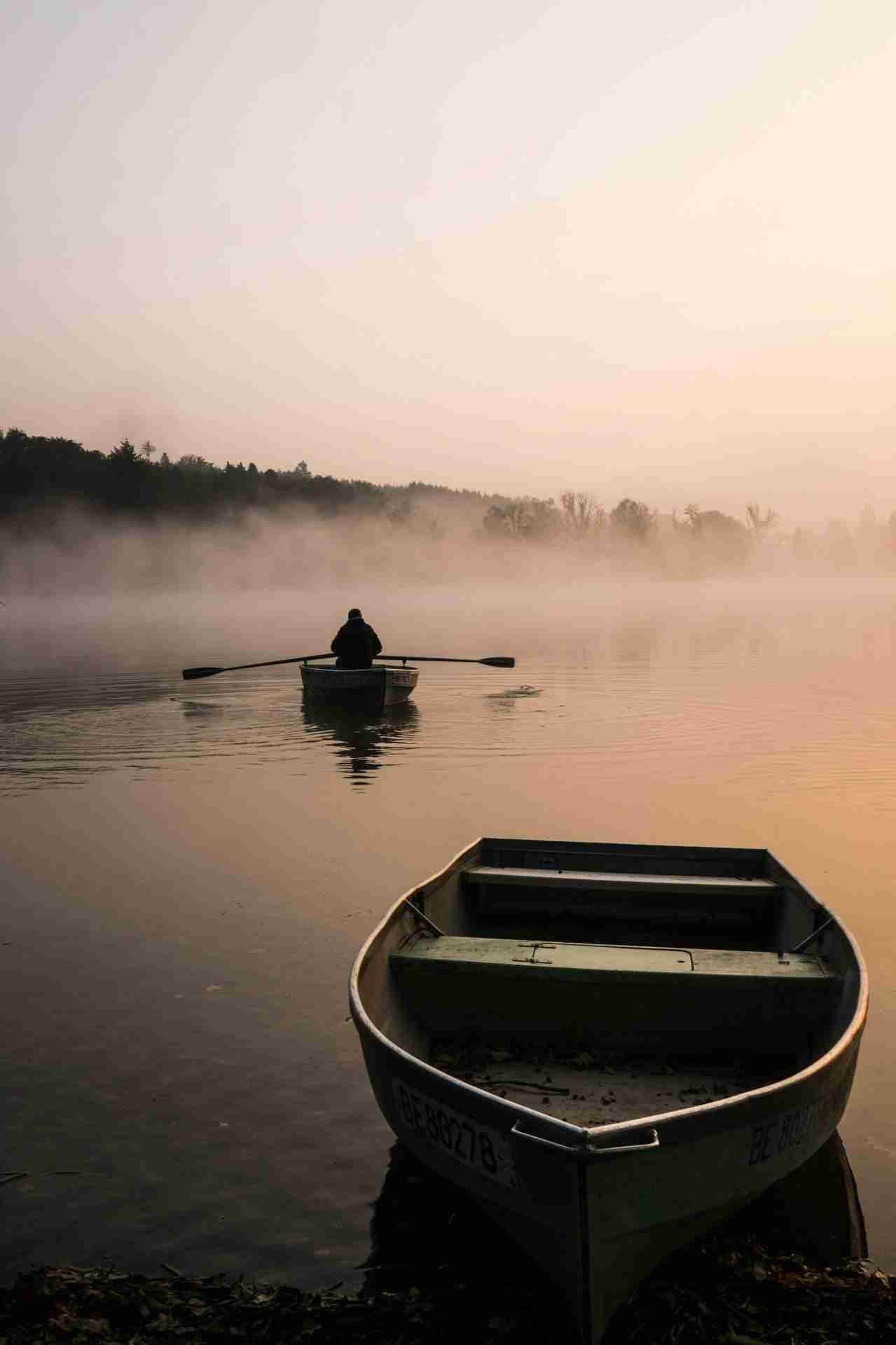
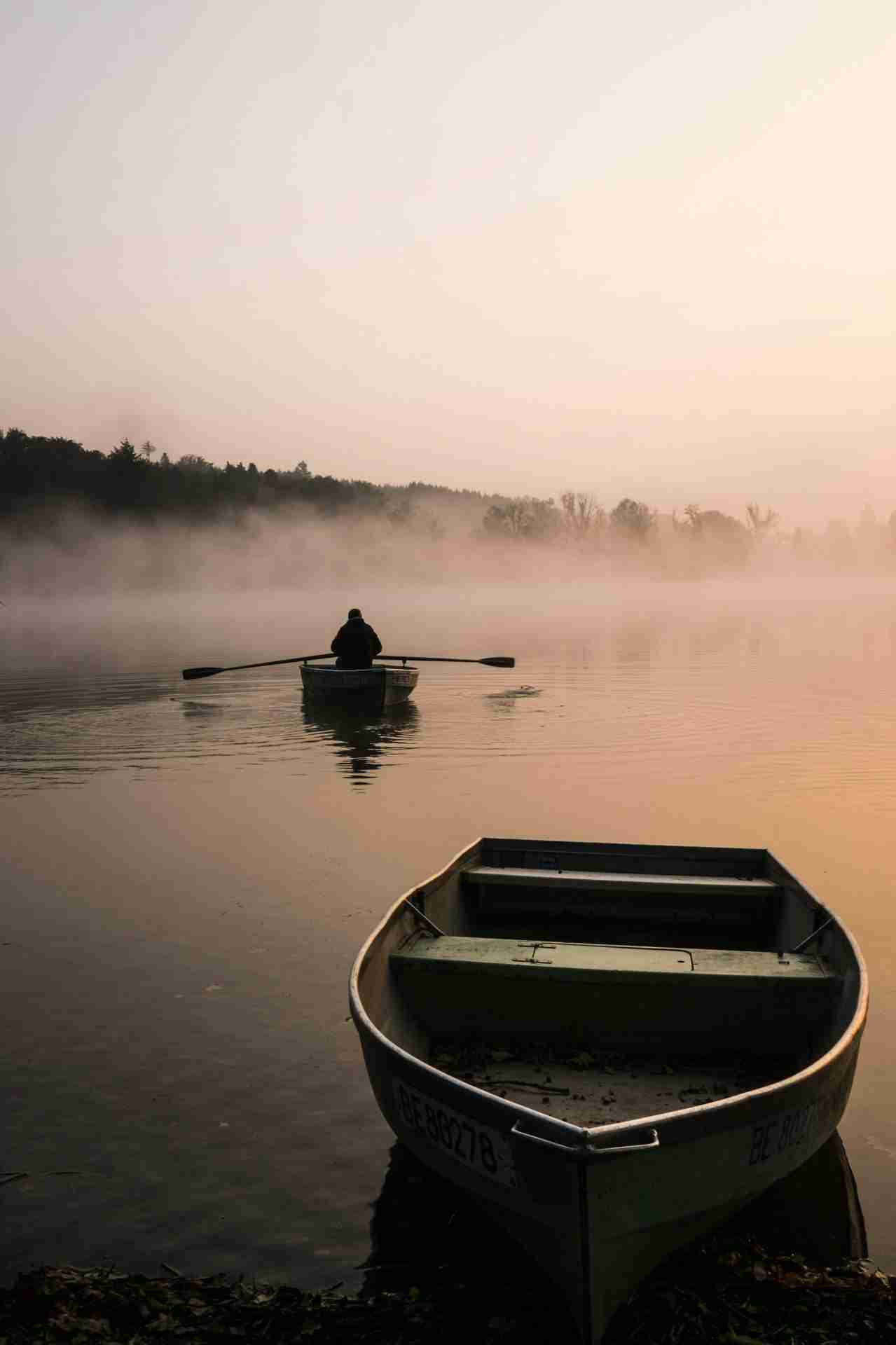
Just north of Bern, tucked among Switzerland's gentle farmland and rolling hills, lies Moossee. It is a small but striking lake that offers surprising depth for photographers interested in quiet landscapes, delicate reflections, and shifting seasonal color. Surrounded by reed beds, farmland, and walking trails, Moossee is not dramatic or vast in scale. Its appeal lies in subtleties: still water, soft transitions of light, and the reflective balance between land and sky. Early morning fog often lingers above the surface, softening the horizon and giving the lake a painterly quality. On calm days, the surface becomes a near-perfect mirror, reflecting not only trees and shoreline but also passing birds and subtle changes in the sky. For photographers looking to slow down and focus on light, tone, and shape, Moossee offers a peaceful and versatile canvas.
Best Photography Opportunities
• Mirror-Like Reflections at Sunrise
The lake's most striking feature is its ability to reflect the surrounding landscape in perfect clarity during still conditions. The best time for this is just after sunrise, when the air is cool, the wind is minimal, and the lake surface is undisturbed. Use a wide or standard lens and position yourself low to the water's edge to emphasize the horizontal symmetry. Trees, distant farmhouses, and reeds often form crisp, abstract lines across the water. A polarizing filter can help manage glare but should be used carefully to avoid disrupting the reflection.
• Fog and Early Morning Layers
In spring and autumn, morning fog is common and transforms Moossee into a dreamlike setting with delicate layering of shapes and light. Shooting from slightly elevated trails allows you to capture the fog hovering over the water and filtering through tree branches. A telephoto lens works well here to isolate small elements like lone trees or reed beds partially obscured by mist. These scenes often benefit from minimalist framing and subtle color grading. Plan to arrive before sunrise and be ready to adjust quickly as the fog shifts and dissolves.
• Bird Photography Along the Shoreline
Moossee is a popular stopover for migratory birds and home to swans, ducks, and other waterfowl year-round. A long lens, ideally 300mm or longer, is essential for capturing detail without disturbing the animals. Early morning and late afternoon offer the best light and the highest activity levels. The reeds and tree-lined edges provide natural frames that help anchor compositions. For more dynamic shots, use a faster shutter speed to freeze movement as birds lift off from the water.
• Reed Bed Textures and Abstracts
The thick patches of reeds around the northern and western shores of the lake create excellent opportunities for abstract photography. Use a telephoto or macro lens to isolate patterns in the dry grasses, particularly in winter and late summer when the golden tones become more pronounced. Backlight during early morning or late afternoon brings out fine detail and texture. Overcast days work well here too, as they reduce harsh contrast and allow for more tonal control.
• Golden Hour Landscapes from the Southern Trail
The southern side of the lake offers a walking trail with several open views across the water toward farmland and forest. During golden hour, especially in late summer and autumn, the sun sets behind this scene, bathing it in warm light and casting long reflections across the lake. A 24 to 70mm lens works well here, allowing you to alternate between wider landscape views and tighter shots of silhouetted trees or birds flying across the sunlit surface. This is also a good location for layered compositions with strong horizontal lines broken by vertical trees and dock structures.
Best Time to Visit
Moossee's visual character changes throughout the year, making it worth visiting in every season depending on your goals. Spring is especially photogenic, with new green growth around the shoreline and regular early morning fog that drapes the lake in soft, layered light. This season is also productive for bird photography and often includes dramatic post-storm skies.
Summer brings more stable weather and longer shooting windows. Early mornings are still your best opportunity for calm reflections and clean light. Midday often produces flat or hazy scenes, and trails near the southern shore can become busier. Stick to sunrise and golden hour sessions for the best color, clarity, and solitude.
Autumn is the standout season for color. The trees surrounding the lake shift into deep yellows and oranges, and calm conditions allow you to photograph their reflections in full detail. Fog is common after cold nights, especially in the early morning hours, and it helps create soft backgrounds with layers of warmth and cool tones. The low sun angle at this time of year also extends the golden hour and adds depth to side-lit compositions.
Winter offers a more minimal and graphic palette. While the lake rarely freezes completely, you may find frost or light snow along the trails and reeds. These conditions are excellent for black and white work, with strong contrast between the vegetation and the reflective surface. Light stays low throughout the day, allowing for longer sessions without harsh overhead exposure. Wind speeds often increase in winter, so plan carefully if you are aiming for mirror reflections or fog scenes.
How to Get There
Moossee is located approximately ten kilometers north of Bern and is easy to reach by public transport or car. From Bern, take a local train to Zollikofen or Münchenbuchsee, then transfer to a bus that stops near Moosseedorf. Two of the closest access points are "Moosseedorf Moosstrasse" and "Moosseedorf Kirche," both of which connect to the walking paths around the lake.
If driving, parking is available near the southern end of the lake, especially around the small marina and picnic area. These parking areas offer fast access to the trails and good shooting locations without requiring a long walk. There are no fees for access, and no photography permits are required. Some shoreline zones are designated as wildlife protection areas. These are clearly marked, and it is important to stay on paths and avoid disturbing habitats, especially during nesting season.
Drone use is restricted due to local regulations and the lake's proximity to protected bird habitats and Bern's airspace. Always check current guidelines before flying.
Recommended Photography Gear
Photographing Moossee calls for a lightweight but flexible setup that can handle low light, distant subjects, and delicate textures. A full-frame camera body with strong dynamic range and good low-light performance will help you make the most of fog, sunrise, and high-contrast reflection scenes. A 24 to 70mm lens will cover most of your needs, from wide open vistas to tighter shoreline details.
A wide-angle lens, such as a 16 to 35mm, is especially useful for capturing large reflections, sunrise gradients, and layered foreground elements like reeds or shoreline rocks. For wildlife or more intimate landscapes, a 70 to 200mm or longer telephoto lens gives you reach and allows for frame compression, particularly helpful when isolating subjects across the lake or through fog.
Bring a tripod for early morning and long exposure work. Choose a stable model with independently adjustable legs for uneven ground near the water's edge. A 6-stop or 10-stop neutral density filter is useful for smoothing water and creating minimal, painterly compositions. A circular polarizer can help reduce glare and deepen sky tones, but use it with care to preserve reflection detail.
Also pack a lens cloth, air blower, and waterproof cover, especially in winter or foggy conditions when condensation is common. A headlamp is helpful if you arrive before sunrise, and extra batteries are essential during cold mornings when power drains faster. Footwear should be waterproof and comfortable for light trail walking. Most of the lake is accessible without needing to hike far, so you can carry a full kit without difficulty.
Nearby Photography Locations
Located west of Moossee, Wohlensee offers a larger body of water with forested hills and small inlets. It is a great spot for panoramic landscapes, long exposures, and moody atmosphere, especially during stormy or foggy weather. The varied terrain around the lake makes it ideal for different compositions.
This elevated viewpoint southeast of Moossee provides sweeping views of Bern, the surrounding countryside, and the distant Alps on clear days. It is especially good for wide-angle landscapes during sunrise or sunset, with the lake region visible in the distance under layered skies.
• Old Town Bern and the Aare River
Just a short drive or train ride south, Bern offers elegant medieval architecture, arcaded streets, and the distinctive curve of the Aare River. It is a great urban contrast to the quiet of Moossee and ideal for sunset cityscapes or night photography.
• Lobsigensee
A small lake to the northeast, Lobsigensee is even quieter than Moossee and surrounded by farmland and open meadows. Its still surface reflects sky and trees with beautiful clarity, especially in early spring. It is a great alternative if you want to avoid crowds or explore new compositions.
For macro photographers or rainy-day sessions, this butterfly house and tropical conservatory offers excellent conditions for close-up photography. It is just 30 minutes away and provides controlled light, color, and subject matter when the weather around Moossee is less cooperative.
Moossee may be modest in scale, but it offers a rare mix of clarity, stillness, and expressive light. With the right timing and a well-chosen kit, this quiet lake becomes a space for reflection both literal and creative. It is a place where careful observation and patience turn even the simplest scene into a frame worth keeping.
Comments
Loading comments…