
Alpine Serenity: A Photographer's Guide to Obersee, Näfels, Switzerland
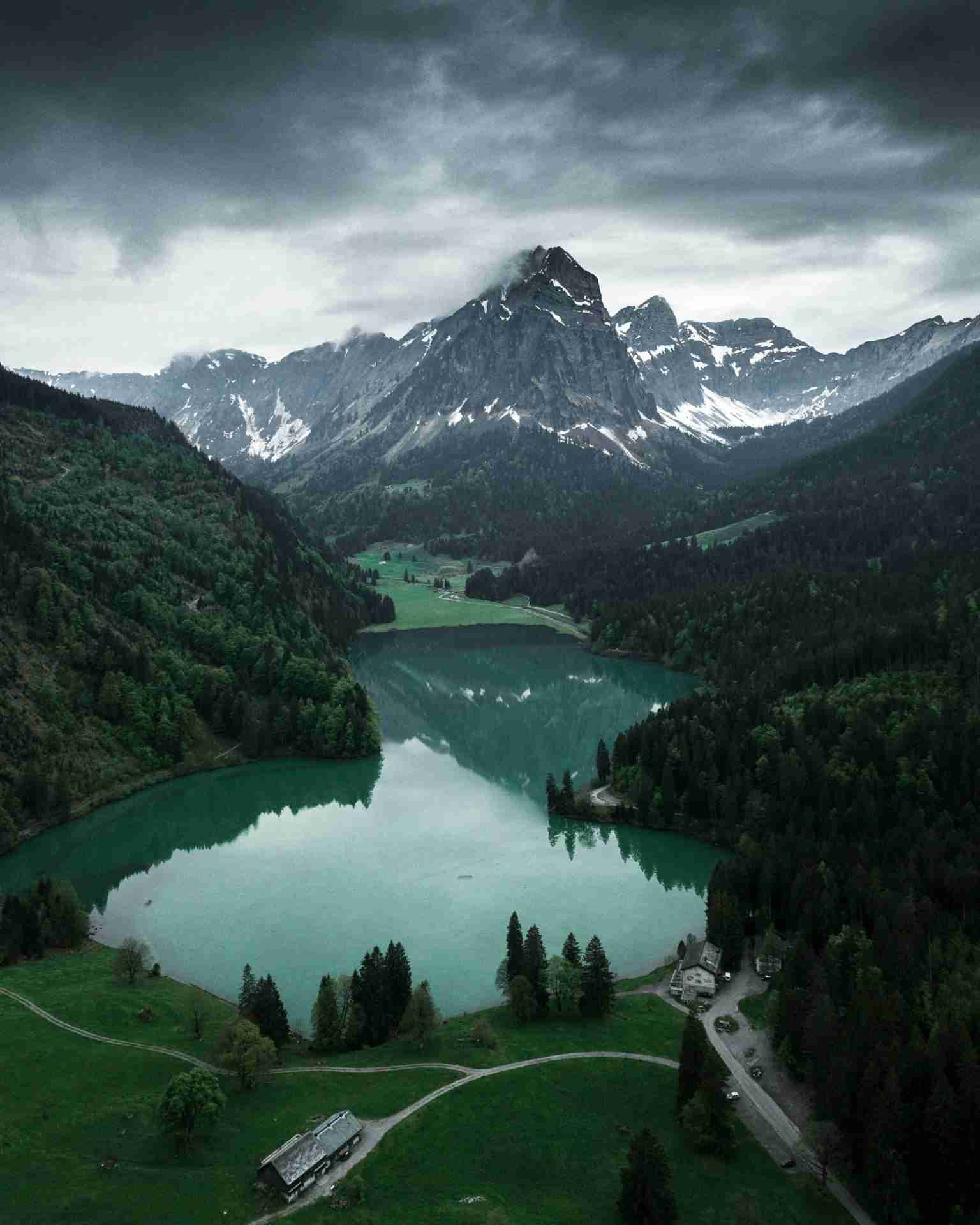
Tucked into the alpine folds above Näfels, Obersee is one of Switzerland's most enchanting mountain lakes. Set against a backdrop of forested slopes, craggy peaks, and pastoral meadows, the lake's still surface reflects its dramatic surroundings with glass-like clarity. Obersee provides a range of photographic subjects throughout the year, from serene sunrise reflections to the swirling mountain mists that drift in after summer storms. Whether you are a landscape enthusiast looking for expansive vistas or a detail-oriented photographer chasing alpine textures, this hidden gem rewards those who embrace its quiet grandeur and subtle moods.
Best Photography Opportunities
• Early Morning Reflection Panoramas
The best time to capture Obersee's famed mirror reflections is in the early morning before the wind disturbs the surface. At dawn, the lake becomes an alpine looking glass, perfectly reflecting the ridgelines and treetops that surround it. The low angle of sunlight creates soft gradients in the sky and subtle tonal shifts across the mountain slopes. Using a wide-angle lens on a sturdy tripod, you can frame symmetrical compositions that evoke stillness and clarity. The shoreline near the parking area is easily accessible and ideal for these scenes. As light increases, watch how golden tones kiss the peaks while cool blues linger in shadowed corners of the forest.
• Forest and Rock Foreground Studies
Around Obersee, the lake's edge is lined with moss-covered stones, fallen branches, and patches of alpine wildflowers. These features offer excellent foreground elements to anchor wide compositions or serve as standalone subjects in close-up studies. During the late morning, angled light cuts through the trees, creating dappled patterns across the ground. Use a standard zoom or a macro lens to isolate interesting shapes and textures. Reflections of trees and clouds can form abstract patterns in shallow water. Kneel low to the ground for a fresh perspective, and consider using focus stacking for maximum depth in detailed compositions.
• Alpine Wildflowers and Seasonal Textures
From late spring through early summer, Obersee's shores come alive with color. Pinks, purples, and yellows emerge from grass tufts and rock crevices, providing contrast to the deeper greens and blues of the lake. These scenes are best captured with a macro lens or a short telephoto to flatten perspective and isolate bloom groupings. In autumn, fallen leaves and frost-kissed ground textures replace floral subjects. Photographing during overcast weather reduces glare and balances contrast, allowing subtle variations in petal texture or leaf color to stand out. Use a shallow depth of field to draw attention to individual elements while preserving a sense of place.
• Golden Hour Mountain Glow
As the sun begins to set behind the surrounding peaks, Obersee transitions into a palette of warm tones and deep shadows. The golden hour casts a fiery glow on the ridges, while the lake absorbs these colors and mirrors them back toward the viewer. Position yourself on the eastern side of the lake to shoot westward and capture the interplay between fading light and rising shadow. This is the moment for long exposures that smooth the lake's surface and enhance the richness of color. Use a polarizing filter to reduce unwanted reflections and intensify saturation. Frame compositions to include framing elements like leaning trees or shoreline rocks that guide the eye through the image.
• Mist, Clouds, and Moody Weather
Obersee's mood shifts dramatically during and after rain. Layers of mist rise from the water and cling to the hillsides, adding depth and mystery to compositions. When conditions are overcast or actively stormy, black and white conversions can enhance tonal range and emphasize atmosphere. Use a telephoto lens to compress ridges and clouds or to isolate dramatic interactions between mountain and mist. For a haunting effect, find lone trees or cabins shrouded in fog to use as focal points. Keep gear protected with waterproof covers, and be prepared to wait for brief windows of light breaking through the clouds. These unpredictable conditions often yield the most expressive images.
Best Time to Visit
Obersee is photographically rewarding throughout the year, with each season offering its own distinct palette and lighting conditions. In spring, snowmelt feeds the lake and creates small cascades along the trails. New greenery emerges on the hillsides, and alpine flowers begin to bloom. Early summer provides long days and vibrant reflections, while the chance of morning mist is high. By autumn, the landscape transforms with golden larch trees and crisp air that sharpens visibility. Winter, though colder and sometimes snowbound, offers opportunities for snow-laden scenes and icy shoreline textures.
Time of day has a significant impact. Sunrise brings calm reflections and pastel skies. Midday can be harsh, but with the right filters and thoughtful compositions, the light reveals strong contrast and clarity. Sunset is ideal for warm, directional light that sculpts the landscape. Blue hour introduces a soft, even glow across water and sky, perfect for longer exposures. Overcast days reduce shadow contrast and are excellent for photographing close-up textures and details.
How to Get There
To reach Obersee, start in Näfels, located in the canton of Glarus. From the town, take the mountain road signposted toward Obersee. The drive climbs steadily through forested switchbacks and offers occasional views of the valley below. The road is paved and suitable for most vehicles during the warmer months, though caution is needed during or after rain. In winter or early spring, check for closures or snow-related restrictions.
There is a parking area near the lake with space for cars and small vans. From the lot, a well-marked trail leads directly to the lake's edge within five to ten minutes on foot. The area is open year-round and free to access. Facilities are limited, but there is a seasonal mountain inn nearby offering refreshments during peak months. Cell service can be weak, so downloading offline maps and weather updates in advance is advisable. Bring sturdy footwear, especially if you plan to explore beyond the lakeshore, and pack layers as mountain conditions can change quickly.
Recommended Gear for Alpine Lakes
A wide-angle lens is your primary tool at Obersee, especially for capturing full reflection scenes and expansive mountain compositions. Pair it with a mid-range zoom lens to give yourself flexibility in framing tighter shots of the lake's edge or the patterns in the forest. A telephoto lens is useful for compressing layers in the landscape, isolating ridgelines, or photographing wildlife such as birds or grazing alpine animals.
A tripod is essential for low-light conditions and long exposures. Circular polarizing filters help manage water glare and deepen color in both sky and foliage. A set of neutral density filters from three to ten stops allows for creative motion blur, particularly when capturing cloud movement or smooth water during daylight hours. A macro lens adds versatility for detail-oriented shots of flowers, leaves, or frost. Always carry extra batteries and memory cards, and keep your gear in a weatherproof backpack with rain protection. Lens cloths and an air blower help manage moisture and debris, especially near water or after rain.
Nearby Photography Locations
• Märchensee near Elm
A smaller, fairy-tale-like alpine lake surrounded by dense forest and steep ridges. It is best visited in the morning for soft light filtering through trees. Its darker waters provide a moody counterpoint to Obersee's clarity.
• Bädstöckli Ridge Viewpoint
From Obersee, hiking trails lead up toward Bädstöckli, a rocky ridge with sweeping views across the Glarus Alps. Sunset from this location offers dynamic light on layered mountain ranges and the lake below.
Located in the canton of Graubünden, this high-altitude reservoir is surrounded by dramatic peaks and glacial runoff. The turquoise waters reflect sky and rock with stunning clarity. Use long exposures at sunrise to enhance its calm surface.
Situated near Flims, this wide, open plain is framed by the UNESCO-listed Glarus thrust fault. It is excellent for panoramic landscapes and geological photography. Fog and early morning light add scale and depth.
A scenic mountain road that opens during the warmer months. At the summit, panoramic views span valleys and ridgelines. Capture long exposures of shifting clouds or alpine flora growing in high meadows.
Comments
Loading comments…