
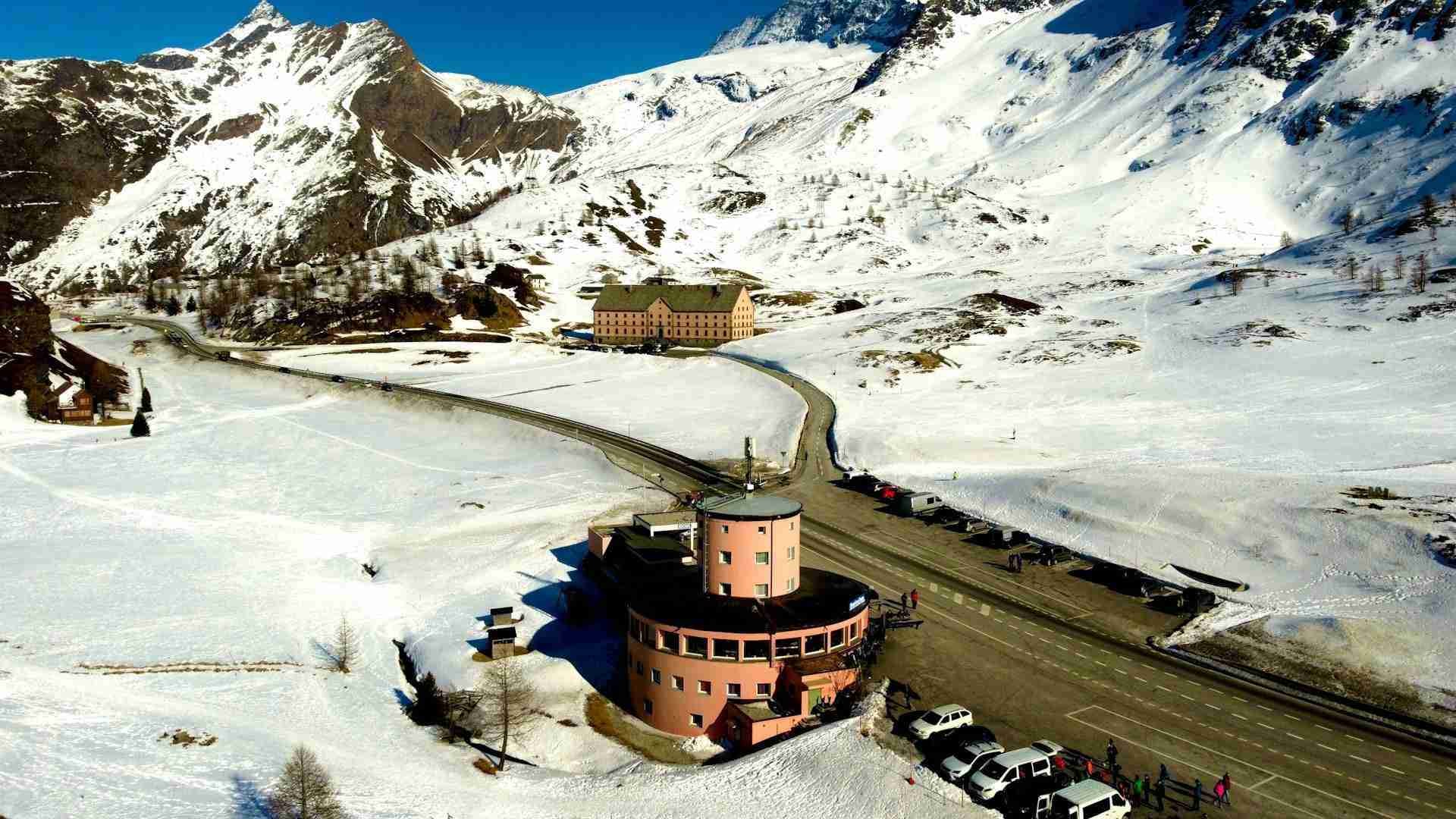
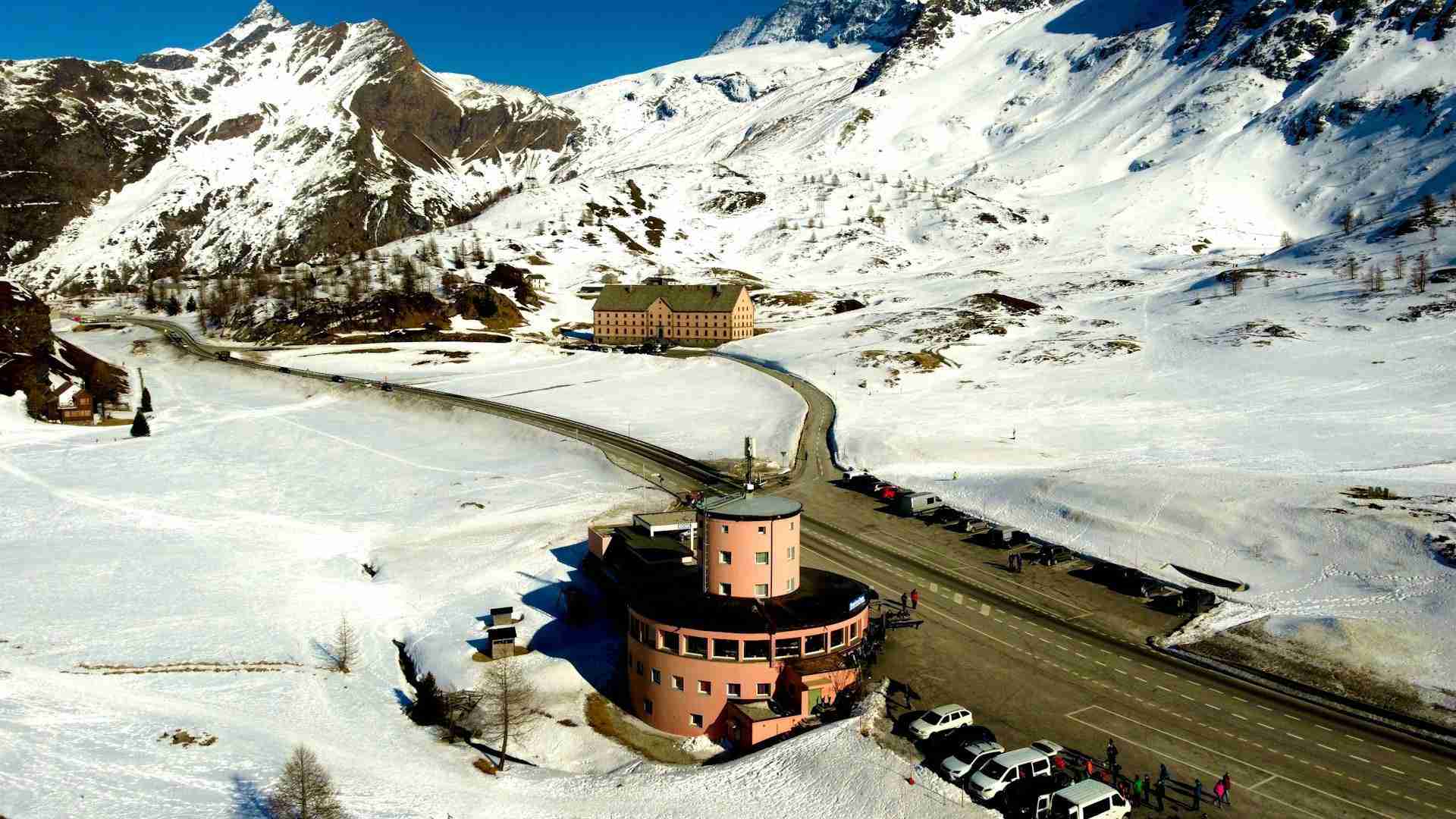
Stretching across the high reaches of the Pennine Alps, the Simplon Pass links the Rhône Valley in Brig, Switzerland, to Domodossola in Italy. More than a mere alpine crossing, this historic route is a corridor of weathered stone, glacial light, and cultural significance. At its heart lies the Simplon Hospiz, a grand 17th-century hospice built under the direction of Napoleon and still operated today by the Canons of Saint Augustine. Surrounded by wild alpine meadows, snow-dusted ridges, and long curving roads, the Simplon Pass is a place where light travels quickly and shadows stretch for miles. For landscape photographers, it's a region that rewards those who seek out atmosphere, texture, and timeless mountain narratives.
Best Photography Opportunities
• Simplon Hospiz Framed by Alpine Peaks
: The hospice, built of thick mountain stone and symmetrical in design, stands like a sentinel on the high plateau of the pass. Framing it from the northeast with the peaks of the Pennine Alps rising behind provides a classic mountain-lodge composition. In early morning, the first light strikes the hospice's façade and illuminates the mountain ridges, creating layered contrast between warm stone and cool alpine hues. A wide-angle lens allows you to integrate alpine flora in the foreground—especially effective in summer with wildflowers in bloom—or use snowfall in winter to isolate the structure. From this angle, the hospice becomes a centerpiece of scale, strength, and solitude.
• Winding Pass Road from Elevated Vantage
: One of the most dynamic visual features of the Simplon Pass is the way the road curves through the alpine landscape. From vantage points above the road—especially on the north-facing slope just before the pass crest—you can photograph the road's elegant switchbacks as they weave across the terrain. A telephoto lens compresses these curves into flowing S-shapes, while a wide-angle lens captures more of the valley's vertical rise. These leading lines can guide the viewer's eye through layers of forest, rock, and snow. This shot is most effective during late afternoon, when shadows begin to elongate across the road surface and accentuate the terrain's relief.
• Storm Light and Atmospheric Transitions
: The Simplon Pass frequently experiences fast-moving weather, making it ideal for capturing moody alpine light. When sunlight breaks through heavy cloud cover or fog rolls across the ridges, the resulting conditions can yield dramatic, cinematic scenes. From the hospice area or nearby pull-offs, position yourself to capture beams of light illuminating isolated patches of land or structures while the rest remains in shadow. This chiaroscuro effect adds drama and mystery. Use a wide dynamic range in-camera or bracket exposures to handle these extreme contrasts. A polarizer enhances midtone contrast in clouds and helps bring out subtle gradients in sky and mist.
• Architectural Details of the Hospiz and Surrounding Walls
: Up close, the Simplon Hospiz reveals textures and design elements perfect for detail-driven compositions. Focus on arched doorways, timeworn stone walls, and wrought-iron cross motifs. Low, raking light—especially during sunrise or golden hour—reveals the relief in the stonework, while overcast skies minimize glare and allow the texture to take center stage. A 50mm or 85mm prime lens is ideal for these shots, capturing clean, minimal compositions. Consider isolating specific architectural elements against the distant peaks or sky, using shallow depth of field for visual separation.
• Golden Hour Landscapes with Layers of Terrain
: During the final hour before sunset, the entire pass transforms as long shadows and golden light sculpt the terrain. Photographing from a hillside above the hospice, you can frame the stone building against sunlit grasslands, forests, and distant mountains fading into haze. These layers create visual rhythm and depth in the frame, especially when composed with diagonal slopes or fence lines. A telephoto lens (70–200mm) works well for compressing these planes into elegant abstract compositions. In summer, the sun lingers long, allowing you to shoot multiple lighting angles; in winter, the sun's low arc offers extended golden light with colder tonal palettes.
Best Time to Visit
Photographers will find the Simplon Pass rewarding in every season, but spring through autumn (May to October) offers the greatest accessibility and diversity of light. In late spring, snow still clings to ridgelines while wildflowers begin to emerge in the valleys, offering strong color contrast and fresh textures. Early morning is often still and clear, ideal for reflections and directional light on the Simplon Hospiz and surrounding meadows.
Summer brings high contrast between sunlit peaks and shadowed valleys. Long days allow for golden hour sessions that stretch late into the evening, while midday polarizing light enhances the saturated greens and blues of alpine flora and sky. Occasional afternoon storms build fast but break quickly—excellent for dramatic sky work.
Autumn arrives with golden grasses, crisp air, and more directional light. It's the season for moody weather, fast-changing light, and quiet scenes with fewer tourists. Mist and fog often form in the early hours and settle low in the valleys, making morning shoots particularly rewarding.
Winter, while stark and more challenging logistically, transforms the pass into a sculptural snowscape. If the road is open, golden hour sunlight reflecting off the snow offers one of the best lighting scenarios of the year. The hospice becomes a solitary monolith in the snow, and minimalism takes center stage. Always check weather conditions and road accessibility before visiting in winter, as closures are common after heavy snow.
How to Get There
The Simplon Pass is located on Route 9 (Simplonstrasse), connecting Brig in the canton of Valais with Domodossola in Italy. From Brig, follow Route 9 south for approximately 20 kilometers to reach the summit area where the Simplon Hospiz is located. The road is well maintained and open year-round, though closures and delays can occur during snowstorms or avalanche control periods in winter.
Parking is available near the Simplon Hospiz, with additional pull-offs along the road for photographing surrounding peaks and alpine terrain. The eagle monument (Simplon Adler) lies just 2 kilometers south of the hospice and can be reached by car or on foot via a short trail. Public transport is available seasonally via PostBus, which runs from Brig to the pass during summer months.
The area is free to access at all hours. While there are no visitor facilities within the hospice itself (unless staying overnight), the surrounding trails, benches, and roadside clearings offer ideal spots for setting up tripods and waiting for the light.
Recommended Photography Gear
A wide-angle lens (16–35mm) is essential for capturing the full breadth of the Simplon Pass, including foreground elements, sweeping sky, and mountain architecture. It's perfect for golden hour scenes and dramatic weather changes.
A mid-range zoom (24–70mm) works well for framing the hospice with its surrounding terrain, or isolating textures in rock walls, roads, and peaks. This lens also gives you flexibility during changing light, allowing you to shift from architectural studies to landscape scenes quickly.
A telephoto lens (70–200mm) is ideal for compressing alpine layers, capturing distant peaks through haze or mist, and emphasizing the sinuous shape of the pass road as it winds through the landscape. It also helps when isolating the hospice in wider valley views.
A tripod is highly recommended for sunrise, blue hour, or low-light architecture work. A polarizer deepens sky contrast and cuts glare on snow or wet rock, while graduated ND filters balance exposure in high-contrast lighting conditions. Weather protection and microfiber cloths are essential year-round due to wind, precipitation, and mountain dust.
Nearby Photography Locations
: A monumental granite eagle perched just south of the pass summit. It offers a commanding view of the valley and is perfect for wide-angle and silhouette photography at sunrise or sunset.
: One of Switzerland's most distinctive modern bridges, spanning a deep alpine gorge. Its clean, sculptural lines contrast beautifully with the rugged mountain backdrop and are best shot in side light.
• Rotelsee
: A small alpine lake located near the hospice. On calm mornings, the lake reflects the peaks and sky, offering excellent symmetry-based compositions and mood-driven imagery during changing weather.
• Wasenalp Ridge
: A lesser-known trail-access viewpoint above the pass that provides sweeping views of the valley below and the Fletschhorn. Excellent for those looking to capture sunrise or dramatic weather systems rolling across the pass.
• Monte Leone Massif (view from the road)
: From pull-offs along Route 9, the massive form of Monte Leone dominates the skyline. Use a telephoto lens to compress its jagged ridges against the layered valleys below for a powerful, textural image.
Whether framed by fog or lit by a golden alpine sun, the Simplon Pass and its ancient hospice form a visual dialogue between natural grandeur and enduring human presence. It is a place where stories echo in stone, and the light that moves across the mountains tells a different tale with every passing hour.
Comments
Loading comments…