
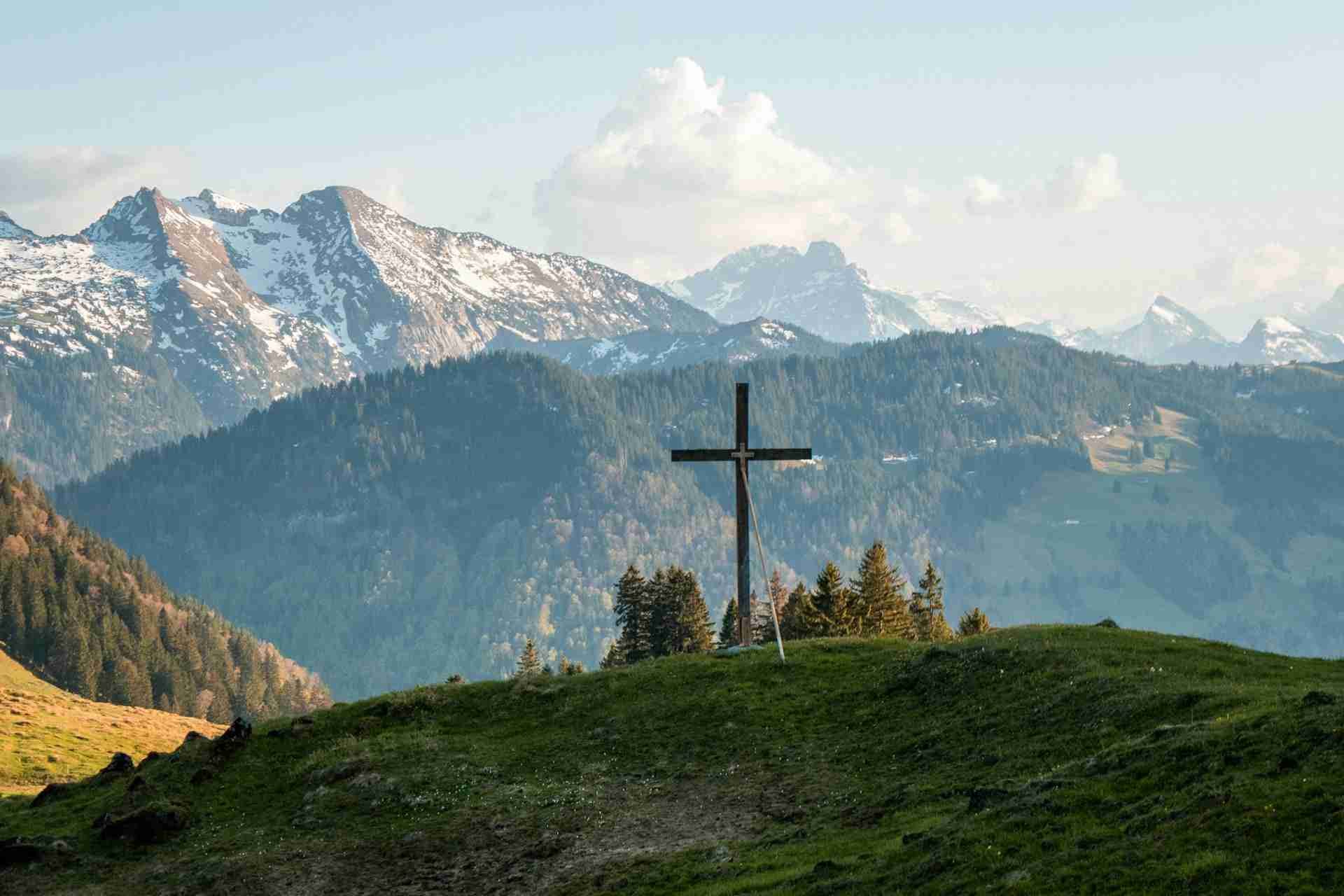
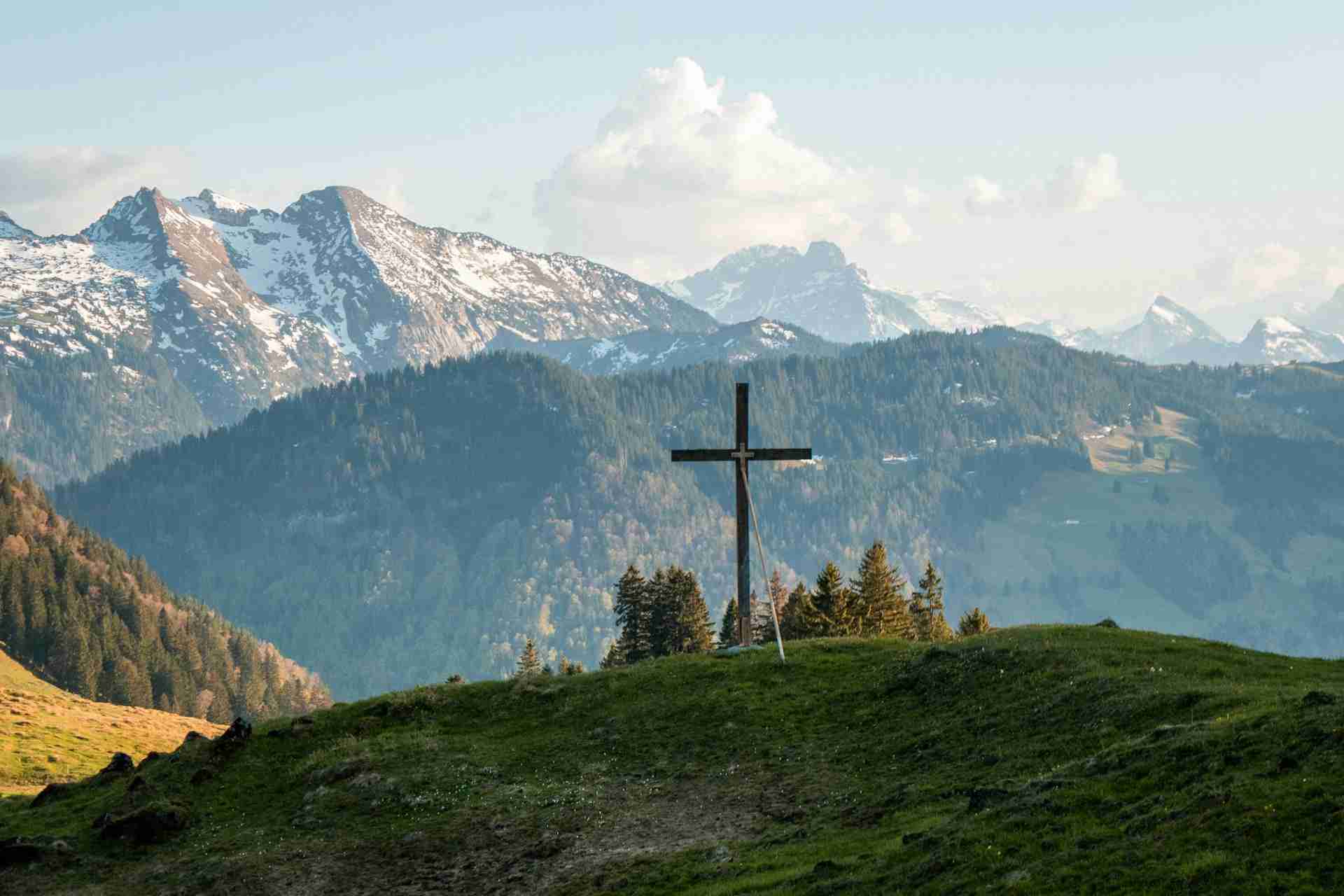
Rising just beyond the town of Nesslau in Switzerland's Toggenburg region, Stockberg is a sharply contoured mountain that invites both physical ascent and visual exploration. Its sweeping ridgelines, grassy slopes, and commanding summit views offer photographers an ideal alpine subject that shifts in character with every season. Unlike the jagged drama of the higher Alps, Stockberg provides a quieter kind of drama: long, rolling foregrounds, clean compositional lines, and wide sky-to-earth transitions that reward thoughtful framing. The climb to its summit is relatively accessible for a mountain of its stature, and the journey offers changing perspectives that make the process of photographing it as rich as the final vantage point. Whether approached in morning mist or under the stark clarity of a winter sky, Stockberg offers photographers space to work with light, atmosphere, and landscape without distraction.
Best Photography Opportunities
• Eastern Ridge Trail during Sunrise
Beginning from the trailhead near Nesslau, the eastern ascent brings early morning light that spills gently over the ridgeline. This trail gives access to sweeping views of the Säntis range, with Stockberg's own flanks catching the first color of day. Use a wide-angle lens to emphasize the ridge as it curves into the scene, or isolate details of grass, rock, and distant peaks with a 70–200mm lens. Morning fog often clings to the valleys below, creating a layered effect that adds depth and softness. This is also the best time to catch the golden hue of the alpine grasses before the sun climbs too high.
• Summit Vantage toward Säntis and the Alpstein Massif
From the summit of Stockberg, you get an uninterrupted 360-degree view across eastern Switzerland. The most dramatic direction faces east toward Säntis, where steep rock faces and snow-covered peaks rise behind green foothills. Shoot with a mid-range zoom to frame the depth of the landscape in layers. In clear conditions, this view can stretch all the way into Liechtenstein. Sunset from this spot offers excellent sidelight on the terrain and the possibility of dramatic cloud formations moving through the range. Be prepared for rapid shifts in weather and light.
• Southwestern Slope with Farmland Below
As you descend the southwestern path, the view opens into a pastoral quilt of fields, farmhouses, and curving roads. This is an excellent location for capturing Switzerland's cultural landscape in relation to its natural one. Shoot with a longer focal length to compress the layered hills and pick out details like barns, hay bales, or wandering livestock. The late afternoon is best here, when golden light strikes low across the valley floor. These compositions work well in both color and black-and-white, depending on mood and conditions.
• Mid-Slope Forest Sections for Fog and Contrast
Along the lower trail sections on the eastern face, photographers will pass through patches of mixed forest that offer strong vertical lines and filtered light. In autumn, these trees create color contrast against the green slopes above. Use a tripod for long exposures during foggy conditions or to steady detail shots in low light. A fast 35mm or 50mm prime is ideal for handheld work here, particularly if you are moving quickly through changing conditions. Look for lone trees, trail markers, or hikers as small subjects within the larger space.
• Distant Views of Stockberg from the Valley Road near Stein
For those interested in photographing the mountain itself, rather than from it, the roads leading from Nesslau to Stein offer excellent framing. From the right spot, Stockberg rises cleanly behind the pastures and barns of the lower valley. These wider environmental shots work best in the late afternoon or early evening, when the sun sits low and casts long shadows. Consider using foreground elements like fences or grazing animals to add scale and structure to the scene.
Best Time to Visit
Stockberg offers compelling conditions throughout the year, but the visual rewards differ sharply with the seasons. In spring and early summer, the slopes are bright with fresh grass and alpine wildflowers, making foregrounds vivid and adding texture to wide shots. Clear mornings are frequent, allowing for sunrise shoots along the ridge before clouds build in the afternoon. Summer days can become hazy, so early or late light provides the best definition and color separation.
Autumn is perhaps the most photographically rich season on Stockberg. Grasses turn golden, trees along the lower trails shift to warm tones, and the sky takes on deeper blues. Mist and valley fog are common in the mornings, creating opportunities for layered compositions and atmospheric studies. Winter transforms the entire landscape, softening contours and creating high-contrast scenes between snow, sky, and exposed rock. The trails can be icy or snow-covered but offer stark, minimalist views ideal for black-and-white work or drone photography if permitted and weather allows.
How to Get There
Stockberg is located just outside the town of Nesslau in the canton of St. Gallen, in eastern Switzerland. Nesslau is accessible by train via the Südostbahn line from St. Gallen or Wattwil, with regular connections throughout the day. From the station, the trailhead for Stockberg is reachable on foot in under 20 minutes. If arriving by car, there is public parking available near the trail entrance on the southern edge of town.
The trail is well-marked and climbs gradually along switchbacks through pasture and forest before reaching the steeper ridge sections. The summit is accessible year-round, though conditions vary in winter and may require appropriate footwear or hiking poles. There are no entrance fees or permits required for access. While the summit can be busy on weekends, weekdays remain quiet and allow for uninterrupted shooting. Drones may be used in open areas with respect for altitude limits and nearby properties.
Recommended Photography Gear
A full-frame DSLR or mirrorless camera provides the dynamic range needed for sunrise and sunset contrast, especially on the ridge and summit. A 16–35mm wide-angle lens is essential for expansive landscape scenes and ridge shots. A 24–70mm standard zoom covers most needs throughout the hike, while a 70–200mm lens is useful for compressing valley scenes or picking out distant mountain detail.
Bring a lightweight tripod for low-light or long exposure work at sunrise, sunset, or under foggy conditions. Neutral density filters are useful for managing exposure when shooting toward the sun. A polarizing filter helps cut haze and deepen skies on clear days. Extra batteries are essential, particularly in colder months. Pack a weather-resistant camera bag with room for snacks, water, and layers, as the trail can shift quickly between warm and cool zones depending on elevation and wind.
Nearby Photography Locations
Located to the east, Säntis offers panoramic views from its summit and dramatic alpine terrain. The cable car makes it accessible year-round and is especially photogenic in winter when snow sculpting defines every ridge.
• Schwendisee and Wildhaus Valley
A short drive away, this area provides placid alpine lakes with strong reflections and clean lines. Ideal in early morning for still water and fog lifting off the hills.
With its traditional wooden chalets, narrow lanes, and backdrop of layered peaks, this village makes a quiet but rewarding photographic stop, particularly in soft evening light.
This themed hiking trail pairs sound installations with scenic overlooks. It passes through high meadows and forest, offering compositional variety and moments of whimsy.
Accessible via cable car, this high ridge offers clean architectural structures designed by Herzog & de Meuron alongside wide-open views. It is ideal for photographers combining landscape and built environment.
Stockberg may not shout for attention, but it rewards any photographer who climbs it with a quiet, sweeping perspective that combines natural form with rural texture. In the folds of its slopes and the patterns of wind through grass, there's space to create not just images, but a mood that lingers beyond the descent.
Comments
Loading comments…