
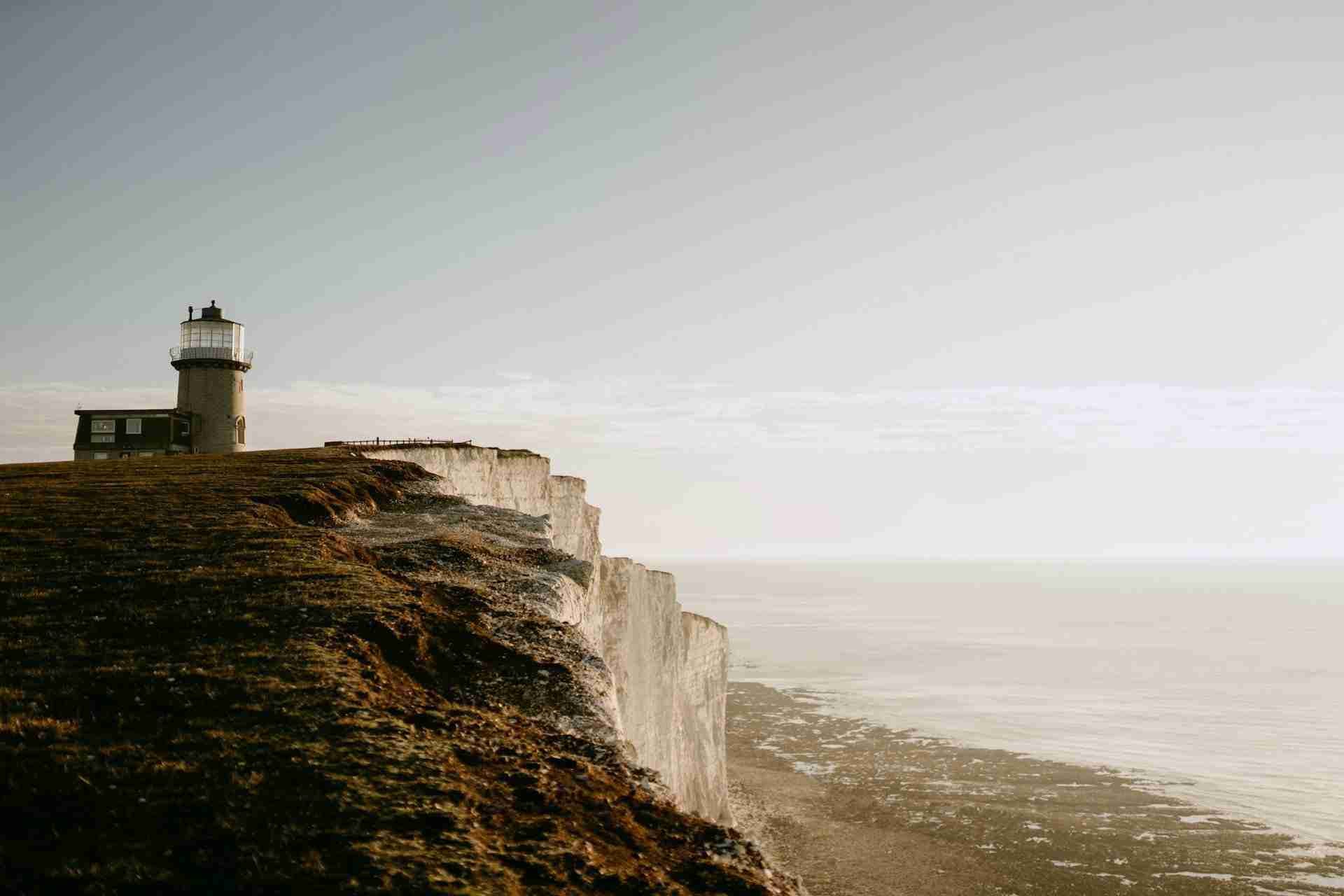
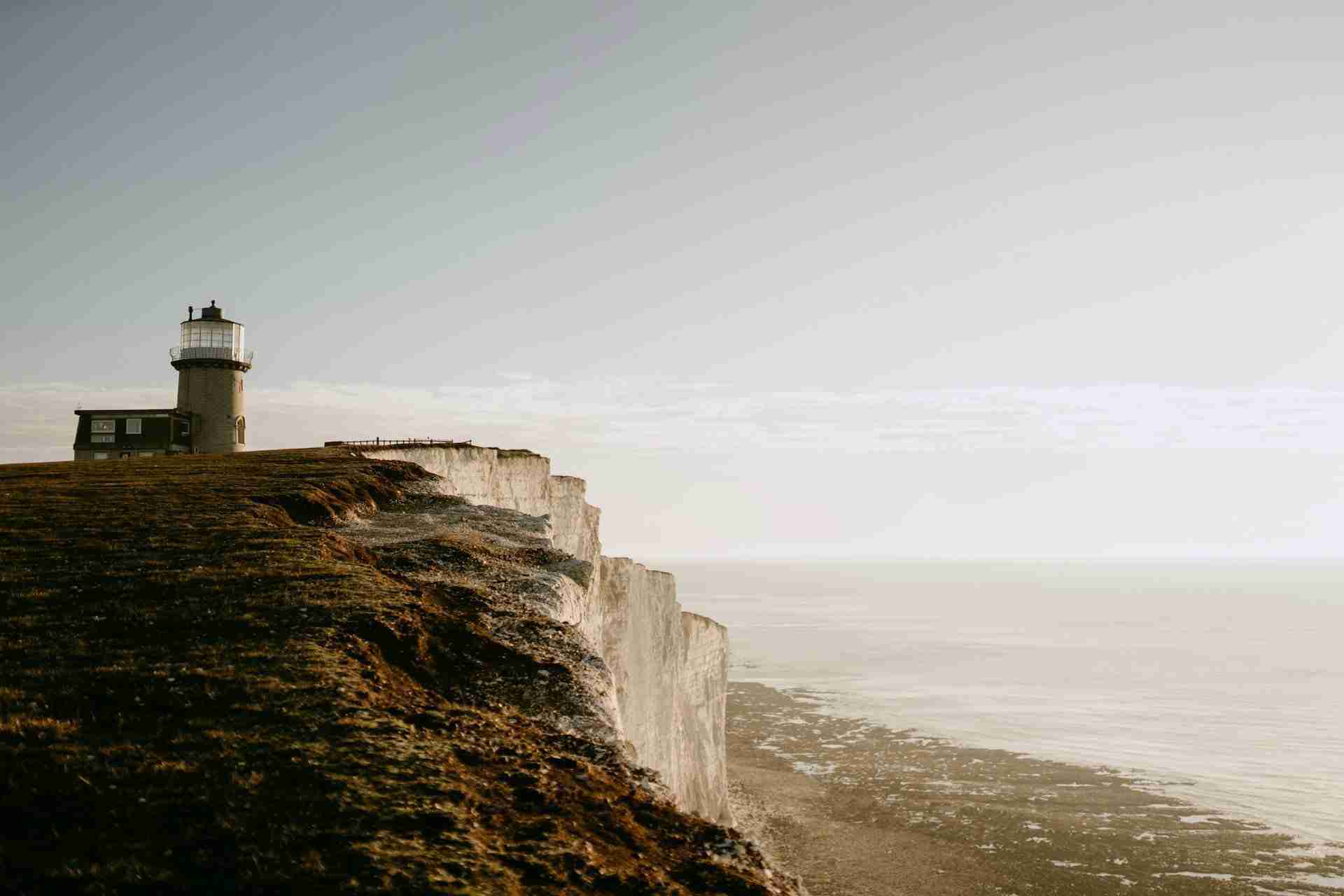
Perched high atop the white chalk cliffs of Beachy Head in East Sussex, Belle Tout Lighthouse is one of the most distinctive and photogenic lighthouses on the southern coast of England. Originally built in 1832, this now-decommissioned lighthouse stands as both a coastal icon and a dramatic focal point in a landscape of sheer cliffs, rolling downs, and infinite horizons. The lighthouse's history—including its famous relocation in 1999 to save it from coastal erosion—only adds to its allure for photographers drawn to stories of resilience and edge-of-the-world scenery. Whether you're chasing golden light on white cliffs or composing minimalist seascapes, Belle Tout offers atmosphere, scale, and unforgettable framing opportunities.
Best Photography Opportunities
• Clifftop Views with Lighthouse Framing
: The path running along Beachy Head offers stunning elevated views of Belle Tout Lighthouse from multiple angles. Shooting with a wide-angle lens from the cliffs north or east of the lighthouse captures the curvature of the headland and the sudden drop into the sea. The trail's natural curves provide strong leading lines into the composition, while the lighthouse itself anchors the frame with architectural solidity.
• Golden Hour with Chalk Contrast
: Early morning and late evening light wash the white chalk cliffs in warm, golden tones, contrasting beautifully with the lighthouse's stone façade. These times of day emphasize the texture of the cliffs and cast long shadows across the downs. Shooting from the west during sunset gives you both warm sidelight on Belle Tout and a soft glow on the surrounding grasslands and sea below.
• Minimalist Seascapes and High Vantage Points
: The sheer elevation of Beachy Head opens up possibilities for abstract and minimalist photography. Using a long lens, you can isolate boats on the open water far below or capture the rolling swell of the English Channel with the faint silhouette of the lighthouse in the corner. Foggy mornings enhance this minimalist potential, letting the cliffs and tower emerge like ghostly figures from the mist.
• Storm Light and Dramatic Skies
: The headland is exposed to fast-changing weather, creating moments of intense drama as clouds sweep in over the sea. Storm light—where sun breaks through rainclouds—can add high contrast and cinematic depth to compositions of the lighthouse standing against brooding skies. Black-and-white photography thrives in these conditions, bringing out the grain and grit of the scene.
• Close-Up Architectural Details and Contextual Portraits
: While you can't enter the lighthouse without booking accommodation, you can walk up close to admire and photograph the intricate stonework, lantern tower, and panoramic setting. Capture it from behind a rise or low angle to emphasize its position above the cliffs. For environmental portraits, include a figure walking the path or standing near the lighthouse to convey scale and solitude.
Best Time to Visit
Belle Tout Lighthouse is especially photogenic during the golden hours of sunrise and sunset, when the angled light softens the cliffs and enhances the form of the landscape. Morning light tends to bring clearer skies and gentle backlighting from the sea, while sunset bathes the downs in deep color and adds sculptural definition to the headland.
Fog and mist—common here in spring and autumn—add a layer of mystery and are excellent for minimalist and mood-driven images. Storm fronts in winter bring fast-moving clouds and powerful light contrasts that reward patience and preparedness.
Clear skies and calm weather are ideal for long-exposure photography, especially for capturing the movement of waves or softening the sea below the cliffs. Visit on weekdays or early mornings to avoid crowds and preserve the tranquil atmosphere of the site.
How to Get There
Belle Tout Lighthouse is located on Beachy Head Road, just west of Eastbourne in East Sussex. From Eastbourne, follow signs toward Beachy Head and continue west along the scenic clifftop road. There are several parking areas and lay-bys near the lighthouse, including one at Birling Gap with public toilets and café facilities.
The South Downs Way walking trail runs past Belle Tout, and it's an excellent way to explore the area on foot, with numerous vantage points just off the trail. Access to the immediate grounds of the lighthouse is limited to guests, but exterior photography from public land is welcome. Be cautious near the cliff edges and avoid unstable ground.
What makes this location particularly unique is that Belle Tout is available to stay in, having been converted into an award-winning bed and breakfast. Guests can enjoy sunrise and sunset directly from their rooms or the lantern room, offering exclusive access to light and weather conditions that transform the site into a photographer's dream. Bookings should be made well in advance, especially during summer and peak photography seasons.
Exploring the Surrounding Area
The landscape surrounding Belle Tout Lighthouse offers more than just cliffside views—it's a rich canvas of shifting light, coastal ecology, and open skies that invites photographers to slow down and immerse themselves in the subtler moods of the South Downs. The rolling grasslands behind the cliffs stretch inland in soft undulations, dotted with sheep, dry-stone walls, and isolated farm buildings that offer strong compositional elements when paired with expansive skies or low sunlight.
Photographers walking the inland side of the South Downs Way will find sweeping views not just of the coast, but also of the wide open countryside. Here, light fog or evening haze often settles into the folds of the hills, creating painterly layers and soft contrast perfect for longer-lens landscape work. The area is especially rewarding in spring and early summer, when golden grasses and blooming wildflowers ripple across the high meadows in the sea breeze.
Just off the main trail, lesser-known chalk paths and hidden hollows offer quiet, intimate moments—ideal for macro shots of local flora, insect life, or texture studies of weathered chalk, moss, and turf. Even without dramatic landmarks, this landscape is full of photographic rhythm: undisturbed lines, shadowed dips, and shifting weather that reshapes the scene from moment to moment.
Whether you're capturing the sculpted shapes of the downs, experimenting with light and shadow across open ridges, or simply documenting the play of wind across tall grass, the area surrounding Belle Tout rewards attention to nuance. It's a landscape where subtlety is the subject—and where the photograph lies not just in the horizon, but in the space between the steps.
Nearby Photography Locations
: The red-and-white lighthouse far below the cliffs is best shot from the cliff top or via long-lens compositions at low tide. At sunset or in storm light, it becomes a beacon of color against dark waves and moody skies.
: A few miles west, this iconic sequence of chalk cliffs is one of the most photographed landscapes in the UK. Ideal for golden hour shots, dramatic sky backgrounds, and high contrast black-and-white work.
: This National Trust site offers beach access, cliff views, and a picturesque staircase leading down to the water. Great for long exposures of waves, rock textures, and unique perspectives of the cliff face.
: Just beyond the Seven Sisters, this coastal estuary with meandering river bends and iconic white cottages is excellent for pastoral scenes, wide landscapes, and drone photography.
: If you're seeking a shift from rural to urban, the Victorian-era pier and promenade in Eastbourne provide strong lines, seaside atmosphere, and sunset colors reflected in the sea.
Belle Tout Lighthouse offers a perfect convergence of architecture, geology, and weather—standing sentinel on a cliff's edge where the land drops away and the Channel begins. It's a place where time feels suspended, the light constantly evolves, and every gust of wind brings a new mood. For photographers, it's a landscape that never stands still, waiting patiently for the next frame to unfold.
Comments
Loading comments…