
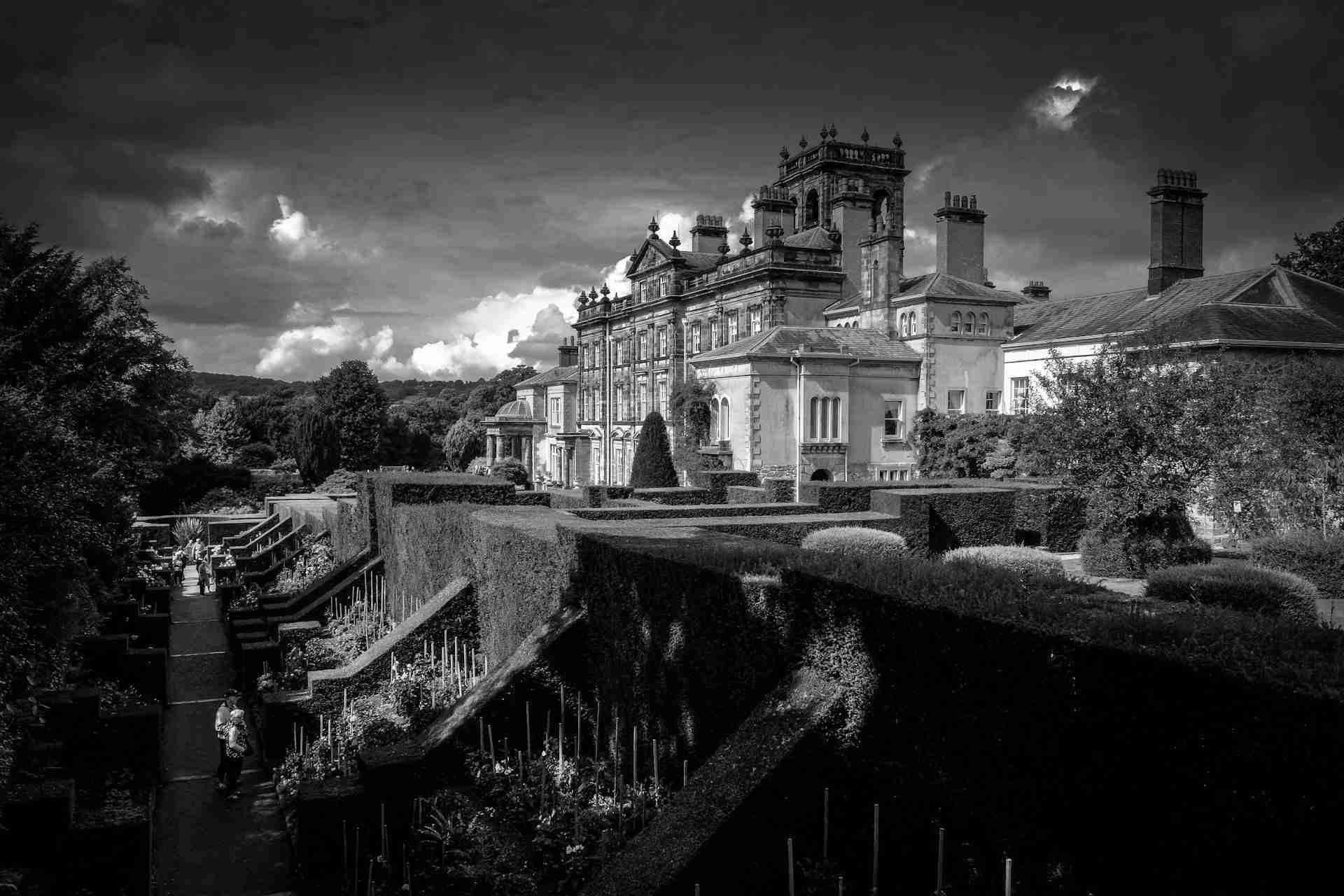
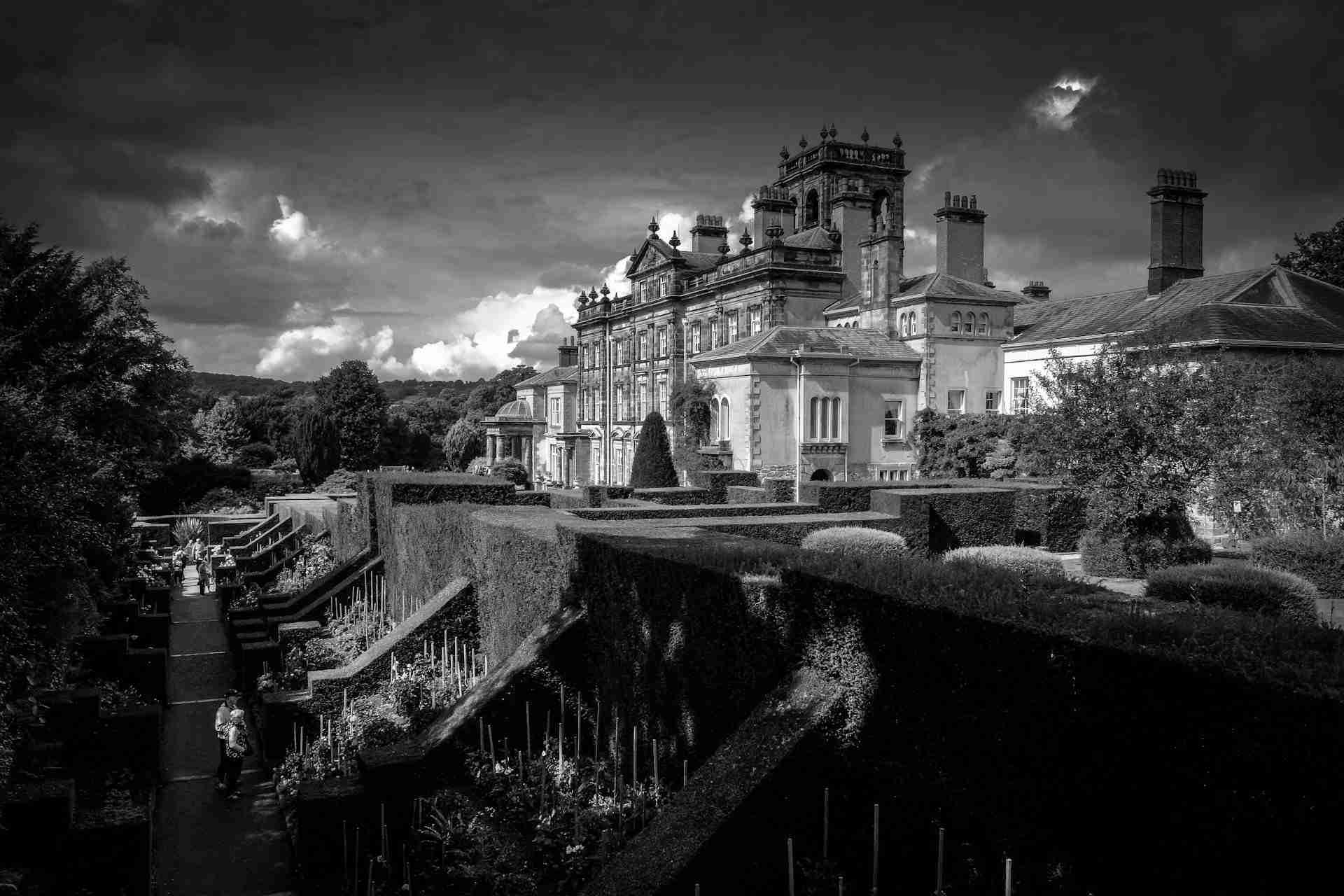
Tucked away in Staffordshire, England, Biddulph Grange Garden is a masterpiece of Victorian design—a horticultural wonderland built to reflect the global curiosity of its 19th-century creators. Managed today by the National Trust, the garden is famed for its series of distinct botanical "rooms," each crafted to evoke different parts of the world, from an Egyptian court to a Chinese temple and Himalayan gorge. Winding paths, clipped topiary, hidden tunnels, and layered views make this garden an extraordinary location for photographers. With every turn revealing new textures, symmetry, and saturated color, Biddulph Grange is where garden design becomes visual storytelling.
Best Photography Opportunities
• The Chinese Garden and Temple
: One of the most iconic areas of Biddulph Grange, this vibrant garden features a red Chinese bridge, traditional architectural motifs, and a small temple surrounded by bamboo and lush planting. Use a wide-angle lens to capture the full scene, including the reflection in the narrow pond. Soft overcast light enhances the saturated red paintwork and brings out the varied green tones of the surrounding foliage. For tighter compositions, focus on lantern details, carved wood, and glimpses through archways.
• Topiary Walk and Italianate Terraces
: The formal terraces are framed by carefully sculpted yew hedges and urns overflowing with seasonal flowers. These symmetrical lines and elevation changes lend themselves well to central, balanced compositions. Shoot from staircases or higher landings for a view down the axis of the terrace, using a longer lens to compress depth and emphasize repetition. Early morning or golden hour adds warmth and long shadows that sculpt the topiary with depth and texture.
• The Egyptian Court and Tunnel Entrance
: Entered through a dramatic stone tunnel, this section features hieroglyphic columns, bold architectural framing, and strong contrast between light and shadow. The tunnel itself is highly photogenic—use a slow shutter speed on a tripod to capture the play of filtered light and the textural quality of aged stone. The court beyond offers graphic lines and sandstone hues that benefit from directional light and a low shooting angle.
• The Pinetum and Himalayan Glen
: A quieter, moodier section of the garden, the Himalayan Glen features moss-covered paths, waterfalls, and exotic conifers under filtered forest light. Ideal for atmospheric compositions, use a tripod and long exposures to capture soft water movement or early morning mist drifting between trunks. Detail shots of lichen-covered bark, layered needles, or rare plant specimens contribute to a narrative of discovery and botanical diversity.
• Architectural Frames and Doorways
: Throughout the garden, hidden views are revealed through gates, arched passageways, and tunnel portals. These natural framing devices make for strong compositions that lead the eye into the scene. Use a mid-range zoom to isolate these vignettes, and position your frame to capture what lies beyond—be it a dramatic burst of flowers, a sculpture, or an unexpected vista.
Best Time to Visit
Biddulph Grange is a year-round photographic destination, but different seasons offer distinct palettes and moods. Spring (April through May) brings vivid rhododendrons, tulips, and emerging foliage—ideal for color-driven compositions. Summer (June to August) showcases the gardens at full lushness, with vibrant plant life across all themed areas.
Autumn (late September through October) introduces a rich overlay of orange, gold, and deep red, particularly in the woodland and Asian-inspired sections. The Japanese maples and large-leaf plants offer bold contrast and strong visual interest. Winter can be stark but rewarding, with bare branches emphasizing structure and symmetry in the garden's formal areas.
For lighting, early morning offers soft illumination and fewer visitors, especially valuable in more intimate spaces like the Chinese Garden or the Himalayan Glen. Golden hour works well on the terraces and sunlit lawns. Overcast skies provide even light and reduce harsh contrasts—ideal for saturated floral work and architectural details.
How to Get There
Biddulph Grange Garden is located in Biddulph, Staffordshire, England. It's easily reached by car from Stoke-on-Trent (about 20 minutes away), or from Manchester and Birmingham in roughly one hour. The full address is Grange Road, Biddulph, Stoke-on-Trent ST8 7SD.
There is on-site parking for National Trust visitors, and entrance to the gardens is through the main visitor centre. National Trust membership includes free entry, while day visitors can purchase tickets at the entrance.
The garden is fully walkable, with a combination of gravel paths, grass trails, and some steps and slopes. Most areas are accessible, though certain tunnels or steep sections may be more challenging. Photography is welcomed throughout the property for personal use, but commercial or styled sessions require prior arrangement with the National Trust.
Recommended Gear and Shooting Tips
A wide-angle lens (16–35mm) is ideal for capturing full garden rooms, sweeping pathways, and dramatic architectural juxtapositions. A mid-range zoom (24–70mm) works well for tighter compositions and floral details. A macro lens is highly useful for plant textures, insects, and fine surface elements across walls and foliage.
A tripod is beneficial for long exposure work in the shaded Himalayan Glen or for capturing low-light tunnel scenes. A circular polarizer will help manage reflections on water and deepen sky and foliage tones. Overcast skies make handheld shooting easier with balanced exposure and color.
Use a lens cloth or air blower—moisture from plants and mist can accumulate quickly. Watch for compositions using symmetry, layers, and garden structure. Small elevation shifts—like climbing a staircase or crouching near a pond—often reveal far more dynamic images than shooting from eye level.
Nearby Photography Locations
: Located just south of Stoke-on-Trent, this expansive estate includes formal Italian gardens, a large lake with sculpture trail, and a wildflower meadow—ideal for broader landscape and floral photography.
: A half-timbered Tudor manor house near Congleton, this National Trust site is visually rich, with patterned windows, warped beams, and a moat—perfect for architectural photography and moody reflections.
: A short drive north, this reservoir offers long lakeside paths, rowing scenes, and distant hill views. Excellent for golden hour compositions and environmental portraits.
: Just east of Biddulph, this gritstone escarpment delivers classic moorland landscapes, wide skies, and dramatic boulders—great for sunrise and expansive landscape photography.
• Bathpool Park and Westport Lake
: Local spots offering woodland paths, bird photography, and lakeside compositions in a quiet, natural setting close to the urban fringe.
Biddulph Grange Garden is more than a garden—it's a living exhibition of Victorian imagination, global curiosity, and structural beauty. For photographers, it offers a rare opportunity to explore both grand vistas and intimate botanical detail, all within a setting designed for surprise and discovery at every turn.
Comments
Loading comments…