
Croyde Beach, nestled between two dramatic headlands on the North Devon coast, is one of England's most photogenic stretches of shoreline. Known for its fine golden sand, strong surf, and ever-changing skies, this crescent-shaped beach offers photographers a wide variety of subjects in a relatively compact area. From sweeping coastal landscapes to intimate rock textures and long exposure wave patterns, Croyde rewards careful timing and attention to light. Whether you're chasing a glowing sunset over Baggy Point or capturing soft reflections on a receding tide, this beach offers opportunities for both creative exploration and clean, minimalist compositions.
Best Photography Opportunities
• Sunset Across the Bay
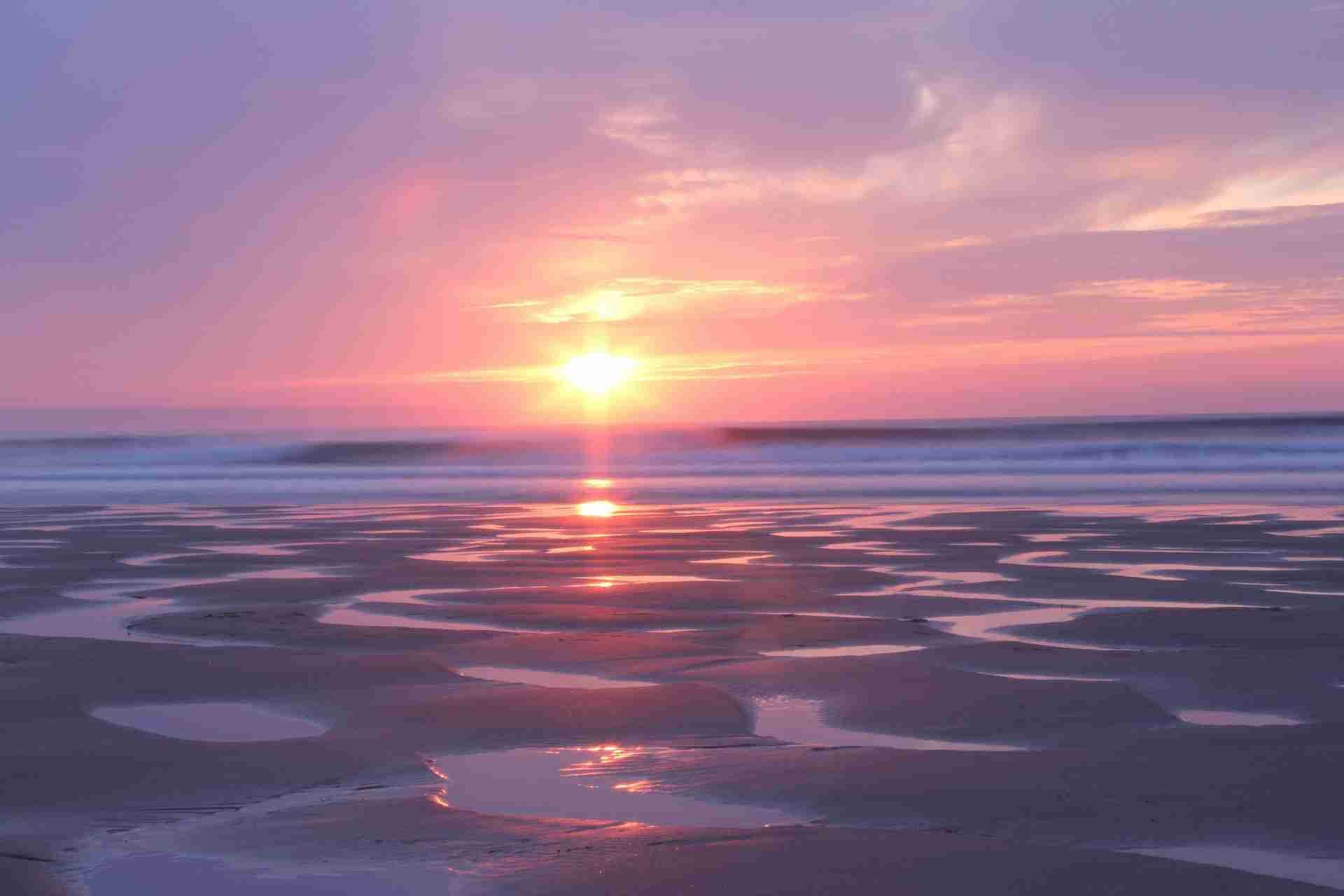
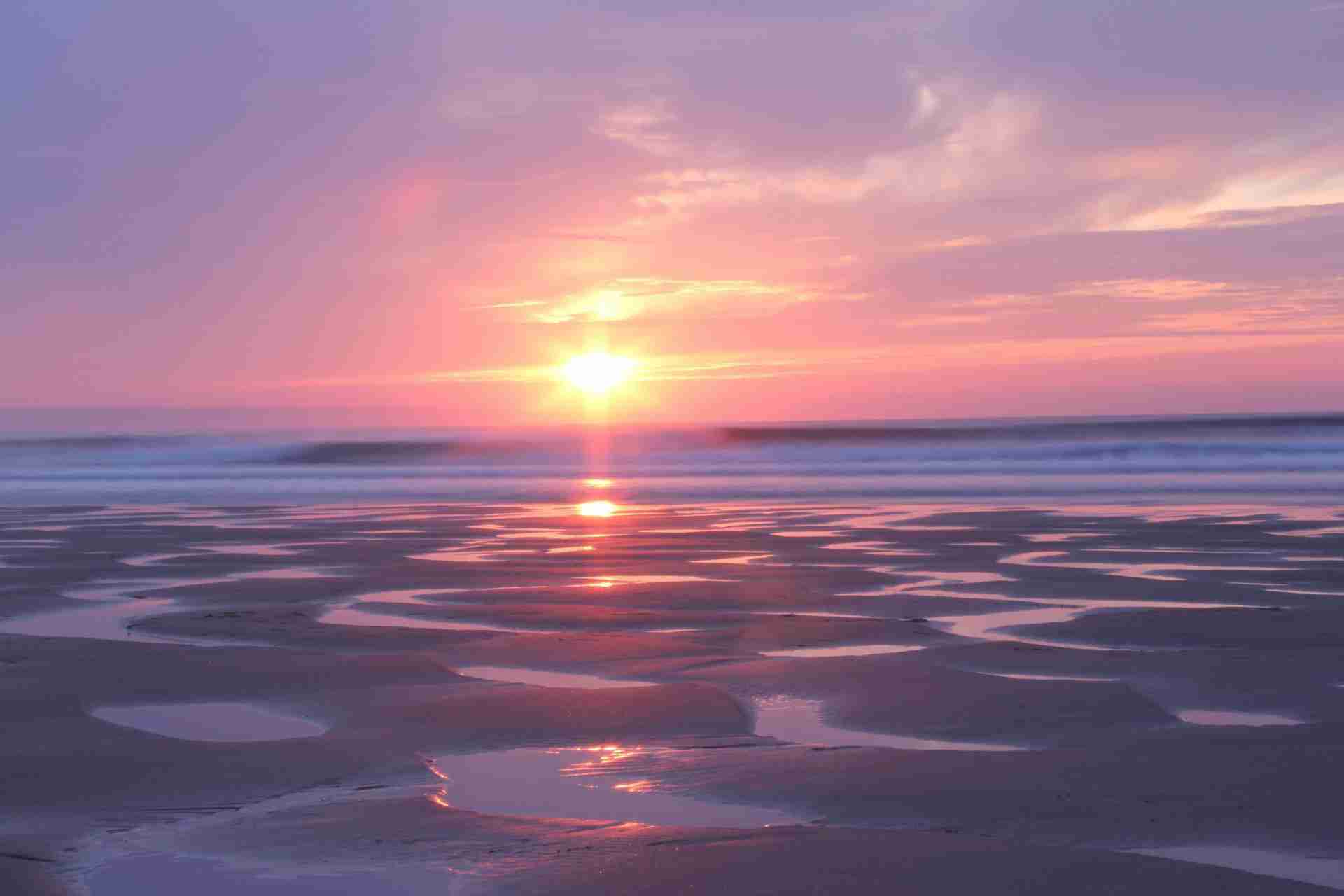
Croyde Beach's west-facing orientation makes it a consistently strong location for photographing sunsets over the Atlantic. As the sun drops behind Baggy Point, golden light washes across the sand and reflects off the low tide pools, giving you a warm, textured surface to work with. Composing from the southern dunes allows you to incorporate foreground grasses, paths, or silhouetted fence posts that guide the eye into the frame. A wide-angle lens captures the full arc of the beach and surrounding cliffs, while bracketing your exposures can help maintain detail in both the highlights and shadows. Clear evenings are ideal, but scattered clouds often produce richer, more layered light and color.
• Reflections on Wet Sand
During a receding tide, Croyde's compact bay becomes a mirror for the sky. The wet sand holds color and shape especially well, producing bold reflections during golden hour and soft pastels during blue hour. Shooting at a low angle near the waterline creates the strongest symmetry, especially if you balance the horizon line near the center of the frame. These mirrored surfaces are also useful for minimalist compositions, where the foreground can echo a colorful sky or the silhouette of a distant figure. This effect is strongest when wind is low and the tide has left a thin layer of water over the sand, but even subtle moisture is enough to capture some of the sky's tone.
• Rock Pools and Foreground Texture
At both the northern and southern edges of the beach, rock formations and tidal pools add interest and complexity to your foregrounds. The rocks near Down End are darker and more rugged, creating strong contrast and dynamic leading lines that point toward the sea. Pools between the rocks collect sky reflections or trap foam patterns that can be emphasized with a wide-angle lens and a small aperture for maximum depth of field. These areas are most photogenic at low tide, when more surface is exposed and textures are clear. Look for barnacles, seaweed, or water channels that can add color and structure to the scene, particularly in diffused morning or evening light.
• Long Exposures of Surf and Sky
With its reliable Atlantic swell and open skies, Croyde is ideal for long exposure photography. Using a neutral density filter allows you to soften the motion of the waves and stretch out cloud movement, creating a smoother, more meditative feel. These techniques are especially effective when paired with bold foregrounds like rocks, tidal patterns, or driftwood, which anchor the image and contrast against the motion. Sunset, blue hour, or stormy skies offer the best backdrop, but even bright midday scenes can be transformed with the right filter strength and shutter speed. Be mindful of the tide as it changes quickly and can shift your framing or impact your tripod stability.
• Dune Patterns and Minimalist Compositions
The dune system behind Croyde Beach offers a change in pace and subject, focusing more on form, shape, and repetition. Gentle slopes, ripples in the sand, and swaying grasses create natural patterns that catch soft side light during golden hour. These areas work well for minimalist or abstract compositions, especially when isolated with a longer focal length or shallow depth of field. Look for subtle interactions between shadow and shape, such as wind-carved lines or footprints that curve across the frame. Shooting during low light reduces harsh contrast and enhances tonal gradients, making the dunes a versatile subject even on cloudy days.
Best Time to Visit
The most rewarding light at Croyde Beach occurs during spring and autumn, when the sun's lower angle enhances texture and gives longer golden hour windows. In these seasons, the sky often holds scattered clouds that catch the light at both sunrise and sunset, providing ideal conditions for color and atmosphere. Tides are crucial to timing your shoot. A receding tide in the evening exposes wet sand, rock pools, and reveals patterns that are perfect for reflections and leading lines.
During summer, the longer days bring high sun and flatter midday light, but the evenings are excellent for low-angle sunset work. Crowds increase, especially in July and August, so early morning sessions offer better solitude. In winter, storms roll in from the Atlantic, creating dramatic skies and powerful surf that lend themselves well to moody black-and-white compositions. Shorter days mean longer golden hours, but access can be muddy or slippery, especially along the trails above the beach.
Wind and weather can change quickly along the Devon coast, so it's best to check tide tables and forecasts before heading out. Even overcast days can be productive if you're shooting rock textures, dune details, or long exposures. Bring patience and allow time for the light to shift as cloud banks move through or sun breaks unexpectedly.
How to Get There
Croyde Beach is located in North Devon, England, just north of Braunton and south of Woolacombe. If driving, the main access point is through the village of Croyde, where there is a designated car park near the southern end of the beach. The beach is clearly signposted, and the path to the sand is short and well-maintained. During summer months, parking fills up quickly, so early arrival is recommended.
Public transportation is available via bus routes from Barnstaple, with regular services stopping in Croyde village. From the village center, it's a short 10-minute walk to the beach. The South West Coast Path runs along the cliffs above the beach, connecting to Baggy Point to the north and Saunton Sands to the south. These trails offer elevated viewpoints and quieter photo locations for shooting the bay from above.
There are no entry fees for beach access, and the area is open year-round. Facilities near the parking lot include public toilets and seasonal cafes. If you plan to shoot at twilight or into the night, bring a torch or headlamp, as there is no lighting along the beach paths.
Recommended Photography Gear
A versatile kit is key to capturing the range of subjects at Croyde Beach. A wide-angle lens in the 16–35mm range is essential for big-sky compositions, dune scenes, and dramatic coastal views. A standard zoom like a 24–70mm allows you to adapt quickly to changing conditions and frame tighter scenes involving rock textures, waterlines, and beach figures. A telephoto lens in the 70–200mm range is valuable for compressing waves, isolating headland shapes, or picking out surfers in the lineup.
A sturdy tripod is essential for low-light sessions, long exposures, and precise compositions in strong coastal winds. Use a remote shutter release or self-timer to reduce vibration. Circular polarizers are helpful for managing reflections and enhancing sky contrast, particularly when shooting wet sand or water surfaces. Neutral density filters, particularly 6- or 10-stop versions, are recommended for long exposures of the surf and passing clouds.
A weather-resistant backpack and quick-access pouches will help you move easily between the dunes, shoreline, and cliffs. Waterproof covers for your camera and bag are a good precaution during high tide or stormy sessions. Extra batteries and memory cards are useful, especially if you're working in cold or wet weather. Comfortable footwear with good grip is essential for navigating slippery rock and soft sand, particularly when crossing the rocky ends of the beach during low tide.
Nearby Photography Locations
Just north of Croyde, this prominent headland offers dramatic views back over the beach and out toward the open sea. A coastal path leads to several lookout points ideal for sunrise and golden hour photography. Use a wide lens for full cliffscapes or a telephoto to isolate light on the waves and layered headlands.
To the south, this expansive beach stretches for over three miles, with sweeping dunes and a wide, flat shoreline. It's perfect for minimal compositions and long exposure seascapes, especially at low tide. Early morning offers clean skies and subtle reflections in the wet sand.
Accessible via the beach at low tide or from the road above, Putsborough offers similar golden sand with fewer crowds and striking rock formations. The cliffs here are great for vertical compositions and dynamic wave shots when the swell is strong.
This vast dune system behind Saunton Sands provides textured landscapes of tall grasses, sand paths, and undulating shapes. It's a great place for abstract compositions and black-and-white work under dramatic skies. The area is especially interesting during early morning or when low fog clings to the lowland dunes.
Further north near Woolacombe, Morte Point offers a rocky, exposed coastline ideal for stormy weather photography and longer hikes. The jagged shoreline is rich in contrast and texture, particularly when waves crash into the dark stone formations at high tide.
Croyde Beach is a location that rewards both careful planning and spontaneous exploration. Whether you're shooting the layered drama of golden hour or the quiet tones of a grey sky and soft surf, the beach's variety of textures and changing light gives photographers something to work with in every season. With just a short walk from village to sea, it's a coastal canvas that feels both expansive and intimate.
Comments
Loading comments…