
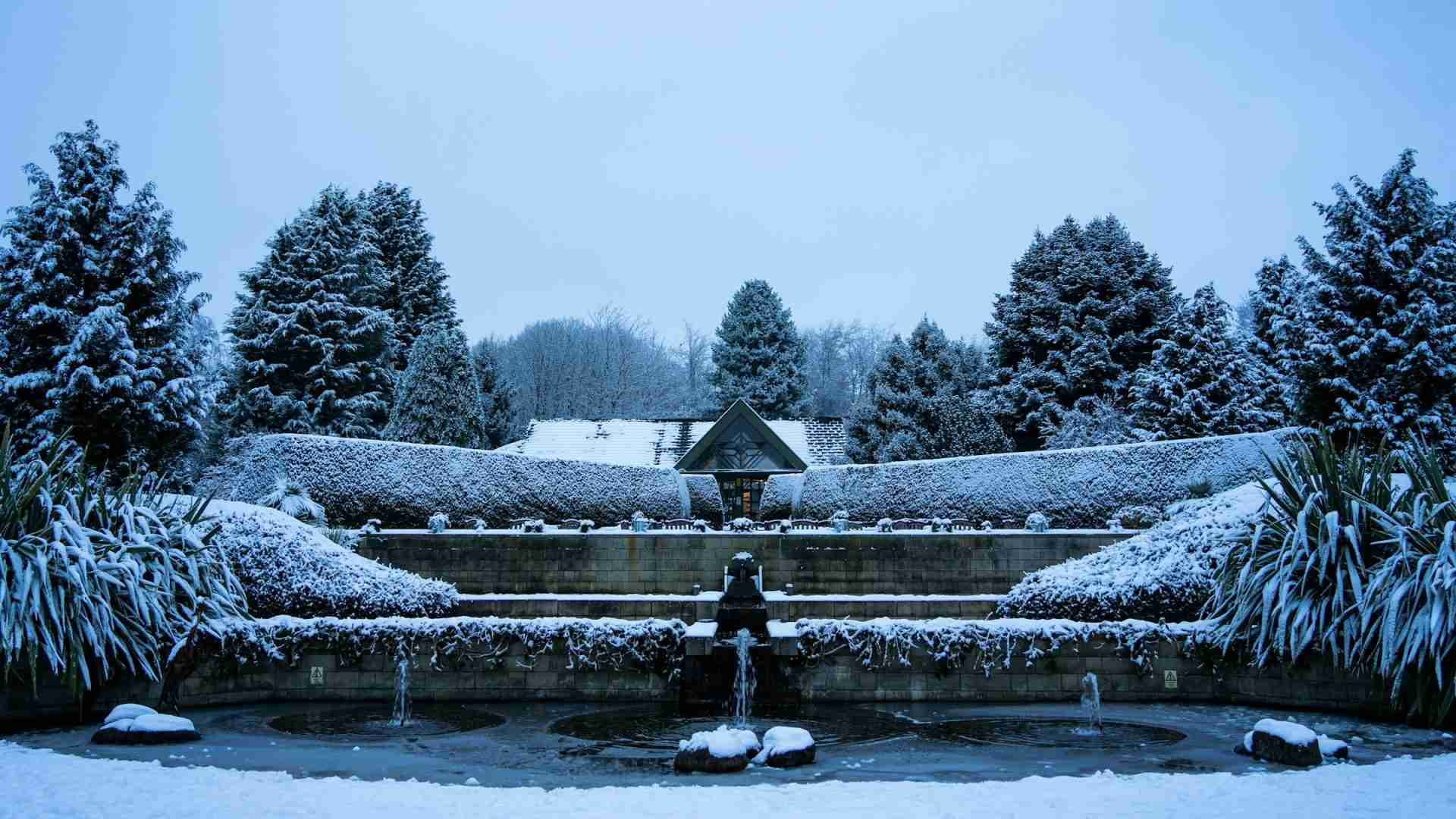
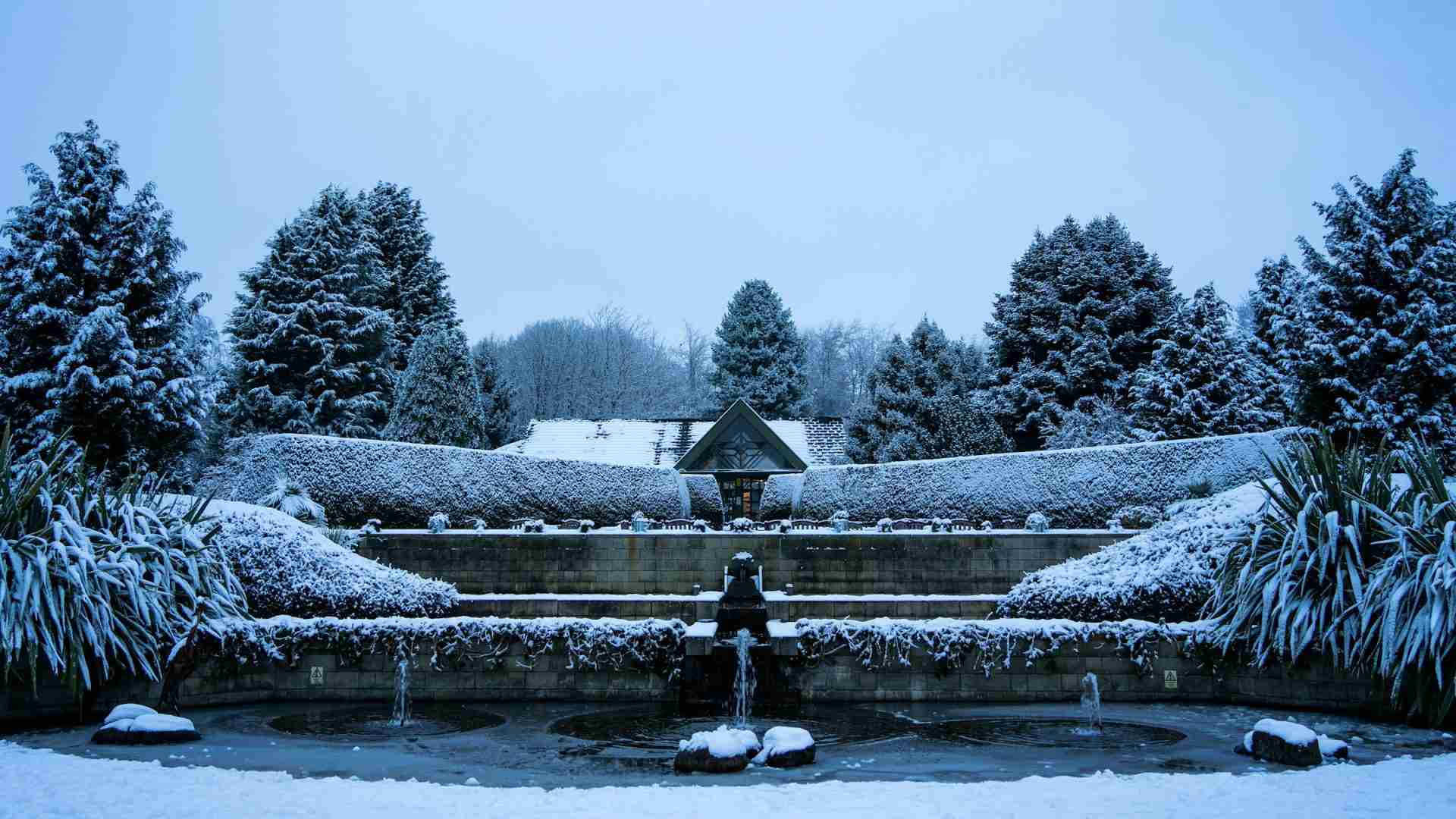
Durham Botanic Garden is one of those places that works really well when you want to slow things down and just spend time observing rather than chasing a single shot. It sits just off South Road, close enough to the city centre to be convenient, but once you're inside, it feels separate and calm. What makes it especially good for photography is the variety packed into a relatively small space. You can move from structured flower beds into more natural woodland areas, then step into the glasshouses and get something completely different again. It is the kind of location where you can easily shift between wider compositions, detail work, and more abstract images without needing to reset your mindset too much. If you are in Durham and want a relaxed but still rewarding shoot, this is a place that delivers.
Best Photography Opportunities
• Pathways and Layered Compositions
The paths running through the garden are one of the easiest ways to build strong compositions without overthinking things. They naturally guide the viewer into the scene, especially when they curve slightly or disappear behind planting. You can use the edges of the path to frame your shot, or position yourself so the walkway leads directly toward a focal point like a tree, bench, or dense planting area. It works well with a range of focal lengths depending on how much of the scene you want to include. Taking a few steps forward or back can make a big difference in how the layers line up, so it is worth adjusting your position rather than settling too quickly. This is also a reliable option in softer light, where colors feel more balanced and easier to work with.
• Glasshouse Details and Textures
The glasshouses are easily one of the highlights for photography here. Once inside, the light becomes more controlled and diffused, and the environment shifts to something much denser and more enclosed. You will find plenty of opportunities to focus on leaves, patterns, and overlapping shapes that work well for tighter compositions. The humidity can create a slight softness in the air, which actually helps give images a different feel compared to shooting outside. It is a good place to slow down and really look for smaller details rather than trying to capture everything at once. Condensation on the glass and water on the plants can add extra texture if you take the time to notice it. You will likely come away with a completely different set of images compared to the rest of the garden.
• Seasonal Color
The planted areas change throughout the year, which means the garden rarely looks the same twice. During peak bloom periods, you can work with strong color combinations that fill the frame without needing much else. It is worth getting closer than you might initially think, as isolating smaller sections of flowers often creates cleaner images. You can also use a shallow depth of field to separate your subject and soften the background. Moving around the beds helps you find angles where colors layer nicely rather than competing with each other. This is one of the easier ways to create visually strong images without relying on complex composition.
• Woodland Areas for Softer, Natural Scenes
The more shaded parts of the garden offer a completely different feel compared to the open sections. Here, the light is more even and subdued, which helps reduce contrast and makes it easier to work with subtle tones. Trees, ground cover, and scattered light create opportunities for quieter compositions that feel less structured. You can use trunks and branches to frame your shots or guide the viewer through the scene. This area is especially useful if the light elsewhere is too harsh, as it gives you a consistent environment to keep shooting. It is also a good place to experiment with slightly longer exposures if there is any movement in leaves or branches.
• Framing and Overlapping Layers
Throughout the garden, there are plenty of chances to shoot through plants rather than just at them. Positioning leaves or branches in the foreground adds depth and helps create a more immersive feel. You can partially obscure your subject and let the viewer's eye move through the frame, which often makes the image feel more natural. This works well in both open and enclosed areas, especially when the light is soft. Adjusting your focus and aperture lets you control how much of the foreground remains visible. It is a simple technique, but one that consistently produces more engaging results when used thoughtfully.
Best Time to Visit
Spring through early summer is usually the most rewarding time to visit, as the garden is full of color and new growth. This is when the flower beds are at their most active, and you will have the widest range of subjects to work with. Autumn is also a strong option, especially if you enjoy warmer tones and a slightly quieter atmosphere. The woodland areas take on a different character during this time, with fallen leaves adding texture to the ground and softer colors throughout the scene.
Lighting plays a big role here, but the garden is fairly forgiving compared to more exposed locations. Overcast days are ideal, as they soften the light and make colors easier to manage, especially in the flower beds and glasshouses. If the sun is out, early morning or later in the afternoon tends to work best, when the light is lower and less harsh. Midday can still be productive, particularly in shaded areas or inside the glasshouses where the light is more controlled. After rain is also a great time to visit, as water on leaves and petals adds extra detail and helps bring out color.
How to Get There
Durham Botanic Garden is a short distance from Durham city centre. It is easy to reach on foot if you are already in the city, with a straightforward walk that takes you slightly uphill toward the university area. There are also local bus routes that stop nearby, making it accessible without a car. If you are driving, there is limited parking in the surrounding area, so it is worth planning ahead or arriving earlier in the day. The garden itself has an entrance fee, as it is a maintained space, but access is simple once you arrive. Paths throughout the garden are well kept and easy to follow, so moving between different sections does not require much effort. You can comfortably carry camera gear without dealing with difficult terrain, which makes it a good location for a relaxed shooting session.
Recommended Photography Gear
A standard zoom lens will cover most situations in the garden, giving you flexibility to move between wider scenes and tighter compositions without constantly switching lenses. If you enjoy detail work, a macro lens or a lens with close focusing capability is especially useful, particularly in the glasshouses and flower beds where smaller subjects stand out. A short telephoto can also help isolate layers and compress scenes slightly when needed.
A tripod is optional here, but it can be useful if you want to slow things down and work more carefully with composition, especially in lower light conditions or shaded areas. A polarizer can help reduce glare on leaves and bring out richer color, particularly after rain. Since you will be moving through different environments, keeping your setup fairly light makes the experience more enjoyable. It is a place where you will likely stop often and adjust your position, so mobility matters just as much as the gear you bring.
Nearby Photography Locations
This is one of the most well known landmarks in the city and offers strong architectural subjects both inside and out. You can work with wide exterior views from across the river or focus on details within the structure itself. Early morning or late afternoon light helps bring out texture in the stone.
A short walk from the cathedral, this bridge gives you one of the classic views back toward the city. The curve of the river and the positioning of the cathedral create a natural composition that is easy to work with. It is especially good in softer light when reflections are visible on the water.
Not far from the botanic garden, this smaller garden space offers a more enclosed and historic setting. You will find a mix of formal layouts and quieter corners that work well for detailed compositions. It is a good complement if you want a slightly different garden environment to shoot.
Located near the train station, this park provides elevated views over Durham. From here, you can capture wider scenes that include the city and surrounding landscape. It works particularly well in the evening when the light starts to soften.
Following the river around Durham gives you multiple viewpoints of the cathedral and surrounding buildings. The path offers a mix of open views and more enclosed sections with trees and reflections. It is worth taking your time along this route, as small changes in position can completely change the composition.
Comments
Loading comments…