
Rising above the lakeside promenade of the University of Nottingham's Jubilee Campus, the Ingenuity Building is a bold piece of contemporary design. Designed by the firm Michael Hopkins and Partners, its steel clad form and angular overhangs offer a striking departure from the traditional red brick found across much of Nottingham. With its sharp geometry, dynamic reflections, and surrounding landscape of glass, reeds, and water, the building is a strong subject for photographers interested in form, repetition, and spatial tension. The way the building interacts with light, weather, and water makes it feel alive, always shifting and always offering a new angle.
Best Photography Opportunities
• Across the Pond
One of the strongest compositions is made from across the pond. This vantage gives you a complete profile of the building, showing the way it cantilevers over the footpath and hovers above its own reflection. Use a standard or short telephoto lens to compress the frame slightly, making the form feel even more solid and sculptural. Early morning or late afternoon light skims across the metal surfaces, pulling out detail and shadow. Including a portion of the pond's reed beds in the foreground adds natural contrast to the building's sharp edges.
• Reflections in Still Water
When the wind is calm, the pond in front of the Ingenuity Building becomes a mirror. This creates an opportunity to build near perfect symmetrical compositions where the structure is doubled in the water. Shoot from a low angle and frame the image to include just enough space above and below the building for balance. Long exposures can help smooth any minor ripples and simplify the surface. Overcast skies often work better than bright sun for these shots, as they reduce glare and flatten the exposure range across the reflective facade.
• Detail Studies of Material and Texture
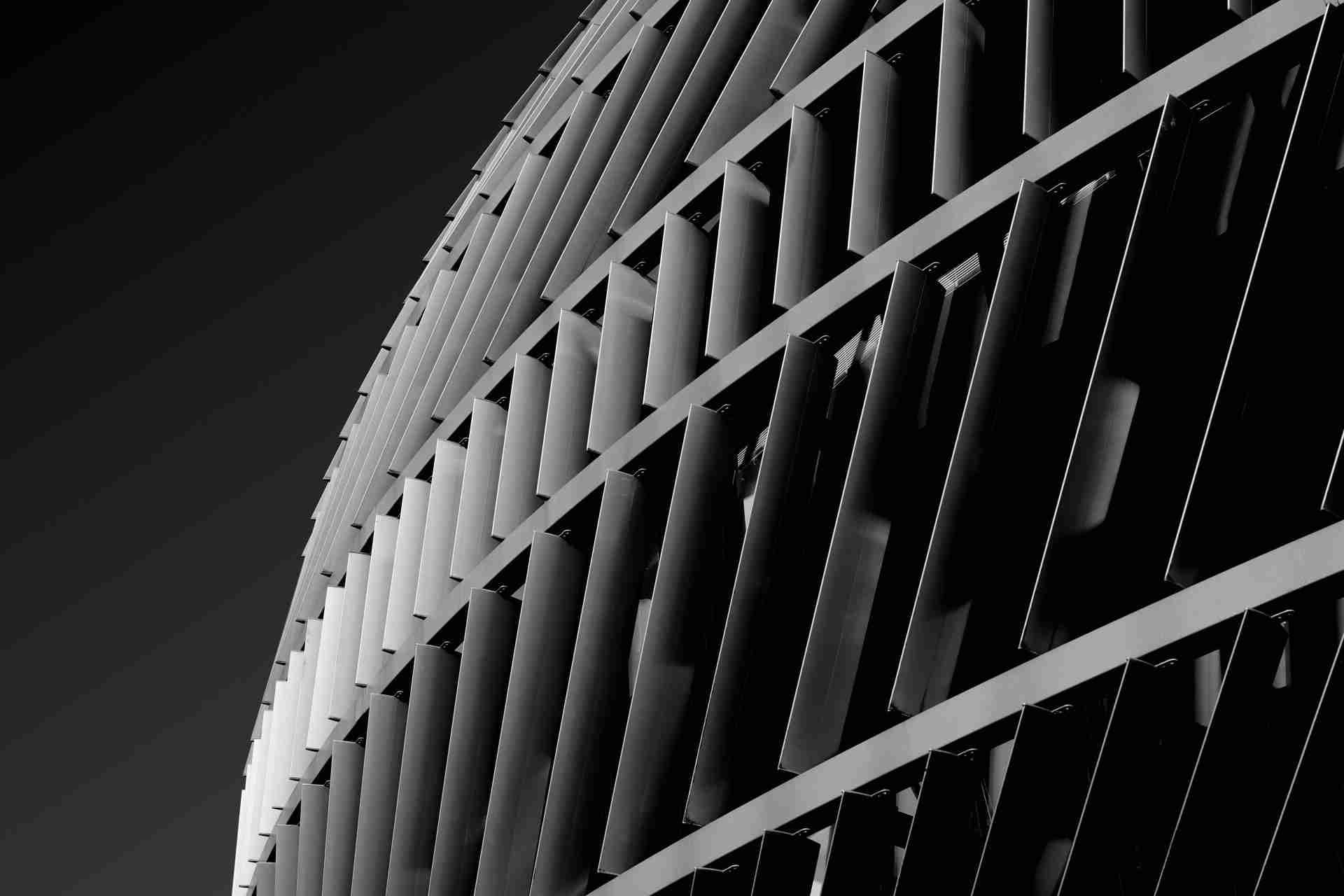
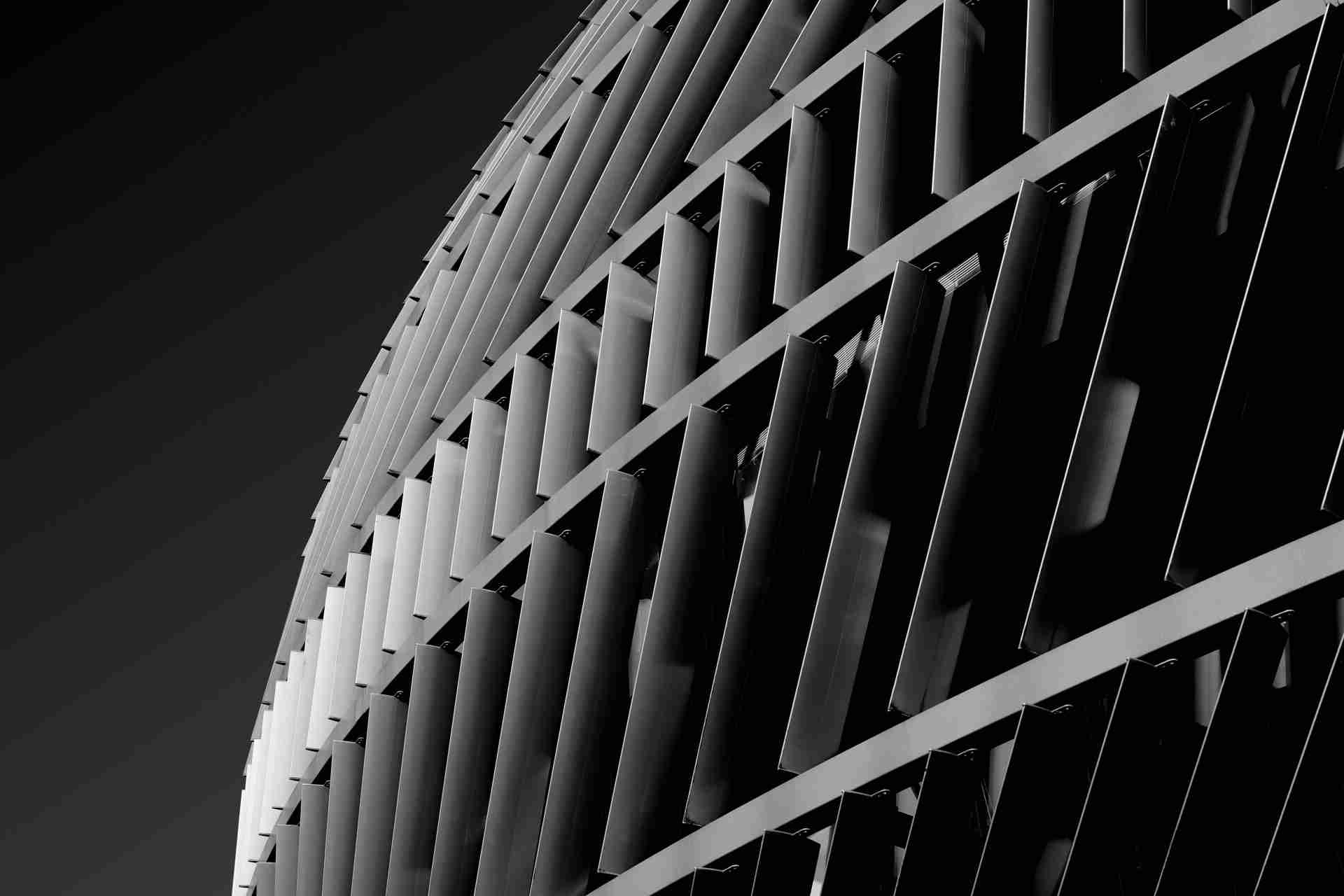
The Ingenuity Building is clad in zinc and glass, materials that change appearance depending on the angle and light quality. Get in close with a telephoto or medium focal length lens to explore these surfaces. Look for the seam lines in the metal or reflections of students walking past in the glass walls. The staircases and overhangs also offer abstract compositions, especially when shot from underneath or at tight angles that reduce the building to shape and texture. Try working in black and white for these studies to emphasize tone and line without the distraction of color.
• Urban Street Photography
The footpaths around the building provide natural opportunities to place people in frame for scale. Including cyclists, pedestrians, or students sitting along the water's edge helps ground the space and emphasize the relationship between structure and community. Use a fast shutter to freeze movement or a slower one for subtle motion blur. This approach is especially strong in early evening when activity levels are still high and the lower sun begins to cast long shadows from the structure's overhangs.
• Architectural Lines at Blue Hour
As the sun sets, the Ingenuity Building lights up from within, casting a soft glow through its angled glass sections. The structure becomes even more graphic at blue hour when the ambient light fades and the contrast between interior and exterior grows stronger. Bring a tripod to shoot from across the water or the central walkway using long exposures to capture both the glow and the fading sky. The reflections in the lake remain a strong element here, often taking on a cooler cast that balances the warmth of the artificial lighting.
Best Time to Visit
The best time to photograph the Ingenuity Building depends on the kind of image you want. For hard edged architectural studies, early morning and late afternoon provide the best directional light to carve out depth and shadow. Calm mornings are ideal for reflection shots across the water, especially between spring and autumn when wind is minimal. Overcast conditions work well for detail work, flattening contrast and minimizing glare on the metal surfaces. Blue hour is especially productive around the building's perimeter with artificial lighting creating interior glow and gentle spill onto surrounding paths. Weekend mornings offer quieter conditions with fewer people, while weekdays bring more human presence for street or scale inclusive compositions.
How to Get There
The Ingenuity Building is located on the northern edge of the Jubilee Campus along the pond near Triumph Road. If arriving by car, parking is available on campus with visitor passes required. The building is about a 10 minute bus ride from Nottingham city centre. Multiple bus lines serve the campus directly with stops along Wollaton Road and Triumph Road. Pedestrian access is straightforward and the campus is bike friendly with paths running along the lakeside. There are no entrance fees to access the building's exterior or walk the surrounding grounds. Interior access is sometimes possible during public university events or by arrangement, but most photography takes place from the footpaths and water's edge outside.
Recommended Photography Gear
A wide to medium zoom lens in the 16 to 70mm range covers most needs for this location, offering the flexibility to shoot both the full structure and cropped abstracts. A longer lens in the 100mm to 200mm range can help isolate shapes or compress reflections across the pond. A tripod is especially useful for blue hour, long exposures, or low angle compositions. A circular polarizer can help manage glare off the glass and water, especially on bright days. A microfiber cloth is handy for keeping lenses clean in damp conditions or when working close to the water. Minimal gear is best here since you will be moving around to chase angles and light.
Nearby Photography Locations
Located just across the water, this cylindrical library floats within its own reflection. The wooden slats of the exterior add warmth and texture, and the circular shape provides a strong contrast to the angular lines of the Ingenuity Building. It works well as a primary subject or as a counterpoint in wider compositions of the lake.
Several buildings within Jubilee Campus feature dramatic modern design, including the Energy Technologies Building and the Aerospace Technology Centre. Their sharply angled facades, metallic finishes, and integrated sustainable features offer abstract forms and strong light play, especially under changing weather conditions.
A short drive or cycle away, this expansive public park includes a historic Elizabethan mansion set on rolling green hills. It is excellent for wide landscape compositions, portrait work, or classic architectural photography. The hall is especially dramatic in side light during golden hour and is frequently used as a backdrop in cinematic style work.
Running close to the university, the Beeston Canal is ideal for quiet, linear compositions. Narrowboats, reflections in the water, and arched bridges offer contrast to the modernity of Jubilee. It is best visited in early morning light when the canal is calm and undisturbed.
Located in the Lace Market district, this modern art gallery is known for its textured concrete facade and urban surroundings. It is a sharp shift from the campus environment and offers gritty, geometric framing in the context of the city center. It pairs well with an architectural shoot day focused on design variety.
Comments
Loading comments…