
Woodland Elegance: A Photographer's Guide to Jesmond Dene, Newcastle upon Tyne
Tucked into a picturesque valley just east of Newcastle city centre, Jesmond Dene is a tranquil green space that weaves natural beauty with Victorian heritage. This wooded ravine, carved by the River Ouseburn, is a haven for photographers seeking to capture a rich variety of subjects within a single, accessible location. From cascading waterfalls and stone bridges to dense foliage and historical ruins, Jesmond Dene presents a dynamic blend of compositional opportunities. Every twist in the path reveals another vignette, offering scenes that range from moody forest portraits to wide-angle landscapes brimming with seasonal color.
Best Photography Opportunities
• Stone Bridges Over the Ouseburn
Several moss-covered stone bridges cross the River Ouseburn, offering quintessential woodland scenes perfect for both wide-angle landscapes and intimate vignettes. These bridges frame beautifully when shot from the riverbanks, where their arches reflect in the slow-moving water. Early morning light creates subtle mist and long shadows, while overcast days soften the contrast and allow for detailed exposures. By incorporating foreground foliage or fallen logs, photographers can add depth and texture to their compositions. Exploring different vantage points on each side of the river reveals how the bridges interact with their environment, especially when wet weather deepens the stone tones.
• Jesmond Dene Waterfalls
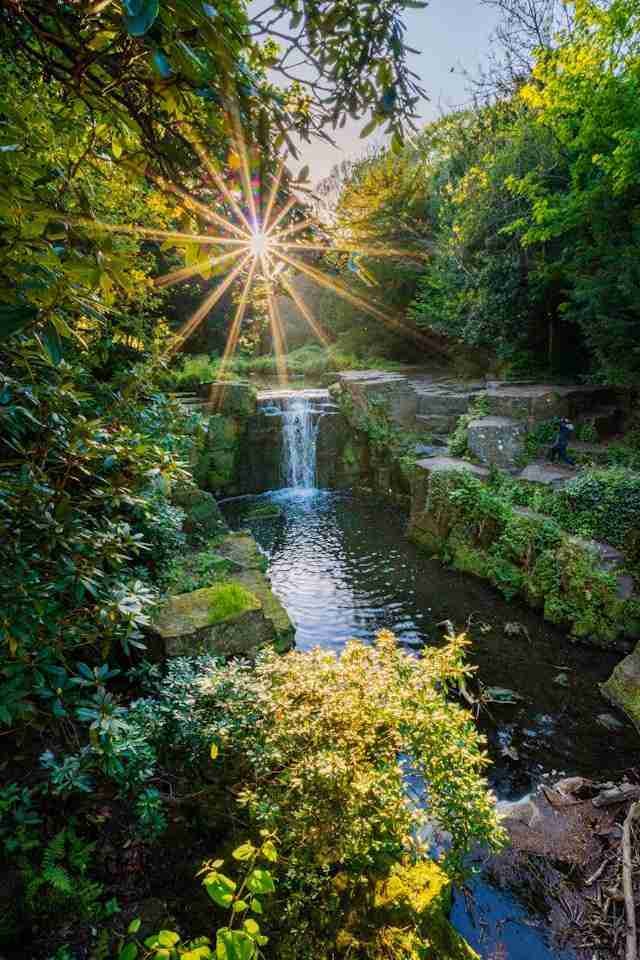
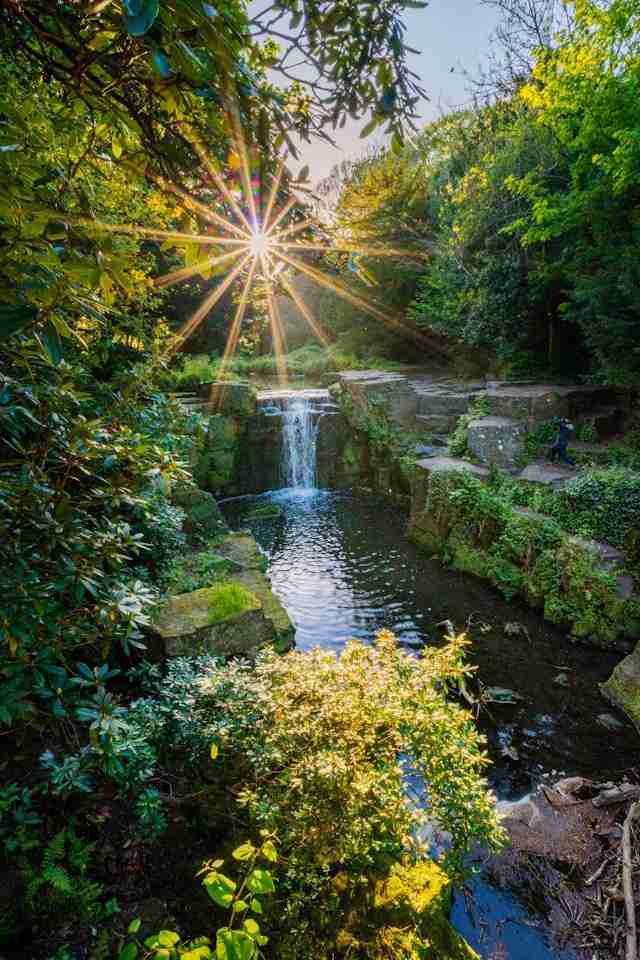
Tucked within the curve of the river, the waterfalls in Jesmond Dene are modest in scale but visually compelling, especially after rainfall. Set your tripod on the nearby footpath and compose with surrounding rocks, ferns, or autumn leaves to create a frame that draws the viewer's eye toward the flowing water. A neutral density filter will allow for long exposures that smooth the movement of the water, producing a serene, ethereal effect. This area comes alive in spring with fresh greens and in autumn with warm hues that reflect in the pools below, making it ideal for seasonal storytelling.
• The Banqueting Hall and Historical Ruins
Built in the 19th century and now partially in ruin, the Banqueting Hall provides an atmospheric counterpoint to the Dene's natural surroundings. Its weathered stone façade, framed by overhanging branches, creates a romantic, almost cinematic backdrop. Photographers can shoot through foliage to create natural framing or use longer focal lengths to compress the structure against its leafy backdrop. During golden hour, soft sidelight brings out the texture in the masonry, making it an excellent location for architectural studies and historical-themed shoots.
• Portraiture in Woodland Clearings
The shaded trails and open glades of Jesmond Dene provide versatile backdrops for portrait photography. Dappled light filtering through the tree canopy adds drama and softness to environmental portraits, while secluded pathways offer natural leading lines that draw focus toward the subject. Using a wide-aperture lens, such as an 85mm at f/2, allows for pleasing background separation while maintaining the character of the forest. This setting is especially popular for family and engagement shoots thanks to its storybook charm and easy access.
• Macro Opportunities and Seasonal Detail
Jesmond Dene offers countless chances to explore the smaller elements of nature like moss growing along a stone wall, droplets of dew on a curled leaf, or a spiderweb glistening in the morning light. A dedicated macro lens or a close-focusing mid-range zoom can be used to isolate these moments and emphasize pattern, form, and color. Springtime brings blossoms and budding plants, while autumn offers richly textured leaves in varying stages of decay. Even in winter, frost and bark detail can yield compelling abstract compositions.
Best Time to Visit
Jesmond Dene reveals different photographic personalities depending on the season, and each brings distinct lighting and environmental advantages. Spring is marked by vibrant new foliage, wildflowers, and active birdlife, offering fresh colors and energy to the scene. Early summer delivers fuller canopy coverage and stronger contrasts between light and shadow, ideal for experimenting with layered forest compositions.
Autumn is arguably the most photogenic time, with Jesmond Dene transforming into a kaleidoscope of orange, yellow, and red tones. Reflections in the river, scattered leaves along pathways, and golden light filtering through thinning trees provide endless inspiration. Winter, though quieter, offers stark contrasts, subtle lighting, and opportunities for moody black-and-white work, especially after frost or snowfall.
For optimal shooting conditions, early morning visits provide soft, directional light and fewer visitors. Late afternoon light can be equally rewarding, especially near the ruins or riverside. Weekdays are quieter than weekends, making them preferable for uninterrupted photography. Rain can deepen color saturation, and mist adds a dreamy quality to landscapes—so even wet days can be rewarding if approached thoughtfully.
How to Get There
Jesmond Dene is located just two miles northeast of Newcastle city centre. It is easily accessible by car, metro, or on foot. Drivers can park at dedicated lots near Jesmond Dene House or along adjacent roads like Ilford Road and Cradlewell. For public transit users, Jesmond Metro Station is a short walk away and connects conveniently to the city's core.
The park is free to enter and open year-round. Its trails are well-marked and range from paved paths to natural dirt trails, some of which can be muddy or uneven after rain. Photographers should wear sturdy, waterproof footwear and be mindful of varying terrain. Although the Banqueting Hall is fenced off, it remains clearly visible and photographable from multiple angles. For longer sessions, consider bringing snacks and water, as amenities are limited within the park itself.
Recommended Gear for Jesmond Dene
To fully capture Jesmond Dene's visual diversity, pack a wide-angle zoom (16–35mm) for landscapes, waterfalls, and forest interiors. A mid-range zoom (24–70mm) works well for portraits, tighter architectural compositions, and spontaneous wildlife. A telephoto lens (70–200mm) can help isolate distant subjects or compress scenes, particularly in the more open areas near the bridges and ruins.
A sturdy tripod is essential for long exposures at waterfalls and low-light forest scenes. A circular polarizing filter helps control reflections in water and enhances foliage color, while a neutral density filter extends exposure time for dynamic water movement. For macro work, a 90mm or 100mm macro lens allows for sharp detail in small natural subjects. Don't forget microfiber cloths for wiping moisture, extra batteries for extended shooting sessions, and a weather-resistant backpack to carry it all comfortably through the trails.
Nearby Photography Locations
feature formal plantings, architectural symmetry, and seasonal blooms, making it a perfect complement to the park's natural feel. The manicured environment contrasts beautifully with the wildness of the Dene.
offer human interest and urban perspective. On market days, the ornate iron bridge is filled with vendors and crowds, providing a colorful counterpoint to nature scenes below.
lies just to the southeast and expands the landscape palette with open lawns, reflective ponds, and mature trees—ideal for wide-angle views and family portrait settings.
downstream provides a mix of restored industrial buildings, graffiti walls, and riverside paths. It's a great spot for combining landscape and urban photography themes.
northwest of Jesmond offer expansive skies, grazing livestock, and panoramic city views. These areas are perfect for minimalist compositions or golden hour skyline shots.
Comments
Loading comments…