
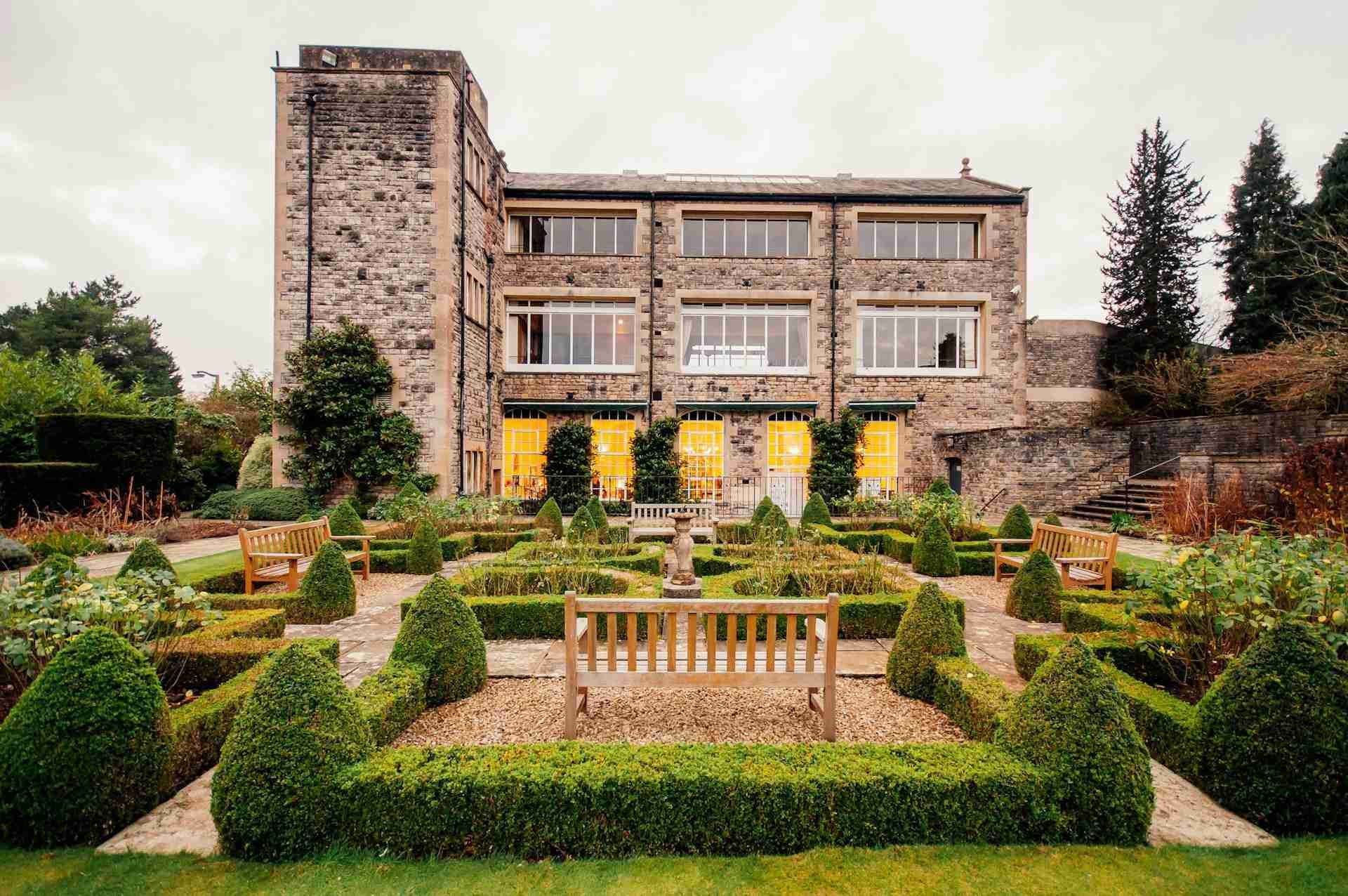
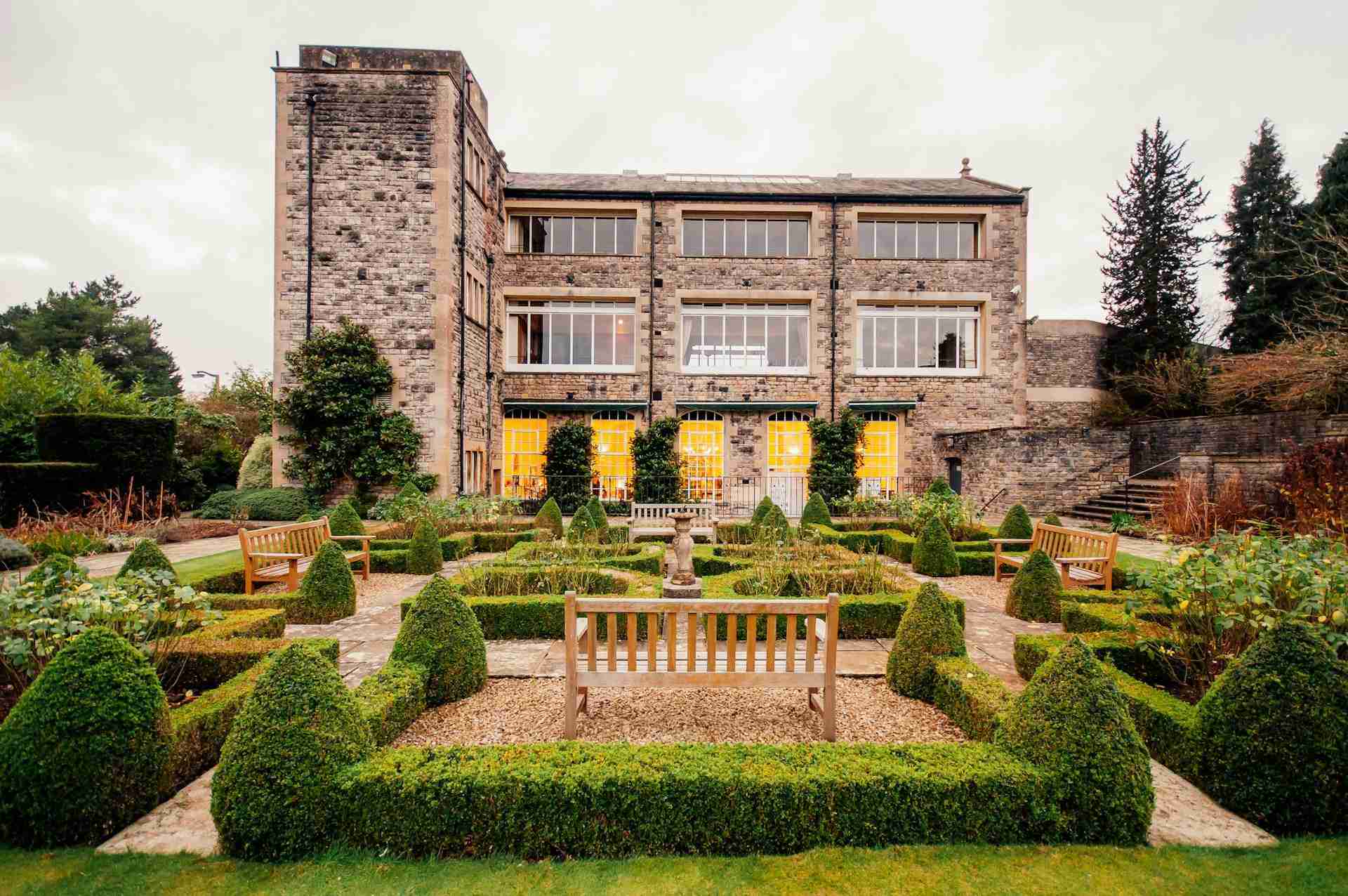
Set against the dramatic backdrop of a towering 19th-century railway viaduct, Kilver Court Gardens in Somerset presents a unique harmony of formal design, botanical richness, and industrial heritage. Located near the village of Shepton Mallet, these three-and-a-half-acre gardens offer a carefully curated blend of plant collections, structural symmetry, and natural textures. Originally laid out in the early 1900s as a model garden for a lace factory, and later restored by Roger Saul of Mulberry, Kilver Court has become a haven for landscape photographers seeking compositional elegance with a historical twist. The juxtaposition of lush English horticulture and imposing stonework creates a dynamic environment where classical elements and bold vertical features share the frame.
Best Photography Opportunities
• Formal parterre and viaduct alignment
The parterre garden at the heart of Kilver Court is a masterclass in visual order and symmetry. Neatly clipped box hedges define geometric beds filled with seasonal plantings, which stretch in straight lines toward the towering arches of the 19th-century viaduct beyond. This alignment naturally guides the eye from foreground to background and gives photographers the opportunity to create strong leading lines and structured depth. Early morning and late afternoon light rakes across the flowerbeds and casts long, defined shadows that bring dimensionality to the scene. Use a wide-angle lens from a low vantage to exaggerate the foreground structure while preserving the full arc of the viaduct in the frame. Revisit throughout the year to document how seasonal changes alter color, texture, and contrast within the same compositional framework.
• Viaduct reflection in the millpond
Perhaps the most peaceful and rewarding composition at Kilver Court is found by the millpond, where the stone arches of the viaduct reflect with startling clarity on the pond's surface. The best reflections occur early in the morning, when the water is undisturbed and the light is low. Position yourself slightly off-center to catch both the symmetrical reflection and a patch of garden foliage in the foreground for added layering. On windless, overcast days, the light becomes diffuse, which reduces glare and allows subtle color gradations in the foliage and stone to shine. Use a polarizing filter to control reflection intensity and adjust for the desired balance between surface clarity and submerged texture. A tripod allows for a tight aperture and long exposure to bring sharpness throughout the scene, especially useful when light levels are low.
• Seasonal floral borders and macro detail
Kilver Court's planting schemes evolve beautifully across the year, with densely planted borders that provide a continual source of detail-rich compositions. Spring introduces bulb flowers like tulips and narcissus among unfurling foliage, summer brings high color density with cosmos, echinacea, and salvias, while autumn sees fading blooms accompanied by rich textures of seedheads and fading leaf color. A macro lens or fast prime lens is ideal for isolating these subjects with shallow depth of field, highlighting petal edges, pollen-dusted stamens, or morning dew. Backlight during early morning hours adds glow to petals and transparency to leaf structures, while overcast conditions yield softer shadows and more nuanced tonal control. These floral details are ideal for building visual variety into a larger photo essay on the gardens.
• Rockery and alpine garden studies
The rockery area, though smaller in scale, is rich in visual rhythm and subtle contrasts. It features tightly planted alpine species, mosses, and groundcover arranged among angular rocks and carefully designed contours. Compositions here benefit from studying the interplay between organic shapes and the geometry of stone. Use a mid-range zoom to isolate sections of the rockery without distortion, or shoot wide and close to emphasize foreground flora while letting the layered garden elements recede. In late spring and early summer, alpine blooms add bursts of saturated color that stand out dramatically against neutral rock tones. Light changes rapidly in this section due to surrounding shrubs and undulations—use side lighting to capture leaf texture or try diffused light to emphasize color over contrast.
• Silhouettes and architectural framing at dusk
As the sun lowers, the viaduct's towering arches become stark silhouettes against the sky, especially when viewed from the far corners of the garden. In this light, the garden's plantings and structures serve as a moody foreground, while the arches gain graphic prominence. Frame the viaduct through natural elements such as trees, pergolas, or climbing plants to add dimensionality and contrast between hard and soft forms. Blue hour extends the shooting window, during which long exposures reveal ambient light reflecting from the pond or the soft glow from surrounding path lighting, if active. A tripod is essential here, and exposure bracketing helps retain detail in both darkened garden elements and the cooling sky. This period is particularly effective for black-and-white conversions that emphasize shape and structure.
Best Time to Visit
Kilver Court Gardens is photogenic throughout its open season, which typically spans from spring to late autumn. Each period offers distinct visual opportunities, depending on your focus.
Spring begins in March and peaks by late April, when tulips, daffodils, and blossoming shrubs provide vibrant foregrounds against the bare viaduct. Light is softer, and morning mist is common—especially welcome for atmospheric garden photography. This is an excellent season for macro work and for capturing the garden's symmetry before the foliage becomes too dense.
Summer, particularly from June through early August, brings full floral displays, lush lawns, and architectural borders in their prime. The parterre and millpond are best captured in the morning or late afternoon to avoid harsh midday light. Early evening golden hour sessions provide warmth across the viaduct's stone, while insects and pollinators animate flowerbed compositions.
Autumn, from mid-September into October, is defined by saturated tones in perennials, foliage color shifts, and seedhead textures that photograph beautifully in low-angle light. Misty mornings and deepening shadows add visual drama and structure to compositions. This is also the best time to shoot in black and white, especially in the rockery or around sculptural garden elements.
The gardens are generally quieter on weekday mornings and late afternoons, providing better conditions for setting up tripods, exploring angles without interruption, and capturing uncluttered scenes.
How to Get There
Kilver Court Gardens is located on Kilver Street in Shepton Mallet, Somerset, just off the A37 and A361 roadways. The site is well signposted and easily accessible by car. From Bath or Wells, the drive takes approximately 30 to 40 minutes. On-site parking is available adjacent to the garden entrance and retail complex.
For public transport users, the nearest railway stations are in Castle Cary or Bath Spa, from which buses or taxis can reach Shepton Mallet. Bus services operate from several surrounding towns but are limited on weekends, so planning ahead is essential if relying on public transit.
The gardens are located within the Kilver Court retail and lifestyle complex, and entry to the garden requires a modest admission fee. Tickets are available on-site and occasionally online. The site includes a café and restrooms, making it suitable for extended visits. The garden paths are level and accessible, though some narrower areas may require patience when setting up tripods or photographing in close quarters.
Recommended Photography Gear
Kilver Court's variety of formal compositions, water reflections, and fine botanical detail calls for a flexible but deliberate kit. A wide-angle zoom (16–35mm) is ideal for capturing the parterre and viaduct alignment, especially from low angles. A mid-range zoom (24–70mm) allows for balanced compositions of garden structure and contextual plantings, offering the reach needed to isolate scenes without distortion.
A fast prime or macro lens (50mm to 100mm) is invaluable for detail studies—petals, leaf texture, pollinators, or weathered garden elements. A circular polarizer is essential when working near the millpond or for cutting reflections off foliage after rain. A neutral density filter (3- to 6-stop) can help smooth water during long exposures or soften motion in drifting leaves.
A tripod is highly recommended for early morning or blue hour work, especially when shooting reflections or architectural compositions at slower shutter speeds. A remote release or timer minimizes vibration. Soft shoes help maintain discretion in quiet garden paths, and a weather-sealed backpack ensures gear stays protected during sudden weather changes.
Pack a lens cloth and sensor blower—mist and plant pollen can accumulate quickly when working close to floral borders. Because the gardens are relatively compact, photographers can comfortably carry their full kit without excessive weight.
Nearby Photography Locations
About 25 minutes away, this hilltop site offers panoramic views of Somerset and strong silhouette compositions of the tower against sunrise or sunset skies. Ideal for wide landscape work or foggy atmospheric scenes.
Located just 15 minutes west, this medieval cathedral and adjoining formal gardens offer dramatic Gothic architecture, reflective water features, and cloistered detail. Best in golden hour or subdued light for capturing stonework.
A dramatic limestone gorge perfect for high-contrast black and white, wide vistas, and tight rock texture studies. Early morning light rakes across the cliffs, and mist can settle in the valley below.
A grand 18th-century garden with a central lake, classical temples, and sweeping woodland paths. Excellent for large-scale compositions with strong seasonal color, especially in autumn.
A contemporary garden estate with walled gardens, orchards, and architectural landscaping. Best suited for photographers interested in garden design, symmetry, and modern rural aesthetics.
Kilver Court Gardens rewards the photographer who pays attention to form—how stone, hedge, water, and bloom meet under shifting English light. It's a location where structure doesn't overpower softness, and where every season brings a different rhythm of color, geometry, and shadow. For those seeking elegance grounded in place and history, it's a Somerset gem waiting to be framed.
Comments
Loading comments…