
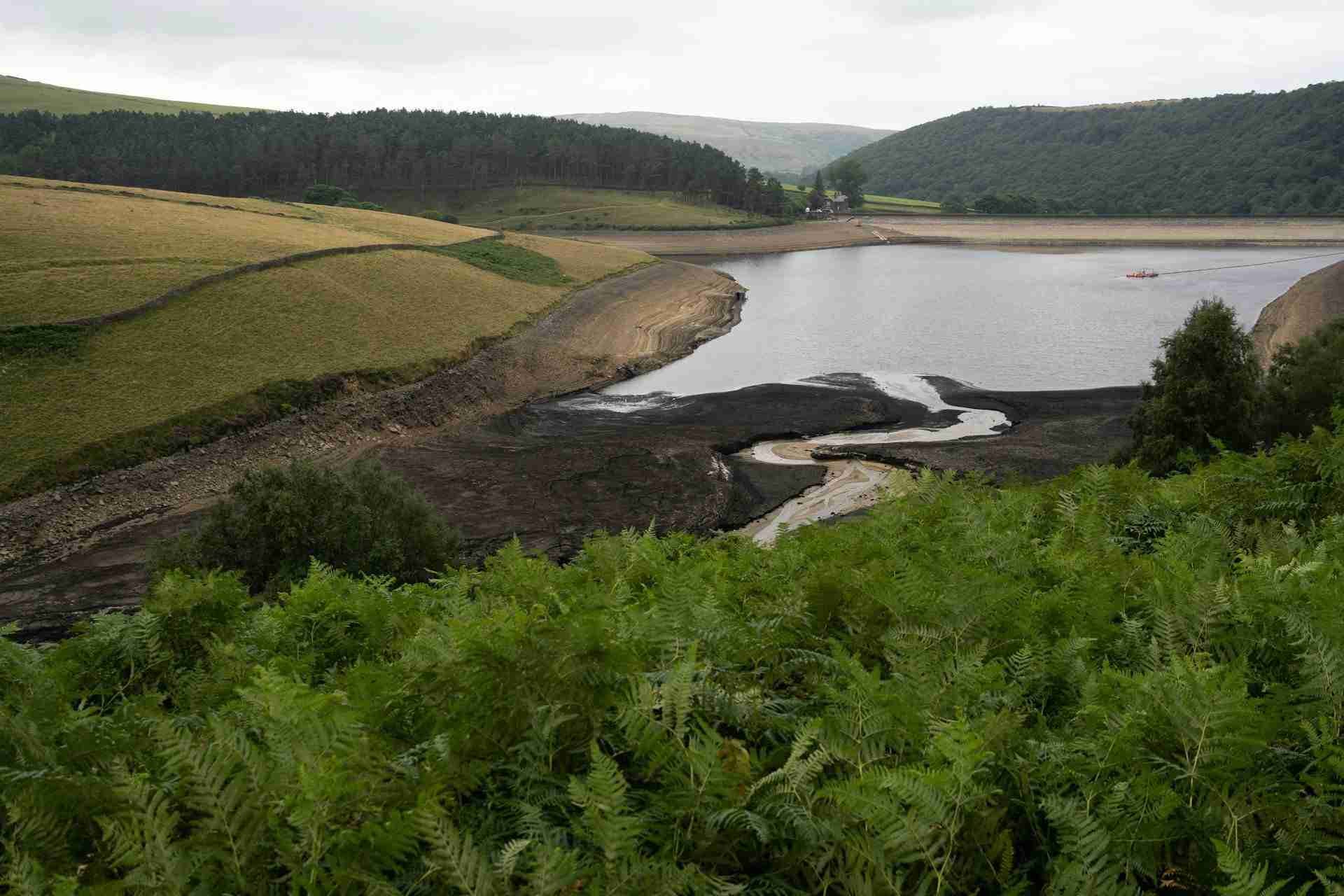
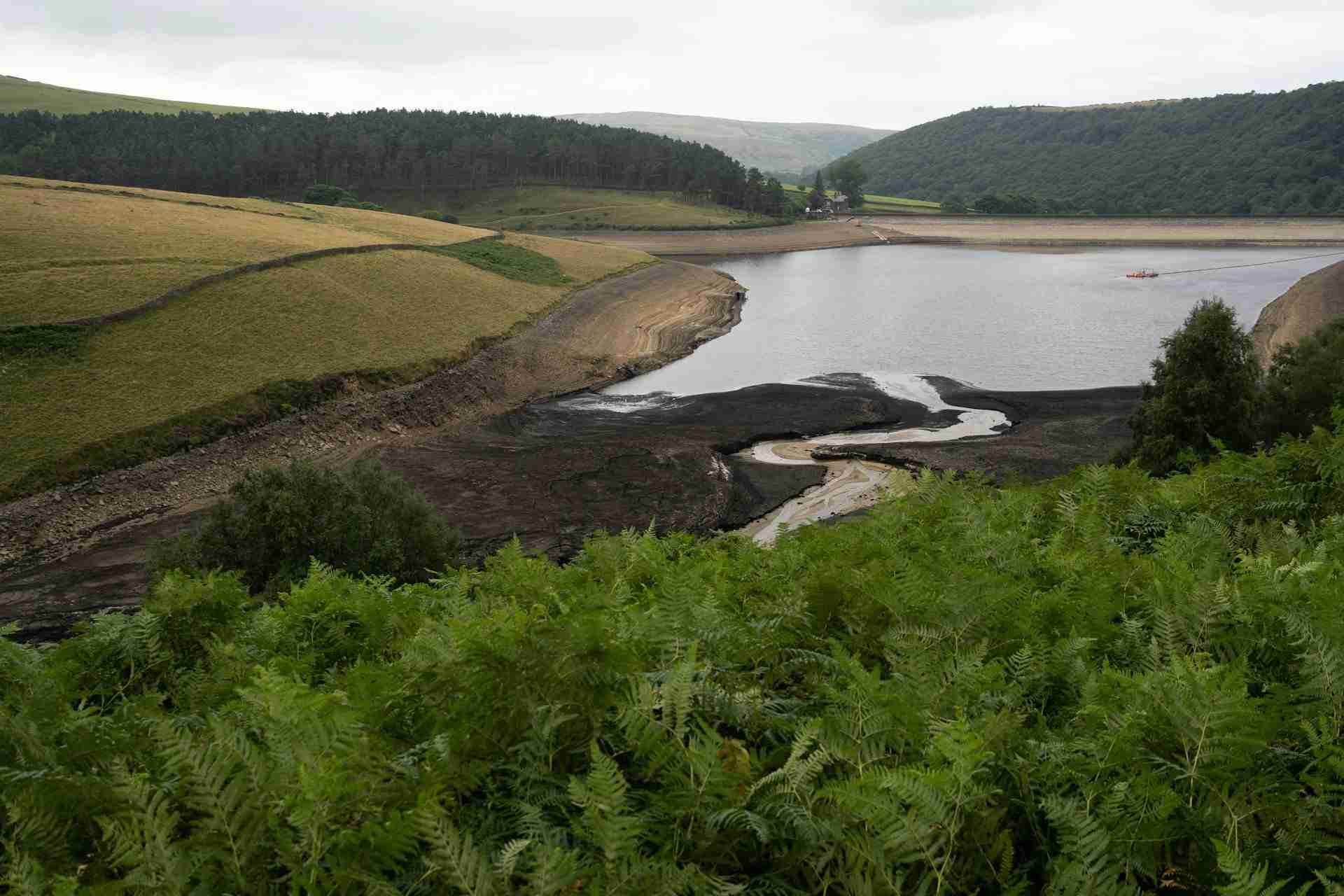
Tucked beneath the western edge of Kinder Scout—the highest point in the Peak District—Kinder Reservoir is a moody and atmospheric subject for landscape photographers. Surrounded by gritstone edges, wild moorlands, and peaty hillsides, the reservoir sits at the convergence of several classic walking routes, offering a rich mix of compositional elements. Whether you're aiming to capture still reflections, dramatic light rolling over the Dark Peak, or the raw textures of the high moors, Kinder Reservoir provides a varied and rewarding location that changes character with every season and shift in weather.
Best Photography Opportunities
• Reflections on calm days from the reservoir's southern edge
: The best views for mirror-like reflections are found near the dam at the southern end of the reservoir. On still mornings, the water often reflects the flanking hillsides, sky, and clouds with painterly precision. A wide-angle lens allows you to frame the shoreline with stone walls or fences in the foreground, enhancing depth. Early morning offers soft, even light and frequent mist, which can lend a quiet, ethereal atmosphere.
• Looking back toward Kinder Scout from the northern path
: As you ascend the track toward William Clough or Snake Path, the view looking back over the reservoir opens up dramatically. This vantage allows you to capture the curved expanse of the reservoir cradled beneath Kinder Scout's high plateau. Use a mid-range zoom to compress the sweeping curve of the water against the steep moorland backdrop, especially when low clouds cling to the escarpment. Including walkers in the frame adds scale and a human narrative to the rugged terrain.
• Long exposures of the dam overflow and outflow channel
: The dam features a distinctive outflow structure that makes for striking architectural detail when framed thoughtfully. Long exposures with a neutral density filter can turn the flowing water into a silky blur, especially effective in low light or on overcast days. Use strong leading lines from the path or wall to guide the viewer's eye through the composition.
• Minimalist compositions of moorland and sky
: The area surrounding the reservoir is defined by broad, open moorland—ideal for minimal landscape studies. Isolate lone fence posts, gritstone boulders, or peat channels against the sky for stark compositions, especially under heavy cloud cover. A telephoto lens can compress ridges and enhance the tonal transitions between land and atmosphere.
• Dramatic weather and layered landscapes from Kinder Edge
: For adventurous photographers, hiking up to Kinder Scout's edge provides a sweeping aerial perspective over the reservoir and the valley below. The weather changes rapidly here, offering a chance to shoot mist rolling across the plateau or shafts of sunlight breaking through stormy skies. A telephoto lens is useful for isolating shapes and shadows across the moorland or catching light playing over the water.
Best Time to Visit
Kinder Reservoir can be photographed in every season, but each brings its own mood. Spring and summer offer lush grasses, wildflowers, and higher chances of calm, reflective water. Autumn introduces bracken and heather turning to deep orange and purple tones, while winter brings stark contrasts, frost-covered slopes, and a stripped-back aesthetic ideal for black and white photography.
Sunrise provides the most consistent light on the reservoir's surface and is often accompanied by mist or dramatic color in the sky. Sunset can also be rewarding, especially when shooting back toward the plateau from the northwestern tracks, with warm light catching the contours of the hills.
Cloudy and overcast days are excellent for long exposures, detail shots, and minimalist compositions, while clear post-storm skies often produce high-contrast light and wide visibility across the hills.
How to Get There
Kinder Reservoir is best accessed from the village of Hayfield in Derbyshire, located at the western gateway to the Peak District National Park. From Hayfield, follow Kinder Road east toward Bowden Bridge. A designated pay-and-display car park at Bowden Bridge offers convenient access to the main path leading to the reservoir.
From the car park, it's a 15–20 minute walk along a gravel track that leads past farmland and opens up to the reservoir dam. For extended compositions and higher viewpoints, continue walking north toward William Clough, or follow the Snake Path around the perimeter of the reservoir.
There is no entrance fee, and the path is open year-round, though weather conditions on the moors can change quickly. Good walking boots and layered clothing are essential.
Recommended Gear and Shooting Tips
A wide-angle lens is essential for capturing full views of the reservoir, sky, and surrounding moorland. A mid-range zoom (24–70mm) is excellent for shooting ridgelines, dam structures, and compositions with foreground interest. A telephoto lens (70–200mm or longer) is valuable for compressing moorland layers, capturing weather systems, or isolating human figures in the vast landscape.
A tripod is key for long exposures, especially in early light or when shooting water movement around the dam. Neutral density filters allow for smooth water and cloud motion during daylight hours, while a polarizer can reduce glare and increase contrast in wet grass, stone, and sky.
Use strong leading lines—dry stone walls, fences, and paths—to structure your compositions. Watch for breaks in the cloud or sudden bursts of sun that highlight the shapes of the hills and bring drama to the image. Return in different conditions to explore the full range of moods the location offers.
Nearby Photography Locations
: Just above the reservoir on the plateau, Kinder Downfall is the Peak District's tallest waterfall and makes for dramatic compositions, especially when wind blows the water backward over the edge. It's best photographed after heavy rain or in winter freeze, when icicles form along the cliffs.
: South of Hayfield, this open moorland offers panoramic views back toward Kinder and distant hills. It's quieter than the main routes and ideal for wide, layered shots under shifting skies.
• The Snake Path
: This classic footpath winds around the reservoir and climbs toward Ashop Head, providing continuous views over the valley and water below. The trail is rich with photo opportunities including stone stiles, heather, and distant ridgelines.
: A short hike west of Hayfield, this lower summit offers views back across the reservoir and into the High Peak. It's a great spot for sunrise or catching storm light moving over the hills.
: Starting in Hayfield, this gentle former railway route winds toward New Mills, offering riverside scenes, wooded areas, and views of the hills rising behind farmland. It's ideal for lowland compositions and soft light conditions.
Kinder Reservoir combines the brooding scale of the Peak District's high moors with the peaceful geometry of still water. Whether you're chasing reflections, moody skies, or the texture of the land itself, it's a location that rewards patience and invites a slow, observant approach to capturing the landscape.
Comments
Loading comments…