
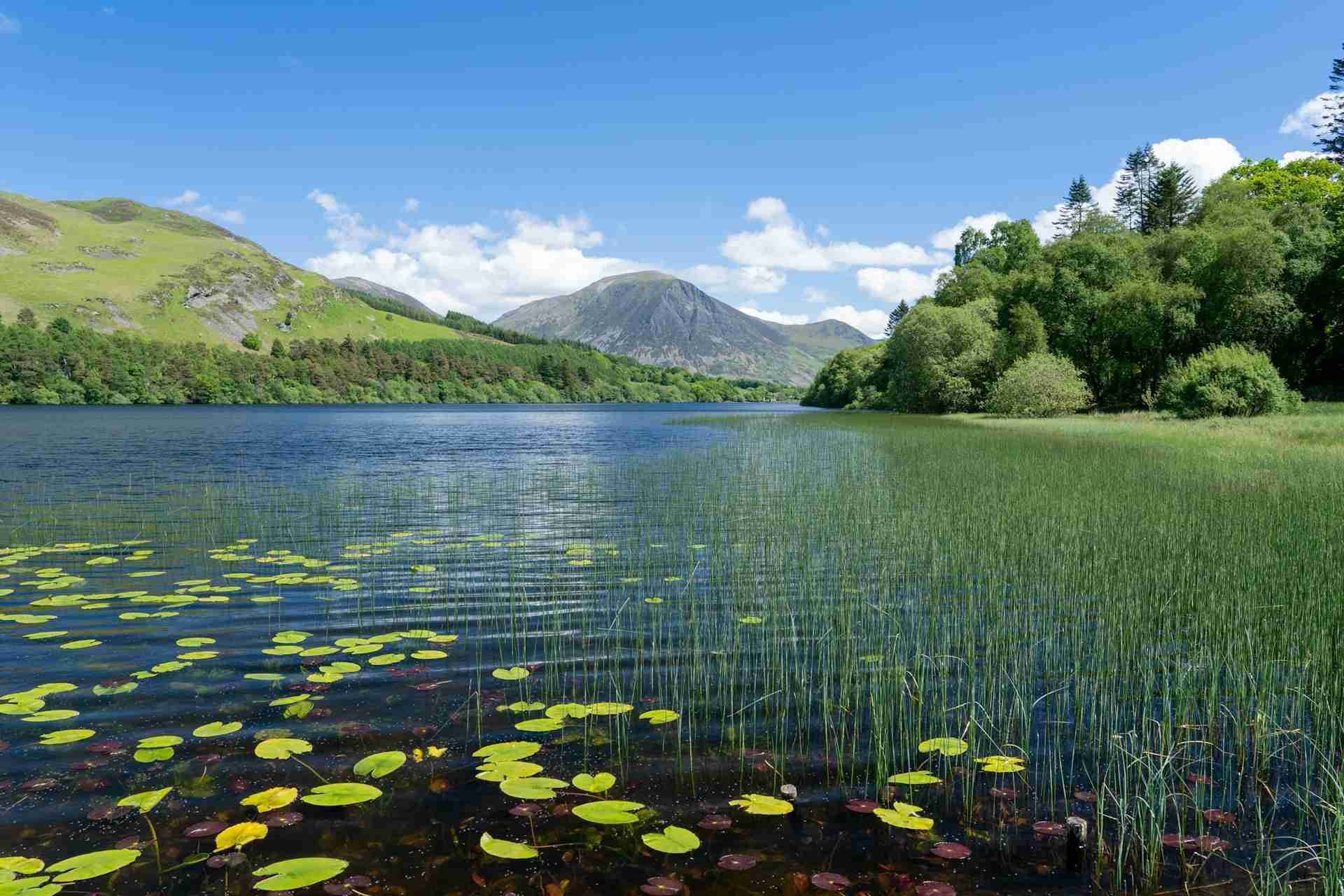
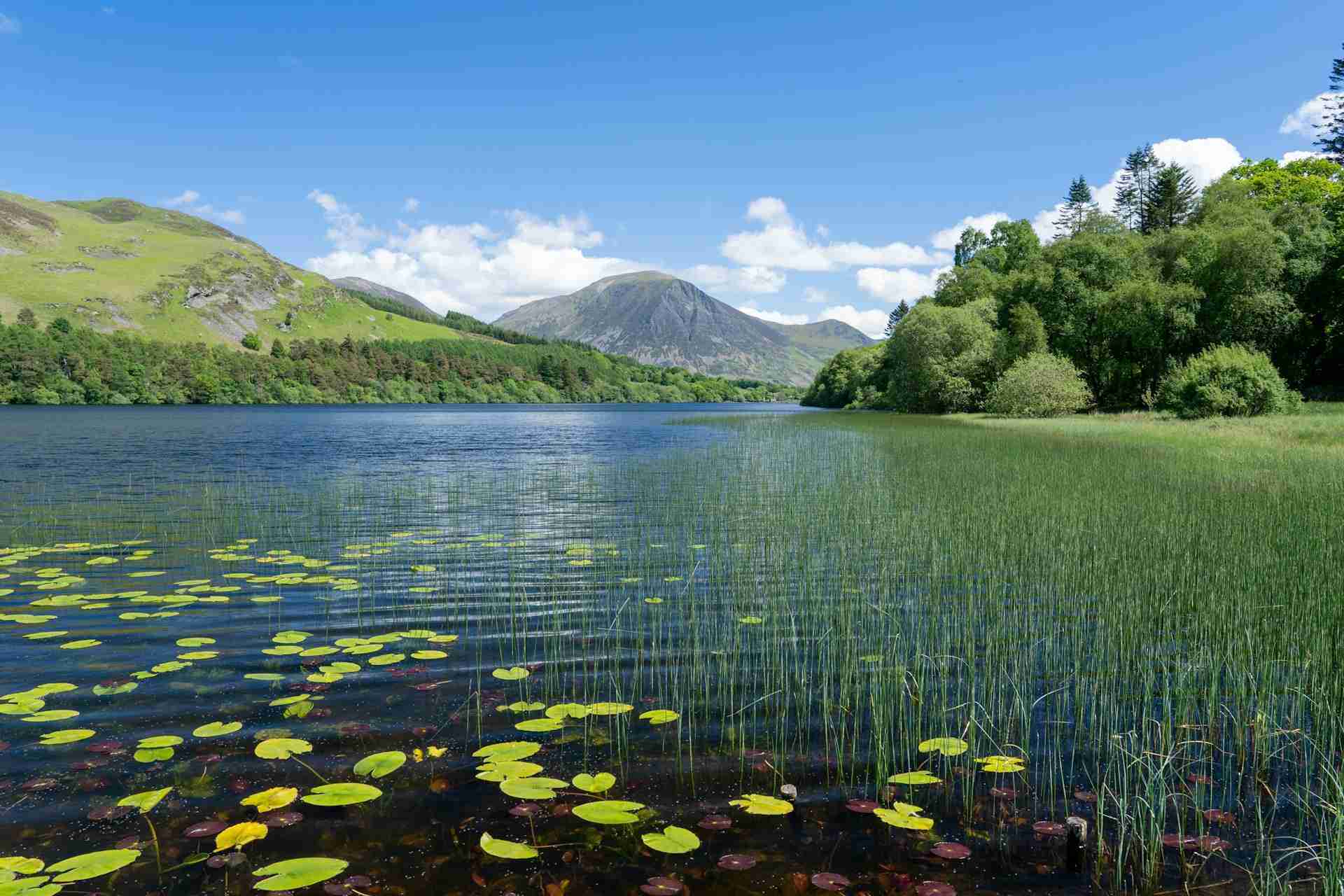
Tucked into the quiet northwestern corner of the Lake District National Park, Loweswater is one of Cumbria's most understated gems. Unlike the more visited lakes such as Windermere or Derwentwater, Loweswater offers photographers a sense of solitude and stillness—qualities that are increasingly rare in this dramatic and often crowded landscape. Framed by rolling hills, ancient woodland, and the mirrored slopes of Carling Knott and Burnbank Fell, the lake is a haven for those who favor minimalism, atmosphere, and moody natural light. Its shallow waters and calm surface lend themselves perfectly to reflection work, and the surrounding landscape shifts in mood with every passing cloud, making Loweswater a location that rewards return visits and patient observation.
Best Photography Opportunities
• Reflections from the Eastern Shore
: The eastern side of Loweswater provides perhaps the most consistent and rewarding reflective compositions in the area. Here, the surface of the lake is often mirror-flat in the early morning and late evening, especially when winds are light. From this vantage, you can photograph the full sweep of Carling Knott and Burnbank Fell mirrored in the water, with the surrounding woodlands framing the view. Compositions here benefit from careful attention to symmetry—use a wide-angle lens at a low position near the water's edge to maximize the effect. In spring and autumn, mist clings to the water and adds an ethereal quality to your shots. This area also allows for long exposures that smooth the lake's surface and enhance the contrast between reflection and reality.
• Holme Wood and the Hidden Waterfall
: Holme Wood is a secluded forest on the lake's southern edge, filled with old-growth oak, birch, and beech trees, their trunks often wrapped in moss and ferns. The light here filters in through the canopy in gentle shafts, especially during early morning or just after rain, when the forest feels alive with color and moisture. Photographers will find no shortage of compositions—from the soft chaos of tangled roots to narrow forest paths winding between trunks. The crown jewel of the woodland is Holme Force, a slender waterfall cascading down a steep, mossy ravine. The falls are partially hidden, adding a sense of discovery, and they photograph beautifully with a moderate long exposure that blurs the water into a silk ribbon against the dark rock. Be sure to bring a tripod and a polarizer to cut glare from wet stones and amplify the lush greens.
• Loweswater from Burnbank Fell
: For a commanding view that reveals the full character of Loweswater's basin, make the hike up Burnbank Fell. The climb is steady and not overly technical, but it opens up quickly into expansive views over the lake, with the Solway Firth and even the distant Galloway hills visible on a clear day. From higher up, Loweswater appears nestled in its quiet bowl, framed by pastoral land and framed with dense woodland. Early morning is best here, especially when light breaks over the eastern ridge and casts long, cinematic shadows across the fields below. Use a medium telephoto to compress the landscape and isolate bands of light and texture, or shoot wider to incorporate trails or stone walls into your foreground. This spot is particularly photogenic in late autumn, when bracken on the slopes glows in orange and rust tones against darkened tree cover.
• Evening Light from the Northern Approach
: As you approach Loweswater from the village of Mockerkin to the north, the winding country road offers multiple elevated pull-offs with unobstructed views across the lake. In the golden hour, light drops in from the west and highlights the tops of the surrounding fells, especially Burnbank and Blake Fell, while shadow creeps upward from the shoreline. These subtle gradations in tone make for painterly compositions that emphasize texture and softness over drama. Try shooting with a longer lens to compress the foreground lane or stone wall into the lake beyond. As the sun lowers, the trees along the shoreline ignite with warm color, and sheep grazing in the foreground pastures add scale and a sense of narrative. This route is ideal for photographers who enjoy scouting roadside locations that evolve with the passing light.
• Wildlife and Seasonal Detail
: Loweswater's quiet, semi-isolated setting makes it a sanctuary for subtle photographic moments—those that reward slow observation and an appreciation for seasonal rhythms. In spring, carpets of daffodils and wild garlic bloom near the lake's trails and woodland edges, while summer brings dense greenery alive with butterflies and dragonflies. In autumn, the forests blaze with color, and fallen leaves create rich ground textures perfect for detail-oriented compositions. Keep an eye out for red squirrels darting through the treetops in Holme Wood, especially early in the day, and watch for roe deer emerging from cover at the forest's edge around dusk. Herdwick sheep roam the fells year-round, their distinctive faces and thick coats providing classic Lake District imagery. A versatile telephoto lens will help you isolate these subjects against the layered backdrop of fields, stone walls, or forest.
Best Time to Visit
Loweswater offers strong photographic potential year-round, but each season brings its own flavor to the landscape. Spring (March to May) is one of the most rewarding times to visit, especially during April when bluebells and wild garlic carpet the edges of Holme Wood. Morning fog is frequent and often lingers until mid-morning, allowing for ethereal, soft-lit compositions over the water.
Summer (June to early September) sees the fullest foliage and richest greens, but also the brightest, flattest light. It's still an excellent time to explore woodland interiors and photograph reflective surfaces in the golden hours of dawn and dusk. Sunrise is especially peaceful at this time of year, with the lake typically calm and the surrounding fells catching the first light in golden tones.
Autumn (late September to early November) transforms the woodland canopy into a palette of ochres, coppers, and scarlet reds. The still lake reflects this tapestry perfectly, and the low angle of the sun throughout the day extends your shooting window with rich directional light. This is also a prime time for capturing wildlife activity, particularly in the early morning and just before sunset.
Winter (December to February) brings a stark beauty to the landscape. Snow often dusts the surrounding fells, and the leafless trees along the shore create striking skeletal forms that work well in monochrome or high-contrast edits. The low winter sun often casts long shadows and warm tones across the frost-covered landscape. Be aware that access roads can be icy, and daylight hours are short, so plan carefully to make the most of your visit.
How to Get There
Loweswater lies approximately 11 miles west of Keswick and just a few miles southeast of the town of Cockermouth. By car, take the A5086 toward Egremont and turn off at the signposted lane leading to Loweswater village. Parking is available near the lake itself at the small National Trust car park adjacent to Watergate Farm. Additional parking can be found further along the lakeshore at Maggie's Bridge, which also serves as a popular starting point for walking trails up Burnbank Fell.
There is no entrance fee required to access the lake or surrounding trails, but parking in National Trust areas may carry a fee, especially in peak season. Public transportation to Loweswater is limited, so a car is recommended for those bringing heavy photographic equipment or planning to shoot at dawn or dusk. The lake's circular path is well-trodden and relatively flat, making it accessible for most visitors. Holme Wood and Burnbank Fell are accessed via clearly marked footpaths from the main loop.
Mobile signal can be patchy in the area, and facilities are limited, so it's advisable to come prepared with food, water, and a physical map if venturing into the woods or up the fells. For drone photographers, note that National Trust property rules may restrict aerial use in certain zones, so check current guidelines before launching.
What You'll Want in Your Bag for Capturing Loweswater
Photographing Loweswater demands a flexible kit geared toward capturing both expansive landscapes and intimate natural details. A wide-angle lens (16–35mm or similar) is essential for maximizing foreground interest when shooting lakeside compositions, particularly when reflections and shoreline textures are in play. Pair this with a standard zoom (24–70mm) for woodland scenes and portraits of light filtering through the canopy.
For the higher trails on Burnbank Fell or wildlife along the shoreline, a longer telephoto (70–200mm or 100–400mm) gives you reach and compression for distant subjects or tightly framed ridgeline abstracts. A sturdy tripod is a must for low-light work, especially during misty mornings or twilight sessions along the lake's eastern shore. Polarizing filters are particularly effective at Loweswater—cutting glare off the water's surface and deepening sky contrast on clear days.
A macro lens can be useful for capturing wildflowers, moss patterns, and other seasonal details, particularly in spring and autumn. ND filters (6- or 10-stop) expand your creative range for smoothing water or capturing motion in Holme Force. Lastly, weather in this part of Cumbria changes rapidly, so pack a waterproof camera cover, microfiber cloths, and layers for yourself. The light is often fleeting—but when it's good, it's breathtaking.
Nearby Photography Locations
: Just over the ridge to the south, Crummock Water offers a much larger and more dramatic setting, with sheer cliffs plunging into the lake and fast-changing weather patterns rolling in from Buttermere Valley. Long exposures at the southern end, near Rannerdale, capture dynamic skies and rippling reflections of towering Grasmoor.
• Buttermere
: One of the most photographed lakes in the UK for good reason, Buttermere is just a short drive away and offers iconic tree-line reflections, a charming footpath around the entire lake, and breathtaking views of Fleetwith Pike. It's a place where every meter reveals a new angle and changing mood.
: To the west lies Ennerdale, the most remote of the Lakeland lakes and one of the quietest. It's excellent for wild, wind-swept scenes with fewer people and more room to explore minimalist compositions, driftwood-laced shorelines, and long-range mountain views.
: Just to the north, this quiet valley unfolds with classic pastoral scenes—dry stone walls, lone trees, and rolling fields beneath the watchful eye of Whiteside and Hopegill Head. Morning mist often pools here, offering soft-focus compositions that feel timeless.
• Scale Force Waterfall:
Hidden in a mossy ravine above Crummock Water, Scale Force is the tallest waterfall in the Lake District. Framed by fern-covered cliffs and reachable by a short but rough trail, it makes for a dramatic focal point, particularly after heavy rain when the cascade is in full force.
Loweswater may not make many lists of Lake District "must-sees," but for the discerning photographer, that's part of the appeal. It's a place where the drama lies in the details, where silence enhances composition, and where subtle light dances across still water without interruption. Whether you're capturing the mirror of the lake at dawn, the layered fells in soft autumn light, or the whisper of a breeze through Holme Wood, Loweswater offers a kind of intimacy that resonates long after the shutter clicks.
Comments
Loading comments…