
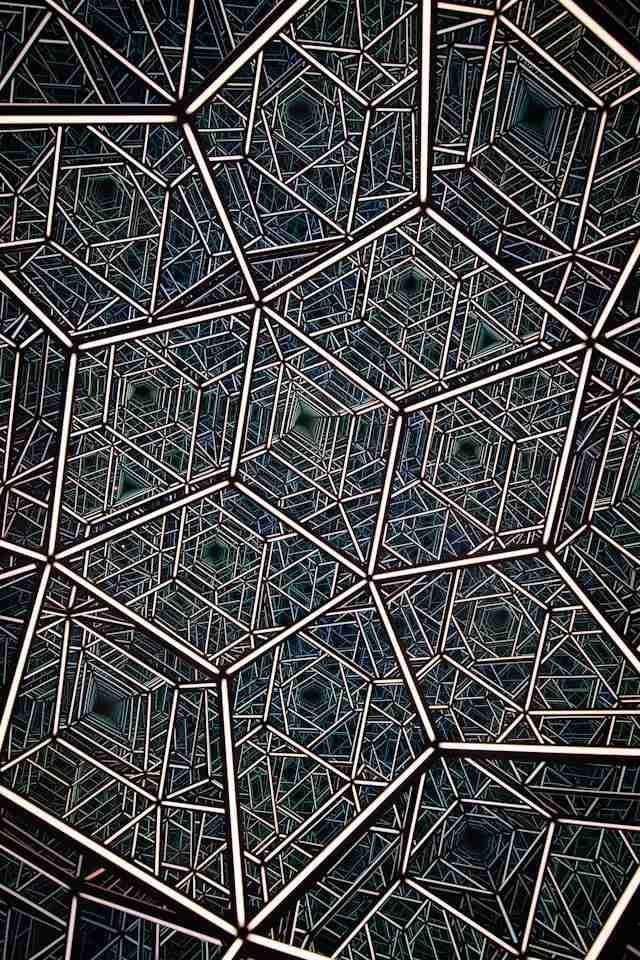
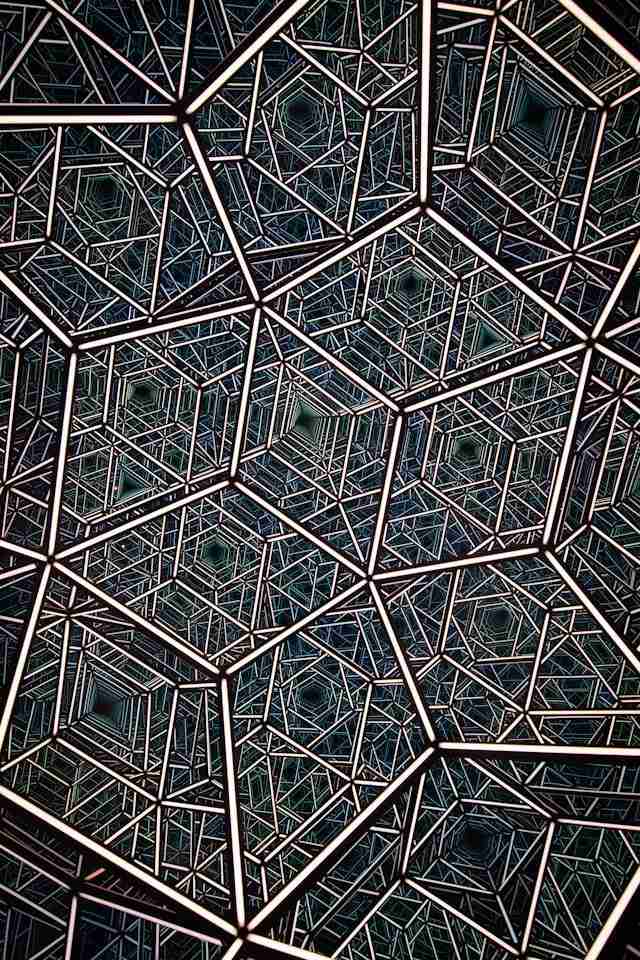
Moco Museum London is a creative and visually rich gallery in the heart of Mayfair. Situated in a traditional townhouse just steps from Piccadilly, the museum hosts a curated collection of contemporary works that includes immersive installations, digital art, and influential pieces by artists such as Banksy, Kusama, and Keith Haring. The experience is designed to engage both casual visitors and art enthusiasts, with bold colors, interactive spaces, and clean architectural lines throughout. The contrast between the classic exterior and the modern energy inside offers photographers an ideal mix of structure and spontaneity. For those seeking artistic compositions and expressive storytelling through light and form, Moco presents a unique setting in a compact and walkable location.
Best Photography Opportunities
Immersive Installations and Interior Rooms
The museum's standout feature is its immersive rooms, where mirrored walls, lighting effects, and color projection offer strong visual layering. These rooms reward wide compositions that include both the artwork and how visitors interact with the space. A wide angle lens helps you frame the entire environment, while including a single figure or movement adds scale and a natural focal point. Using natural light from doorways or adjusting ISO for low light keeps your settings adaptable without needing a tripod. These scenes often work best with deliberate timing and a calm composition that balances energy and space.
Street Art and Mixed Media Displays
Throughout the museum, large-format pieces and text-based street art are mounted in clean gallery spaces with minimal distractions. These are excellent subjects for tighter compositions that capture edge texture, paint layers, and high contrast designs. A midrange lens lets you shoot from comfortable distances while keeping the lines clean and the colors accurate. Look for opportunities to align text or shapes with the frame's edge to create visual rhythm. These shots also lend themselves well to black and white interpretations if the lighting and subject support it.
Museum Exterior and Surrounding Streets
The townhouse that houses Moco Museum London has a classic Mayfair facade with neutral stone and large windows. The best view is from across the street, where you can frame the building cleanly and include street-level movement like taxis, buses, or foot traffic. Soft morning light or a cloudy sky helps reduce glare on the windows and brings out the building's texture. A standard zoom works well here, letting you shift between full facade compositions and tighter architectural details such as signage or doorway trim. Including surrounding context like nearby trees or street corners helps situate the museum within the city environment.
Gallery Transitions and Framed Spaces
Many of the interior rooms open into each other with arches, doorways, and partial walls, offering layered compositions that emphasize depth and structure. Framing these transitions from a mid-distance allows you to include both the immediate space and the adjoining one, often creating natural leading lines. Shooting at a moderate aperture keeps multiple planes in focus while preserving the mood of the space. Waiting for a visitor to walk through the frame can give the image balance and intention. These are especially effective when one room is brighter than the next, providing natural contrast.
Small Details and Texture Studies
Moco includes several installations and sculpture pieces that reward close inspection. These works are ideal for detail shots that focus on texture, material, and shadow. A fast prime lens is useful here for isolating a single element of a larger piece and letting the background fall out of focus. These studies are best shot handheld, and benefit from soft directional light coming from nearby windows or gallery fixtures. These types of images complement wider compositions and round out a full visual story of the space.
Best Time to Visit
Early weekday mornings are ideal for photography at Moco Museum London. Visiting within the first hour after opening helps avoid crowds and allows more freedom to work slowly and deliberately through the rooms. Weekends and holidays tend to be busier, but even then, short waits often provide clear moments for shooting. Natural light plays a subtle role in a few gallery rooms, with afternoon sun creating directional contrast and highlights in upper levels. Overcast days are perfect for exterior photography and help eliminate harsh reflections on the facade.
The museum rotates installations regularly, so checking the current exhibit list in advance can help plan your session. Some rooms are darker by design, while others offer strong contrast or colored light, so be prepared to shift your camera settings throughout the visit. Although the space is small, it rewards multiple passes, as changing visitor flow and shifting light reveal new compositions on each walkthrough.
How to Get There
Moco Museum London is located at 1-4 Marble Arch in Mayfair, near Green Park and Piccadilly. The museum is easily reached via the Underground, with Green Park and Hyde Park Corner stations both within a five minute walk. Several local bus routes pass nearby, and the area is pedestrian friendly for photographers exploring the neighborhood before or after their visit. There is no on-site parking, but public garages and metered street parking are available nearby.
Photography is allowed for personal use throughout the museum, but flash, large tripods, and commercial gear are not permitted. Security staff may request bag checks at the entrance, especially for bulky camera bags. The museum includes restrooms, a small shop, and lockers, which makes it easy to travel light once inside. There are no permits required for casual photography, but it is always worth checking online for any temporary restrictions or exhibition-specific policies before arrival.
Recommended Photography Gear
A compact, versatile setup is best for photographing Moco. A 24 to 70 millimeter lens covers most interior and exterior needs, from immersive rooms to street shots and architectural details. A wide angle lens is helpful for capturing full installations or gallery rooms where space is tight. For detail shots of artwork, texture, or layered spaces, a fast 35 or 50 millimeter prime lens will give you flexibility without drawing too much attention.
Because lighting varies throughout the museum and flash is not permitted, a camera with good low light performance and a fast lens is key. A circular polarizer can help with managing reflections on glass installations or glossy surfaces, especially in brighter rooms. A lens cloth is essential for wiping down after shooting near reflective or interactive pieces. A small crossbody camera bag or sling keeps your kit accessible without getting in the way of other visitors or staff.
Nearby Photography Locations
Just steps from the museum, Green Park offers seasonal trees, wide open paths, and city views framed by old trees and low stone walls. Early morning is especially peaceful, and golden hour light filters softly through the trees.
This covered passageway features mirrored walls, symmetry, and strong lighting contrast. It is perfect for black and white photography, detail shots, and low angle architectural frames.
Just a short walk away, this quiet square offers classic London facades, iron fences, and elegant landscaping. The surrounding streets are ideal for shooting traditional architecture with minimal foot traffic.
This major intersection includes bold monuments, clean sightlines, and wide open sky. It works well for layered city shots, street scenes, or long lens compositions using passing cyclists and cars.
Royal Academy Courtyard
A few blocks away, the courtyard of the Royal Academy of Arts is often open to the public and offers a clean, well-lit space surrounded by classical architecture. It is best in mid to late afternoon when the shadows begin to stretch.
Moco Museum London is a space designed for creative energy and visual exploration. With a balance of bold installations, thoughtful gallery flow, and strong architectural contrast, it offers photographers a compact location full of potential. Whether you're focused on composition, color, or texture, this small museum gives you a rich range of subjects and the flexibility to shoot with both spontaneity and precision.
Comments
Loading comments…