
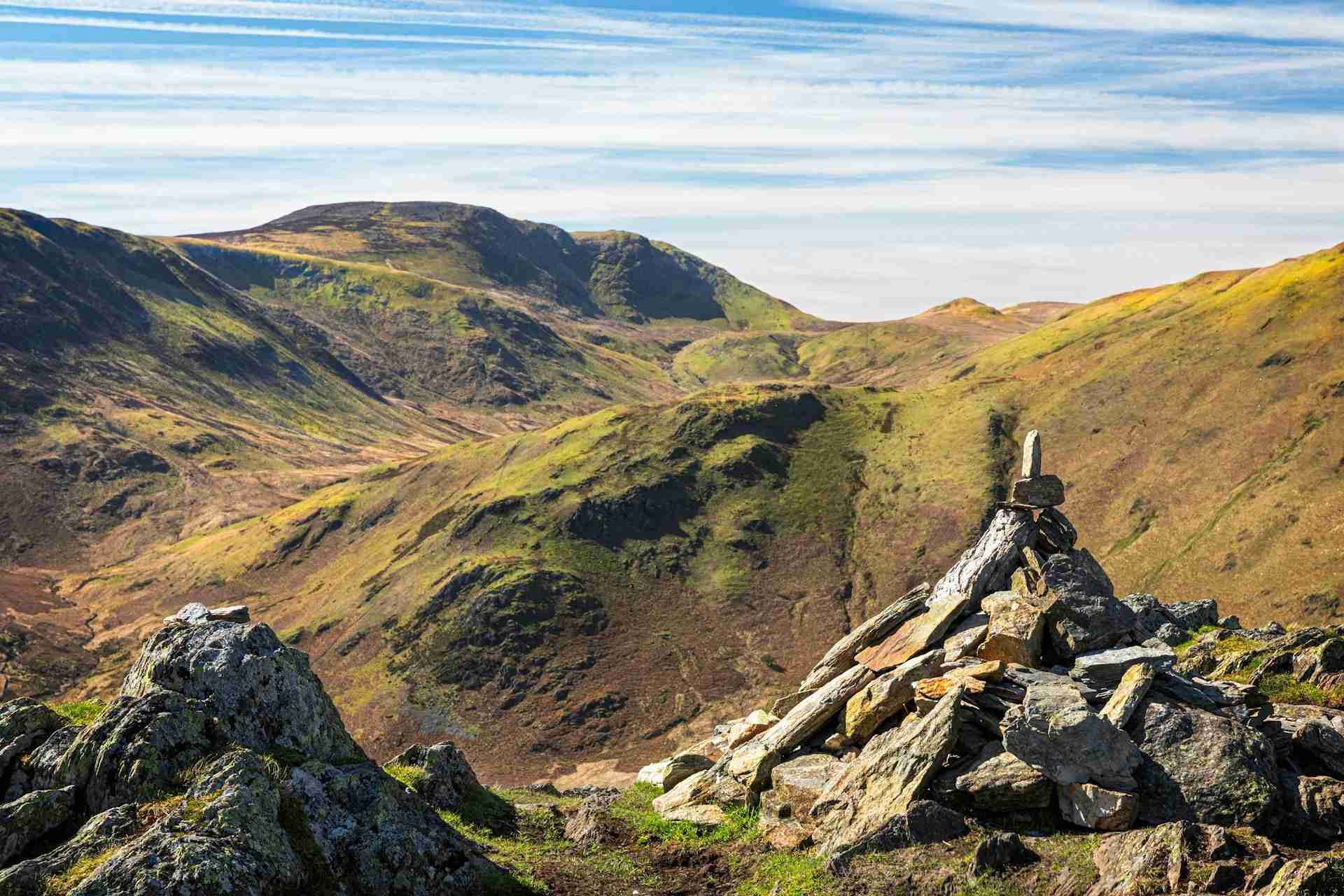
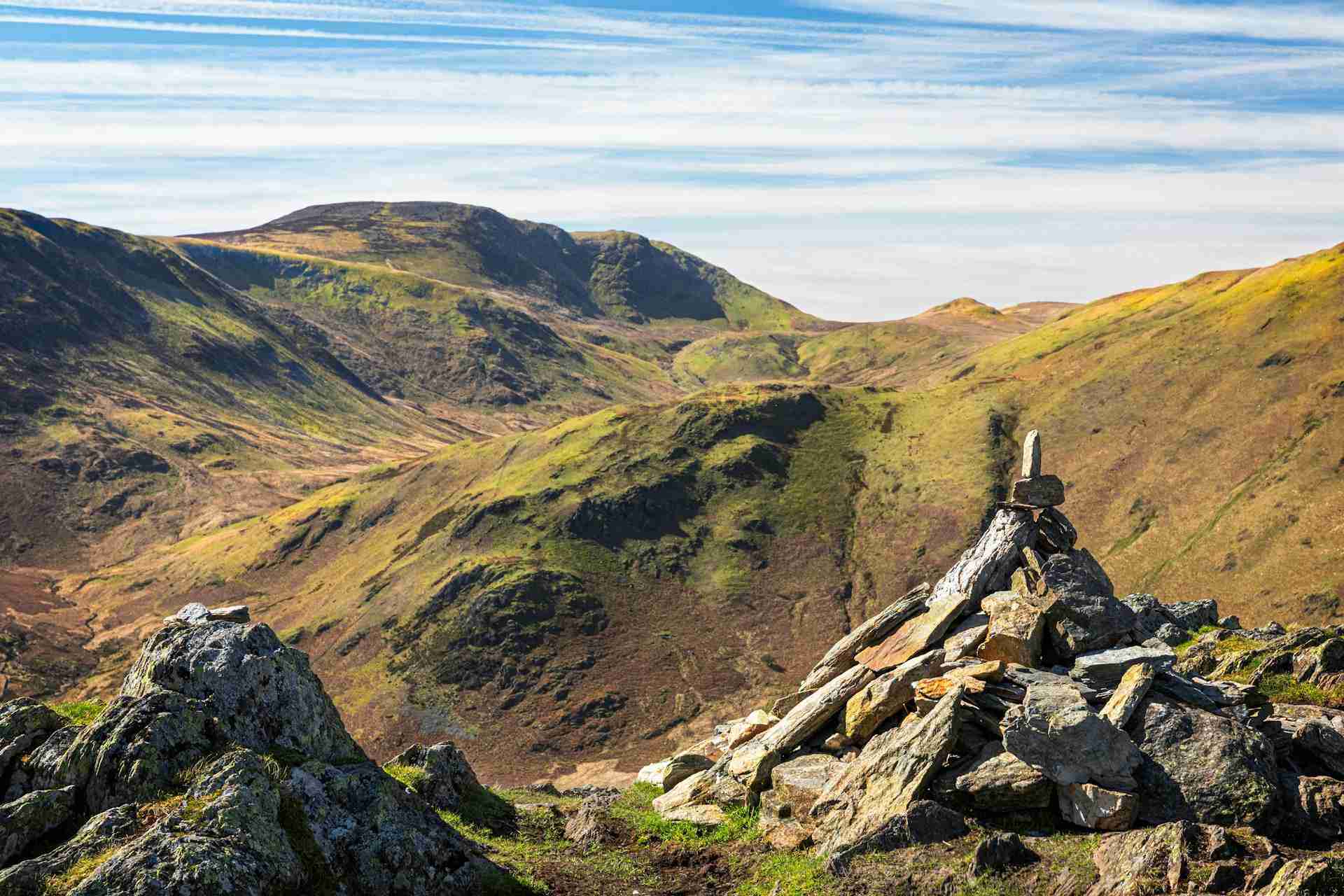
Rannerdale Knotts is one of the smaller fells in the Lake District, but in spring, its flanks erupt in a sweep of wild bluebells that transform the hillside into a tapestry of violet and green. Set at the northern end of Crummock Water, near the village of Buttermere, this low ridge delivers a high visual return. Its slopes are steep but accessible, offering layered views across the valley, up toward Grasmoor and Whiteless Pike, and down toward the reflective surface of the lake. For photographers, it's a rare blend of intimate botanical detail and wide mountain landscape. While spring is its most famous season, Rannerdale Knotts remains a rewarding subject year-round for those willing to adapt their approach to changing light and terrain.
Best Photography Opportunities
• Bluebell Carpets in Morning Light
From late April to mid-May, the lower slopes of Rannerdale are covered with wild bluebells that bloom without woodland canopy. This creates one of the most colorful and open flower displays in the region, especially when lit from the east in early morning. Shooting from a low angle allows you to build compositions that use flower-covered ridges as leading lines into the valley or surrounding peaks. A wide-angle lens can emphasize the sweep of color, while a longer focal length is useful for flattening layers of blooms and bringing background features closer. These scenes work best when the light is soft and low, avoiding harsh contrast and preserving the flowers' delicate tones.
• Ridge Walk Views Toward Buttermere and Crummock Water
As you ascend along the spine of Rannerdale Knotts, the valley opens to the south and west, revealing a classic Lake District landscape of ridges, water, and sky. From this elevated position, you can shoot across the lakes toward the village of Buttermere or back toward Grasmoor's bulk. Mid-telephoto lenses help isolate individual ridgelines and compress the scene for a painterly effect. These shots are strongest in the late afternoon, when golden side light grazes across the heather and catches the high points of the fell. Including human figures along the path adds scale and movement without disrupting the landscape's flow.
• Reflections and Bluebell Foregrounds at Crummock Water
The shoreline near Rannerdale Bridge allows you to shoot back toward the fell from water level. In spring, you can often incorporate the fringe of bluebells in the foreground, with the calm lake surface mirroring the steep slopes above. A tripod and circular polarizer help manage glare and balance reflections, especially in soft morning light. Longer exposures in calm conditions stretch the sky across the lake and simplify the frame. This angle is also effective in autumn, when tree lines near the water bring a new set of warm tones to the composition.
• Textural Detail Along the Rocky Outcrops
Near the top of Rannerdale Knotts, the grass gives way to gritstone and weathered rock that catches light in angular, satisfying ways. These outcrops provide opportunities for tighter compositions that focus on form, contrast, and directional lighting. Early morning and late evening are best for creating shadows that enhance texture and shape. Using a mid-length lens, you can build compositions that place rock against sky, or frame distant peaks through breaks in the stone. These scenes benefit from stable footing and careful positioning to avoid cluttered backgrounds.
• Side Slopes and Grazing Light at Sunset
The west-facing slopes of Rannerdale receive the last light of the day, which slips across the contours and brings warmth to the heather, grass, and stone. From a mid-level vantage on the ridge, you can shoot across the bluebell-covered slope with the sun descending behind the peaks of Loweswater and Melbreak. The best compositions come when light is low enough to throw deep shadows and shape the hillside. A 24–70mm lens allows for quick adjustments between wide and medium framings as the light changes. Patience is key, as the angle and warmth of light shift quickly during the final hour of day.
Best Time to Visit
The most celebrated time to visit Rannerdale Knotts is during the spring bluebell bloom, typically from late April through mid-May. During this window, early mornings bring calm air, warm light, and fewer visitors. Bluebells peak just after a few warm days and last until wind or rain begins to pull them back. Fog in the valley is common in spring and can enhance depth and softness when shooting from above.
Summer brings longer daylight hours and greener tones in the grass and heather. The fell is quieter during early morning and late evening, when the sun sits low and textures in the land become more visible. Midday light can be flat, but clouds often roll in by afternoon and create interest across the higher peaks.
Autumn changes the palette with burnt oranges, golds, and deep greens replacing the vivid hues of spring. While the bluebells are gone, light quality improves, especially after rain clears the air. October often brings strong side light and layered skies that benefit long-lens work and moody compositions.
Winter brings the fewest visitors and the clearest skies, but conditions are colder and more changeable. Snow on the surrounding peaks adds contrast to images from the fell, though the path can be icy or wet. The short daylight window requires planning, but low sun angles give you strong directional light all day long.
How to Get There
Rannerdale Knotts is located in the northwestern Lake District, just south of Crummock Water and west of the village of Buttermere. The most common access point is the National Trust car park at Hause Point, situated along the B5289. From there, a clearly marked trail leads up onto the fell. The initial climb is moderately steep, but short, and rewards you with panoramic views within the first fifteen minutes of walking.
The valley paths near Rannerdale Bridge provide access to the lower slopes and bluebell fields without needing to ascend the fell. These routes are well-trodden and popular in spring, so early arrival is recommended for photographers seeking solitude or low light.
There are no fees to access the fell or flower fields, but parking may be limited during peak bluebell season. Always follow posted guidelines and stay on marked paths to avoid trampling sensitive ground. Grazing livestock are often present, so close gates and approach calmly when moving through fields. Sturdy shoes are essential, as the trail can be slick after rain.
Recommended Photography Gear
A full-frame DSLR or mirrorless camera with a flexible lens setup will give you the best results at Rannerdale. A 16–35mm wide-angle lens is essential for capturing the full sweep of bluebells, lake views, and open ridgelines. A 24–70mm zoom gives added versatility for both environmental portraits and tighter landscapes. A 70–200mm telephoto allows you to isolate distant peaks or compress the bluebell patterns on the slope from across the valley.
A tripod is highly recommended for early morning or evening shooting when light levels are lower, and for longer exposures near Crummock Water. A circular polarizer helps reduce glare and saturate colors in flower-rich scenes or on the lake surface. Graduated ND filters are useful when balancing bright skies against shaded hillsides.
Weather protection is important, especially in spring and autumn. Rain showers can move through quickly and fog can rise from the valley without much warning. Use a weather-sealed camera bag and bring a lens cloth to keep your optics clean. If shooting in spring, consider kneepads or a small ground mat to comfortably work at low angles among the bluebells without damaging the plants.
Nearby Photography Locations
• Buttermere
Just a short drive or walk away, this lake offers mirror reflections of surrounding peaks, winding stone paths, and lone trees that work beautifully at sunrise. It is especially effective in still conditions during golden hour.
• Fleetwith Pike and Haystacks
These larger fells provide high, sweeping views across Buttermere and Ennerdale. Their jagged ridgelines and well-defined paths make them ideal for both broad and detailed landscape work.
Less visited than the northern end, the southern shore of Crummock Water offers quiet beaches, reflective pools, and long exposures of water and sky that shift with passing clouds.
This narrow, hidden waterfall lies in a wooded gorge near Crummock Water and is perfect for long exposure photography. It requires a short hike but rewards with soft, filtered light and clean vertical lines.
A tranquil lake west of Rannerdale, Loweswater provides calm water scenes, woodland trails, and soft evening light. It works well for both minimalist compositions and traditional lakeside views.
Rannerdale Knotts is a place of seasonal rhythm and visual intimacy. Whether you come for the legendary bluebells or stay for the layered views and quiet light, the fell rewards those who move slowly, look closely, and wait for the right moment. In a region filled with high peaks and dramatic climbs, Rannerdale offers something smaller, but just as powerful.
Comments
Loading comments…