
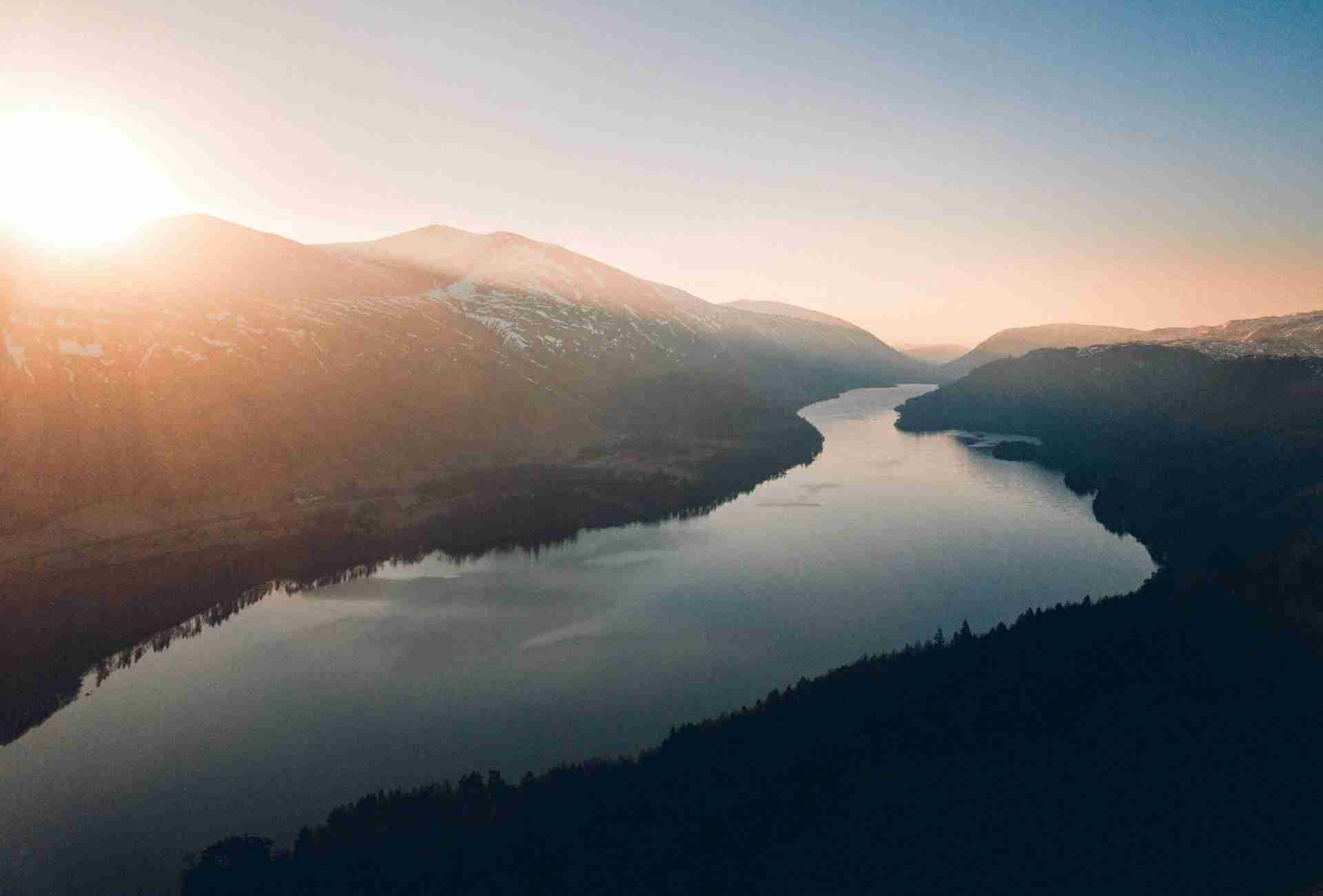
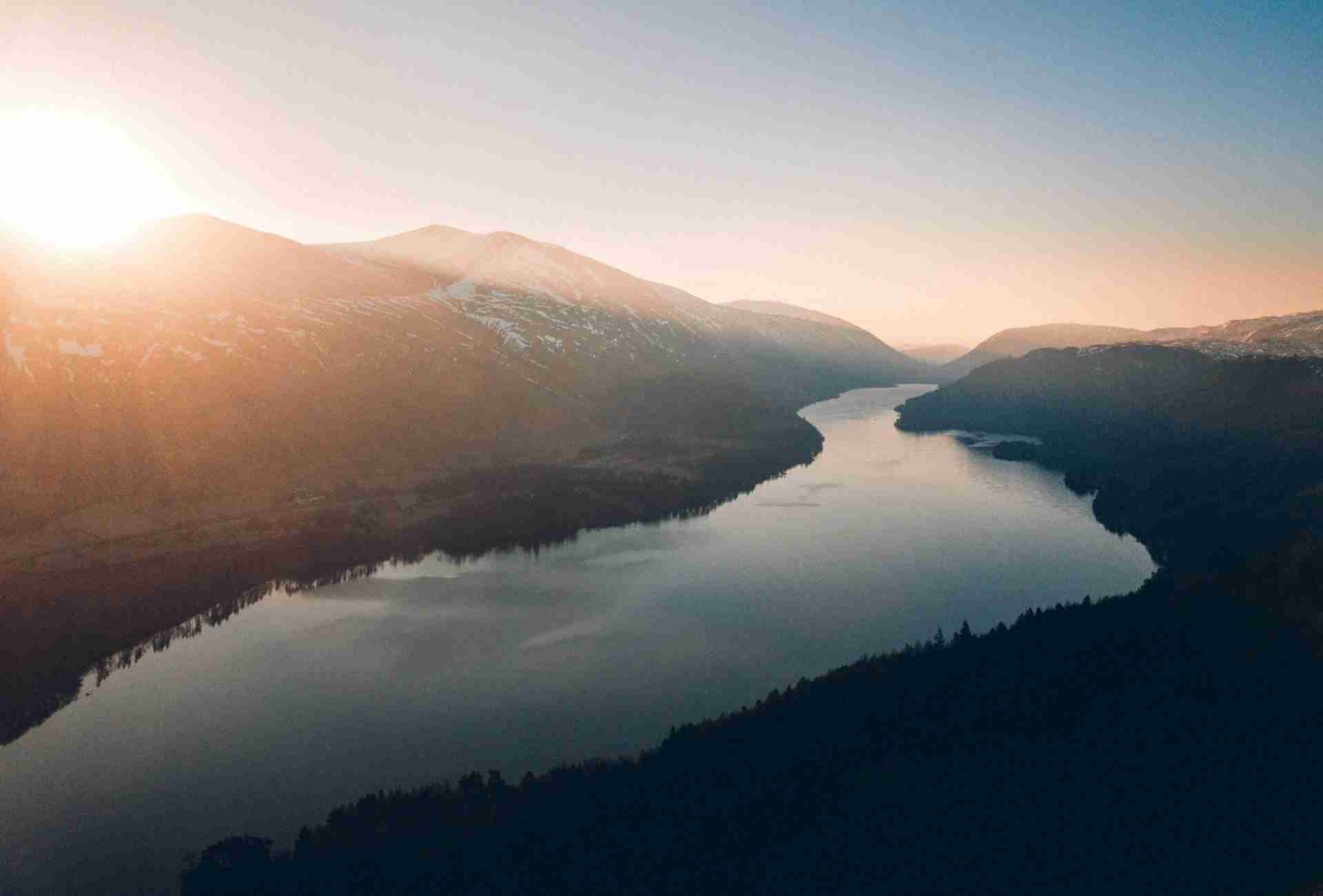
Towering above the serene waters of Thirlmere in the Lake District National Park, Raven Crag is a compact but dramatic fell that rewards photographers with commanding views and rich visual contrast. Rising sharply from the western shore of the lake, its steep, forested slopes and exposed rocky summit make it one of the most accessible high vantage points in the region. Though modest in elevation compared to the giants of the Lakes, Raven Crag offers exceptional landscape compositions—especially at sunrise or on misty mornings when light dances across the water and woodland. With a relatively short but steep hike, this location is ideal for those seeking a high-impact perspective without a full-day climb.
Best Photography Opportunities
• Summit View over Thirlmere
: The main attraction from Raven Crag's summit is the sweeping panorama of Thirlmere and the surrounding fells. From the wooden viewing platform near the top, photographers can capture the sinuous curve of the reservoir stretching north toward Keswick, flanked by ridgelines that shift in tone with the light. Sunrise from this spot is particularly rewarding, with soft backlight illuminating morning mist and painting the lake with subtle pastel hues.
• Silhouettes and Layered Hills
: Looking west and northwest from the summit, photographers can frame layered ridges and peaks, especially effective during golden hour or in hazy atmospheric conditions. Shooting with a telephoto lens flattens the layers into a painterly composition, while wide-angle views emphasize the height and expanse of the landscape. Silhouetting Raven Crag's rocky summit against the sky also works well at dusk or dawn for a dramatic visual anchor.
• Woodland Trail and Mossy Forest Detail
: The trail to Raven Crag begins in thick pine woodland and winds upward through moss-covered ground, root-covered steps, and fern-lined paths. This section is ideal for woodland photography, especially in soft morning light or mist. Low-angle shots looking up the trail create natural leading lines, while macro or close-up work can reveal the lush detail of the forest floor.
• Cliffside and Rock Formations
: Just off the summit path are exposed rock faces and crags that offer abstract compositions and rugged textures. These features stand out strongly in sidelight, casting angular shadows that define the verticality of the fell. Including a hiker or figure near the edge adds a sense of scale and drama.
• Weather and Seasonal Mood
: Raven Crag's relatively low elevation means it's often immersed in shifting weather—low clouds, sunbursts, rain curtains, and fog all pass quickly through the valley. These conditions make it ideal for dynamic, moody landscape work. Autumn brings rich orange and red to the trees around Thirlmere, while winter snows dust the summit rocks and surrounding ridges, offering crisp contrast under soft skies.
Best Time to Visit
Sunrise is the most dramatic time to photograph from Raven Crag. The light comes up from the east behind the lake, casting gentle illumination across the valley and creating long shadows over the fells. On misty mornings, the interplay between light and low cloud can transform the view into something ethereal. The golden hour before sunset also offers warm light across the western slopes and rich tonal contrast on the crag itself.
Spring and autumn are the best seasons for varied color and atmospheric light. Spring brings fresh green to the woodland trail and reflections in the still waters of Thirlmere, while autumn adds fiery foliage and swirling fog. Winter, though often cold and icy, can yield stunning snow-covered vistas for those equipped to hike in frost or light snow conditions.
How to Get There
Raven Crag is located just off the A591 between Keswick and Grasmere, near the western shore of Thirlmere. The most common starting point is the roadside car park at the base of the crag, near the Thirlmere Dam. From the car park, the path climbs steeply through forested slopes to the summit in approximately 30–45 minutes, depending on pace and conditions.
The trail is steep but well-maintained, with steps and wooden platforms in key places. Hiking boots are recommended, especially after rain or during winter. While the hike is short, the incline is sharp, so bring minimal but secure camera gear. A small tripod may be useful at the summit for long exposures or stable compositions, particularly in low light.
No permits are required, and the trail is open year-round. As always in the Lake District, check local weather before heading out—conditions can change quickly, and cloud cover may obscure views if mist rolls in.
Exploring the Surrounding Area
While Raven Crag itself is compact, its surrounding terrain opens up a host of nearby photographic opportunities. The shoreline of Thirlmere is just a short drive or walk away, with calm water reflecting the surrounding fells and offering a different perspective on the crag above. The dam at the north end of the lake provides bold structural contrast to the natural curves of the landscape, while the old forest roads and viewpoints around Armboth and Harrop Tarn offer quieter scenes with trees, streams, and mirror-like pools.
Keswick, just a few miles to the north, makes an excellent base for extended photography sessions, with access to Derwentwater, Catbells, and other iconic Lake District viewpoints. If you're combining Raven Crag with a larger landscape series, consider returning at multiple times of day to explore its changing moods.
Nearby Photography Locations
: Offers beautiful reflections of Raven Crag and the surrounding fells, especially during calm mornings or after rainfall. Mist often clings to the surface, creating atmospheric, layered compositions.
: Just outside Keswick, this Neolithic monument is framed by the surrounding mountains and is particularly striking during sunrise or under moody skies.
: A short drive from Keswick, this classic Lake District location combines rustic charm with expansive views over Derwentwater and the Borrowdale Valley.
: For more adventurous photographers, a full-day hike leads to one of the region's highest peaks with dramatic ridgelines, distant views, and rewarding light for panoramic landscape shots.
: Tucked into a quiet upland valley, this small lake offers perfect mirror reflections and moody light throughout the year—ideal for peaceful, minimalist compositions.
Raven Crag may not be the tallest fell in the Lake District, but its steep rise, forest approach, and commanding views make it one of the most rewarding small climbs in the region. For photographers, it offers a compact mix of woodland intimacy, dramatic cliffside drama, and sweeping landscape perspectives—all within reach of a short, well-timed hike. It's a place where light, weather, and elevation come together to reveal the Lake District's ever-changing beauty from above.
Comments
Loading comments…