

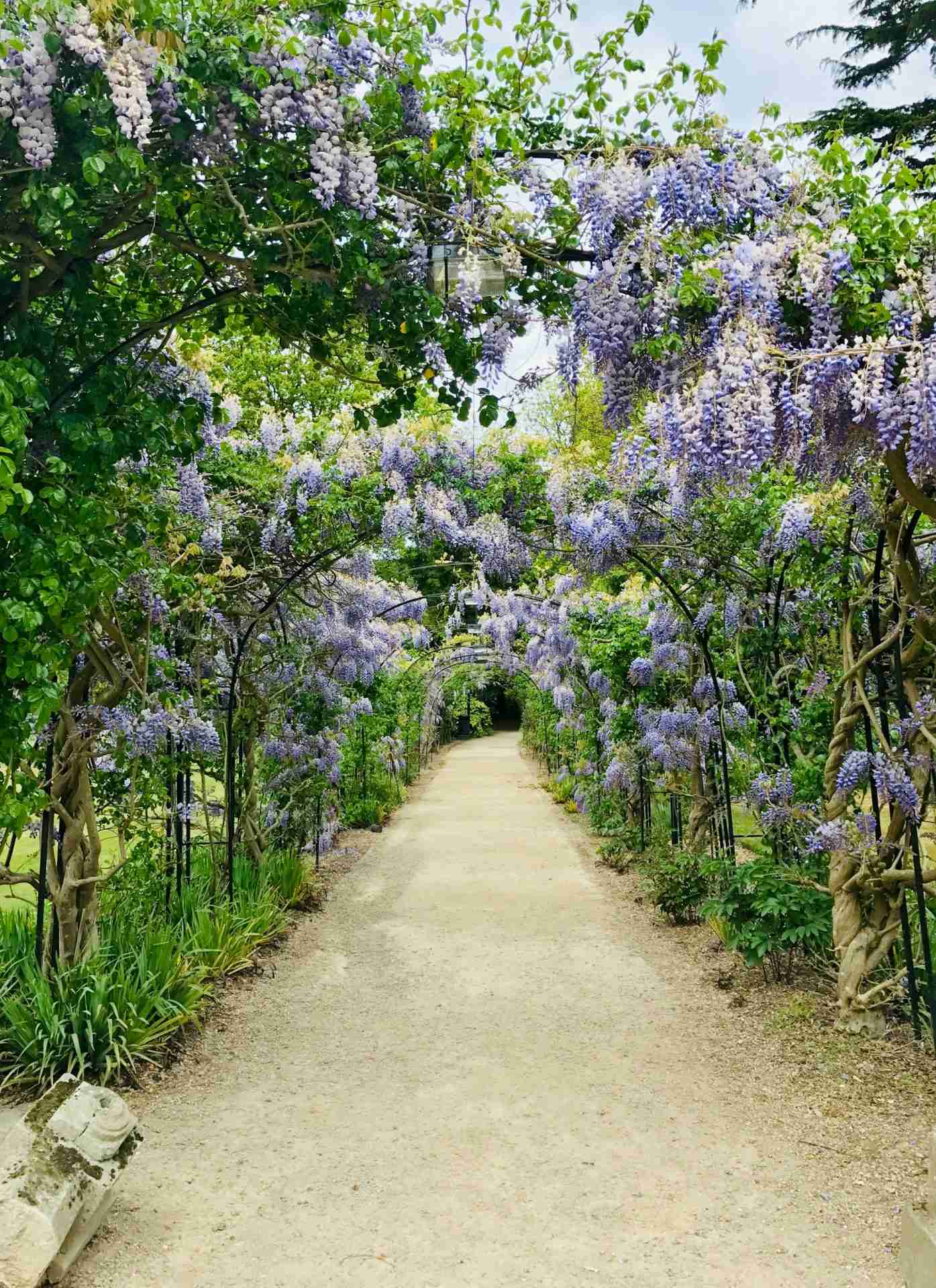
Set within the University of Roehampton in southwest London, the Paradise Corridor is a long pedestrian walkway bordered by rows of mature trees and open green space. The campus itself sits away from the more crowded parts of the city, giving this area a quieter and more relaxed feel than many London locations. Surrounding buildings range from older academic structures to more modern additions, which adds variety without overwhelming the scene. The corridor feels open yet contained, with a clear sense of direction created by the alignment of the trees and path. It is an easy place to spend time, whether you are passing through or deliberately seeking out a calm, well structured environment.
Best Photography Opportunities
• Tree Lined Leading Lines
The corridor naturally forms a strong visual pathway that draws the viewer's eye through the frame. By carefully choosing your position, you can align the trees to create a clean vanishing point that works well for both portraits and simple landscape compositions. Placing a subject along this path allows you to guide attention without relying on complex backgrounds. Slight shifts in camera height or angle can dramatically change how the lines converge, so it is worth taking time to refine your framing. Longer focal lengths can compress the spacing between trees, creating a more layered and immersive look. This is one of the most consistent and reliable compositions available at this location.
• Backlit Portraits Through Filtered Light
Light filtering through the trees becomes especially useful during early morning and late afternoon. Positioning your subject so the light sits just behind them allows you to create a soft outline that separates them from the background. This approach works well for natural looking portraits where you want depth without harsh contrast. You can control flare by adjusting your angle slightly, introducing just enough glow to add atmosphere without losing clarity. Because the space is not densely wooded, the light remains manageable and does not break into overly harsh patches. This makes it easier to maintain consistent exposure across a full set of images. (Remember this is a public space on a campus so be aware of others while shooting and more formal portraits like family, engagements, weddings etc, may not be allowed.)
• Subject Isolation With Depth
The spacing between the trees and the length of the corridor make it easy to separate your subject from the background. Using a wider aperture allows the distant elements to soften while still keeping enough structure to show the location. This is particularly effective for lifestyle or editorial work where you want context without distraction. Positioning your subject closer to the centre of the path can enhance the sense of depth, especially when combined with a longer focal length. Subtle adjustments in distance between you, the subject, and the background will change how pronounced this effect becomes. It is a simple technique here, but one that delivers consistently strong results.
• Symmetry And Controlled Compositions
The orderly spacing of the trees creates opportunities for balanced and symmetrical framing. You can centre your subject for a more formal composition or shift them slightly to introduce tension while still maintaining structure. The corridor's layout helps keep vertical lines straight, which is useful when aiming for clean and intentional images. Shooting from a lower height can exaggerate the scale of the trees and strengthen the visual rhythm. This approach works well for both portraiture and more minimal, design focused imagery. It is a location that rewards careful alignment and attention to detail.
• Seasonal Texture And Colour Variation
The appearance of the corridor changes throughout the year, offering different creative directions depending on the season. Spring and early summer bring fresh greens and a softer overall look that suits lighter portrait work. Autumn introduces warmer tones and added texture on the ground, which can make compositions feel richer and more layered. Winter removes much of the colour, leaving behind structure and spacing that work well for more graphic compositions. Each season shifts how the space feels, allowing you to revisit the same location with different visual outcomes. This makes it a reliable option across multiple shoots rather than a one time visit.
Best Time to Visit
Early morning and late afternoon provide the most useful lighting conditions for this location. During these times, the sun sits lower in the sky and moves through the trees at an angle, creating depth without harsh contrast. Morning tends to be quieter, which is helpful if you want uninterrupted shooting time or cleaner backgrounds. Late afternoon brings warmer tones and slightly more dramatic light, which can add character to portrait work. Overcast days are also effective, as they soften shadows and allow you to focus more on composition without constantly adjusting exposure.
Seasonally, autumn offers the most visual variety with changes in colour and added texture across the ground. Spring and summer provide a brighter and cleaner look, which works well for natural and lifestyle photography. Winter simplifies the scene, making it more about structure and spacing than colour. Each season offers a different approach, so timing your visit depends on the type of images you want to create.
How to Get There
The Paradise Corridor is located within the University of Roehampton campus in southwest London, near Putney, Barnes, and Wimbledon. The campus is accessible by public transport, with several bus routes connecting the area to nearby train and underground stations. From these stops, it is a short walk into the campus grounds, where the corridor can be reached on foot.
If you are driving, parking on campus is limited and typically requires parking permits. There are no general fees to walk through the campus itself, but certain areas may have access guidelines depending on university activity. Once inside, the campus is easy to navigate, and the corridor is part of a pedestrian friendly environment.
Recommended Photography Gear
A standard zoom lens in the range of 24 to 70mm is one of the most useful choices here, as it allows you to move between environmental portraits and tighter compositions without constantly changing lenses. A fast prime lens such as a 50mm or 85mm is ideal for portrait work, especially when you want to separate your subject from the background and make use of the corridor's depth. Bringing a longer lens in the 70 to 200mm range can also be valuable for compressing the lines of the trees and creating a more layered look.
A tripod is not essential but can be helpful if you want to refine compositions carefully or work in lower light conditions during early morning or late afternoon. A lens hood is worth using when shooting into the light to maintain contrast while still allowing for controlled flare. Reflectors can also be useful for portrait sessions, helping to lift shadows on the subject's face without introducing artificial light. Overall, a simple and flexible kit works best here, as the location rewards subtle adjustments rather than complex setups.
Nearby Photography Locations
Richmond Park offers a much larger and more open environment, giving you space to work with expansive views and natural elements. It is particularly useful if you want to contrast the structured feel of the corridor with wider landscapes and varied terrain. The scale of the park allows for a completely different approach, making it a strong addition to a longer shoot.
• Putney Embankment
Putney Embankment provides access to the River Thames, introducing reflections, movement, and a more urban atmosphere. It is a good option for adding variety to your work, especially if you want to include water and riverside textures. The shifting light along the river can create very different results depending on the time of day, making it worth visiting more than once.
Barnes Common offers a quieter, more natural setting with open grassland and scattered trees. It works well if you want a less structured environment while still staying close to Roehampton. The softer landscape provides a contrast to the corridor's defined lines, giving you more freedom in composition.
Wimbledon Common gives you a mix of woodland, open space, and small ponds, which adds variety to a photography session. It is a useful location for expanding your shoot into something more diverse without travelling far. The changing terrain allows you to experiment with different styles in a single visit.
Comments
Loading comments…