

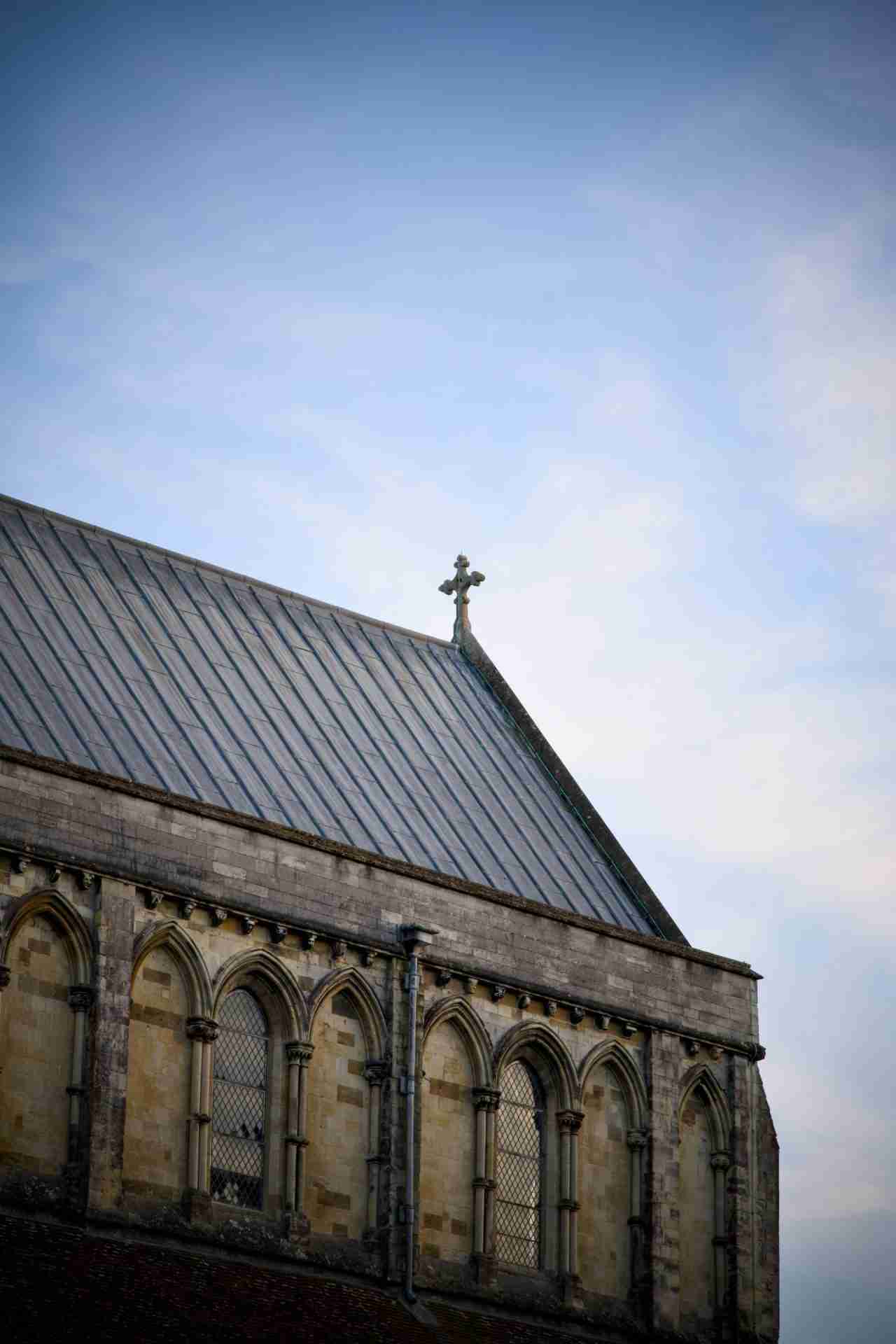
Romsey Abbey is one of those places where you can slow down and really focus on structure and detail. The building has a strong Norman character, with thick stone walls, rounded arches, and a sense of weight that comes through in photos. Inside, the space feels calm and evenly lit, which makes it easier to work without rushing or dealing with harsh contrast. There is plenty to explore, from wide interior views to smaller details in the stonework and carvings. It is a good location if you enjoy architectural photography that is more about observation and composition than chasing changing light. Since it sits right in the centre of Romsey, it is also very easy to pair with other nearby spots.
Best Photography Opportunities
• Central Nave Leading Lines
Standing in the central nave gives you one of the strongest compositions in the abbey. The repeating arches and columns naturally guide the viewer's eye straight through the frame, creating a clear sense of depth. You can keep the composition centered for a more formal look, or shift slightly to one side to introduce a bit more variation. The symmetry here is easy to work with, but small adjustments in position can make a big difference in how balanced the image feels. Including a person in the distance can help add scale without taking attention away from the structure. It is a great place to start and get a feel for the space.
• Archways and Layered Stone Details
The abbey is full of archways that overlap and create natural layers within the frame. These are perfect for building depth and adding interest without needing a wide scene. You can shoot through one arch to frame another, letting the structure guide the composition. The stone textures also come through nicely, especially in softer light where shadows are not too harsh. Taking time to explore different angles helps you find combinations that feel clean and not too cluttered. This approach works well if you prefer more controlled, deliberate compositions.
• Window Light and Interior Contrast
Light entering through the windows creates subtle variations across the interior. You can use this to highlight certain areas of the stonework or create gentle contrast within your frame. Positioning yourself so that light falls across columns or walls can add shape and depth without overpowering the scene. It is not dramatic light, but it is consistent and easy to work with. This makes it a good place to experiment with exposure and see how different settings affect the mood of the image. Slower, more careful shooting tends to produce the best results here.
• Detail Work on Carvings and Stone Texture
There are plenty of smaller details worth focusing on, from carved elements to worn stone surfaces. These features often get overlooked, but they can make for strong standalone images. Moving closer and isolating these details helps simplify the frame and draw attention to texture. A slightly tighter focal length works well here, allowing you to pick out specific elements without distraction. It is also a good way to build variety into your set of images rather than focusing only on wider views. Spending time on these details can be surprisingly rewarding.
• Exterior Views and Framing the Abbey
Outside, the abbey offers a different perspective with more room to work. You can use surrounding paths, trees, and open space to frame the building in a variety of ways. Shooting from a slight distance helps show the full structure, while moving closer lets you focus on specific sections. The stonework responds well to softer light, which brings out texture without creating harsh shadows. It is worth walking around the exterior to find angles that feel clean and uncluttered. This gives you a nice contrast to the more enclosed interior shots.
Best Time to Visit
Romsey Abbey can be photographed throughout the year, and each season brings slightly different conditions. The interior remains fairly consistent, which makes it a reliable location regardless of weather. Overcast days are often the easiest to work with, as the light coming through the windows is softer and more even. This helps keep contrast under control and makes exposure simpler.
Early morning is a good time to visit if you want a quieter experience with fewer people moving through the space. This makes it easier to set up compositions without interruption. Later in the afternoon can also work well, especially if you want slightly warmer tones coming through the windows. Midday is still usable, but the light can feel flatter and less directional. Outside, softer light in the morning or evening helps bring out more detail in the stone and gives the building a bit more depth.
How to Get There
Romsey Abbey is located in the centre of Romsey, making it very easy to access. If you are arriving by car, there are several public car parks within walking distance of the abbey. The town is also well connected by train, with Romsey station a short walk away.
Entry to the abbey is generally free, though donations are encouraged to help with upkeep. Opening hours can vary, so it is worth checking ahead if you are planning a specific shoot. The interior is easy to move around, with flat flooring and clear access throughout. Since it is an active place of worship, being respectful of services and visitors is important while shooting.
Recommended Photography Gear
A standard zoom lens works well for most situations inside the abbey, giving you flexibility to move between wider architectural shots and tighter details. A wide lens can be useful for capturing the full scale of the nave, especially if you want to emphasize the height and depth of the space. A short telephoto is helpful for isolating carvings and smaller elements.
A tripod can be useful in lower light, but you will want to check if it is permitted before setting one up. If not, using a higher ISO or a faster lens will help keep your shots sharp. Since the light is fairly even, you do not need anything too specialized, but having a steady setup will improve your results. Keeping your gear simple and easy to handle makes it easier to move around without drawing attention.
Nearby Photography Locations
• Mottisfont House and Gardens
A short drive from Romsey, Mottisfont offers a mix of historic architecture and well designed gardens. It gives you a very different shooting experience, with more color and open space compared to the abbey. It is a great option if you want to combine architectural and garden photography in one trip.
These gardens provide a wide range of plant collections and carefully designed spaces that change throughout the year. There is always something to shoot, whether you are focusing on larger scenes or smaller details. It is especially useful if you enjoy working with color and seasonal variation.
• Testwood Lakes Nature Reserve
This reserve offers open water, walking paths, and a more natural setting. It is a good place to shift away from structured architecture and focus on quieter landscape scenes. The open views also make it a solid option for early or late light.
Broadlands is a large estate with parkland, river views, and a grand house setting. It provides more space and a different kind of composition compared to the tighter setting of the abbey. It works well if you want to continue shooting architecture in a more open environment.
Located along the River Test, Houghton Lodge combines formal gardens with countryside views. It is smaller and often quieter, which makes it easier to take your time with compositions. The mix of water and structured planting gives you a nice balance of subjects.
Comments
Loading comments…