
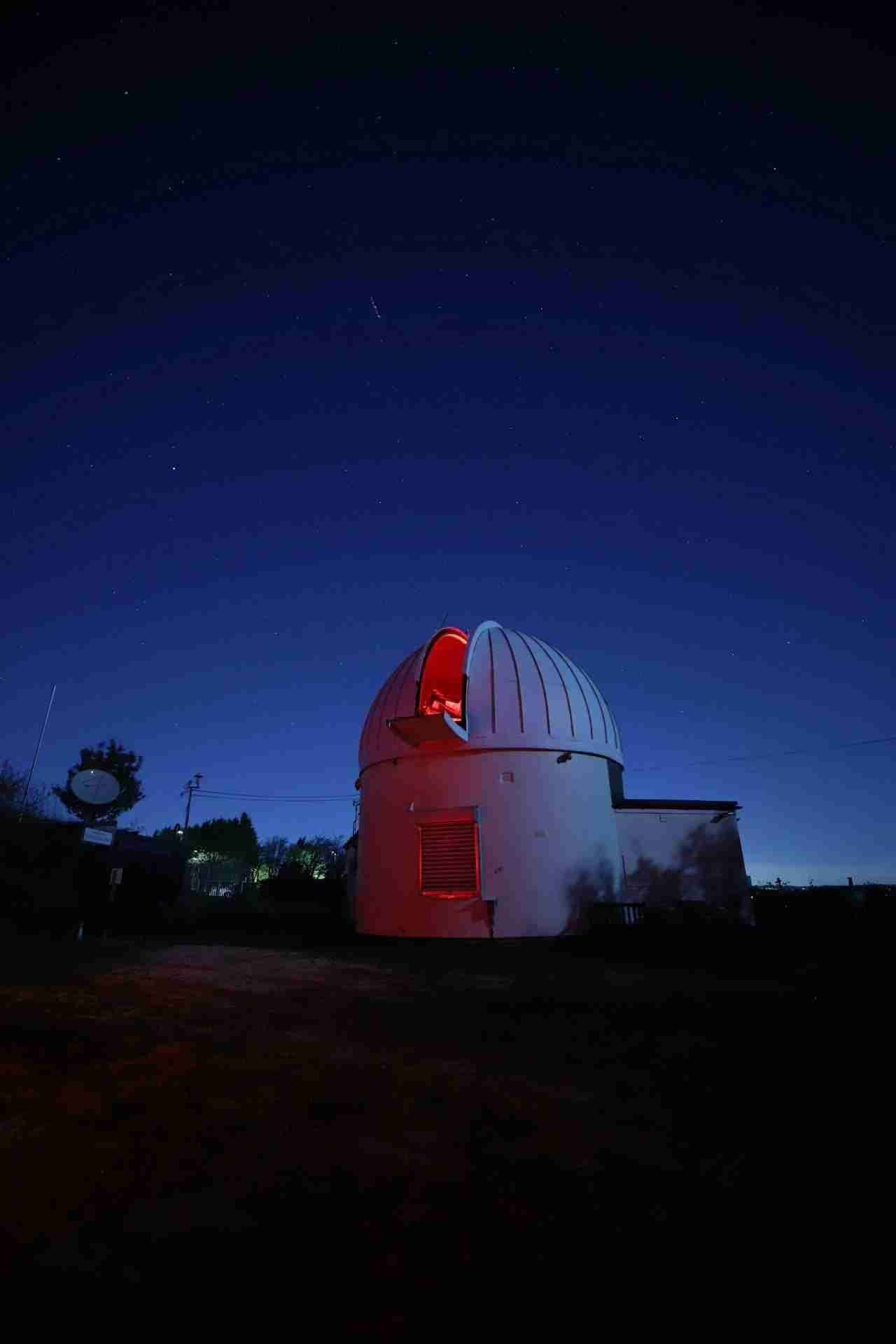
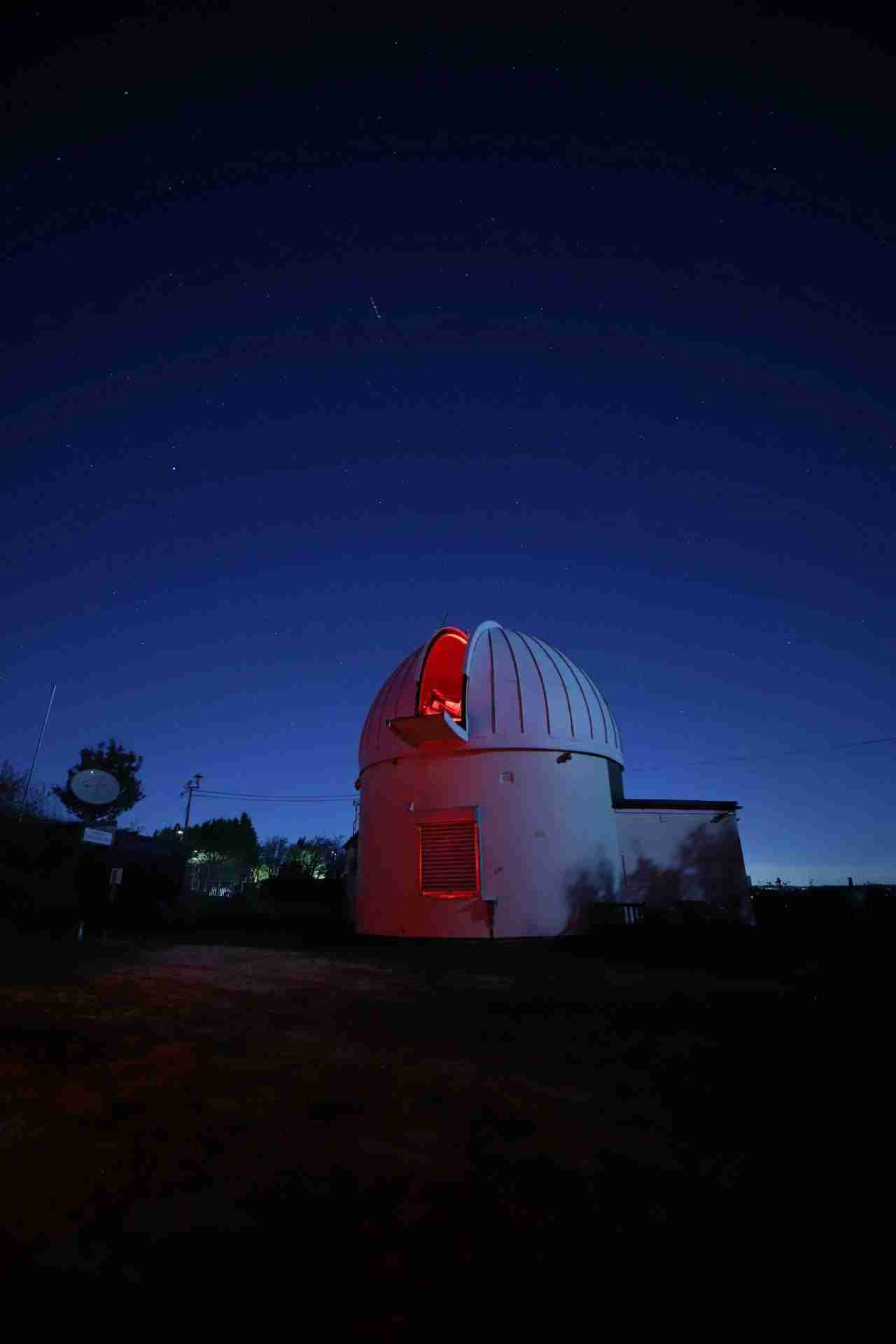
Tucked on a quiet hillside just outside Sutton-in-Ashfield in Nottinghamshire, Sherwood Observatory is a modest but atmospheric destination for photographers interested in blending astronomy, architecture, and rural nightscapes. Operated by the Mansfield and Sutton Astronomical Society, the observatory offers more than just stargazing. Its small dome and surrounding open space create a peaceful and photogenic environment, especially after dark when the structure stands silhouetted against a star-filled sky. By day, the observatory can be photographed in relation to the surrounding fields, hedgerows, and gently rolling landscapes that define this part of the East Midlands. By night, it becomes a subject of contrast, its metal dome and silhouette interacting with the colors of the setting sun or the rising Milky Way.
Best Photography Opportunities
• The Observatory Dome at Dusk
The observatory's silver dome is its most distinctive feature and works beautifully as a subject in the hour after sunset. During this time, the dome reflects the last light of day while the sky gradually shifts from orange and pink to deeper blues. From the western field, you can line up a wide shot with the observatory off-center, using the surrounding terrain and fencing to lead the eye. This is a good time to work with a tripod and a small aperture to keep the whole scene in focus. Including a person silhouetted near the dome can add scale and a sense of curiosity.
• Star Trails Above the Dome
With relatively low levels of light pollution compared to surrounding urban areas, Sherwood Observatory is a solid location for capturing star trails. Position the observatory dome in the lower third of your frame and face toward the north to catch circular motion around the celestial pole. Use a remote shutter and a series of long exposures to create stacked trails in post-processing. The structure adds a strong foreground and gives the sky movement something to revolve around. Try this on a clear night between March and October for the best results.
• Milky Way Photography in Summer
From late spring through early autumn, the Milky Way is visible across the night sky above the observatory. Point your camera south or southeast to line up the core of the galaxy rising above the dome or nearby treeline. A wide-angle lens with a wide aperture, such as f/2.8 or faster, will help capture the detail and color in the Milky Way. On moonless nights, the stars are sharp and plentiful. Keep your ISO high and exposure time under 20 seconds to avoid star movement. The observatory itself makes a great anchor in the frame and helps balance the sky-heavy compositions.
• Light Painting the Dome
One creative way to bring the observatory to life at night is through controlled light painting. Using a low-power flashlight or LED wand, you can walk around the structure during a long exposure and trace light across its surface. This technique works especially well when the dome is shot against a dark sky with visible stars. Adjust your exposure to include both the painted surface and the sky in a single frame, or blend multiple exposures later. This adds a sense of drama and clarity to the shot, especially if the dome is otherwise lost in shadow.
• Daytime Architectural Studies
During daylight hours, the observatory's dome and auxiliary buildings still make interesting subjects. The curved lines of the dome contrast with the straight lines of nearby fencing and hedges. Use early morning or late afternoon sunlight to bring out the shape and surface of the structure. On overcast days, the neutral tones of the dome stand out clearly against the muted greens and browns of the field, making black-and-white conversions especially effective. A moderate telephoto lens works well for isolating parts of the structure or picking out detail in the textures of metal, brick, and sky.
• Environmental Portraits and Astro-Lifestyle Shots
If you are working with a model or fellow photographer, this is a great location for environmental portraits. Place the subject near the dome, looking upward or setting up a telescope, and use a wide aperture to blur the background just enough to draw attention. At night, light the subject softly while keeping the observatory and stars in the background. These shots help tell the story of people engaging with science and nature, and they work well in series about exploration or wonder.
Best Time to Visit
For night photography, the best months to visit Sherwood Observatory are between March and October, when skies tend to be clearest and temperatures are more comfortable for extended sessions. Summer months offer longer windows of deep twilight, which is useful for capturing the Milky Way and detailed star fields. From April through August, the galactic core of the Milky Way is visible low on the southern horizon, and moonless nights during this period provide ideal shooting conditions.
Autumn brings earlier nightfall, which can be helpful if you want to shoot star trails or deep sky compositions without staying up too late. In spring and autumn, the temperature drops quickly after sunset, so pack gloves and a warm layer, even if the day has been mild. Winter offers the darkest skies of the year, but the weather is less predictable. Snow can add a reflective foreground for more creative framing, although the observatory may be closed or less accessible during icy periods.
For daytime photography, visit during early morning or late afternoon when the sun is low. These times provide directional light that helps define the dome's shape and add contrast to the surrounding land. Avoid midday hours when light can be flat and shadowless, especially on overcast days. If you're planning to photograph sunrise or sunset, scout the site in advance to choose your angles and foreground elements.
How to Get There
Sherwood Observatory is located just south of Sutton-in-Ashfield, near the town of Mansfield in Nottinghamshire. The site sits on a low ridge that offers clear views of the night sky, making it ideal for both amateur astronomers and photographers. If you are arriving by car, the observatory is accessed from Coxmoor Road. A small access track leads to the site, which has a modest gravel parking area near the entrance. Parking is free, but space may be limited during public events.
There is no charge for photographing the exterior of the observatory from public areas or during clear nights when no events are scheduled. However, access to the interior dome and equipment areas is generally reserved for members or visitors during open nights hosted by the Mansfield and Sutton Astronomical Society. Check the observatory's website for details about visiting hours, membership, and scheduled public events. These events often include telescope demonstrations, talks, and supervised stargazing.
If you are arriving by public transport, Mansfield train station is the nearest stop, located about four miles away. From there, you can take a local taxi or ride-share to the observatory. Bus services are limited in the evening, so driving or arranging a pickup is the most reliable option for night shoots. Be aware that the final stretch of road is narrow and unlit, so bring a flashlight or headlamp to help navigate safely in the dark.
Recommended Photography Gear
To photograph Sherwood Observatory, pack a camera that performs well in low light. A full-frame mirrorless or DSLR body with strong high ISO performance will allow you to capture more stars and finer detail in night skies. A wide-angle lens with a fast aperture, such as 14mm f/2.8 or 24mm f/1.8, is ideal for Milky Way shots and night landscapes. A longer lens can be useful for picking out details on the dome or framing compressed views of the observatory against the horizon.
A sturdy tripod is essential for long exposures, especially if you plan to shoot star trails or use low ISO settings. Bring a remote shutter release to avoid camera shake during longer exposures, and consider a power bank or spare batteries, especially in colder months when battery life drops quickly. A red headlamp is useful for adjusting your settings without affecting your night vision or disturbing the exposure.
For light painting or controlled illumination, a dimmable flashlight or LED wand will give you more options. If you plan to shoot multiple long exposures for stacking, bring extra memory cards and plan your compositions ahead to avoid unnecessary movement between frames. A basic weatherproof camera cover can be helpful on damp nights or in light fog, which is common in this area.
During the day, a polarizing filter can help manage reflections on the dome and deepen the color of the sky. A lens hood is recommended when shooting into low sun to reduce flare and increase contrast. Because you may be walking through uneven ground, wear sturdy shoes and bring a small backpack to carry your gear safely between shots.
Nearby Photography Locations
offer a mix of woodland paths and hilltop views just a short drive from Sherwood Observatory. These locations are great for golden hour photography, especially in autumn when leaves turn color and the landscape softens in the light. The high ground at Silverhill also gives views across the Nottinghamshire countryside that pair well with long-lens compositions.
, a short drive to the south, is one of England's most striking Elizabethan mansions. The symmetrical stone building and its large windows reflect light beautifully during sunset. Wide lawns and surrounding woodland create strong framing opportunities for architectural photography and seasonal landscape work.
, located further east, offers tall pine trees, wide paths, and quiet clearings perfect for nature photography and moody forest scenes. Misty mornings and filtered sunlight through the canopy make this location ideal for photographers looking to explore depth and atmosphere within a wooded setting.
, the former home of Lord Byron, lies to the southeast and combines gardens, lakes, and gothic-style ruins that photograph well in all seasons. Long exposures at the lake or architectural studies of the abbey's arches and windows are especially effective here.
, just north of Mansfield, is a former coal mining site turned nature reserve. The mix of industrial structures, restored brickwork, and new growth makes this a unique place to combine landscape and heritage photography. Sunset light on the restored headstocks and machinery adds color and depth to compositions.
Sherwood Observatory may be small in size, but it opens up a wide space for creative work. It gives photographers a rare chance to focus on the quiet connection between structure and sky, and to practice techniques that reward patience and planning. Whether you are interested in deep space, star trails, or the soft curves of a rural observatory at rest, this hillside site in Nottinghamshire offers a peaceful and inspiring place to shoot.
Comments
Loading comments…