
Situated on the southern bank of the River Thames in London's Bankside district, Tate Modern is one of the most photographed and architecturally distinctive art museums in the world. Housed in the former Bankside Power Station, the building's industrial heritage—characterized by its imposing brick façade, towering central chimney, and dramatic turbine hall—makes it a magnet for photographers drawn to urban textures, geometry, and minimalist lines. With its striking riverside position, expansive interior spaces, and panoramic views from the Blavatnik Building's viewing level, Tate Modern offers endless possibilities for both exterior and interior architectural photography, as well as cityscapes and creative urban compositions.
Best Photography Opportunities
• Golden Hour for Brick Texture and Reflections
– The museum's brick exterior glows with warm tones during the golden hours of sunrise and sunset. Early morning light reflects off the Thames, casting soft highlights on the building's surfaces and emphasizing the texture of its industrial skin. Capturing the interplay of light and structure from the Millennium Bridge creates one of the most iconic angles.
• Interior Photography in the Turbine Hall
– The Turbine Hall is one of Tate Modern's most celebrated interior spaces, with its cavernous volume, skylit ceiling, and ever-changing art installations. Shooting with a wide-angle lens allows you to emphasize the scale and symmetry of the space. The shifting light throughout the day, combined with the dynamic behavior of visitors, adds a human dimension to architectural compositions.
• Street-Level Angles for Abstract Geometry
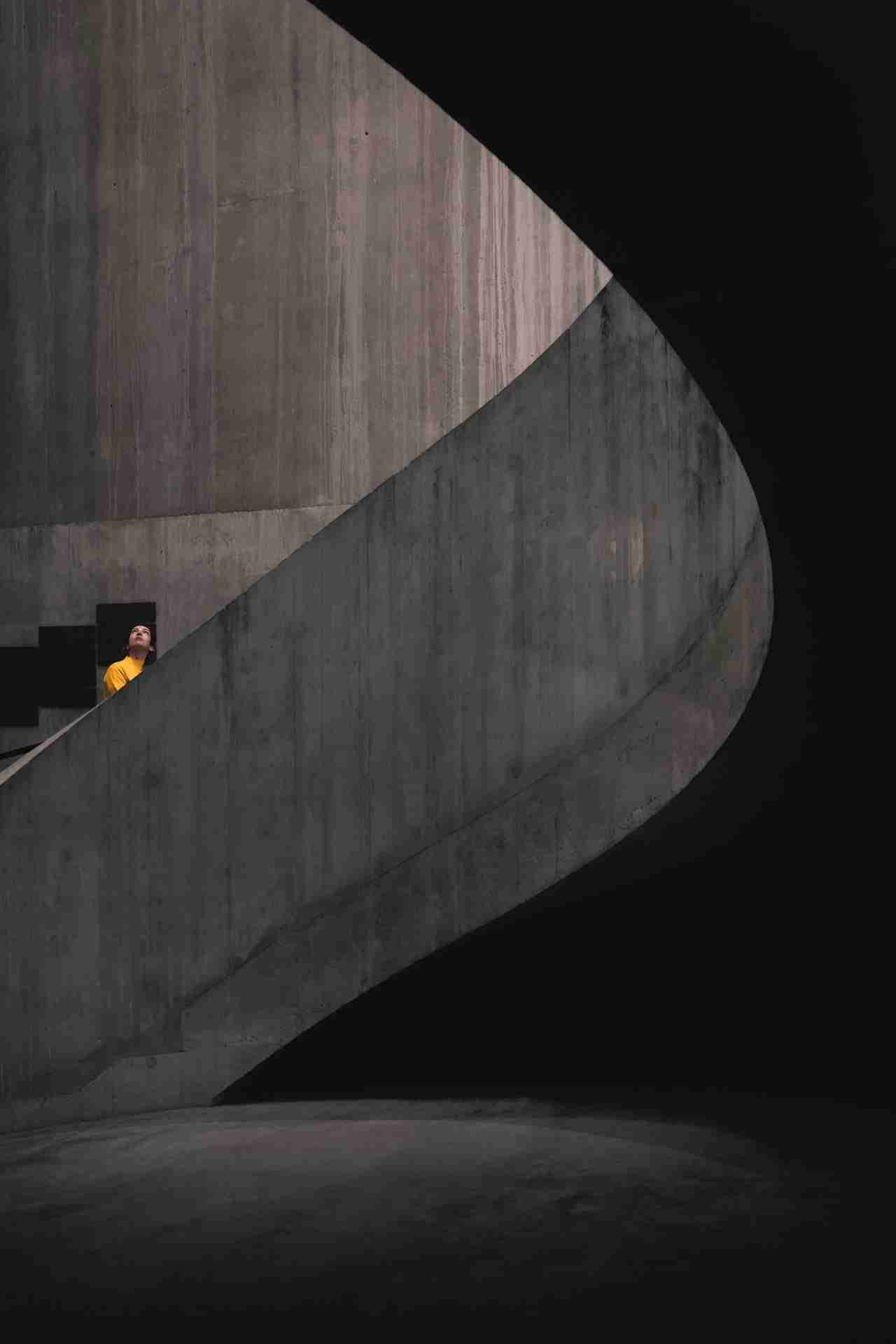
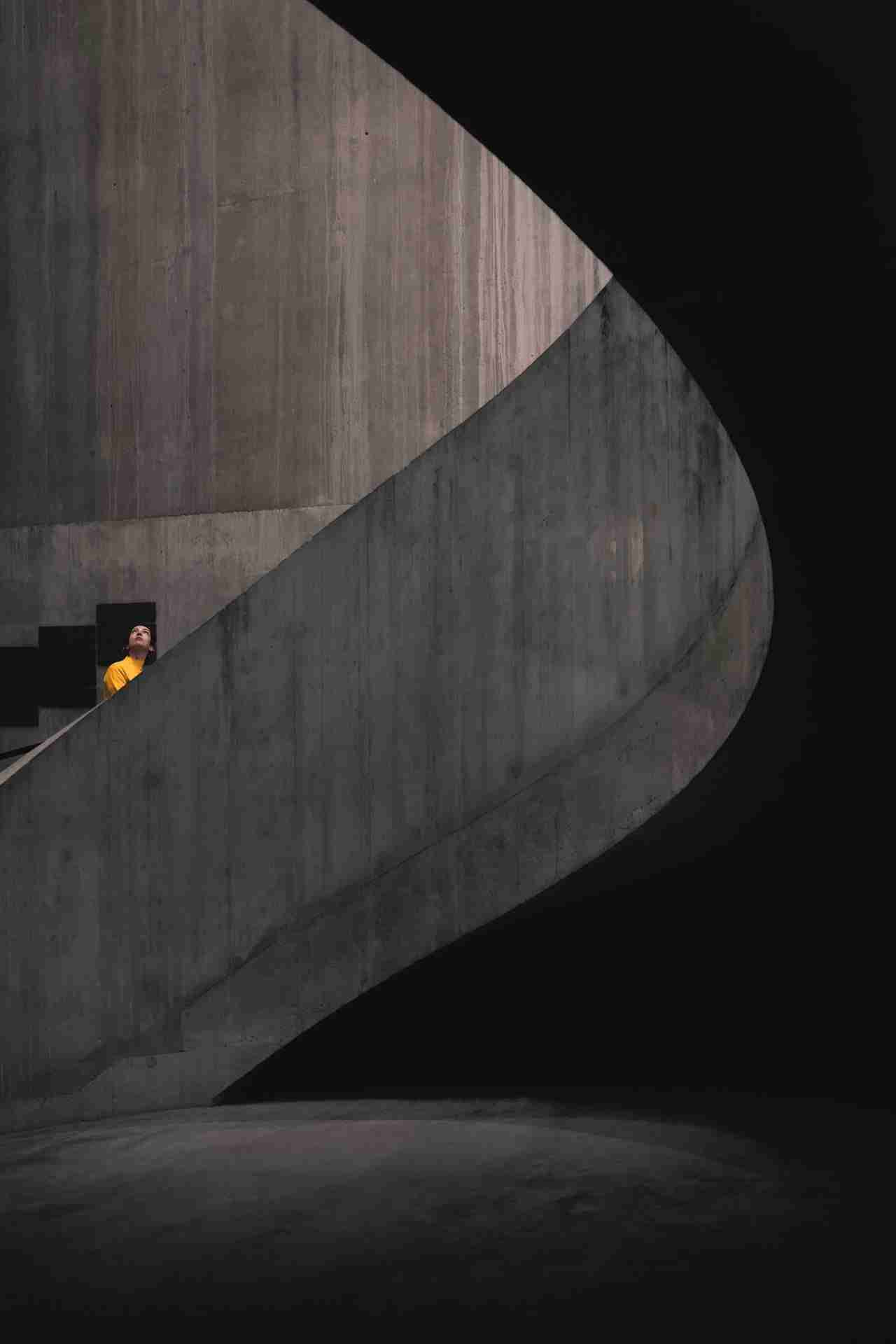
– The sharp edges, repetitive brick patterns, and unconventional lines of the Blavatnik Building (the museum's newer extension) offer fantastic material for abstract and detail-oriented photography. Focusing on intersecting staircases, perforated facades, and angular shadows creates strong compositions that highlight the building's architectural rhythm.
• Panoramic Views from the Blavatnik Viewing Level
– Located on the 10th floor, the open-air terrace provides sweeping views of the London skyline, including St Paul's Cathedral, the Shard, and the River Thames. Shooting during sunset or twilight allows you to capture city lights flickering on as the skyline glows with pastel tones. A telephoto lens can isolate architectural details across the city, while wide-angle shots frame the panoramic drama.
• Night Photography from the Riverside
– At night, the museum's warm internal lights spill out through the tall vertical windows, creating a dramatic contrast with the cool tones of the river and sky. Shooting from the opposite bank or Millennium Bridge allows you to incorporate reflections in the Thames and frame the museum alongside London's other riverside landmarks.
Best Time to Visit
Tate Modern is photogenic year-round, but the best lighting occurs during golden hour—particularly at sunset when the west-facing facade catches the last of the day's light. Early mornings offer the softest light and the fewest crowds, making it easier to capture clean, architectural compositions from both inside and out.
Spring (March–May) and autumn (September–November) provide crisp light and dramatic skies, ideal for high-contrast architectural shots. In summer, extended daylight hours allow for longer golden hours and twilight photography along the river. Winter can offer moody skies and reflections in the wet pavement, perfect for monochromatic and minimalist compositions.
For night photography or cityscape shots from the viewing terrace, visiting during the blue hour provides the perfect balance of natural and artificial light, with the skyline illuminated and the museum glowing from within.
How to Get There
Tate Modern is located on Bankside, directly across the river from St Paul's Cathedral and adjacent to the Millennium Bridge. The museum is easily accessible by foot, bicycle, or public transport.
The nearest tube station is Southwark (Jubilee Line), a 10-minute walk away, though many visitors arrive via the scenic route over the Millennium Bridge from St Paul's (Central Line). Blackfriars and London Bridge stations are also within walking distance. Numerous buses stop along Southwark Street and Blackfriars Road.
Tate Modern is free to enter, including the Turbine Hall and most exhibition spaces. The Blavatnik Building's viewing terrace is also free and open to the public. Tripods are not permitted inside the museum, but handheld photography is allowed in most public areas unless otherwise marked.
Exploring the Surrounding Area
The area around Tate Modern is rich in photographic subjects and city life. Just outside the museum, the pedestrianized riverwalk offers street photography opportunities, street performers, and varied architectural styles, from glass high-rises to repurposed warehouses. The juxtaposition of old and new, gritty and polished, is particularly vivid here.
Walking west along the Thames Path leads to Shakespeare's Globe Theatre and the Southbank Centre, while heading east takes you toward Borough Market and The Shard. Reflections in puddles, changing skies, and the movement of people all add layers to compositions along this vibrant stretch of riverfront.
From the opposite bank, the museum itself becomes the subject, rising prominently in the center of your frame with the Thames in the foreground. Framing the scene through the arches of Blackfriars Bridge or from the base of St Paul's Cathedral gives you varied and compelling angles of the museum's form.
Nearby Photography Locations
• Millennium Bridge
– The steel suspension footbridge that connects Tate Modern to St Paul's Cathedral offers a clean, symmetrical composition perfect for leading lines. Long exposure shots at twilight capture light trails from passing boats and smooth out the flow of the river.
• St Paul's Cathedral
– Visible from many of Tate's vantage points, this London icon makes for a dramatic skyline element. Climbing the cathedral dome provides expansive city views, while ground-level compositions benefit from classical symmetry and historic detail.
• The Shard
– London's tallest building is a short walk east along the river and offers a stark vertical contrast to Tate Modern's horizontal massing. Reflections of The Shard in nearby glass buildings, especially at dusk, create modern, urban compositions.
• Southbank Centre and London Eye
– Further west along the Thames Path, this cultural hub offers bold Brutalist architecture, busy street life, and sweeping riverside views. The nearby London Eye adds a dynamic focal point for cityscape photography.
– Just a 10-minute walk away, this historic food market bustles with life, color, and texture. A great spot for candid street photography, close-up detail shots, or capturing the energy of one of London's most iconic public spaces.
Tate Modern is more than a museum—it's a photographic landmark that encapsulates London's evolution from industrial to cultural powerhouse. Whether focusing on the stark geometry of its design, the vibrant life along the riverside, or the sweeping skyline from its upper terraces, the museum offers a rich canvas for photographers of all styles. With its accessibility, diversity of angles, and endlessly changing light, it remains one of the city's most rewarding locations for architectural and urban photography.
Comments
Loading comments…