
![Water, Stone, and Shadow Around the Old Castle at Scotney, England The Old Castle at Scotney, tucked within the wider […]](https://storage.googleapis.com/pixeo-blog.firebasestorage.app/article-images/wp-import/featured-135546.jpg)
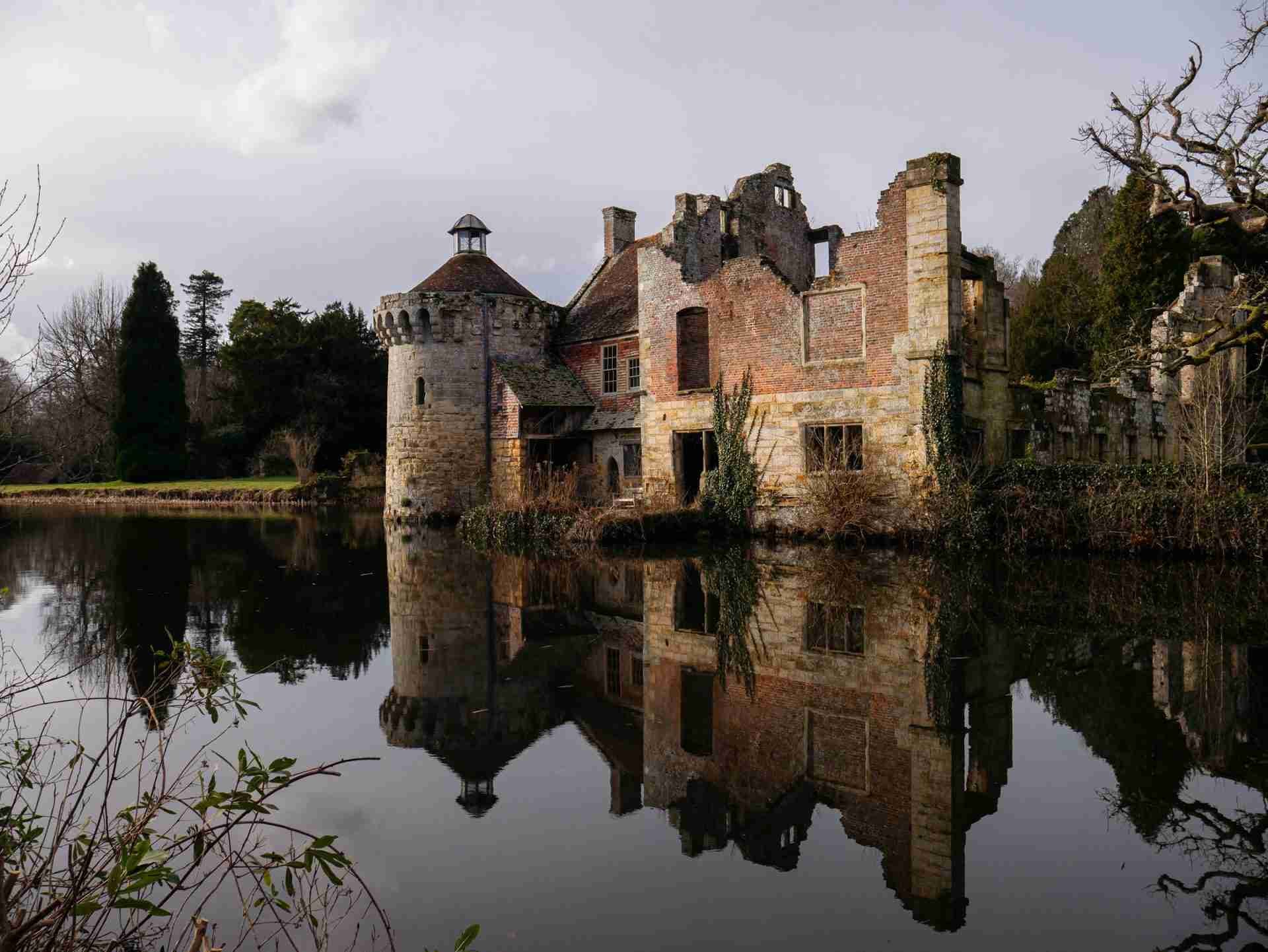
The Old Castle at Scotney, tucked within the wider Scotney Castle estate in Kent, is a moated 14th century ruin that is an amazing hidden gem shooting location. Partially crumbled yet still standing, the castle rises from a small island in the middle of a reflective pond, surrounded by woods, gardens, and seasonal color. Unlike more polished historic buildings, the Old Castle has an irregular shape and visible signs of wear, which give it more depth and texture in photos. The water acts as both a natural frame and a mirror, and the surrounding landscape changes tone throughout the year (from spring blossoms to golden leaves and low winter light). Whether you're after a clean wide view or patient studies of weathered stone and reflections, this is a place built for quiet photography.
Best Photography Opportunities
• Reflections
One of the classic views of the Old Castle is from the north side of the moat, looking across the still water toward the tower and its partial ruins. This angle allows you to capture the castle mirrored in the surface of the lake, especially early in the morning when the air is still. Framing the castle with low hanging branches or seasonal flowers from the formal garden helps anchor the foreground. Overcast skies can help reduce glare and bring out more color and contrast in the stone. A tripod is helpful here if you want to use a narrow aperture or longer exposure for better clarity in the reflection.
• Close Up Details
The castle's worn sandstone walls, narrow windows, and ivy covered sections are excellent subjects for tighter compositions. Shooting from the paths that circle the moat, you can isolate details like old ironwork, window shapes, and crumbling stone. These images work best in soft light (early morning, late afternoon, or overcast days) when you can preserve shadow detail without harsh highlights. Using a midrange zoom lets you move between wide and tight frames quickly as the light changes.
• Garden Color in Spring or Autumn
From late April through early June, the surrounding gardens bloom with color, giving you a vibrant foreground to contrast with the grey and tan tones of the stone. In autumn, reds and golds dominate the treetops and can be reflected in the water or used as soft backdrops for wider views. Shoot slightly off center to include trees, hedges, or flowers around the edge of the frame, especially if you're working with a wider lens. Early morning and late afternoon light adds warmth and shape to the scene without overwhelming the colors.
• Sunset
As the sun drops behind the estate in the late afternoon, it creates a chance to silhouette the castle from the opposite bank. This can be a good time to shoot wider frames with the lake and sky together, especially if there are clouds catching the light. Expose for the sky and let the castle fall into shadow for a more graphic, moodier composition. These shots benefit from clean framing, avoid too much clutter at the edges of the lake and try to find a foreground element like a branch or patch of grass to balance the frame.
• Fog or Mist Over the Moat
On cool mornings in autumn or winter, mist sometimes settles over the water and around the ruins, softening the edges of the castle and hiding parts of the background. These conditions are perfect for quiet, atmospheric photography. Use a tripod and a longer lens to work with the compressed layers, or stay wide and let the castle emerge from the fog as a faint silhouette. The limited visibility helps reduce distractions and puts more focus on shape and tone.
Best Time to Visit
The estate is open all year, but the most rewarding photography conditions usually happen during spring and autumn. Spring offers flower filled gardens and fresh greens, which work well for colorful frames and bright reflection shots. Autumn brings richer tones in the trees and a better chance of misty mornings or overcast skies that add softness to the scene. Summer tends to be brighter and busier, with more visitors around the grounds, which can make patient shooting more difficult.
Early morning is the best time of day if you want calm reflections, less foot traffic, and directional light that moves across the ruins. Late afternoon offers warmer light and the possibility of backlit compositions. Overcast days work well for detail shots and even-toned exposures. The site is relatively sheltered, so wind isn't a major concern, and the moat usually stays still enough for reflection work even when the air is moving.
How to Get There
Scotney Castle is located near Lamberhurst in Kent and is managed by the National Trust. If you're driving, the entrance is just off the A21, about 30 minutes from Tunbridge Wells or 45 minutes from Hastings. There is a dedicated car park on site with easy access to the estate.
Photography is allowed throughout the gardens and around the old castle, though access to certain paths may vary depending on weather or maintenance. The castle ruins themselves cannot be entered, but the surrounding trails give you excellent views from multiple directions. Entry requires a ticket, but there are no additional photography fees unless you're doing commercial work. The grounds are well kept and the paths are easy to walk, though waterproof shoes are a good idea after rain.
Recommended Photography Gear
A wide angle lens (16 to 35mm) is useful for capturing the full castle and its reflection, especially when shooting from the north bank or near the gardens. A 24 to 70mm lens gives you flexibility for tighter compositions, stone textures, or framing with foreground elements. For atmospheric or layered shots through fog or foliage, a short telephoto lens (70 to 200mm) helps compress space and isolate interesting elements.
A tripod is useful for working in low light or doing long exposures, especially early in the morning or on cloudy days. A polarising filter can help control glare on the moat and deepen the tones in the stonework and surrounding trees. Since you'll be working near water and possibly in damp conditions, bring lens cloths, weather covers, and a bag that can handle soft ground or muddy paths.
Nearby Photography Locations
About 25 minutes away, this National Trust site offers structured gardens, brick towers, and climbing roses that provide rich color and strong compositional lines during spring and summer. It's a great contrast to the more natural setting at Scotney.
A short drive west, this managed forest area features tall conifers, seasonal paths, and lakes that reflect the changing sky. It's especially good in autumn or for misty morning work when the trees break up the fog.
Roughly 40 minutes southeast, Bodiam offers a much more intact medieval structure surrounded by a wide moat. It's ideal for symmetry focused work and makes a solid follow up location if you're building a castle themed shoot day.
For a change of subject, head into Tunbridge Wells for a mix of urban textures, historic buildings, and woodland edges. It's a good spot for quieter street scenes or layered landscape views from the edge of town.
Comments
Loading comments…