
Set along the eastern shore of Lake Windermere in England's Lake District, Windermere Jetty Museum offers a balance between natural scenery and modern design that works surprisingly well for photographers. The museum itself is made up of sharp edged buildings clad in dark copper, designed to weather over time and reflect the shifting light from the lake. Inside, restored steam launches, yachts, and traditional wooden boats are displayed with care, but the exterior is where the strongest compositions usually happen. Surrounded by water, boats, jetties, and sky, the museum is a place where manmade structure meets the changing conditions of the lake. The setting encourages both wide landscape work and more graphic, abstract shots, depending on how the light moves and what time of year you visit.
Best Photography Opportunities
• Museum Architecture with Lake Backdrop
The museum buildings feature low, geometric forms with dark, weathered cladding that changes color depending on the light. These strong shapes photograph well against the softer lake and sky, especially when clouds break and light hits the metal. Shooting from the path that runs alongside the lake gives you clean lines and a sense of scale between the buildings and their surroundings. Early morning and late afternoon provide the best contrast between structure and background without blowing out the highlights on the water.
• Boathouse Reflections and Still Water
One of the museum's boathouses extends directly over the water, and on calm days it casts clear reflections in the lake below. These compositions work best in the first hour after sunrise when the lake is often still and the air is quiet. You can frame the boathouse as a simple rectangle with mirrored symmetry or shift to a low angle for something more abstract. Including a portion of the stone shoreline or jetty gives added depth. This is also a great time to work with a polarizer if you want to control reflections and bring out tones in the sky.
• Jetty Details and Repeating Lines
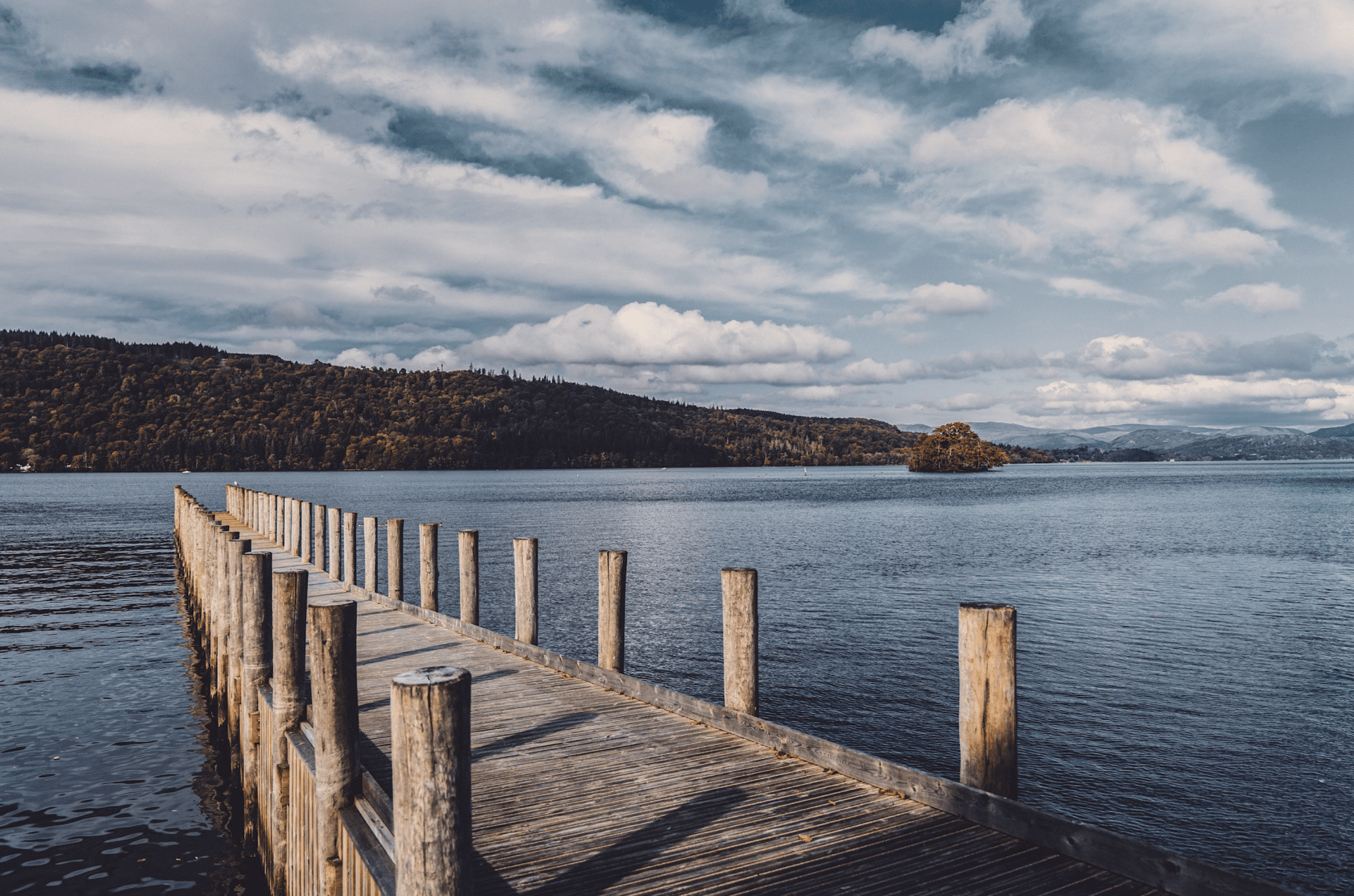
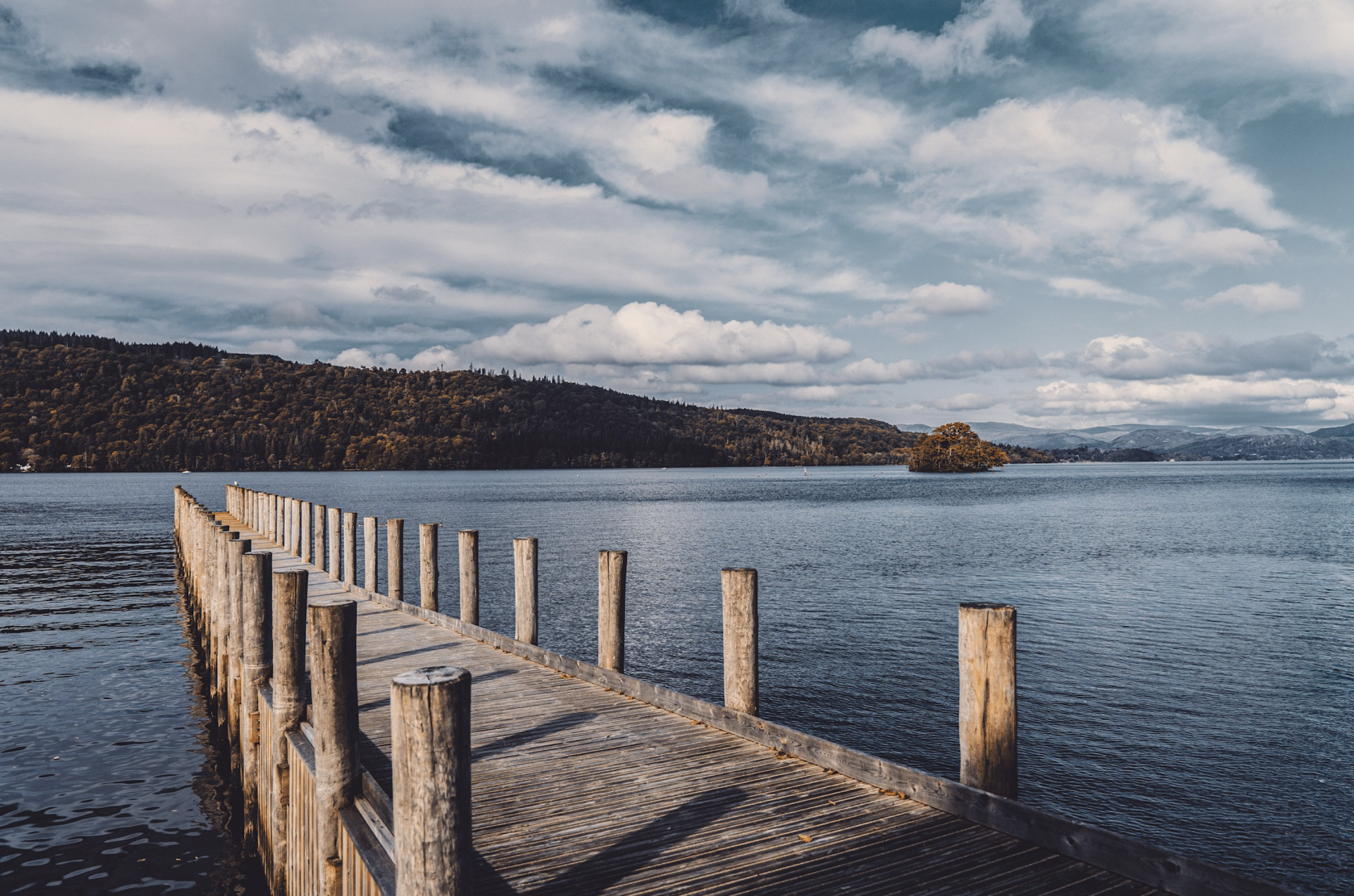
The wooden jetties leading into the lake offer a range of shooting options, from traditional vanishing point compositions to tighter frames of wood grain, mooring posts, or subtle textures. These lines draw the viewer into the frame and create structure in otherwise open water scenes. Overcast days are particularly useful here, as they reduce glare and allow you to shoot evenly across the tonal range. This is also a good setting to experiment with long exposures, especially when there are few boats moving through the scene.
• Historic Boats and Material Contrast
Several of the museum's restored steam boats and wooden vessels are docked along the edge of the lake, and their polished finishes contrast well with the industrial texture of the museum buildings. Close up shots of brass fixtures, painted hulls, or textured wood sit well alongside wide compositions of boats against the modern backdrop. The light reflecting off the water adds a moving layer of highlights that changes by the minute. A mid range lens is perfect here for keeping both context and detail in the same frame.
• Lake Views Framed by Architecture
One of the more subtle opportunities comes from photographing outward from the museum buildings rather than toward them. Some openings and covered walkways act as frames, letting you shoot toward the lake through rectangular gaps or across decks with partial shade. These scenes feel quiet and controlled, with strong foreground shapes leading out to open sky and distant fells. They work well on cloudy days when the light softens and reflections stay subtle.
Best Time to Visit
Early morning is the most productive time for photography at Windermere Jetty Museum, especially if you're aiming for still water, reflections, and clean architectural light. The lake is often calm in the first hour or two after sunrise, and the dark cladding of the museum picks up soft color from the sky. Midday can be harsh in summer, with glare off the water and deep contrast on the metal siding, but it can work for graphic compositions if you're shooting for bold lines.
Late afternoon brings warm side light across the buildings and sometimes mist on the lake in cooler months. Sunset can be striking if clouds break in the west, though the low elevation of the sun means the light disappears behind hills earlier than you might expect. Overcast days are especially good for photographing details and textures, as well as for working with balanced exposures across sky, lake, and structure.
Autumn adds richer color to the trees surrounding the site and often brings misty conditions that work well for a softer, quieter look. Winter brings more dramatic skies and a peaceful setting, with fewer visitors and a slower pace. Spring has fresh greenery and changing skies, though the lake traffic begins to pick up.
How to Get There
Windermere Jetty Museum is located on Rayrigg Road, just a short walk from the town of Bowness-on-Windermere in Cumbria. If you're arriving by car, there is a small paid parking lot directly beside the museum, with overflow parking available along the road during busy periods. The site is also accessible via train to Windermere Station, followed by a 20 minute walk or a short taxi ride.
The museum is open all year, with reduced hours in the winter. Entry is ticketed, but there's no restriction on photography for personal use. Tripods are allowed outside but may not be permitted inside gallery spaces without advance permission. The walkways around the lake are accessible, and the area is flat and easy to navigate with gear. Amenities include a café with lake views and restrooms on site.
Recommended Photography Gear
A wide angle lens in the 16 to 35mm range is essential for shooting the museum's architecture, especially when you're working close to the buildings or want to include the lake and sky. A 24 to 70mm zoom adds flexibility when you're switching between detail shots, dock views, and wider scenes. For boat textures or compressing views of the lake against the hills, a short telephoto can also be useful.
Bring a polariser to control glare off the water and deepen contrast in the sky, especially on bright days. A tripod is helpful if you're shooting long exposures on the jetties or working in low light during early or late hours. Pack a lens cloth to deal with spray or mist, particularly in cooler months. A small bag is enough to carry your kit here, since you'll be working within a compact, accessible area.
Nearby Photography Locations
• Bowness Bay and Marina
Just a short walk from the museum, Bowness Bay offers views of sailboats, ferries, and lakeside buildings backed by wooded hills. Golden hour adds warm color to the water and surrounding town, and there's plenty of activity to build street-style scenes with a coastal feel.
A short hike from Windermere Station leads to this classic viewpoint over the lake. It's a well-known spot but still worthwhile, especially at sunrise when the fells catch early light. Bring a longer lens to compress the distant layers of hills and lake below.
Located across the lake near Far Sawrey, this restored Victorian viewing platform offers framed perspectives over Windermere. The structure itself is photogenic, and the walk along the western shore has several stops with strong views eastward, especially in the evening.
At the southern end of the lake, Fell Foot offers open lawns, old boathouses, and wide views across the water to the central fells. It's ideal for sunset compositions with reflections if the wind stays low. The park is spacious and has a variety of natural and built elements that pair well with a slow approach.
Comments
Loading comments…