
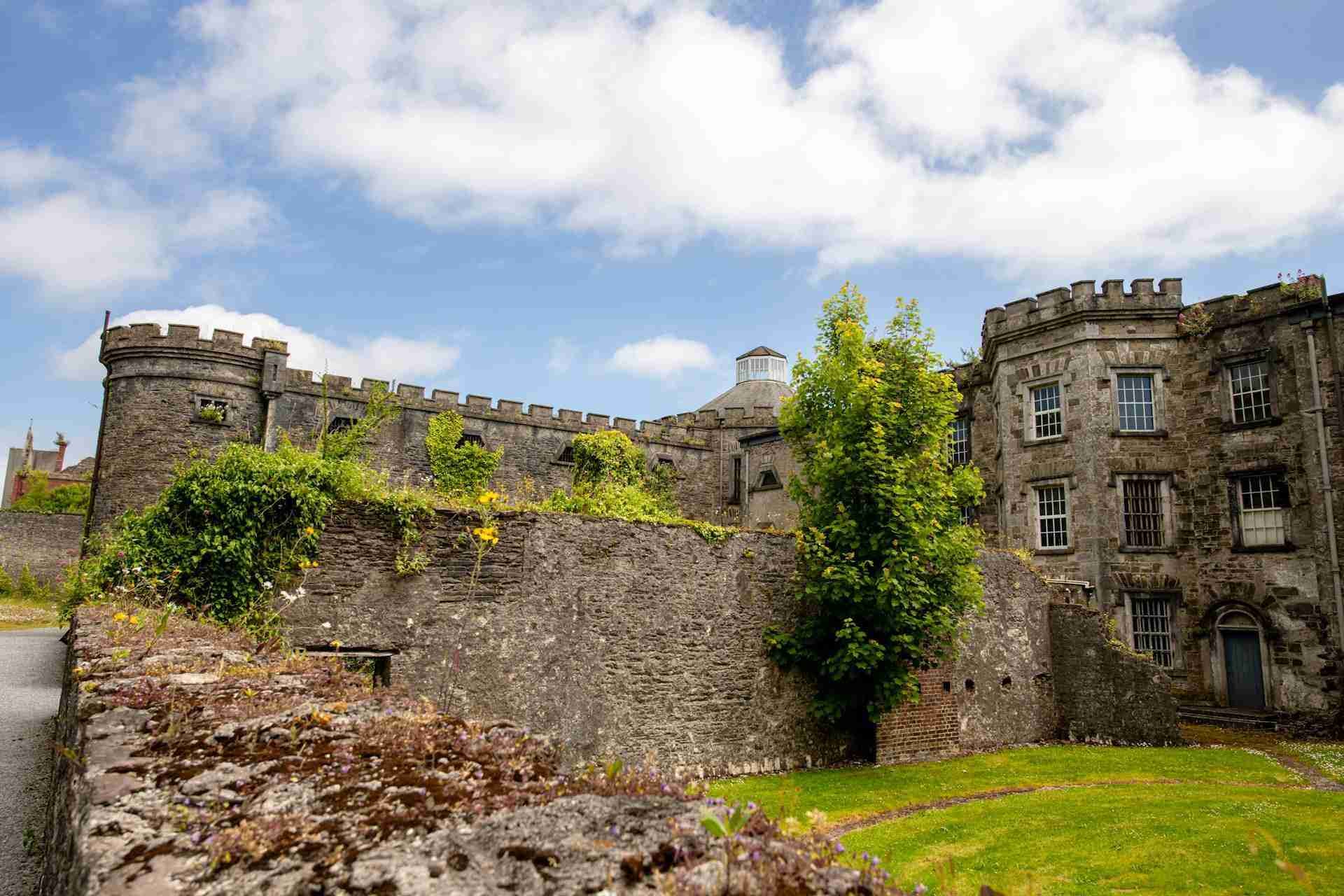
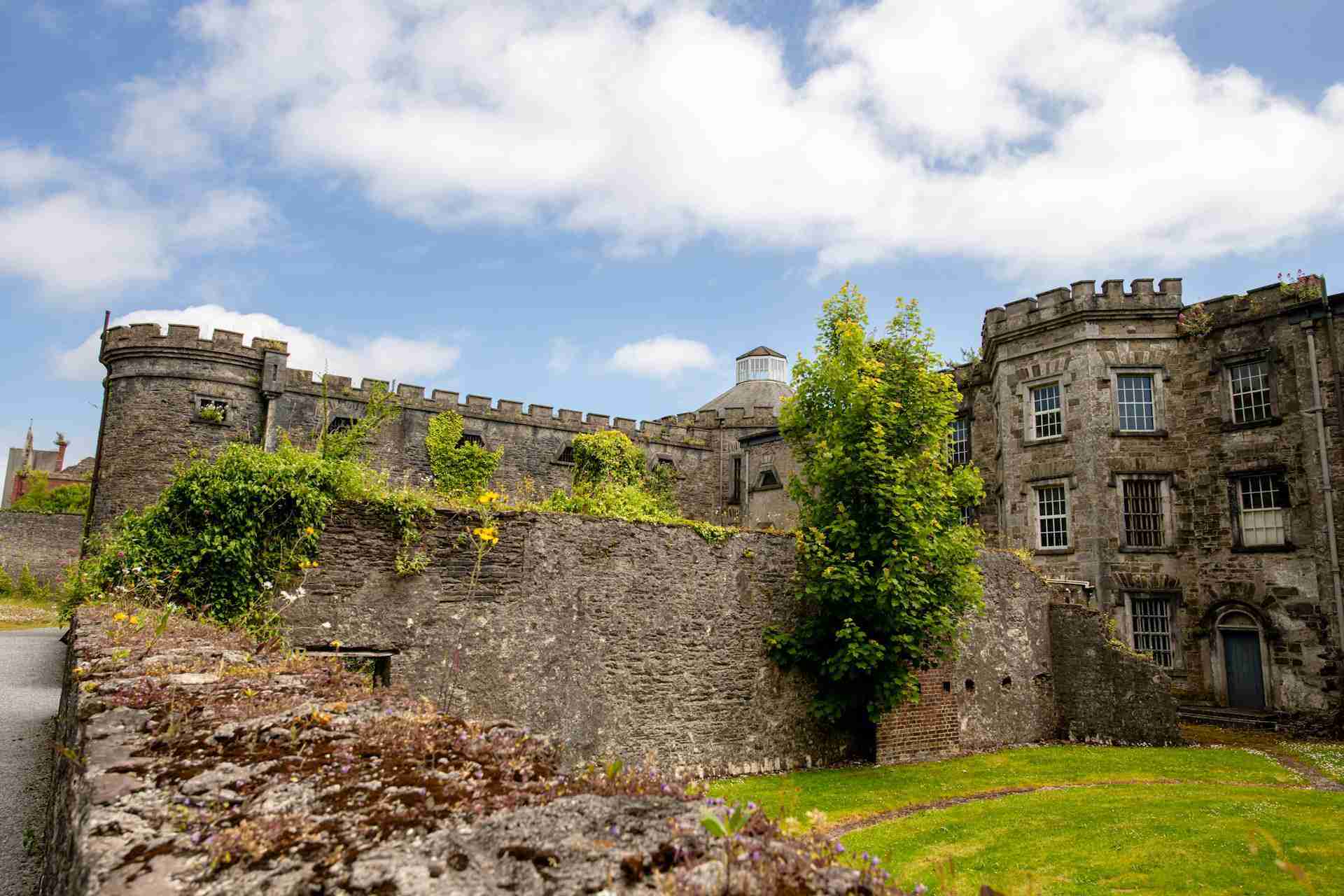
Cork City Gaol stands on a rise above the River Lee, a looming reminder of Ireland's 19th-century penal history wrapped in Gothic Revival architecture. Once a working prison for both men and women—many convicted during the Great Famine—it now operates as a museum, its long corridors and atmospheric cells preserved in time. Photographically, the gaol is rich with mood and historical depth. From its moss-covered stone exterior to the light-dappled interiors and ironwork balconies, it offers visual stories filled with contrast, texture, and shadow. For those drawn to photographing architectural decay, strong geometry, or evocative historical sites, this location is an essential stop in Cork.
Best Photography Opportunities
• The Exterior Facade and Guard Towers
: The gaol's formidable limestone frontage, complete with round turrets and crenellated walls, presents an ideal subject for wide-angle architectural compositions. The best approach is from the slope of Convent Avenue, where the elevation allows for a slightly downward view across the forecourt. Use a lens in the 16–24mm range to capture the full structure, especially in soft morning light, which rakes across the stone and accentuates texture. Cloudy conditions also work well, adding a somber tone that complements the site's history. Don't overlook the guard towers—framed tightly with a short telephoto, they take on an almost medieval quality against a stormy sky.
• Interior Cellblock Galleries
: Once inside, the main attraction is the long central hall, where two stories of cells flank a cast-iron balcony running the length of the block. This is where the gaol's geometry shines—lines, patterns, and repetition create a strong sense of depth. From the upper level, frame your shots looking down the spine of the hallway, using leading lines to draw the viewer toward the vanishing point. A mid-range zoom (24–70mm) offers flexibility for capturing wide overviews or tighter, moodier slices of corridor. Tripods may be restricted, so prepare for high-ISO handheld shooting in low light.
• Detailed Cell Interiors and Artifacts
: The preserved cells offer strong documentary compositions. Many contain mannequins, sparse bedding, and era-appropriate objects that recreate daily life in confinement. Frame these scenes using natural window light where possible, letting the contrast between shadowed corners and bright cell doors tell the story. A 35mm or 50mm prime lens works well here, allowing you to shoot in tight spaces while maintaining sharpness and clarity. Focus on the details: chipped plaster, rusted hinges, or graffiti etched into the walls—all lend themselves to emotionally resonant close-ups.
• Window Light and Shadow Play
: One of the most evocative features of Cork City Gaol is its lighting—especially in early morning or late afternoon when light cuts through barred windows and casts long, repeating shadows across stone floors. These conditions are ideal for chiaroscuro studies. Use spot metering to expose for the highlights and preserve the intensity of the shadows. Black-and-white processing works exceptionally well here, stripping the scene to its emotional core and highlighting form and contrast. The interplay of hard edges and diffuse light turns even a simple hallway into a powerful composition.
• Exterior Details and Decay
: Don't forget to explore the rear and side areas of the gaol, where less-restored walls reveal deeper patinas of age—crumbling mortar, ivy-draped stone, and rusted metal fixtures. These quieter areas offer opportunities for textural studies and more abstract compositions. A macro lens or short telephoto allows you to isolate small scenes—a weathered door latch, a moss-covered step, or paint flaking from wood. These types of images are ideal for pairing with wider shots to tell a complete visual story of the site.
Best Time to Visit
Cork City Gaol can be photographed year-round, but the best light and fewest crowds are typically found in spring and autumn. Morning visits are especially productive, as sunlight streams through the east-facing windows, casting long interior shadows and bathing the façade in warm light. During these hours, the stonework takes on a golden hue, and the soft light helps preserve detail in both highlights and shadows.
Late afternoon also brings rich light, though it can be more diffused by the surrounding trees and hills. Interior photography is strongest on days with partial cloud cover, which balance ambient light with soft shadow play. For those interested in atmospheric shots, winter's short days and low sun angles offer dramatic illumination that emphasizes the gaol's somber character.
Tour times and group traffic can be a challenge—arrive at opening or near closing for the quietest conditions. Some areas are dimly lit and may restrict the use of tripods or flash, so come prepared with fast lenses and an understanding of handheld shooting in low light. Rainy days are ideal for exterior work, as the damp stone darkens and reveals deeper tonal richness, while light mist can add a moody veil to courtyard compositions.
How to Get There
Cork City Gaol is located in the Sunday's Well area of Cork, Ireland, just northwest of the city center. From St. Patrick's Street or the main train station, it's a 10-minute drive or a 25-minute walk. The most direct walking route climbs through leafy residential neighborhoods and ends at the gaol's imposing gates along Convent Avenue.
Public buses (including routes 208 and 220) run nearby, with a short uphill walk from stops on Wellington Road or Sundays Well Road. On-site parking is available but limited—arriving early helps secure a spot, particularly in summer or during weekends.
The gaol is open to the public most days of the year, with access via ticketed entry. Photography is permitted in most areas, though flash, large tripods, and commercial shoots may require prior approval. Check opening hours and visitor guidelines in advance, especially if you're planning a long or low-light shoot. There is a modest entrance fee, which supports the continued preservation of the site.
Recommended Photography Gear
A wide-angle lens (16–35mm) is ideal for capturing the architecture of the gaol's facade and expansive interior galleries. For tighter compositions and low-light handheld shooting, a fast 35mm or 50mm prime lens is invaluable, offering excellent sharpness and low aperture capability for dim corridors.
Bring a mid-range zoom (24–70mm) for flexibility when switching between wider architectural frames and detail-focused images of cell interiors, artifacts, and weathered surfaces. A short telephoto (85–135mm) is useful for compressing long corridors or isolating window patterns and shadows.
A lightweight tripod may be helpful for long exposures, particularly during blue hour or in darker interior rooms—though check in advance whether their use is permitted. A small LED panel or light wand (if allowed) can help fill shadows discreetly, though ambient light alone is often sufficient. Also carry extra batteries and a lens cloth—the stone interiors are cold and damp, which can affect battery life and fog up glass.
Fast SD cards and dual-slot backups are helpful if you're shooting a large set of documentary or fine art images. The environment is visually dense, and it's easy to shoot dozens of compositions in a short visit. Bringing a small flashlight can help you navigate darker areas without relying on camera-mounted lighting.
Nearby Photography Locations
: A short walk downhill, this historic church with its copper-topped tower offers panoramic views over Cork from the bell tower. The interior is rich in character, and the climb to the top offers unique photographic perspectives of the city's red roofs and winding lanes.
: With its ivy-covered quadrangles, neo-Gothic architecture, and tree-lined paths, the university grounds offer a softer counterpart to the gaol's severity. Ideal for architectural and environmental portraits, especially in golden hour light.
: This riverside park near the gaol features walking trails, sculptures, and a picturesque pedestrian suspension bridge known locally as the "Shaky Bridge." Misty mornings add mood to the river and tree-lined views.
: Located just south of the city center, this star-shaped fortification offers elevated views over the city and a chance to photograph Cork's layered rooftops against the backdrop of church spires and hills.
: One of Cork's most photogenic religious buildings, this cathedral's elaborate Gothic Revival architecture, stained glass windows, and intricate stonework reward both wide and detailed shooting. Sunset light often catches its spires beautifully.
Cork City Gaol offers a compelling blend of architectural grandeur and emotional gravity—perfect for photographers who seek texture, atmosphere, and stories etched into stone. It's not just a site of historic interest but a place where light, structure, and shadow come together to craft deeply evocative images.
Comments
Loading comments…