
Ruins in the Mist: Photographing Cullahill Castle, Ireland
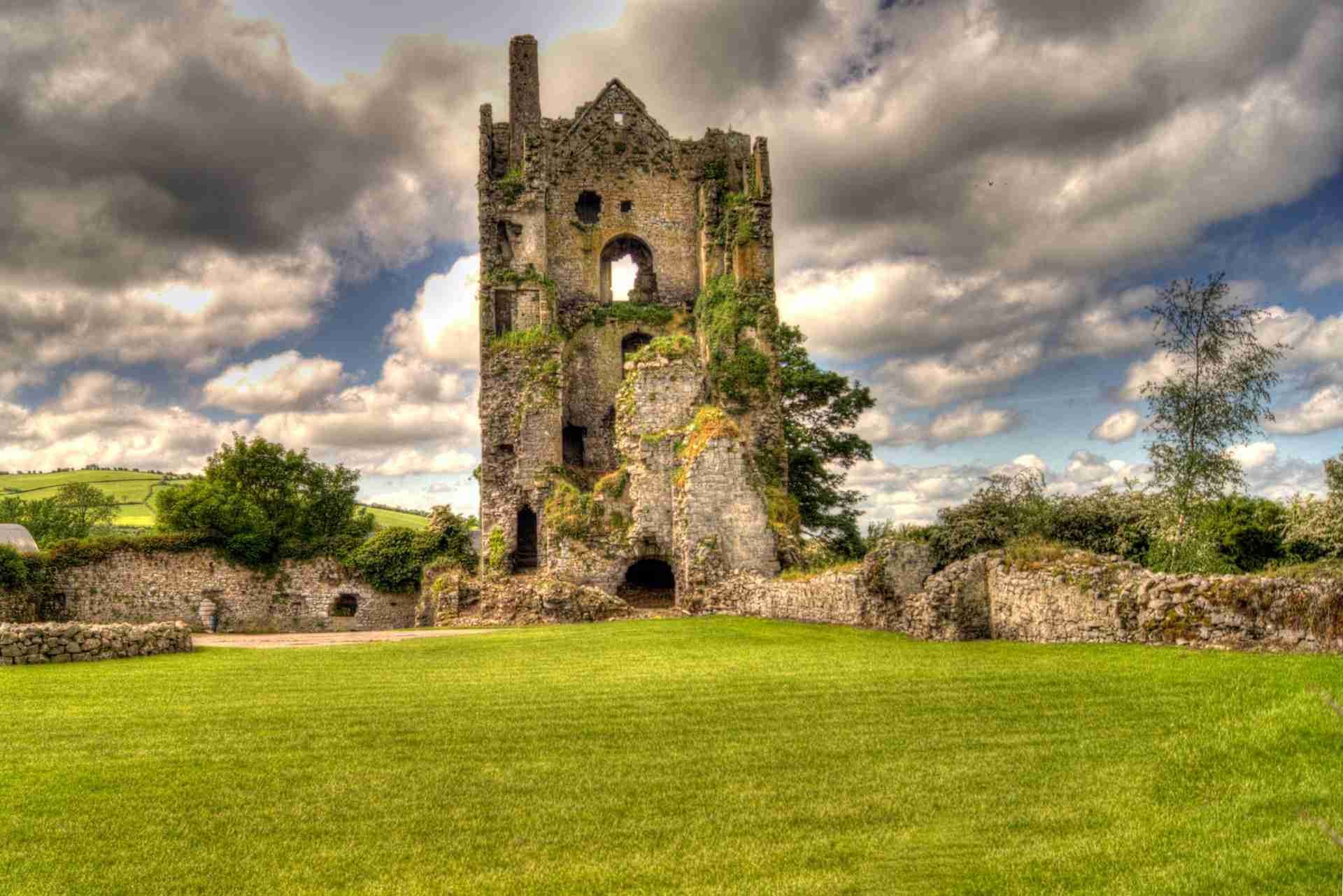
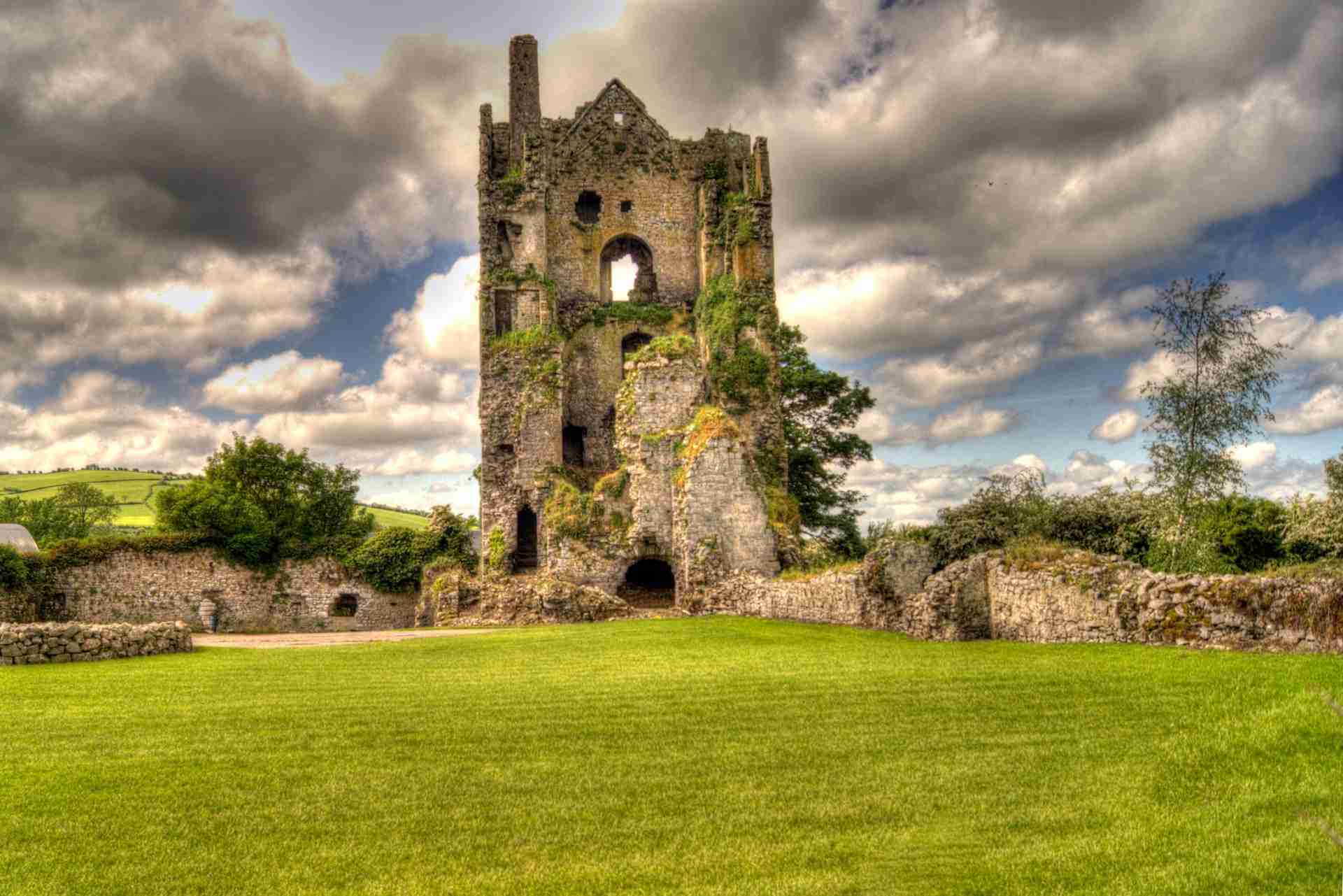
Nestled on a rocky outcrop in the village of Cullahill in County Laois, Cullahill Castle offers photographers a rich blend of medieval architecture, dramatic landscapes, and an evocative sense of history. Towering five stories tall, this 15th-century limestone fortress captures the imagination with its commanding presence and intriguing ruins. It's a site where ancient stone and rural tranquility merge, making it a rewarding destination for those seeking depth and atmosphere in their photographic compositions.
Best Photography Opportunities
• The tower in profile on misty mornings
: Capturing the full silhouette of Cullahill Castle as it rises against a backdrop of rolling mist is a deeply atmospheric experience. The vertical lines of the stone tower contrast beautifully with the soft, swirling fog, especially when approached from the north where the rising sun provides a backlight. These early hours often bring out the silence and stillness of the countryside, which can be felt through long exposure shots. Positioning the castle slightly off-center in your composition helps highlight its isolation within the mist-shrouded landscape. This moment, fleeting and ephemeral, gives an almost fairytale-like quality to your work, making it a strong candidate for both monochrome and soft color treatments.
• Detail shots of windows, arches, and fireplaces
: The castle's surviving architectural elements are a treasure trove for those who love textural and compositional depth. The vaulted ground floor, with its limestone ceiling ribs and arrow loops, offers dramatic light-shadow play. Crumbled fireplaces and framed archways give a glimpse into the lives once lived here. These features reward close inspection and macro work, especially when sidelight accentuates the craggy stonework. For more abstract compositions, use the symmetry of arched windows or the lines of weather-worn lintels to guide the viewer's eye. These details not only add visual interest but also tell the story of construction and decay across centuries, each crack and groove a character in its own right.
• The Sheela-na-gig perched above the chimney on the east wall
: This rare and ancient figure carved into stone invites both curiosity and creativity. Best captured with a telephoto lens from the east side of the castle, the Sheela-na-gig offers a singular focal point against weathered masonry. Given its elevated position and the subtle relief of its carving, proper timing and light are crucial—shoot in angled light either just after sunrise or before sunset to bring out its form through shadow. This small but potent detail anchors a composition in historical mystery and cultural symbolism. Consider pairing this shot with tighter crops of surrounding masonry to explore texture, or contextualize it within the full façade to emphasize its place within the architecture.
• Ruined chapel across the road
: The small, crumbling structure directly across from the castle provides not only historical context but also an opportunity to frame Cullahill Castle creatively in the background. Shooting from inside the chapel ruins allows for natural vignetting through arched windows or doorways. Using the decaying window frame as a foreground element can add a layered narrative to your shot—placing the camera low and focusing through the window toward the castle enhances this depth. Long exposures during cloudy or dusky conditions add drama, while daytime visits allow the photographer to play with light filtering through the broken ceiling. This pairing of ruin within ruin offers a poignant dialogue between religious and feudal pasts.
• Surrounding bawn wall and countryside
: Including portions of the enclosing circular wall and surrounding green hills contextualizes the castle within its medieval setting. This environment of lush, rolling farmland is ideal for wide-angle panoramas that tell a fuller story. The bawn wall, now partially collapsed, still suggests the scale of medieval defenses and adds a visual line that can guide composition. During golden hour, the interplay between shadowed earth and sunlit stone creates a painterly quality that is especially pronounced in panoramic compositions. Look for sheep grazing nearby or local flora in the foreground to lend scale and seasonal context to your shots. This location is also an excellent test ground for experimenting with filters and dynamic range techniques to handle the strong contrasts between sky and stone.
Best Time to Visit
Each season offers its own palette and mood at Cullahill Castle. Summer mornings bathe the limestone tower in golden light, while long evenings allow for extended twilight shooting. The full green of summer grass and foliage creates an ideal backdrop for the pale stone, giving depth and contrast to wide-angle compositions. Spring, with its renewal of blooming wildflowers and fresh leaves, offers vivid colors and an opportunity to capture the castle softened by nature's reawakening.
Autumn brings a gentle fog and rich amber tones that flatter both the ruins and the surrounding hedgerows. Early mornings in October and November often come with a blanket of mist and glowing sunrise light, lending a haunting elegance to photographs. Winter, though more subdued, can be spectacular when frost or a light dusting of snow highlights the structure's angular form, and the lack of foliage helps reveal the bones of the landscape.
Photographers seeking moody compositions will benefit from early morning visits, particularly on misty days when the air lends a soft cinematic quality to the entire landscape. The late afternoon light, coming from the west, brings out the intricate textures of the east-facing walls and gives depth to every crack and crevice. Midday, although often avoided, can be ideal for shooting interiors and shadowed elements, particularly when the sun is high and strong enough to illuminate the vaults.
Longer days in summer mean you can take your time exploring both wide views and close-up details without rushing. However, weather in Ireland can be unpredictable, so it's wise to prepare for sudden changes—cloud cover can arrive swiftly, altering your lighting conditions but also opening the door for dramatic, contrast-rich images. Always bring layers, weatherproof gear, and a flexible schedule to adjust as conditions shift.
Essential Gear for Capturing Cullahill Castle
To make the most of your shoot at Cullahill Castle, bring a wide-angle lens for full-structure shots and to capture the castle's placement within its environment. Lenses in the 14-24mm or 16-35mm range work well for expansive views, particularly when composing scenes with strong foreground elements like wildflowers or the bawn wall. A telephoto lens, ideally 70-200mm, will be useful for isolating the Sheela-na-gig and other architectural elements, especially when you can't get physically close.
A mid-range zoom, such as a 24-70mm lens, provides flexibility and can handle most composition needs from environmental portraiture to tight detail. A sturdy tripod is essential for long exposures in low light conditions such as early morning or twilight, and will also help with HDR bracketing and panoramic stitching. A polarizing filter will reduce glare and boost sky contrast, particularly useful on bright days when the limestone surface reflects light.
For interiors and shadowed areas, a fast lens with a wide aperture (f/2.8 or faster) is invaluable, especially when paired with high ISO capabilities. Bringing a small LED light or headlamp helps you navigate and illuminate dark spaces subtly, though care should be taken not to disturb the ambiance. Don't forget lens cleaning cloths—moisture and mist are frequent companions.
Consider bringing a weather-sealed camera body and lens, or at the very least, a rain cover. The Irish climate is famously changeable, and unexpected showers can appear even during a seemingly clear forecast. For those shooting video, a gimbal or stabilizer can enhance cinematic pans of the exterior walls and surrounding fields. Finally, a drone may offer sweeping perspectives of the castle and its setting—if you choose to fly, observe all regulations and maintain respectful altitude over this historic site.
Nearby Photography Locations
• Grangefertagh Round Tower (≈ 6 km south)
: This tenth-century tower rises from quiet pastureland and is surrounded by the remnants of a medieval church and burial ground. The round tower's smooth stonework and verticality contrast beautifully with the low, crumbling ruins around it. Soft evening light enhances the rich texture and history of this secluded spot.
• Cullahill Mountain walking trails
: These trails offer sweeping views over the Laois countryside, including high vantage points where you can photograph Cullahill Castle from above. Along the way, wildflowers and native woodlands provide opportunities for macro photography and nature-focused landscapes that pair well with the medieval theme of the castle itself.
• Saint Tighearnach's Church of Ireland
: Located just across from the village green, this understated yet elegant rural church features classic Georgian architecture and a small memorial garden. The soft morning and evening light makes it an excellent location for peaceful, contemplative compositions.
• Three Castles area near Freshford Road
: A short drive south leads you to a scenic cluster of lesser-known medieval sites along a winding country road. With old stone bridges, ivy-covered keeps, and timeworn barns, this area is ideal for black-and-white photography, emphasizing texture and historical mood.
Comments
Loading comments…