
Cushendun is a small village along the Antrim coast, known for its whitewashed cottages, quiet harbor, and dramatic sea caves carved into red sandstone cliffs. This picturesque settlement combines human scale charm with rugged natural surroundings, making it an excellent subject for photographers interested in both cultural heritage and coastal scenery. Its position at the mouth of the River Dun, framed by rolling hills and the Irish Sea, creates opportunities for layered compositions where village, shoreline, and horizon meet. Whether you are documenting the timeless character of the cottages or working with moody seascapes at the caves, Cushendun offers a versatile canvas for both wide and detail-driven work.
Best Photography Opportunities
• Cushendun Caves
These red sandstone caves, carved by centuries of wave action, are among the village's most photogenic features. A wide-angle lens captures the vaulted interiors opening out toward the sea, framing the horizon through natural arches. Overcast skies enhance the texture of the stone, while golden hour adds warm tones that highlight the rock's natural color. Long exposures at the cave entrances smooth the incoming waves, creating contrast with the rough stone surfaces. Early morning or late evening is best, both for light quality and to avoid crowds drawn by the caves' Game of Thrones filming connection.
• Harbor and River Dun
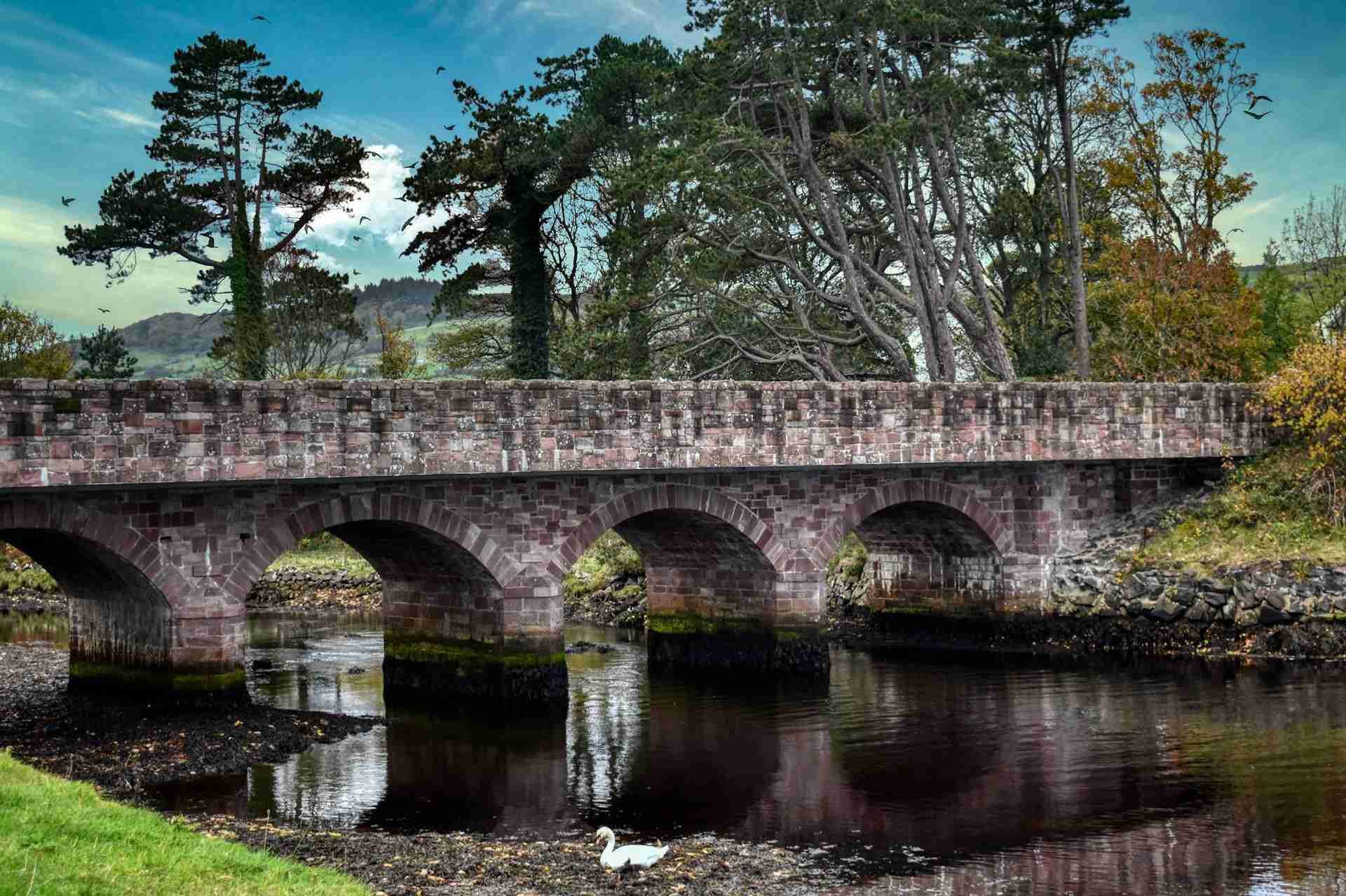
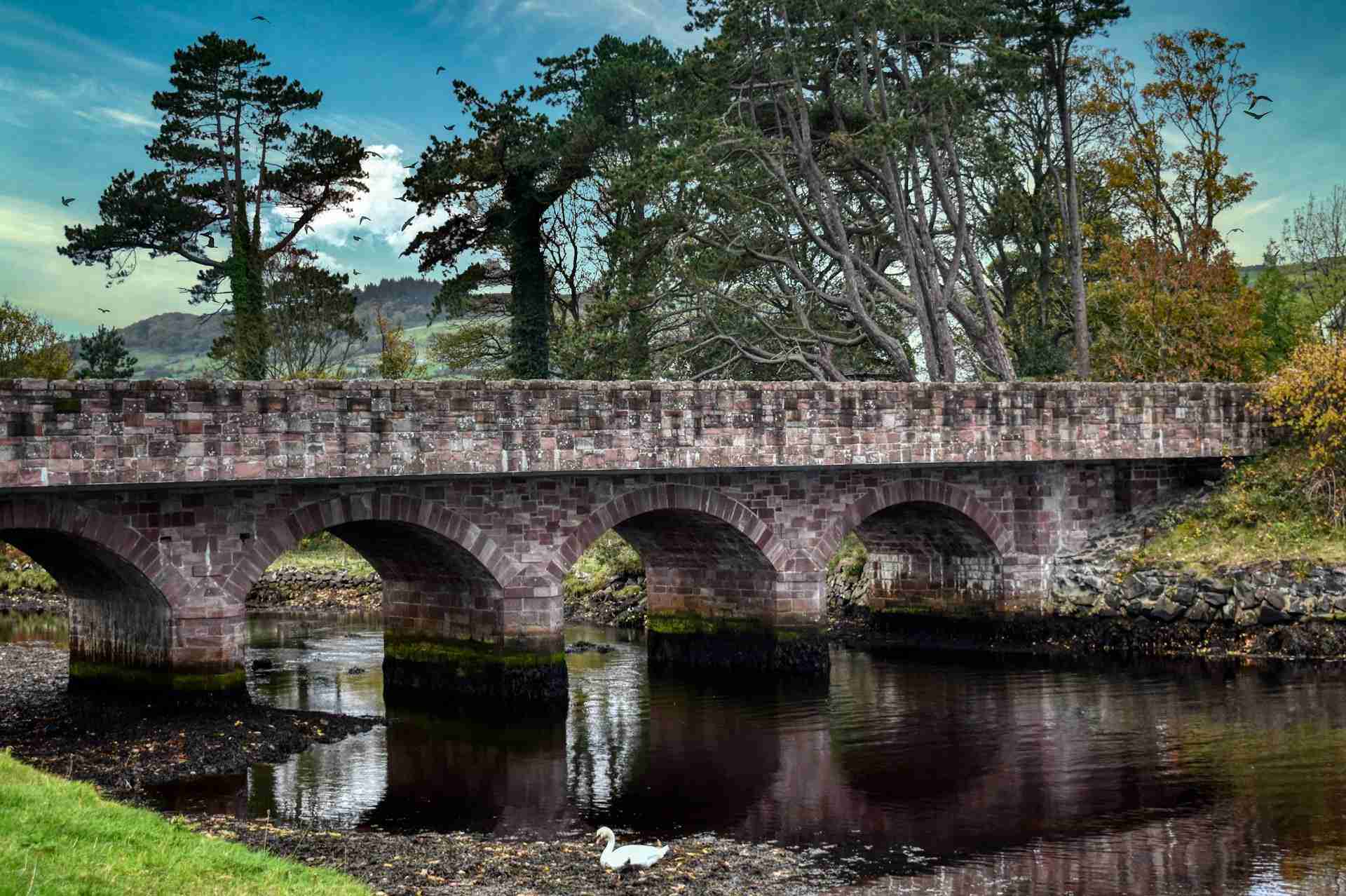
The small harbor, with its moored boats and stone bridge crossing the River Dun, provides opportunities for both intimate and expansive shots. Reflections in the water are strongest during calm conditions, especially at sunrise when soft light falls on the cottages and shoreline. A standard zoom lens works well for balancing village detail with broader harbor views. Shooting from the bridge or riverbank allows for layered compositions with boats, cottages, and surrounding hills in a single frame. Misty mornings are particularly atmospheric here, softening background hills and creating a sense of depth.
• Whitewashed Cottages and Village Streets
Cushendun's main square and surrounding streets feature traditional whitewashed cottages with slate roofs, built in the 19th and early 20th centuries. A mid-range lens is useful for isolating architectural details such as doors, windows, and stone textures. Narrow lanes create leading lines that draw the viewer toward the sea or river. These scenes are most effective under soft light, which brings out the color of the walls and prevents harsh contrast. Early morning is the quietest time to capture the village without cars or visitors.
• Clifftop Views and Coastal Horizons
The headlands around Cushendun offer sweeping views across the Irish Sea and toward Scotland on clear days. Shooting from elevated ground allows you to frame the village below with the sea beyond, emphasizing its small scale within a wide coastal setting. A telephoto lens can isolate distant ships or compress layers of headland into abstract coastal forms. Sunset is the most rewarding time for these views, as the low sun sets over the Antrim coastline and creates long shadows across the cliffs.
• Seasonal and Weather-Driven Atmosphere
Cushendun's coastal position means rapidly changing weather, which often creates dramatic skies. Stormy conditions bring heavy clouds and strong waves that contrast beautifully with the calm, white cottages. Fog adds mystery to the caves and softens the surrounding hills, while bright spring and summer days highlight the vibrancy of green pastures. Each condition offers a different mood, and patience often results in some of the strongest compositions. A tripod and neutral density filter are especially useful for working in variable light.
Best Time to Visit
Spring and autumn provide the most balanced conditions, with softer light, fewer crowds, and a wider range of weather patterns that add character to the landscape. Summer brings long days and vibrant greens, though midday light can be harsh and the caves busier. Winter offers a quieter atmosphere and low sun angles that produce dramatic shadows on the cliffs and village streets, though strong winds and rain are common.
Early morning is the most rewarding time for calm reflections in the harbor and village scenes without interruptions. Golden hour in the evening works well for cliffside views and seascapes, with warm light accentuating both the caves and the red sandstone. Overcast conditions are often preferable for photographing the cottages and interiors of the caves, as diffused light emphasizes texture and color without strong highlights.
How to Get There
Cushendun is located along the Causeway Coastal Route in County Antrim, about 10 kilometers northeast of Cushendall and roughly an hour's drive from Ballymena. Visitors arriving by car will find parking available near the harbor and village square. The caves are within a short walking distance from the village center, following the shoreline path to the south. Public transport options are limited, though buses connect Cushendun with Ballymena and other towns along the coast.
Access to the caves, harbor, and village streets is free and unrestricted, though some paths may be uneven or slippery after rain. The village itself is small and easily explored on foot, allowing for flexible photography sessions across different times of day.
Recommended Photography Gear
A wide-angle lens is essential for capturing the scale and depth of the caves and for expansive coastal views. A standard zoom lens such as 24 to 70 millimeters is versatile for harbor compositions and street scenes. A telephoto lens adds value for compressing distant headlands, isolating ships at sea, or emphasizing architectural details.
A tripod is highly recommended for long exposures inside the caves and for golden hour seascapes. A circular polarizer helps manage reflections on water surfaces and enhances color saturation in skies and stone. A neutral density filter is useful for smoothing wave movement and creating atmospheric long exposures. Waterproof footwear and a lens cloth are advisable, as spray from the sea and damp cave conditions are common.
Nearby Photography Locations
A short drive east along the coast, Torr Head offers panoramic views of the rugged Antrim shoreline and across to Scotland on clear days. The dramatic cliffs and rolling green hills provide excellent opportunities for wide landscape photography.
This neighboring village features a lively harbor, historic buildings, and sweeping views of the Antrim Glens. It makes for a good contrast with the quieter character of Cushendun.
Located inland from Cushendall, Glenariff features waterfalls, forest trails, and lush valleys that provide a different but complementary subject matter to the coastal scenery. Long exposures of the waterfalls are especially rewarding here.
An iconic site along the Causeway Coast, this rope bridge spans a dramatic chasm and provides striking cliffside compositions. It is best visited early or late in the day to avoid heavy crowds.
Further west along the coast, the basalt columns of the Giant's Causeway provide world-renowned photographic opportunities. The site's unusual geological formations are especially dramatic at sunrise or sunset.
Cushendun is a place where scale shifts from the intimate charm of cottages to the sweeping drama of sandstone caves and sea cliffs. Its compact size encourages exploration, while its position along the Antrim coast makes it an excellent stop within a broader photographic journey. For those who enjoy both cultural and natural subjects, Cushendun offers a satisfying mix of textures, moods, and stories shaped by land and sea.
Comments
Loading comments…