
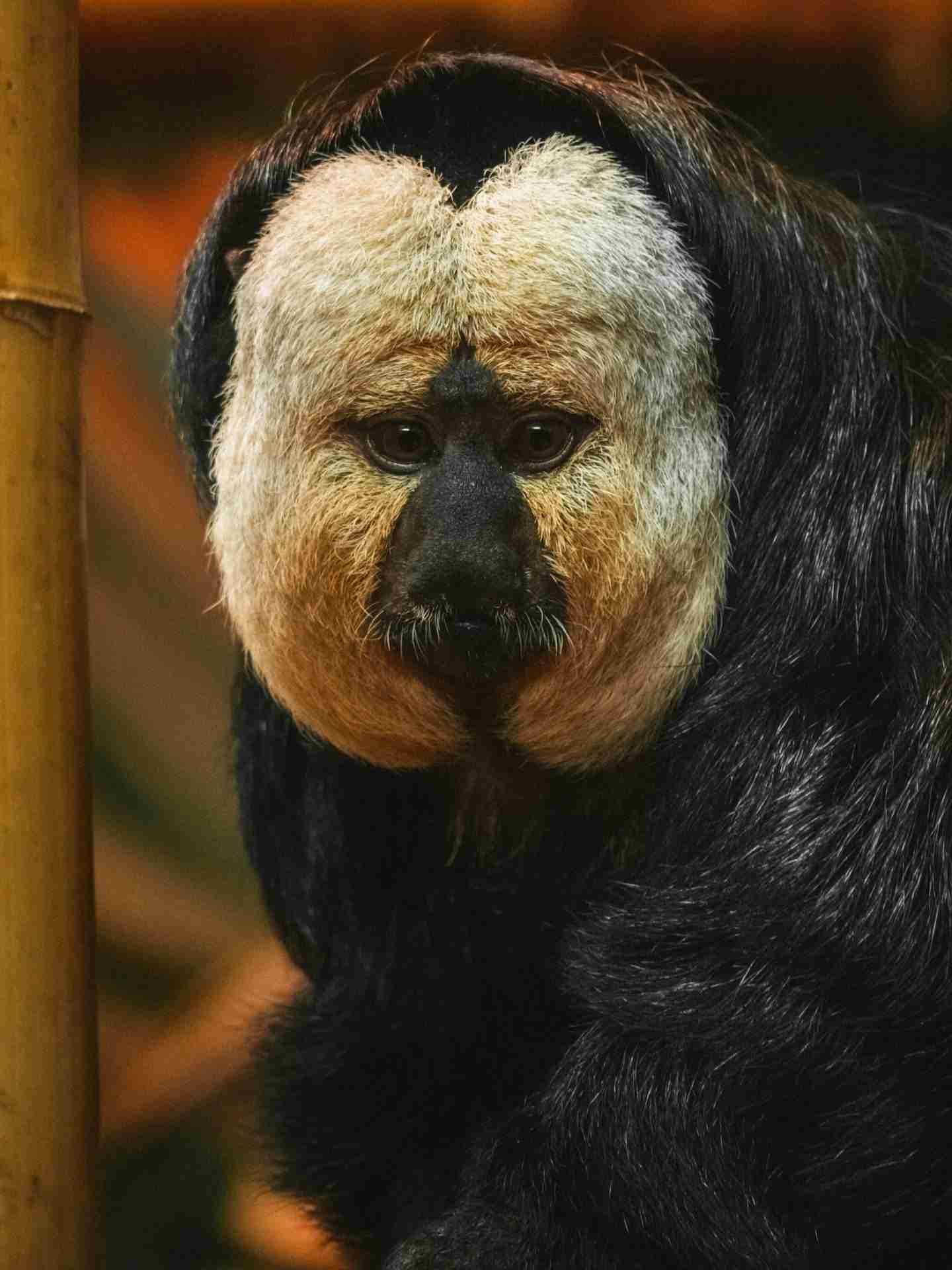
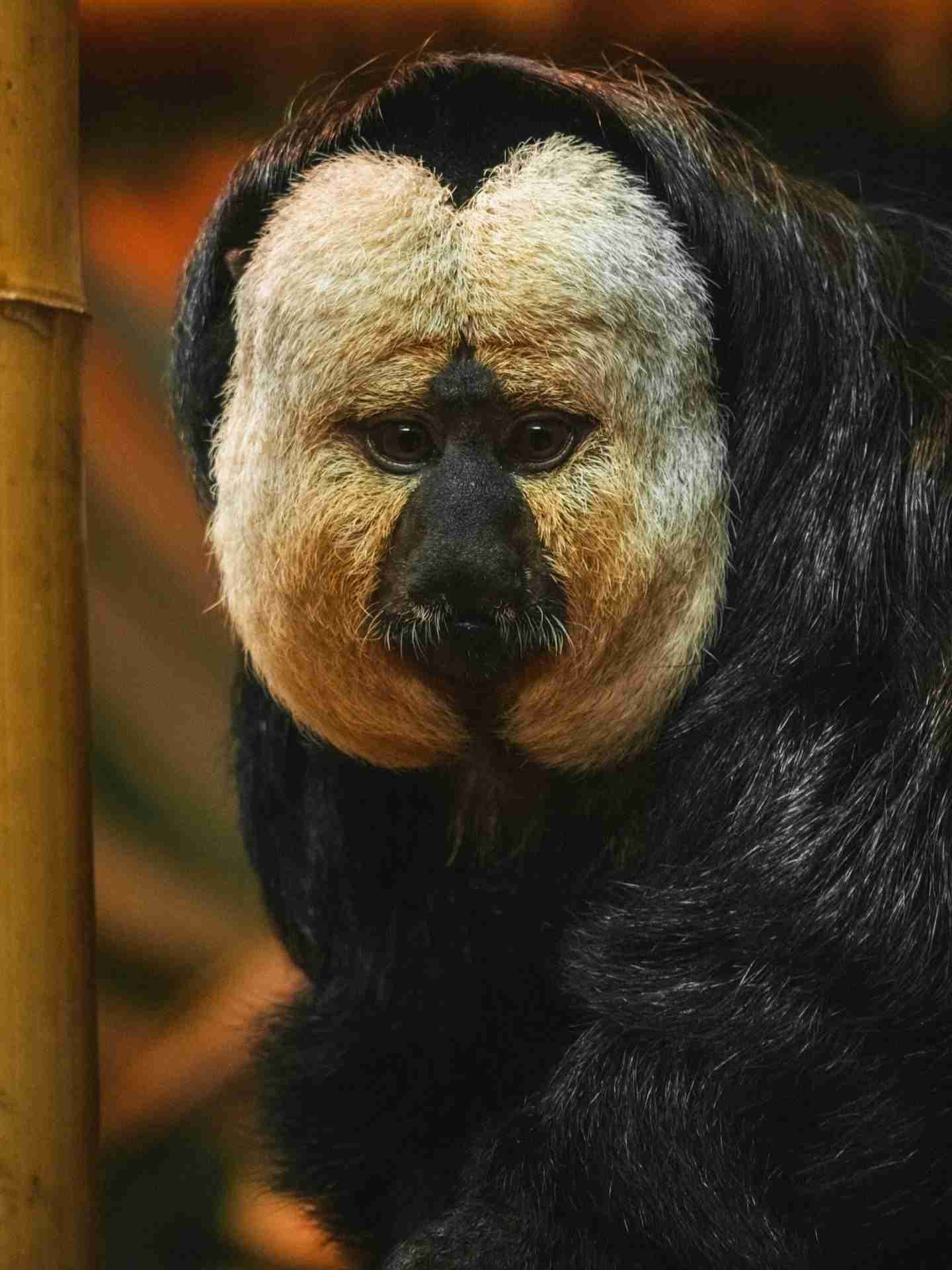
Dublin Zoo, located within Phoenix Park in the heart of Ireland's capital, offers photographers a perfect blend of wildlife, habitat design, and landscaped parkland all in one walkable space. As one of the world's oldest working zoos, it has evolved into a conservation focused facility with naturalistic enclosures and a carefully curated layout that works hard to support animal welfare. The site is divided into several habitat themed areas, each offering distinct photographic opportunities ranging from close animal portraits to layered compositions featuring trees, water, and architectural elements. Its manageable size and gentle terrain make it ideal for slow paced exploration with a camera in hand, while the combination of animal behavior, soft light, and varied textures creates countless chances for unique frames. Whether you're after expressive close ups or broad context shots with depth and movement, Dublin Zoo delivers a rich mix of subjects.
Best Photography Opportunities
• African Savanna and Large Mammal Habitats
The African Savanna zone is one of the most rewarding sections for wide shots and long lens animal photography. This expansive enclosure houses giraffes, rhinos, zebras, and ostriches in a terrain designed to mirror open plains, with warm toned grass, scattered rocks, and water features. Early morning is ideal, as the soft directional light casts long shadows and reveals the subtle textures in fur, hide, and terrain. Photographers can work with layered compositions, placing animals at different depths to create dynamic scenes, or isolate single subjects for a more focused frame. Waiting patiently often rewards you with natural interaction between species, which adds both interest and authenticity to your images.
• Rainforest Trail and Primates
This shaded and intimate path winds through dense plantings and offers views of several primate species, including orangutans and western lowland gorillas. Here, the key to successful photography is patience, as these animals often rest or move slowly, giving you time to frame expressive portraits or moments of interaction. The surrounding foliage softens light and provides an organic backdrop that keeps images feeling natural. Overcast days work especially well in this area, helping to reduce harsh contrast and allowing more detail to come through in the animals' fur and facial features. A zoom lens is essential, as it allows you to stay responsive while maintaining a respectful distance.
• Kaziranga Forest Trail with Elephants and Asian Species
This section of the zoo is home to Asian elephants, red pandas, and other regional species in well designed enclosures that blend rock, bamboo, and shallow water features. The elephants, in particular, are strong subjects for mid range and close up shots as they move slowly and often interact with their environment or each other. Textural elements like rough bark, muddy footprints, and dust rising from the ground offer strong foreground interest if you're shooting wider scenes. Shooting in late afternoon can bring out golden tones in the skin and highlight their movement. These images benefit from a storytelling approach, showing how the animals navigate and interact with their space.
• Zoorassic World and Reptile Details
Though smaller in scale, this exhibit presents interesting close-up opportunities, especially for those who enjoy pattern, color, and stillness. Reptiles like pythons, tortoises, and monitor lizards provide striking detail if you take the time to observe quietly. Glass enclosures can be a challenge, so angling your lens to reduce reflection and using a polarizer can help manage glare. A macro or short telephoto lens works well here, allowing you to highlight textures such as scales, skin folds, or eye detail. The dramatic lighting in some sections adds a bit of theatre, but you'll still want to rely on natural light where possible for more organic results.
• People, Architecture, and Contextual Scenes
Beyond the animals themselves, the zoo offers moments of human interaction, thoughtful exhibit design, and environmental storytelling. Photographing the way visitors interact with displays or how structures frame the animal habitats can lead to more documentary style shots. The stone walls, winding paths, and planted areas all contribute to the zoo's unique feel and are worth incorporating to give your shots more context. These compositions work best in wide to normal focal lengths and benefit from slower walking and observation. Including these details rounds out your visual story and shows the blend of wildlife, urban green space, and public engagement.
Best Time to Visit
The best time to photograph Dublin Zoo is during the early morning hours, particularly right after opening. The light is softer, shadows are longer, and the animals are generally more active before the midday sun. Weekdays offer a quieter environment with fewer visitors, which helps you move freely and shoot without waiting for crowds to clear. Overcast days are especially good for photographing animals in shaded enclosures or under tree cover, as they reduce contrast and help preserve fine detail. Seasonal changes also impact the overall feel; spring brings lush vegetation and energetic young animals, while autumn offers rich tones in the planted areas and fewer crowds. Winter visits can be productive as well, particularly for close up work, as the lower sun angle creates directional light throughout most of the day.
How to Get There
Dublin Zoo is located inside Phoenix Park, close to Dublin's city center. It is easily accessible by public transportation, including buses and the LUAS tram, with stops a short walk from the park entrance. Visitors arriving by car will find several nearby parking areas, though these can fill quickly on weekends. Pedestrian access from other areas of Phoenix Park is also an option if you're combining the zoo with a broader day of shooting in the park. The zoo is fully accessible and well signposted once inside, making it easy to navigate with camera gear. There is an admission fee to enter, with discounted rates available for children, students, seniors, and families. Pricing may vary depending on whether you book online or pay at the gate, so it's worth checking the official Dublin Zoo website in advance for current rates and booking options.
Recommended Photography Gear
A telephoto lens is one of the most useful tools here, allowing you to capture animal behavior from a respectful distance. A standard zoom helps for mid range subjects and enclosures where you have more mobility or fewer barriers. A wide angle lens can be helpful for environmental scenes or architectural compositions that show how habitats integrate into the landscape. A lens hood or polarizer can reduce glare from enclosure glass or water surfaces. A comfortable, lightweight camera bag makes navigating the grounds easier, especially if you plan to stay for several hours. While a tripod isn't necessary in most areas, a monopod or beanbag can help steady longer lenses without taking up much space.
Nearby Photography Locations
Right outside the zoo, Phoenix Park offers open meadows, old stone walls, and resident deer that can be photographed in the early morning or late afternoon. It's a natural extension to a day at the zoo and shifts your focus from enclosed wildlife to open landscapes and freer movement.
The residence of the President of Ireland is located within Phoenix Park and surrounded by formal gardens and mature trees. While you can't get very close, the grounds and nearby trails make for refined exterior shots, especially in golden light.
These landmarks within the park offer strong geometric forms and historical context. Both are ideal for architectural photography or minimalist compositions, particularly on clear days or in dramatic light.
• Liffey River Walkways
A short distance from the park, these riverside paths give you a quieter angle on Dublin life with bridges, old stone buildings, and seasonal light reflecting in the water. It's a good place to wind down after the zoo while still staying in photographic mode.
Located across the river from Phoenix Park, these gardens are known for symmetry, stone features, and floral compositions. They offer a more contemplative setting and are especially suited to macro work or wide garden shots in spring and summer.
Dublin Zoo rewards photographers who take the time to explore beyond the expected. With careful attention to light, movement, and composition, it's possible to build a thoughtful and varied series that includes wildlife, setting, and human connection.
Comments
Loading comments…