
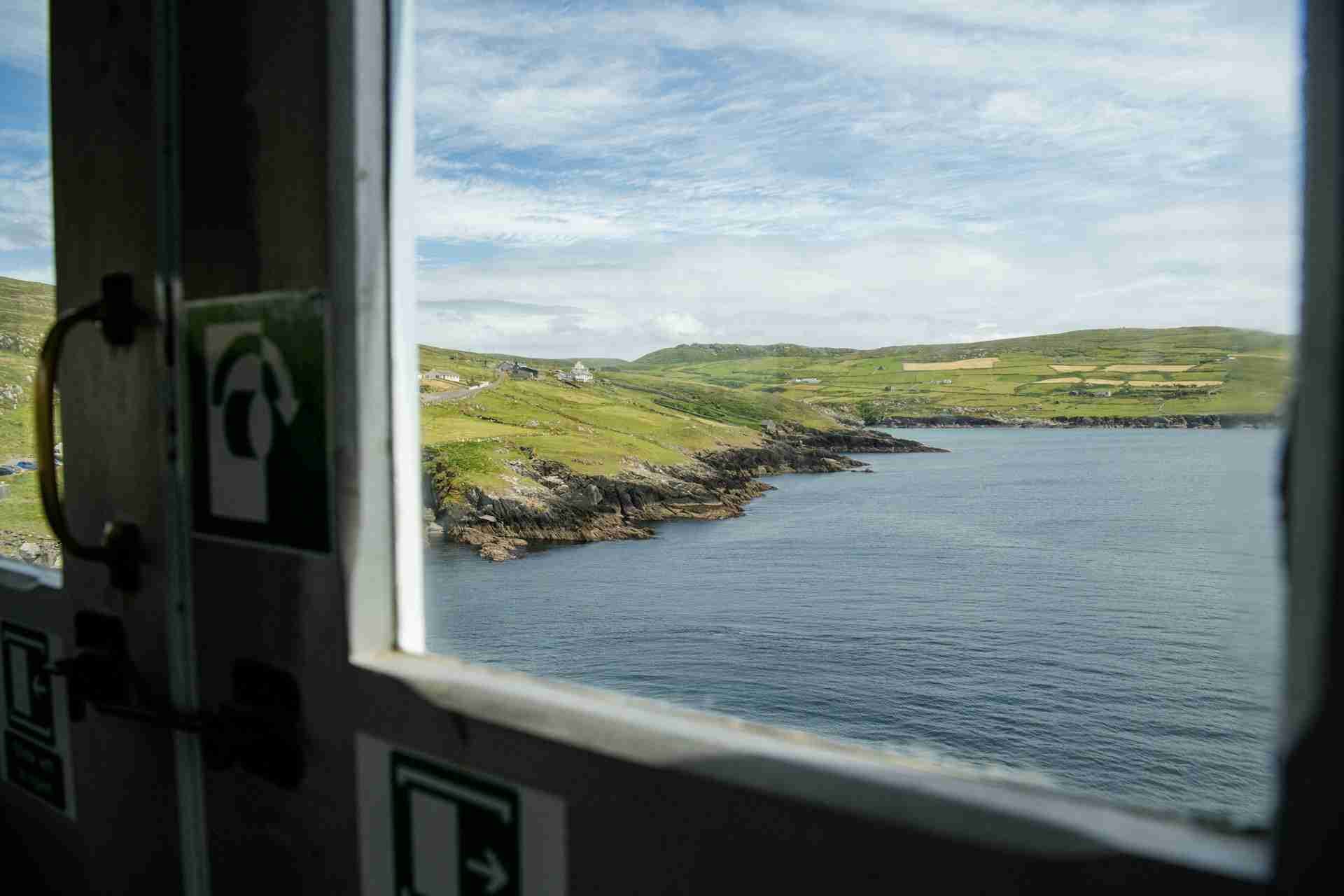
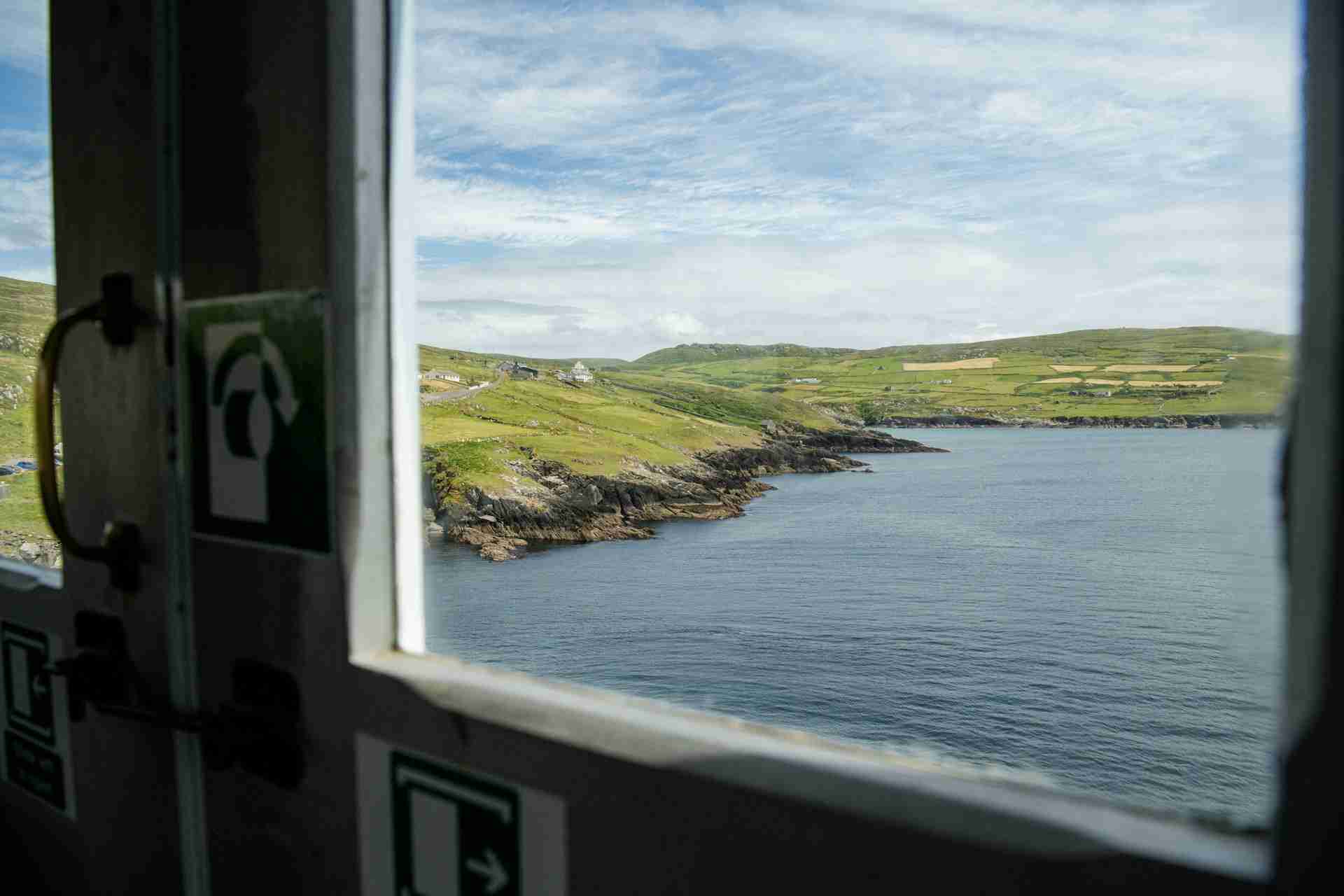
At the tip of the Beara Peninsula in County Cork, Ireland, the Dursey Cable Car carries passengers across a narrow stretch of the Atlantic to remote Dursey Island. Suspended above swirling tidal currents, this modest two-car system is the only cable car in Ireland and one of the few in Europe to cross the open sea. For photographers, it is both a fascinating subject and a gateway to one of the most isolated landscapes in the country. The cable line stretching above the channel, the rugged cliffs on either side, and the wild ocean below combine to create a scene that feels both adventurous and timeless. Shooting the Dursey Cable Car is as much about capturing its relationship with the sea and the island beyond as it is about photographing the structure itself.
Best Photography Opportunities
• Cable car suspended over the channel
: The most compelling shot of the Dursey Cable Car comes from the mainland side, where you can frame the car mid-transit as it glides above the turbulent water below. A telephoto lens works well here, isolating the car against the backdrop of the sea or cliffs. This angle is especially powerful during rough tides, when white water swirls dramatically beneath the cable. Shooting in late afternoon light brings out the warm tones of the cliffs while still allowing color and contrast in the sea. Including seabirds in the frame can add movement and scale, emphasizing the exposed nature of the crossing.
• Wide composition of the line and horizon
: Stepping back from the station at Ballaghboy, you can use a wide-angle lens to capture the entire span of the cable line stretching across to Dursey Island. The horizon often feels endless here, with the Atlantic extending far beyond the island. Early morning provides soft pastel skies that balance the linear geometry of the cables, while evening often fills the background with golden light or moody clouds. Low tide reveals rocks and shifting textures beneath the crossing, which can serve as strong foreground interest. These compositions work particularly well for panoramic formats.
• Station structures and local detail
: The departure station itself, with its simple metal framework and coastal placement, offers opportunities for documentary-style photography. Rusted beams, weathered signage, and waiting passengers provide detail shots that tell the human side of the location. A standard zoom lens allows you to move between tighter frames of architectural elements and wider scenes of the boarding area. Overcast conditions minimize glare and shadows here, helping emphasize color and texture in the metalwork. Capturing a departing or arriving car with people inside adds life and scale to the composition.
• Aerial views of the crossing
: If conditions allow, drone photography can highlight the full drama of the cable car suspended over open water. From above, you can frame the car in context with the island, the mainland cliffs, and the swirling currents below. This perspective emphasizes the isolation of Dursey Island, especially in stormy conditions when the seas churn. Morning light from the east casts shadows across the channel that add visual depth, while sunset flights often frame the scene in rich color gradients. Strong winds are common, so aerial work requires careful judgment and only calm weather conditions.
• Dursey Island perspectives
: Once on Dursey Island, turning back toward the mainland provides a striking reverse view of the cable car. From the higher ground near the island station, you can capture the line stretching back to the Beara Peninsula, framed by the mountains beyond. This angle is particularly effective in the late afternoon, when the mainland cliffs glow in warm light. A short telephoto lens helps compress the scene and emphasize the span of the cable across the water. Foreground grasses or stone walls on the island can add natural context to the frame.
Best Time to Visit
Spring and summer are the most comfortable times to photograph the Dursey Cable Car, with longer days, mild temperatures, and more reliable weather. In April and May, the surrounding hillsides are dotted with fresh greens and wildflowers, providing colorful foregrounds for wide compositions of the station and landscape. Summer months bring clear skies and strong evening light, making them ideal for photographing the cable stretching across to the island. Early mornings at this time of year often feature calm seas and soft pastel light, perfect for reflective or minimalist compositions.
Autumn introduces deeper, golden tones into the landscape, particularly in September and October, when grasses dry and light angles lower throughout the day. This season offers fewer crowds, which makes it easier to work with clean compositions around the station and on the island itself. Winter, though often stormy and challenging, delivers some of the most dramatic imagery. High winds, rough seas, and fast-moving clouds create powerful backdrops that emphasize the exposed and precarious nature of the crossing. Regardless of season, the most rewarding times of day are sunrise and sunset, when low-angled light highlights both the cable car and the cliffs. Midday light can be harsh, though it is useful for high-contrast black and white work when clouds are present.
How to Get There
The Dursey Cable Car is located near the village of Ballaghboy at the end of the R572 road, which runs along the Beara Peninsula from Castletownbere. The road is narrow and winding but offers spectacular views of the coastline along the way. Once at the cable car station, there is a small parking area for visitors. The station itself sits atop cliffs overlooking the channel, with access limited to ticket holders who intend to cross. Tickets are required to board, and schedules can vary with weather and seasonal demand. The crossing takes only a few minutes, but capacity is limited, so it is best to arrive early during the summer months. While the mainland station is accessible for photography, shooting angles are best explored on foot around the nearby cliffs and pathways. Weather can change rapidly here, so appropriate clothing and sturdy footwear are strongly recommended.
Recommended Photography Gear
A versatile kit is best for this location, as you will encounter both broad seascapes and tighter architectural compositions. A wide-angle zoom in the 16 to 35 millimeter range allows you to frame the entire span of the cable crossing along with foreground elements such as cliffs or wildflowers. A mid-range zoom such as a 24 to 70 millimeter is ideal for documenting the station and capturing people interacting with the cable car. For isolating the suspended car or compressing the cliffs and island behind it, a telephoto lens up to 200 millimeters is invaluable.
A sturdy tripod is recommended for long exposures at sunrise and sunset, particularly if you are interested in smoothing the sea or capturing movement in the clouds. Neutral density filters can extend exposure times, creating soft textures in contrast to the solid structure of the cable line. A polarizer is useful during mid-day sessions to reduce glare on the water and deepen the sky. Protective covers for your camera and lenses are essential in this coastal environment, where salt spray and mist are common. If you plan to use a drone, bring extra batteries and monitor wind conditions closely, as gusts can be sudden and strong. Lightweight waterproof clothing and durable boots are practical for moving around the rocky cliffs near the station.
Nearby Photography Locations
: Once across the channel, the island itself offers superb opportunities for wide landscapes. With no shops or tourist development, it feels untouched and remote. Walking trails lead to open fields, cliffs, and viewpoints where you can look back at the Beara Peninsula framed by the sea.
: Located to the north of the cable car, Allihies is known for its brightly painted houses and surrounding hills. The colors of the village are particularly striking in afternoon light, and the remnants of copper mining works provide additional subjects for documentary-style photography.
: Situated along the cliffs near Allihies, this Buddhist retreat offers calm gardens and sweeping Atlantic views. The clifftop vantage points are excellent for wide seascapes, particularly during sunset when the horizon glows.
: As one of Ireland's busiest fishing ports, this town offers vibrant maritime subjects, from boats and nets to working docks. Morning light on the harbor highlights activity, while evening provides reflections of the town's lights across the water.
: Further inland, the Healy Pass road climbs steeply through the mountains of the Beara Peninsula. Its switchbacks and high viewpoints provide striking landscape compositions, with layers of peaks and valleys that contrast dramatically with the coastal imagery from the cable car.
The Dursey Cable Car is more than a mode of transport. It is a visual landmark where engineering, landscape, and the Atlantic collide. For photographers, it offers not only the chance to document an unusual sea crossing but also the opportunity to explore one of Ireland's most remote and visually rewarding corners.
Comments
Loading comments…