
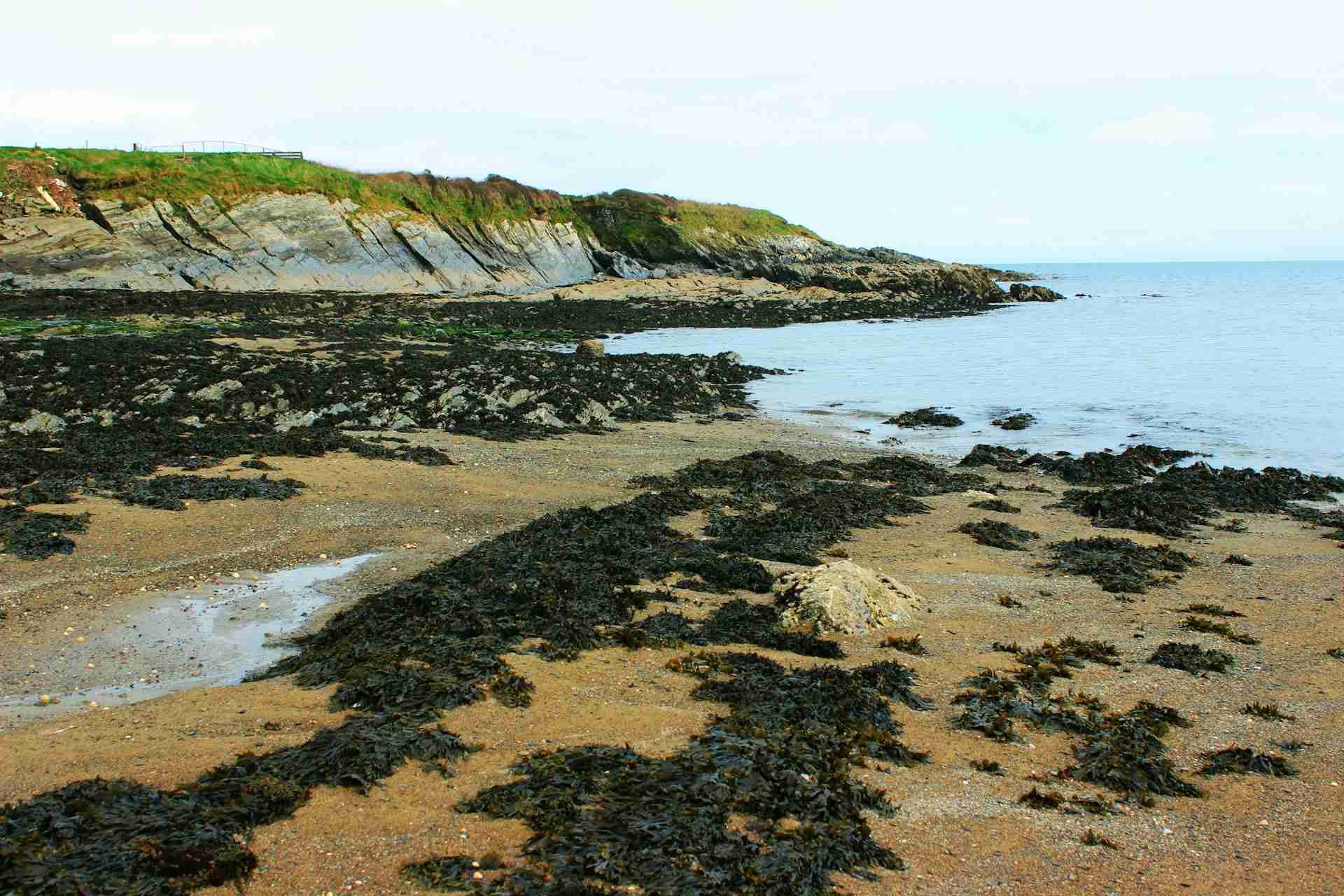
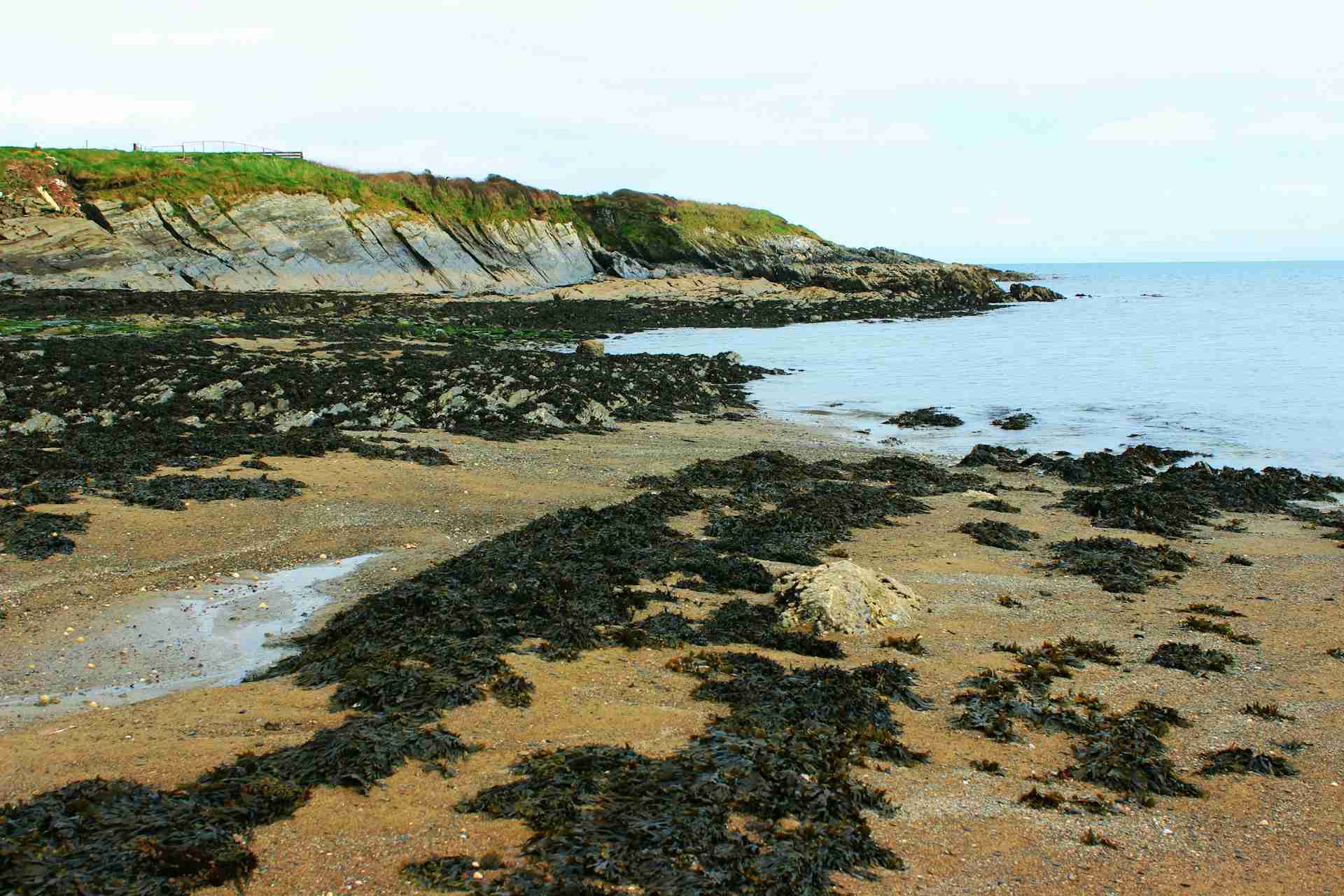
Garretstown Beach in County Cork is one of Ireland's most photogenic stretches of coastline, offering a constantly changing interplay between light, sea, and land. The beach is wide and open, bordered by rocky headlands and tide-shaped formations that lend themselves well to creative compositions. The Atlantic weather keeps things dynamic, often shifting from golden clarity to brooding clouds in a single afternoon. For photographers, this presents not just a scenic location, but an evolving subject that responds to every mood and movement in the environment. Whether you're chasing long exposures of the surf, shooting low angle reflections in tide pools, or flying a drone over foam lined waves, Garretstown offers a rich canvas for those who know how to watch the light.
Best Photography Opportunities
• Golden Hour Reflections
As the sun sets directly over the water, the flat wet sand of Garretstown acts like a mirror, picking up warm tones from the sky and enhancing foreground interest. This is one of the best times to photograph silhouettes, reflections, and long shadows as people walk across the beach. You can position subjects within the golden wash of color, using the beach's natural textures to add depth. Look for pools of water that catch the light and serve as leading lines through the frame. It's also an ideal moment to switch between wide and telephoto lenses to isolate color gradients or compress the glow against distant figures.
• Low Tide Rock Formations
When the tide recedes, it exposes a field of rock formations and tide pools that are full of detail and photographic potential. These elements are especially effective as foregrounds when paired with a wide lens and carefully considered leading lines. Cracks, pools, and seaweed textures reflect shifting light and can be used to create abstract or layered compositions. Early morning or overcast conditions can reduce glare and let the subtle colors and wet surfaces stand out. Be prepared to move quickly though since the beach changes fast as the tide comes in again.
• Long Exposure Surf
The Atlantic swell is often strong here, which makes it a perfect location for slow shutter work. Using a neutral density filter allows you to turn crashing waves into smooth lines of motion, contrasting beautifully against still rocks or sand. Try positioning yourself at a mid tide mark where the water repeatedly flows around stable rocks for consistent patterns. Wind is a frequent guest at Garretstown, so you'll want a very solid tripod to keep your frames sharp. Compositions that balance the ocean's movement with dramatic skies work especially well here.
• Aerial Patterns from Above
Flying a drone over Garretstown reveals the graphic relationship between sand, sea, and surf in ways that are hard to see from the ground. The foam of the waves creates repeating curves that slice through the darker sand and form elegant natural shapes. Drone shots are particularly effective during sunrise or sunset when low light casts soft shadows and boosts the textures along the beach. Be sure to fly within visibility conditions, as the wind can shift rapidly along this stretch of coast. Keep an eye out for human subjects in the frame, tiny figures in a wide landscape often give a strong sense of scale.
• Candid Beach Life and Surf Culture
Garretstown has a local surf school and draws plenty of surfers and families, especially in warmer months. These elements bring an informal and lively energy to the beach that is perfect for candid photography. Consider using a longer lens to capture natural moments without being intrusive. Scenes of surfers walking along the shore, kids playing in shallow water, or even someone reading in the dunes can all make for engaging environmental portraits. The beach becomes a place of stories, not just scenery.
Best Time to Visit
The best months for photography at Garretstown Beach are April through October, when the light angles are favorable and the weather is more cooperative. In spring, the nearby headlands begin to green and early morning fog sometimes rolls off the water, creating soft, diffused light. Summer offers the longest days and the widest range of subjects, though the midday sun can be harsh, so plan shoots for early morning or late evening. Autumn often brings more dramatic skies and stronger surf that are both excellent for capturing energy and mood. Winter visits are not out of the question for the adventurous, but the beach can be stormy and conditions more difficult to work with. If you're planning to photograph the rocks or tide pools, check tide charts in advance and aim for a low tide that coincides with softer light, either early or late in the day.
How to Get There
Garretstown Beach is located a short drive from the town of Kinsale, in County Cork. It's easily accessible by car and well signposted from the surrounding area, particularly along routes that follow the coast. There is a free public parking lot directly next to the beach, though it fills quickly in summer or on weekends. The beach itself is just steps from the parking area, making it a convenient location for carrying gear, tripods, and multiple lenses. There is no fee to access the beach or surrounding trails, and the open layout means you can shoot from multiple positions without needing to hike long distances. That said, if you're planning to explore the cliffs or trails at either end of the beach, sturdy shoes and weather protection are a good idea.
Recommended Photography Gear
Photographers working at Garretstown will benefit from a carefully selected kit that accounts for coastal conditions and lighting changes. A weather sealed camera body is helpful, especially when shooting in spray or light rain. For lenses, bring a wide angle to capture big skies and surf scenes, a mid range zoom for flexible framing, and a longer telephoto if you plan to shoot surfers or beach life from a distance. Neutral density filters are key for long exposure work, particularly around midday or when the surf is active. A polarizer can help reduce glare on wet surfaces and tide pools. A solid tripod is absolutely necessary given the wind exposure on the beach. For drone shooters, a model with good wind resistance and obstacle sensors will help in breezy conditions. Pack a lens cloth or two, as salt spray can accumulate fast on glass surfaces. Waterproof footwear or boots will let you wade into tide zones without concern, and a dry bag for gear can offer peace of mind if sudden rain sweeps in.
Nearby Photography Locations
This dramatic headland offers sweeping views of the Atlantic, with steep cliffs and a winding approach road that makes for strong compositions. While direct access to the tip is restricted due to a private golf course, there are still excellent viewpoints from nearby paths and laybys.
• Kinsale Harbour
The harbor is a quieter but equally rewarding subject with colorful boats, calm water, and reflective scenes during golden hour. The historic town surrounding the harbor offers opportunities for street photography and tighter architectural framing.
This star-shaped military fort overlooks Kinsale Harbour and offers strong lines, shadows, and texture in the stone walls. The elevated position also allows for panoramic shots out across the harbor and town, especially during sunset.
Just inland from Garretstown, these woodlands follow a peaceful river and are excellent for slower, more intimate photography. Light filters gently through the trees, and the quiet setting is a good break from the drama of the coastline.
At either end of the beach, you'll find informal paths leading up onto low cliffs and grassy headlands. These elevated spots are ideal for wider landscape compositions and often put you above the surf for a new angle on wave action below.
Comments
Loading comments…