
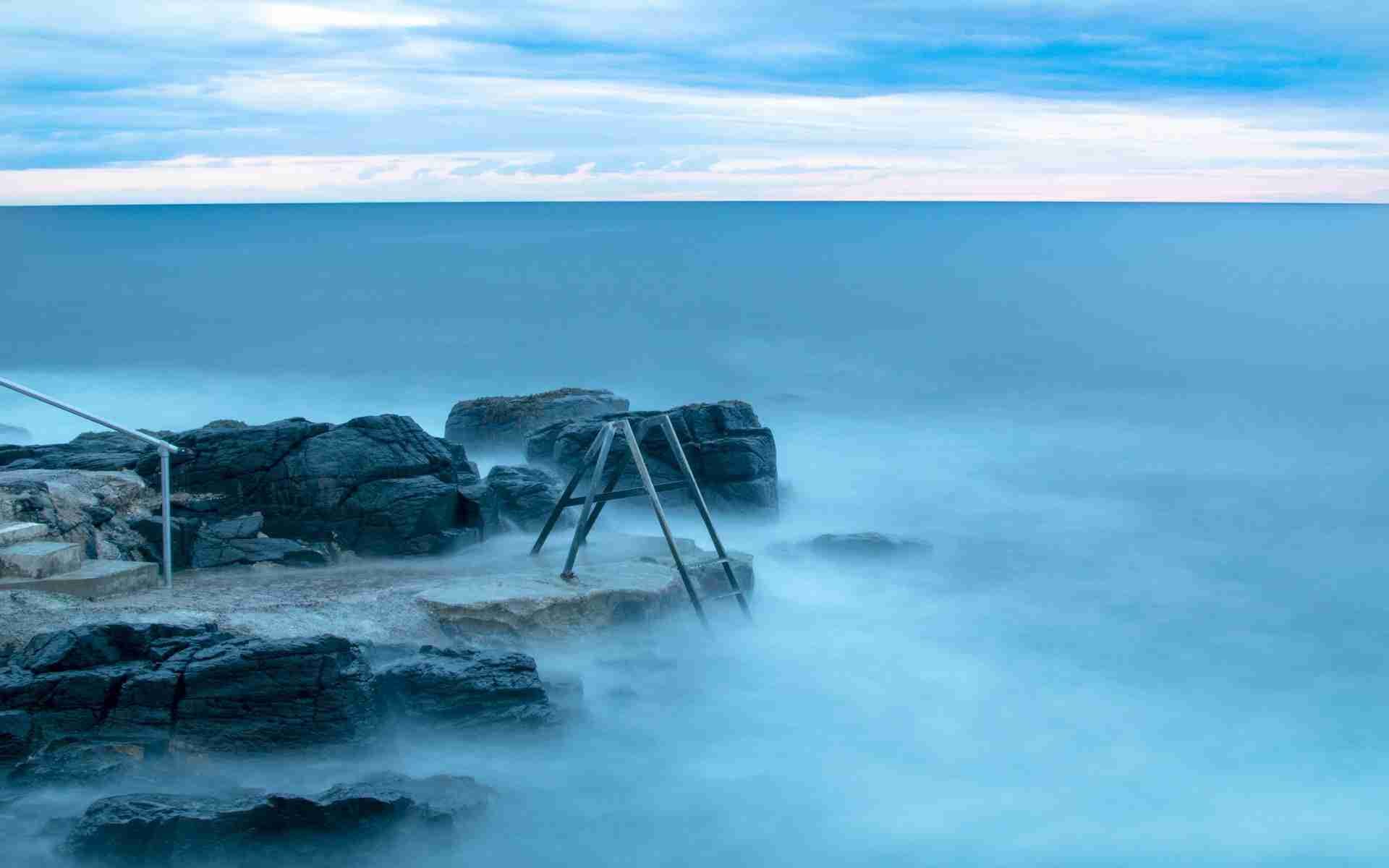
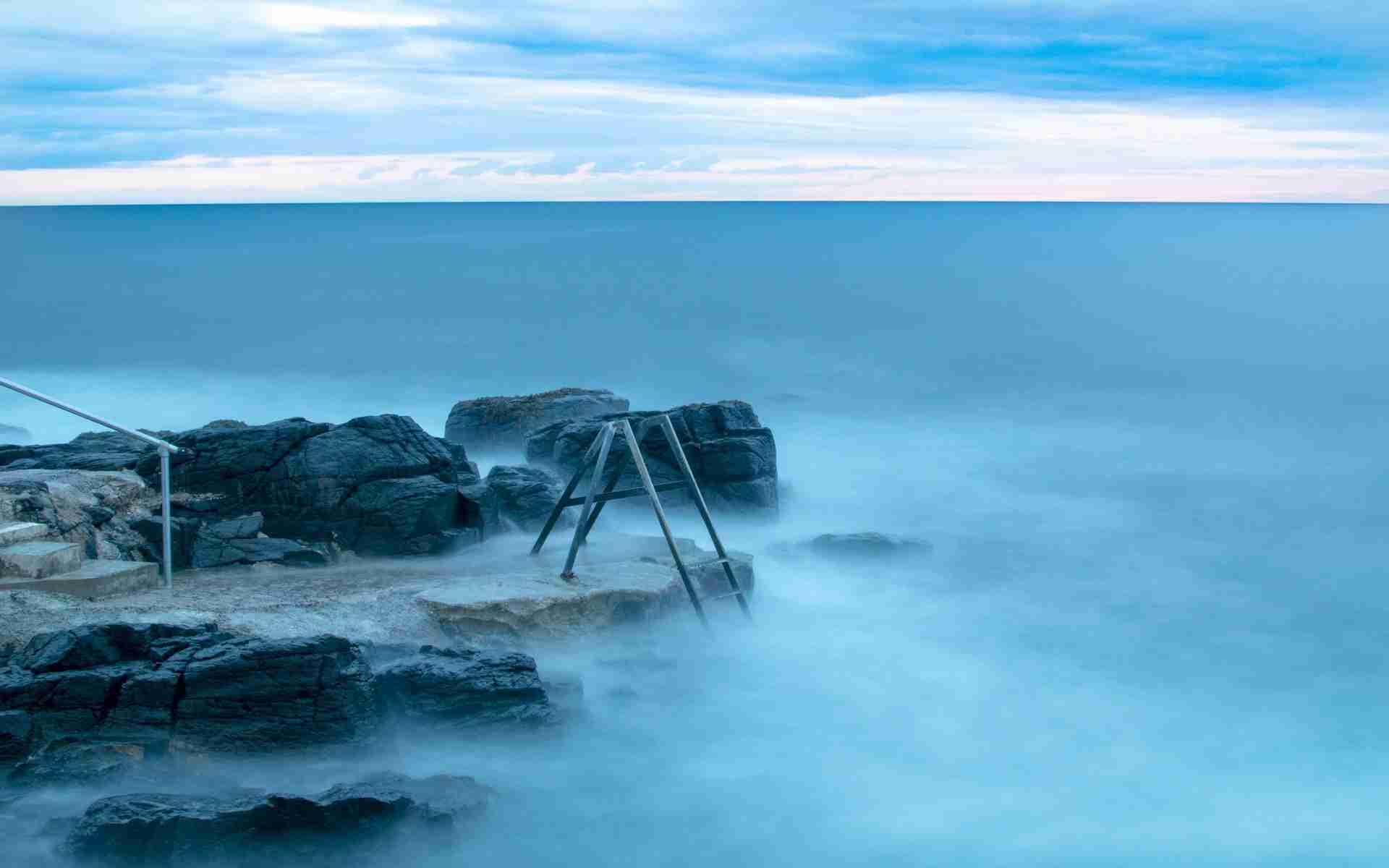
Along the northern coast of County Londonderry, just outside the seaside town of Portstewart, lies a dramatic stretch of shoreline that blends elemental textures with tidal rhythm. Known locally as Herring Pond, this sheltered seawater pool sits quietly below a rugged section of cliff, protected from the raw Atlantic by natural stone arms. Just beyond, the Portstewart Cliffrocks rise in staggered layers, forming an exposed and deeply textured landscape carved by time and tide. The entire area is a compact but richly varied space for photographers, one where slow exposures, abstract framing, and direct ocean light can all coexist within a short walk. With its interplay of rock, water, and sky, this coastline rewards careful exploration and an eye for shifting conditions.
Best Photography Opportunities
• Reflections and Still Water at Herring Pond
At high tide and under calm conditions, Herring Pond transforms into a clean reflective surface that perfectly captures the surrounding cliffs and sky. Early morning is the best time to shoot here, particularly in spring and autumn when the light is low and soft and the air is still. A 24 to 70mm lens allows for flexible composition, with enough range to shoot wide environmental portraits or zoom in on reflected details such as rocks or passing seabirds. The stone edge of the pond offers useful leading lines that help frame the water against the cliffs. Overcast skies also work well, allowing for softer tonal transitions and a quieter scene.
• Tide Pools and Abstract Rock Textures
Just beyond the pond, the Cliffrocks present a playground of texture, pattern, and form. At low tide, water-filled pockets between the rocks reveal vibrant green algae, broken shells, and small crabs that are perfect for macro work or telephoto abstracts. With a longer lens, you can isolate interesting formations and the way light interacts with the wet surfaces. Side light during golden hour enhances depth and brings out the natural contours of the stone. For a clean and balanced image, visit during overcast conditions when the light is even and details are easier to control.
• Long Exposures of Atlantic Swell
Where the rocks meet the open sea, crashing waves and steady swell create ideal conditions for long exposure photography. Use a tripod and a 6-stop or 10-stop ND filter to smooth the surface of the water and create contrast between the soft motion and the sharp edges of the rock. Composing from a low angle near the base of the cliffs helps emphasize scale and form. Golden hour adds warmth to the color palette, while blue hour offers more subtle gradients and softer transitions between sky and sea. Always monitor the tide and avoid getting trapped on low ledges as the water rises.
• Silhouettes and Sunset from the Upper Cliff Path
A walking trail runs along the top of the cliffs, providing open views westward toward the setting sun. From this vantage point, you can capture silhouettes of walkers on the rocks below or frame the light reflecting across the ocean. A 70 to 200mm lens allows for precise compression, emphasizing the cliffs and glowing horizon. Sunset sessions here are especially vibrant due to the open sky and reflective sea. Bring a tripod if you plan to stay through twilight, when the last light fades slowly across the coastline.
• Stormy Skies and Moody Black and White
When weather fronts move in from the Atlantic, the atmosphere changes completely. Fast-moving clouds, rough surf, and filtered light combine to produce striking monochrome opportunities. Use contrast between the white foam and dark stone to guide composition. A short exposure can freeze spray for dramatic intensity, while a long exposure will soften movement into flowing shapes. Working from the higher trails adds safety and a clear perspective for composing in challenging conditions.
Best Time to Visit
This location offers strong photographic potential in every season, though the light and access conditions change noticeably throughout the year. Spring and early summer bring longer golden hours and more consistent weather, with sunrise and sunset occurring at manageable times. During these months, early morning visits to Herring Pond often produce calm reflections and soft side light that enhance texture and color.
Summer also brings clear skies and longer shooting windows, but it is busier with swimmers and visitors. If you want solitude, aim for sunrise or late evening sessions. Tides vary widely during this season, so check tide tables to make sure you can safely access tide pools and lower rock formations.
Autumn provides the richest sky color and shifting weather patterns. Cooler air and shorter days lead to frequent fog and low clouds that add depth to coastal compositions. The light is especially good after rain when moisture enhances rock contrast and the air feels clear.
Winter brings the strongest Atlantic conditions, with big surf, fast-moving skies, and a low sun angle that creates natural drama. It is the best season for black and white or moody long exposures. Make sure to dress warmly, as wind chill can be intense near the cliffs. Always watch for rogue waves or icy rock surfaces.
Calm wind is critical for reflections in Herring Pond. If you plan to capture mirror-like water, aim for early mornings when the air is still and temperatures are steady. Late evenings are also productive when the wind drops as the light fades.
How to Get There
Portstewart is located on Northern Ireland's Causeway Coast, about 10 minutes west of Portrush and roughly 90 minutes by car from Belfast. The nearest train station is in Portrush, and from there local buses or taxis can bring you into Portstewart easily. Once in town, follow signs for the Portstewart Promenade and walk west along the coastal path.
The Herring Pond sits just below the main footpath, accessed by a set of stone steps that lead to the tidal pool area. The Cliffrocks are a short walk beyond, stretching toward the open Atlantic. Parking is available along the promenade or in nearby lots, depending on season and time of day. Access is free, and photography is permitted at all hours.
The paths and rocks can become slippery during rain or when waves splash over at high tide. Waterproof shoes with good grip are strongly recommended. If you are carrying heavier gear or a tripod, use the path handrails for support while descending. There are no lighting installations along the cliffs, so bring a headlamp if you plan early or late sessions.
Recommended Photography Gear
Photographing Herring Pond and the Portstewart Cliffrocks calls for a durable but versatile kit. A full-frame camera with strong weather resistance and wide dynamic range is ideal for balancing bright sky with darker rock shadows. A 24 to 70mm lens will handle most compositions, from the reflective pond to the open coastline.
For wider seascapes, a 16 to 35mm lens will help you capture the cliffs and surrounding sea in a single frame. When shooting from the cliff path, a 70 to 200mm telephoto lens allows you to compress space, isolate rock shapes, and capture silhouettes at sunset. This focal range is also excellent for working in variable light conditions and layering your compositions effectively.
A tripod is essential for long exposure work and low light. Choose a stable, weather-resistant model that can handle uneven rock surfaces. Neutral density filters in 6-stop and 10-stop strengths are useful for smoothing water and balancing light. A circular polarizer can manage glare and reflections on the pond surface, though it should be adjusted carefully to avoid removing natural reflections. Graduated ND filters are helpful for controlling exposure when shooting directly toward the sun at golden hour.
A lens cloth, air blower, and microfiber towel are necessary for clearing sea spray. A waterproof backpack or dry bag will protect your equipment when waves or rain approach. A headlamp with red-light mode is useful for setting up before sunrise or packing after dark. Waterproof boots or trail shoes provide grip and comfort when working near slippery areas.
Nearby Photography Locations
Just south of the Cliffrocks, this wide National Trust beach is known for sweeping dunes and strong sunset light. The wet sand creates perfect reflections, and the open horizon allows for minimalist compositions. Early evening low tide sessions are best for capturing long reflections and warm color.
Where the River Bann meets the Atlantic, this tidal estuary combines saltmarsh and shifting sandbars. It is excellent for bird photography and layered compositions with calm water and distant skies. Visit at low tide for textured foregrounds.
Located west along the coast, this clifftop ruin and circular temple overlooking the ocean offer some of the best architectural compositions in Northern Ireland. The location works beautifully for both golden hour and storm photography.
A short drive east, Whiterocks features pale chalk cliffs, sea caves, and broad beaches ideal for long exposures and graphic compositions. The morning light here glances across the cliffs and creates strong contrast along the shoreline.
Halfway between Portrush and Bushmills, Dunluce Castle sits dramatically on a headland above the ocean. It is perfect for moody, historic seascapes and performs equally well in soft golden light or dark storm conditions.
Herring Pond and the Portstewart Cliffrocks provide one of Northern Ireland's most rewarding short coastal walks for photographers. The mix of reflective calm, carved stone, and open sea delivers variety within a compact setting. Whether you are working in soft dawn light, waiting for storm clouds to pass, or capturing silhouettes against the Atlantic sunset, this coastline invites a slow, patient approach where texture and tide shape every frame.
Comments
Loading comments…