
Black Lake and Broken Light: Photographing the Lough Tay Overlook
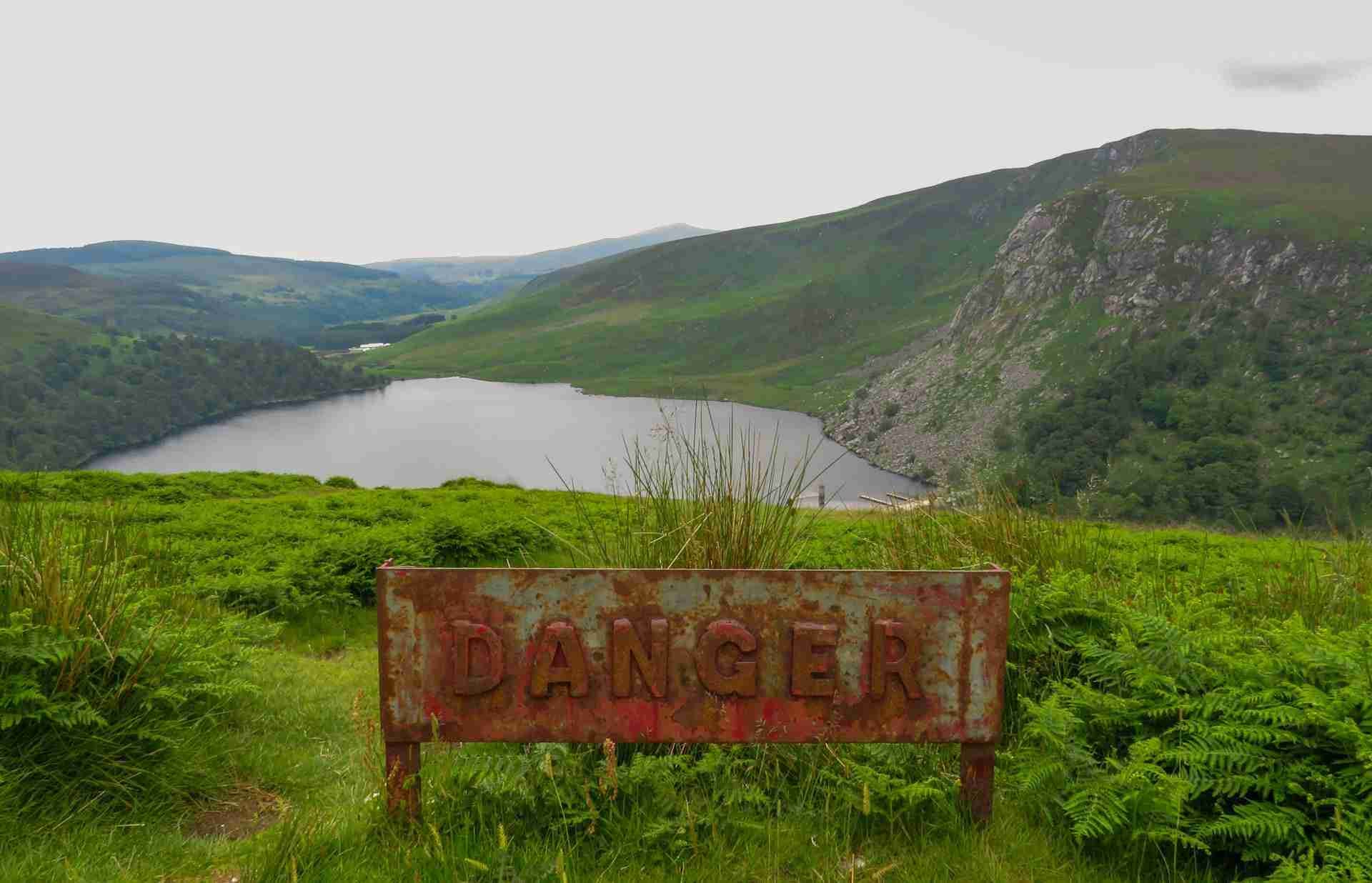
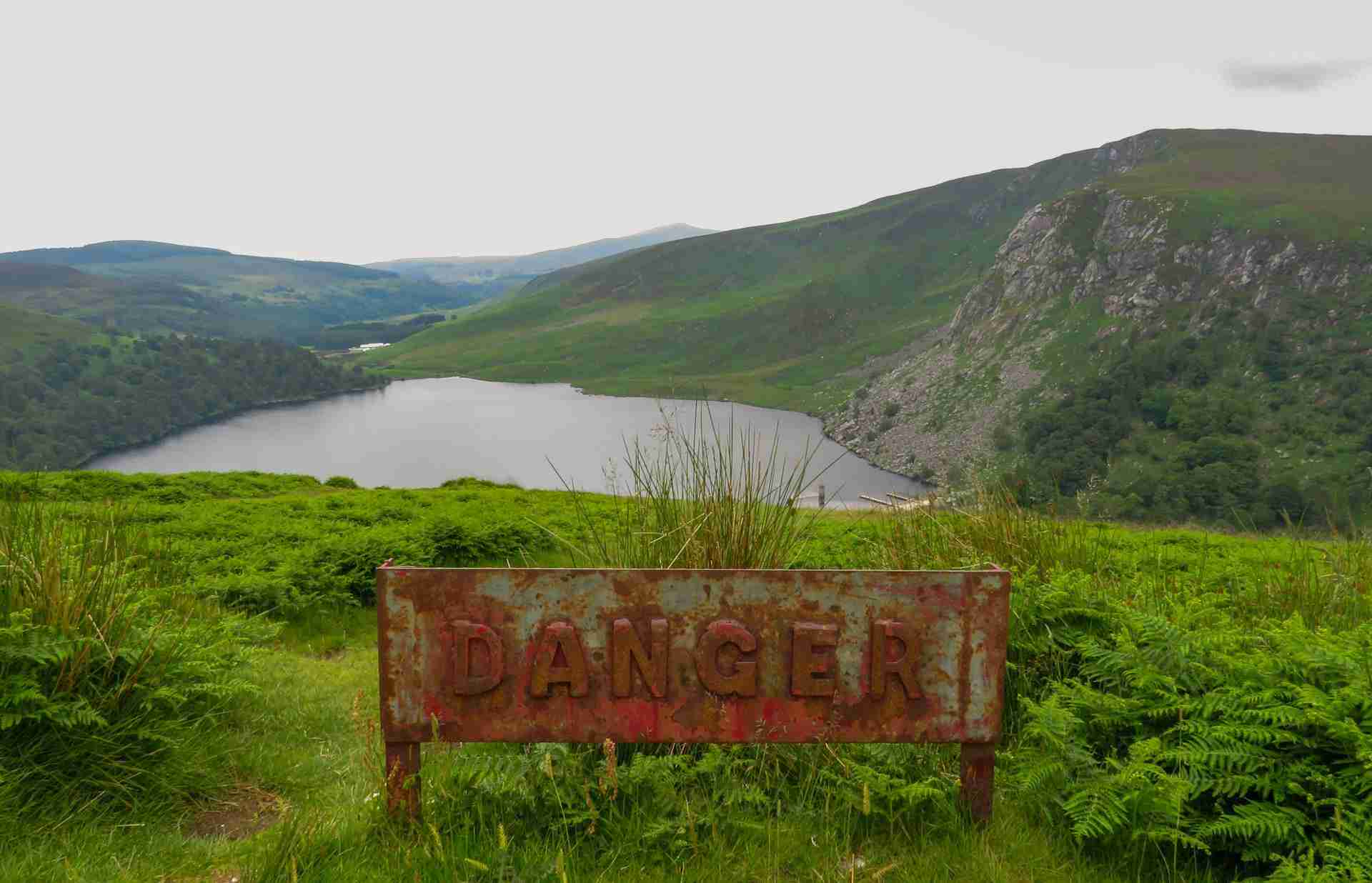
Lough Tay, often called "The Guinness Lake" for its dark waters and frothy shoreline, is nestled between the rounded peaks of County Wicklow's highlands and backed by the steep rise of Luggala Mountain. From the Ballinastoe Forest side, a panoramic overlook opens up across the entire glacial lake basin, offering a dramatic sweep of shadowed water, granite slopes, and sky that changes by the hour. The scene's contrast between light and land, sky and stone, makes it one of the most compelling and moody landscape photography spots in eastern Ireland. There is no monument or building to anchor the view, only a convergence of elemental forms. Subtle changes in light, cloud cover, and vegetation create endless variation, rewarding photographers who return in different seasons and weather.
Best Photography Opportunities
• Wide Panorama from the Main Overlook
The overlook facing Lough Tay offers one of Ireland's most balanced and naturally structured compositions. From this position, you can frame the lake as a dark ellipse surrounded by steep slopes, pine forest, and layered ridgelines. The contrast between the bright sand at the north shore and the ink-like water is striking and works especially well in overcast or backlit conditions. A wide-angle or panoramic stitch allows you to include the distant Sugarloaf Mountain on the horizon, giving the image scale and direction. Morning or late afternoon light pulls texture from the surrounding heather and granite, making the land feel tactile and dimensional.
• Mid-Frame Study of Luggala Mountain
Luggala's steep, craggy shoulder dominates the eastern side of the lake and can be isolated as a subject of its own. Using a medium telephoto lens, you can fill the frame with the cliff face and layered vegetation, often catching patterns of mist or dappled sunlight moving across it. The rock face becomes especially expressive when shadowed under broken cloud, creating strong tonal separations between grass, stone, and the dark water below. This shot works best in mixed conditions, where fast-moving clouds allow patches of light to shift and fall unpredictably. The view changes rapidly, so patience is essential for catching the right balance of shape and contrast.
• Leading Lines from the Heather and Stone Paths
Closer to the foreground, the rough walking paths and scattered stones of the Ballinastoe plateau create strong leading lines into the lake basin. Shooting from a low angle with a wide-angle lens lets you use these natural elements to guide the eye toward Lough Tay and its surrounding cliffs. The texture of the heather under low raking light adds softness and color to the frame, especially in late summer when purples and ochres dominate. This angle works best during golden hour or on days with broken cloud cover, when the mix of warm and cool tones gives depth to both sky and land. Consider bracketing exposures to preserve detail in both the bright clouds and shaded terrain.
• Cloud Drama and Light Breaks over the Lake
The open elevation of the overlook means you will often encounter fast-moving weather fronts that shift the light rapidly across the lake and valley. These moments are ideal for moody, contrast-heavy compositions that showcase beams of sunlight or falling mist over the scene. Use a polarizer carefully to manage glare and saturation, and a tripod to lock in longer exposures when the clouds dim the light. A tighter crop on light beams or cloud breaks over the water creates a more abstract composition, emphasizing mood over form. This type of shot is best on transitional weather days, especially when winds from the sea bring short-lived storms inland.
• Evening Reflections and Subdued Haze
Though the lake rarely lies fully still, calm evenings can bring a softened, reflective surface that mirrors the cliffs and tree line at the north shore. This is best captured from slightly lower vantage points along the access path leading toward the forest edge. Blue hour, just after sunset, mutes the scene and draws out the deep color of the water, while the land retains a gentle glow. Reflections are best seen from a mid-height tripod position, allowing you to eliminate obstructions from foreground grasses. These quieter compositions benefit from minimal editing and simple framing that highlights symmetry and shadow.
Best Time to Visit
The overlook is accessible year-round, but its mood and palette change significantly with each season. Spring brings a flush of color to the heather and grassland, and morning fog is common in the valley below, creating strong layering and depth. These early hours also offer the calmest conditions and the least foot traffic. Sunrise is often blocked by the hills to the east, but soft backlight from the rising sun still warms the western slopes.
Summer delivers longer shooting windows, but also stronger sunlight and occasional haze. The best images in summer tend to come during golden hour or after a rain when the atmosphere is clear. The lake's reflection is strongest in the stillness of early evening, just before sunset drops behind the hills.
Autumn transforms the area with subtle bronze and gold tones in the grass and heather. The lower angle of light works well with the rugged terrain, and mixed cloud cover is common, ideal for moody landscapes. This is one of the best seasons for dramatic light shifts and cloud breaks over the cliffs.
Winter reduces color but adds atmosphere. Snow dusting the upper ridges creates strong visual contrast, and low sun angles keep shadows long all day. Access may be limited after heavy snowfall or icy rain, but overcast days can yield minimalist, almost monochrome images of the lake and hills.
How to Get There
Lough Tay's panoramic overlook is located in the Wicklow Mountains, about one hour south of Dublin. If arriving by car, take the R759 east from Sally Gap. About two kilometers past the Ballinastoe Woods car park, you will reach a small gravel pull-off near the crest of the hill. This is the closest legal parking to the overlook. From here, a short walk over uneven ground leads to several natural viewing platforms along the ridge.
Be mindful that some of the best viewpoints are located near private property boundaries. Stay on open ground and respect all signage, particularly along fence lines to the north and east. There are no facilities or services at the overlook itself, and weather can change quickly. Bring proper hiking boots and layers, especially in colder months. Drones are not allowed without specific permission, as the site borders private estates and protected lands. Parking is free but limited, so arrive early or late in the day if you want to avoid the midday crowd.
Recommended Photography Gear
A landscape-focused kit will serve you best at Lough Tay. A 16–35mm wide-angle lens is essential for capturing the lake, cliffs, and sky in a single frame. This focal range is especially useful when working with leading foreground elements like heather, stone, or pathway textures. A 24–70mm standard zoom adds flexibility for mid-range scenes, and a 70–200mm telephoto is ideal for isolating Luggala or compressing the ridge layers from more distant angles.
A stable tripod is crucial for long exposures, especially during low light or when waiting out cloud shifts. Bring a circular polarizer to manage reflections and deepen sky tones, but use it carefully to avoid uneven effects across wide scenes. A graduated ND filter can help balance bright skies against darker land in high contrast light. A weather-sealed camera bag and lens cloths are important, as mist and light rain are common and can change quickly.
If shooting after dark or before sunrise, a headlamp is essential for navigating the uneven path safely. Gloves and waterproof layers are useful from October through April. A lens hood is helpful not just for sun flare but for shielding against crosswinds, which are often strong on the ridge.
Nearby Photography Locations
Just down the road from the overlook, this forest trail winds through mossy pines and open bogland with raised wooden paths that lead to more views over Lough Tay. It is excellent for wide compositions and soft light, especially in early morning.
This stretch of high moorland road offers sweeping views across the Wicklow uplands. It is a strong location for minimalist compositions, low cloud movement, and panoramic scenes under wide sky.
Further south, this larger lake sits lower in the valley and is bordered by dense forest and stone hills. It is less visited and perfect for misty sunrise work and calm water reflections.
• Powerscourt Waterfall
One of Ireland's tallest waterfalls, located about thirty minutes away, set within a wooded gorge. The fall is dramatic after rain and lends itself to long exposures and forest compositions with filtered light.
This popular hike offers expansive views back toward Lough Tay and the surrounding ridgelines. It is a rewarding sunrise or sunset location for high-altitude compositions and shifting weather scenes.
Comments
Loading comments…