
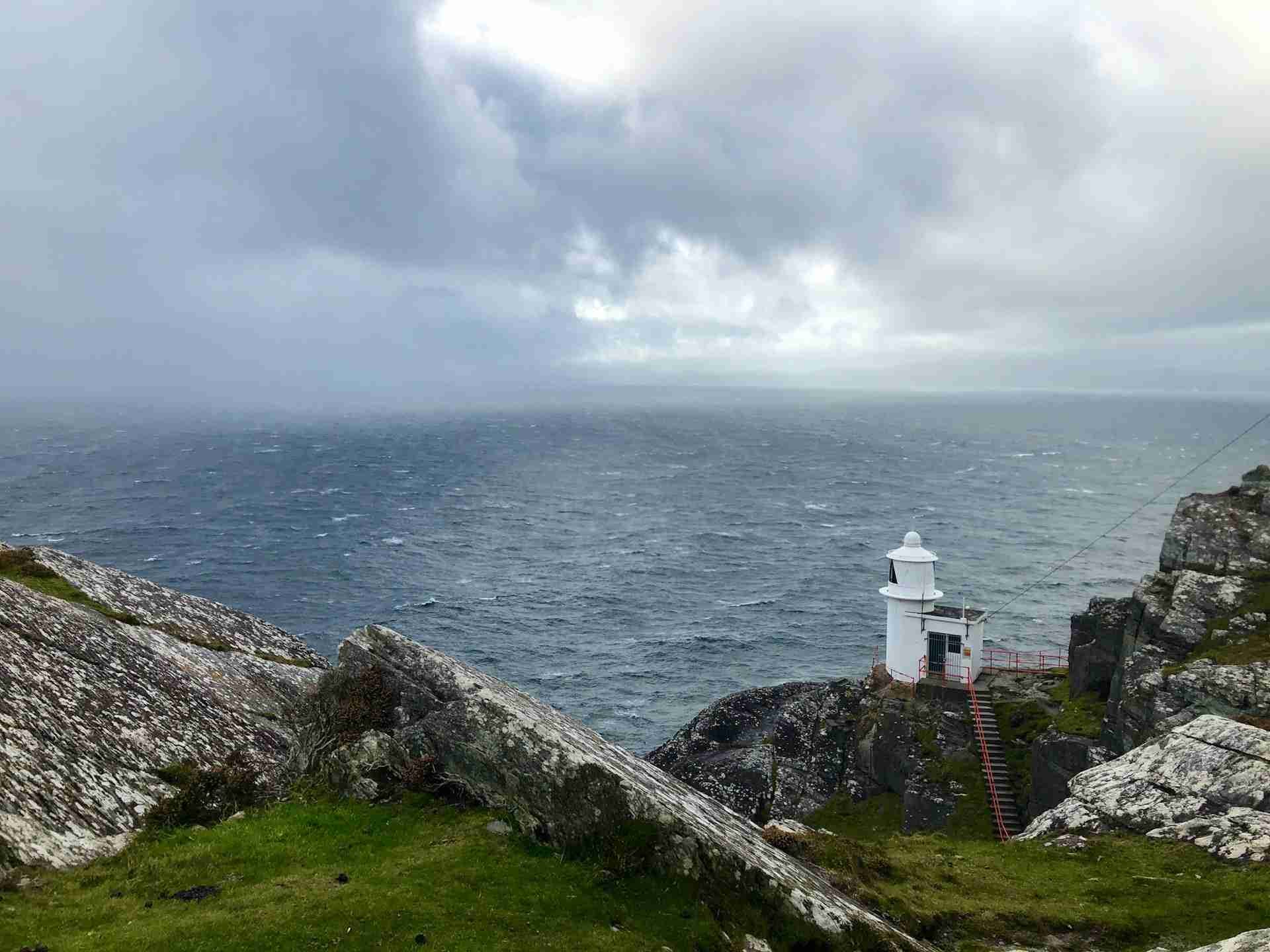
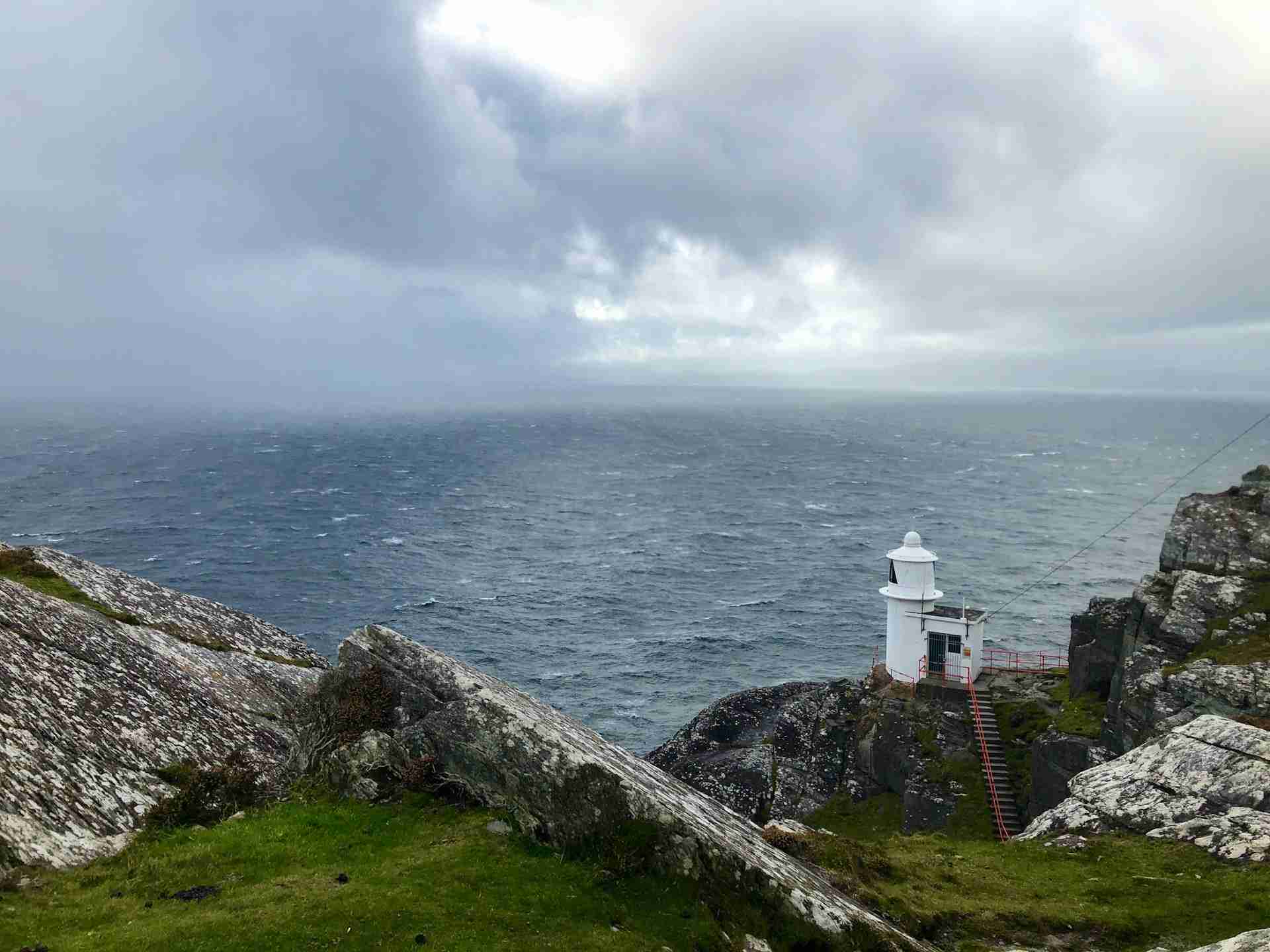
At the far western tip of Sheep's Head Peninsula in County Cork, Ireland, the Sheep's Head Lighthouse stands in one of the most dramatic and remote coastal settings in the country. Perched on a rugged cliff where the Atlantic endlessly crashes against jagged rocks, the lighthouse is small and unassuming in size, yet its placement in the vast seascape gives it immense visual impact. The approach itself is part of the photographic experience, with windswept moorland, winding trails, and sudden glimpses of the ocean as you make your way toward the headland. Photographers are rewarded with a subject that is as much about the surrounding landscape and atmosphere as it is about the lighthouse itself. This is a location where light, weather, and sea interact constantly, creating dynamic conditions that demand patience and awareness but reward with powerful imagery.
Best Photography Opportunities
• Approach along the Sheep's Head Way
: The walking trail to the lighthouse offers multiple opportunities to photograph the peninsula before reaching the site itself. Wide-angle compositions work particularly well here, capturing the winding path as a leading line that draws the eye toward the sea. Grasses and heather in the foreground add texture and seasonal color, while the Atlantic stretches endlessly beyond. Overcast skies create a soft, moody character, while breaks in the clouds allow shafts of light to strike the cliffs and path dramatically. Including hikers in your frame can also provide scale, emphasizing the wild openness of the route.
• Lighthouse framed against the Atlantic
: From the end of the path, you can photograph the lighthouse itself as it perches on the cliff's edge. Although small, its stark white exterior contrasts sharply with the darker rock and turbulent sea, making it a natural focal point. This perspective is most effective in the late afternoon when the low sun lights the building while casting deeper shadows into the surrounding cliffs. A medium focal length lens balances the scale between the lighthouse and its environment, ensuring the landscape context remains strong. During rough weather, waves explode against the base of the cliffs, adding movement and raw energy to your shots.
• Clifftop panoramas
: From higher ground above the lighthouse, sweeping views unfold in all directions, with the Atlantic to the west and the rolling hills of the peninsula stretching inland. This is the place for wide panoramic work, whether you shoot a single ultra-wide frame or a stitched series. Morning light often brings softer colors and calm seas, while evenings highlight the cliffs with warm, low-angled light. Cloud banks drifting across the horizon add rhythm and balance to the compositions. On clear days, you may even see across Bantry Bay to the Beara Peninsula, creating additional layers in the distance.
• Abstract textures of rock and sea
: The cliffs surrounding the lighthouse are composed of rugged, striated rock formations that plunge into the Atlantic. Close-up compositions of these geological features offer strong textures and patterns that complement the wider seascapes. Combining the rock foreground with blurred water from long exposures creates a compelling contrast between permanence and motion. A telephoto lens can also be used to isolate sections of cliff where waves curl and crash with particular force. On windy days, sea spray and mist rise dramatically, catching light and adding an ethereal quality to tighter frames.
• Sunset and twilight shooting
: The lighthouse faces west, making it a rewarding subject during the golden hour and beyond. As the sun sets over the Atlantic, the sky fills with deep oranges, pinks, and purples that reflect off the sea surface and highlight the cliffs. Using a tripod and long exposure during blue hour allows you to capture the soft glow of the horizon while smoothing the movement of the water. This is also the most peaceful time on the trail, when most visitors have departed, giving you space to work uninterrupted. Layering the silhouette of the lighthouse against a glowing horizon can yield some of the most memorable frames from this location.
Best Time to Visit
Spring and summer are the most accessible seasons for photographing Sheep's Head Lighthouse, with longer daylight hours and milder weather making the coastal walk more manageable. During April and May, the hillsides are often dotted with wildflowers, adding colorful accents to foregrounds. Summer sunsets linger late into the evening, offering extended golden hours that light the cliffs and ocean in warm tones. Early mornings at this time of year can be equally rewarding, with calmer winds and softer pastel skies creating a gentle mood.
Autumn brings deeper color to the grasses and heath along the path, and the lower angle of the sun provides dramatic lighting throughout the day. September and October are especially productive, with still-manageable weather and fewer crowds. Winter is the most challenging season, as the peninsula is exposed to frequent storms, high winds, and driving rain. However, for photographers seeking atmosphere and raw energy, these months can deliver unforgettable images of crashing waves and moody skies. Regardless of the season, conditions change quickly on the Atlantic coast, so flexibility and readiness are key. The best times of day for shooting are early morning, when the trail is quiet and the light is soft, and evening, when the sun sets directly across the water and illuminates the cliffs.
How to Get There
Sheep's Head Lighthouse is located at the tip of Sheep's Head Peninsula, about a 30-minute drive west from the town of Durrus in County Cork. The final approach is via narrow country roads, so allow time and drive carefully. There is a small car park at the end of the road, from which the lighthouse is reached by a marked walking trail. The hike is relatively short, usually around 15 to 20 minutes, but the terrain is uneven and exposed, requiring sturdy footwear and caution in wet or windy conditions. The lighthouse itself is not open for interior visits, but the surrounding cliffs and viewpoints provide ample space for photography. Access is free, and you are encouraged to stay on the marked paths both for safety and to preserve the fragile coastal environment.
Recommended Photography Gear
A wide-angle zoom lens in the 16 to 35 millimeter range is essential for capturing both the trail leading to the lighthouse and the expansive views over the Atlantic. A standard zoom such as a 24 to 70 millimeter is useful for balancing the lighthouse with the surrounding cliffs in context. For isolating textures or capturing the power of crashing waves against the rocks, a telephoto lens up to 200 millimeters adds valuable reach. A lightweight but sturdy tripod is critical for long exposures at dusk and for stabilizing shots in windy conditions, which are common along the peninsula.
Filters are especially helpful here. A circular polarizer reduces glare from wet rock and enhances contrast in the sky and water. Neutral density filters allow you to extend shutter speeds, softening wave movement and creating a smooth, atmospheric effect across the sea. A lens cloth and weather protection are essential in this environment, as salt spray and mist can accumulate quickly. Waterproof boots and a weather-resistant camera bag will make the hike more comfortable, particularly if conditions shift suddenly. If you plan to work with aerial perspectives, drones can offer remarkable angles over the cliffs, but strong winds often make flying difficult and should be carefully assessed for safety.
Nearby Photography Locations
: A short drive east of the peninsula, Bantry Bay offers calm waters that contrast beautifully with the rugged cliffs of Sheep's Head. The town of Bantry itself has a working harbor full of fishing boats, piers, and colorful details that make excellent subjects during morning light.
: South of Sheep's Head, this headland features dramatic cliffs, a famous arched footbridge, and one of Ireland's most photographed signal stations. The cliffs are higher and more imposing than at Sheep's Head, making it an excellent complement for photographers seeking scale and drama.
: Inland from Bantry, this tranquil valley is home to a small chapel set on an island in a lake, surrounded by steep hills. The site offers strong reflections and a completely different mood compared to the rugged coast, best visited in the morning when the water is still.
: East of Bantry, this wooded reserve provides shaded trails, waterfalls, and moss-covered landscapes that are perfect for macro and woodland photography. It is a welcome contrast to the open, windswept character of Sheep's Head.
Accessible by cable car from the tip of the Beara Peninsula, Dursey Island offers remote walking trails, steep cliffs, and far-reaching Atlantic views. Its isolation and sparse human presence make it ideal for wide, minimalist landscapes.
Sheep's Head Lighthouse may be modest in scale, but its location at the edge of Ireland gives it extraordinary photographic potential. From the cliff-top trails and sweeping ocean panoramas to the textures of rock and sea, it is a place where patience and attention to shifting conditions yield powerful results. For photographers who make the journey, the rewards lie not only in the images but in the experience of standing at one of Ireland's most elemental Atlantic outposts.
Comments
Loading comments…