
Island Sentinel: A Photographer's Guide to Castle Stalker, Scotland
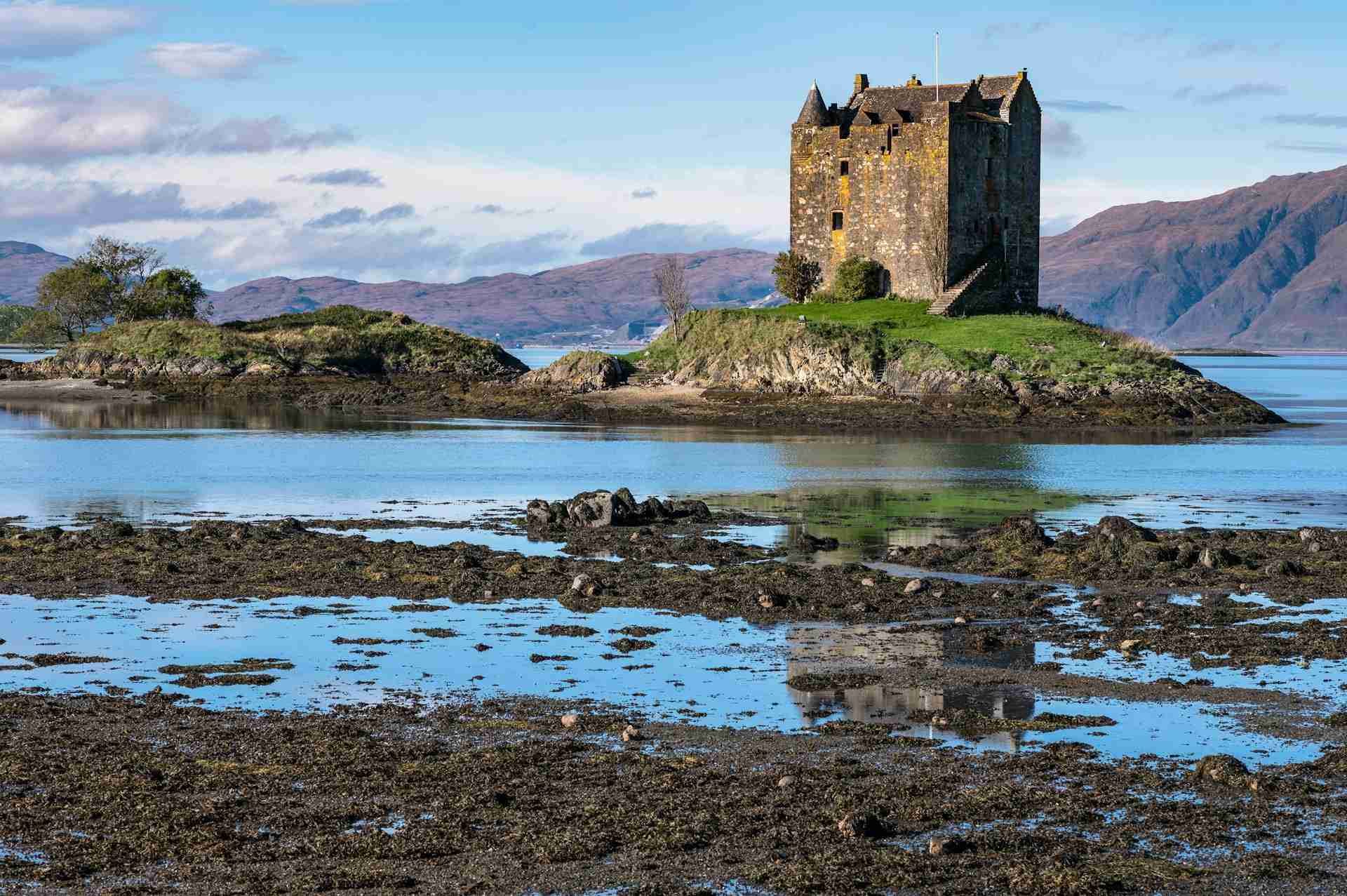
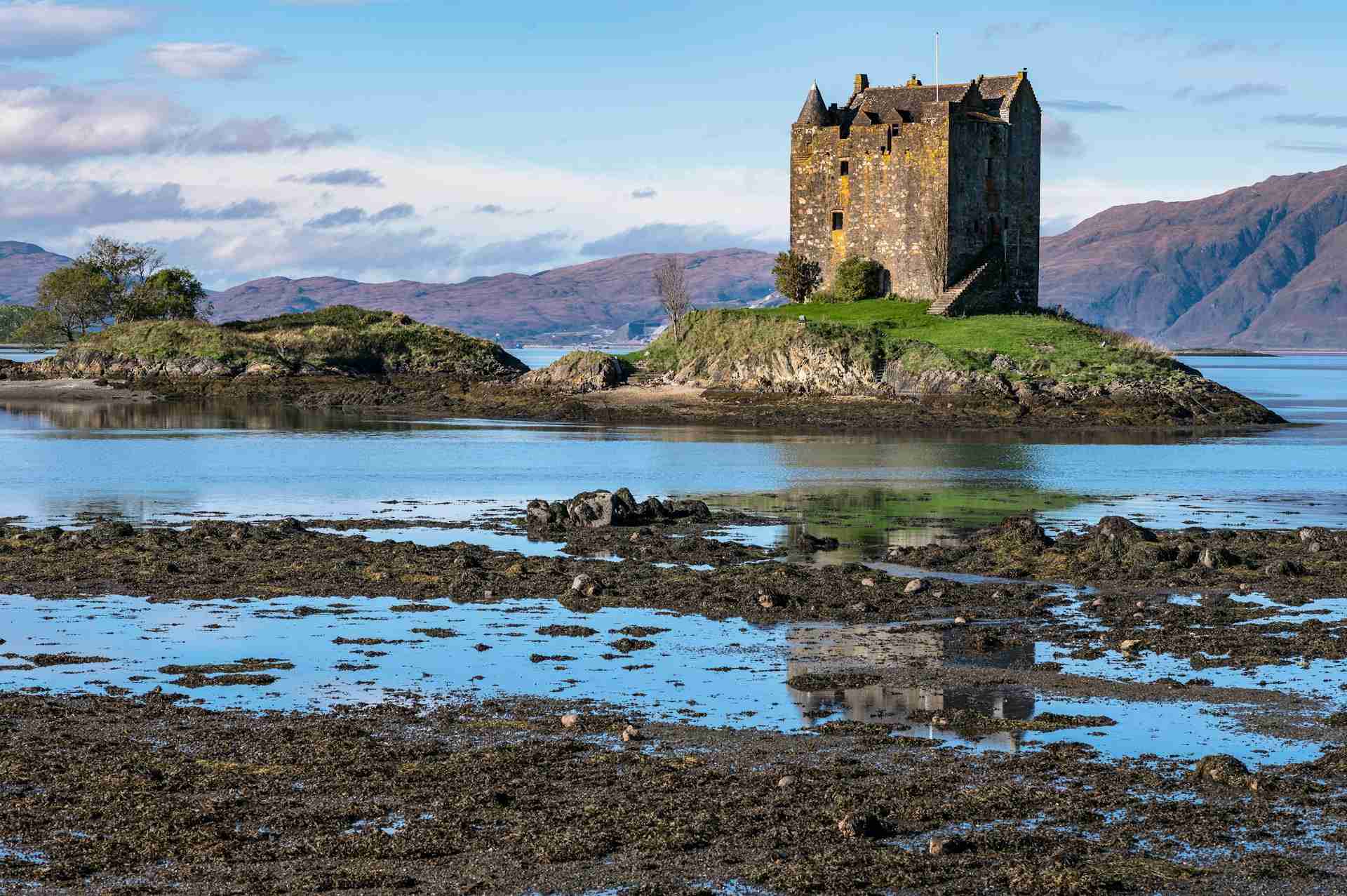
Castle Stalker, poised on a tidal islet in Loch Laich, commands the landscape with a quiet, ancient authority. Located along the west coast of Scotland between Oban and Glen Coe, this four-story tower house from the 14th century rises from the water as if suspended in time. For photographers, the appeal lies not only in its historic stonework but in its ever-changing surroundings. Mist, tide, sunlight, and clouds interact constantly with the castle, making every visit unique. Whether enveloped in fog or glowing in golden light, Castle Stalker offers a profound connection between architecture and the wild Scottish landscape.
Best Photography Opportunities
• Golden Hour Reflections from the Shoreline
During early morning or late afternoon, the waters of Loch Laich often turn to glass, reflecting Castle Stalker with near-symmetry. From the viewpoint near the Castle Stalker View Café, set up a tripod to take advantage of the soft, angled light that highlights the texture of the stonework and the muted hues of the surrounding hills. Incorporate elements like seaweed, shoreline rocks, or grasses in the foreground to add depth and dimension to the image. These peaceful scenes evoke a dreamlike atmosphere, especially when the light fog lifts from the water. Waiting through the full golden hour often rewards you with subtle shifts in color temperature and tone, enriching the photograph with layered mood and light.
• Silhouettes at Sunset from Jubilee Bridge
As the sun sets behind the distant hills, Castle Stalker transforms into a dramatic silhouette against a backdrop of pinks, purples, and golds. The gravel track leading toward the Jubilee Bridge offers a perfect location to capture the structure framed by sky and water. Use a longer focal length to compress the castle against the glowing horizon. Silhouetted compositions are most effective when paired with low tide foregrounds such as exposed stones and water trails that add interest and balance. Experiment with varying exposure times to either preserve rich colors or embrace moody shadows. Reflections in pools along the shore can double your subject and add further visual impact to your shot.
• Stormy Weather and Moody Skies
Few scenes capture the rugged spirit of Scotland like Castle Stalker beneath a turbulent sky. Clouds moving across the loch, rain mist in the air, and dark shadows falling over the hills amplify the solemnity of the castle. Black-and-white conversions can heighten the drama, emphasizing tonal range and contrast. A fast shutter speed will freeze rain streaks or a long exposure will soften wind-blown clouds into sweeping motion. These conditions often result in some of the most memorable, emotion-filled images. Look for pockets of light that might break through the clouds, as these spotlighting moments can transform an otherwise flat scene into something truly arresting.
• Details from the Roadside Overlook
Though distant, the roadside overlook near the café provides a stable vantage for capturing detailed shots with a telephoto lens. The upper levels of the tower, including window slits, battlements, and the roofline, come into view with clarity. This perspective allows for studying the castle's architectural lines without visual interference. Use morning or late afternoon light for subtle shadow play on the stone and to avoid the flatness of midday sun. Telephoto compression also enhances the backdrop, drawing in the loch and distant landscape, which adds depth and contrast to the subject. By adjusting your position slightly along the roadside, you can play with layering foreground elements like fences or grasses.
• Night Photography and Star Trails
On clear nights, the isolated location of Castle Stalker offers minimal light pollution, ideal for capturing the Milky Way or star trails above the tower. Compose from the foreshore near the café, aiming for symmetry between the sky and its reflection. Use a wide-angle lens with a low aperture and long exposure settings. Consider stacking images for clean star trails. Calm, clear nights yield magical images of the tower beneath a sky full of stars, making for truly timeless compositions. Including light-painted foreground elements, like driftwood or nearby rocks, can create added texture and balance in the frame. For those experienced with time-lapse, this site also makes for excellent short astrophotography sequences showing stars rotating above a motionless sentinel.
Best Time to Visit
Castle Stalker offers strong visual potential in every season, but certain times of year provide enhanced photographic opportunities. Spring and autumn are particularly rich in color and atmosphere. During spring, fresh greens frame the loch and soft light makes textures pop. Autumn introduces orange and rust tones in the hills, and weather shifts frequently, adding drama to the sky.
Summer delivers long golden hours and mirror-like water surfaces during early mornings. It's also the easiest time to access trails and shorelines due to milder weather. However, more visitors mean you'll need to plan for early or late sessions to avoid foot traffic.
Winter creates stark, moody scenes with mist, frost, and possibly snow-covered surroundings. The low sun casts long shadows, and the castle takes on a solemn, brooding character. Blue hour and twilight provide ideal light for silhouette and long exposure work, particularly on cold, clear evenings. Weather can change rapidly at any time of year, so flexibility and patience are essential.
Visiting during weekdays reduces crowds, especially in peak travel months. Low tide enhances shoreline access and reveals natural features, while high tide is best for clear, uninterrupted reflections. Always consult local tide tables and weather forecasts when planning your trip.
How to Get There
Castle Stalker is located just off the A828 between Oban and Glen Coe, near the village of Appin. The most accessible viewing point is from the Castle Stalker View Café, which has a car park and a short gravel path leading to the best shoreline perspectives. This area is clearly marked and open to the public year-round. It takes about five to seven minutes on foot from the café to reach the foreshore.
An alternative viewpoint can be found near the Jubilee Bridge, just a short drive away. Parking is available along the roadside, though it is limited. From there, you can walk down to the shoreline or shoot from slightly elevated terrain. No fees are required to visit the public viewing areas. The terrain can be uneven and sometimes slippery, particularly after rain or at high tide, so proper footwear is important. Be respectful of signage and private land boundaries.
Recommended Gear for Castle Stalker Photography
To fully capture the diversity of scenes at Castle Stalker, a thoughtful gear setup is essential. A wide-angle lens (16–35mm) is best for incorporating shoreline textures, clouds, and reflections into expansive compositions. A mid-range zoom (24–70mm) is excellent for balanced framing that includes foreground and context. A telephoto lens (70–200mm or longer) will allow you to capture the fine architectural features of the tower from across the loch.
A sturdy tripod is critical for long exposures, especially during blue hour and night sessions. Bring a circular polarizer to enhance color saturation in the sky and reduce glare on the water's surface. A neutral density filter will help achieve longer shutter speeds during daylight for smoothing out waves and clouds. Remote shutter releases or intervalometers are helpful for reducing vibration during long exposures or time-lapse sequences.
Water-resistant footwear, lens cloths, and weather protection are strongly advised due to frequent mist and rain. Extra batteries and memory cards are a must, as the changing light and conditions often lead to extended sessions and multiple exposure variations. Always pack for rapidly shifting weather.
Nearby Photography Locations
offers coastal views looking southward, where small boats and wooden piers create excellent foreground elements. From here, Castle Stalker is visible in the background, making for layered, storytelling compositions.
provides a different elevation and angle on the castle, with options to frame the tower against a wide-open loch or glowing sunset. The bridge itself can also serve as a leading line in wider landscape images.
features expansive views of surrounding mountains and water, ideal for pairing with minimalist seascapes or dramatic storm-light compositions. Early morning fog here creates mysterious, diffused light.
• Glen Coe
is a short drive away and delivers massive scale and atmosphere with rugged mountain terrain, winding roads, and moody skies. The shift from castle to highland landscape offers a rich visual contrast.
• Kilchurn Castle on Loch Awe
presents a similarly evocative ruined castle on the water, providing an opportunity for a secondary shoot that complements Castle Stalker. Its distant hills, water reflections, and partial collapse offer different textures and storytelling possibilities.
Comments
Loading comments…