
Killantringan Lighthouse: A Photographer's Guide to Scotland's Coastal Light
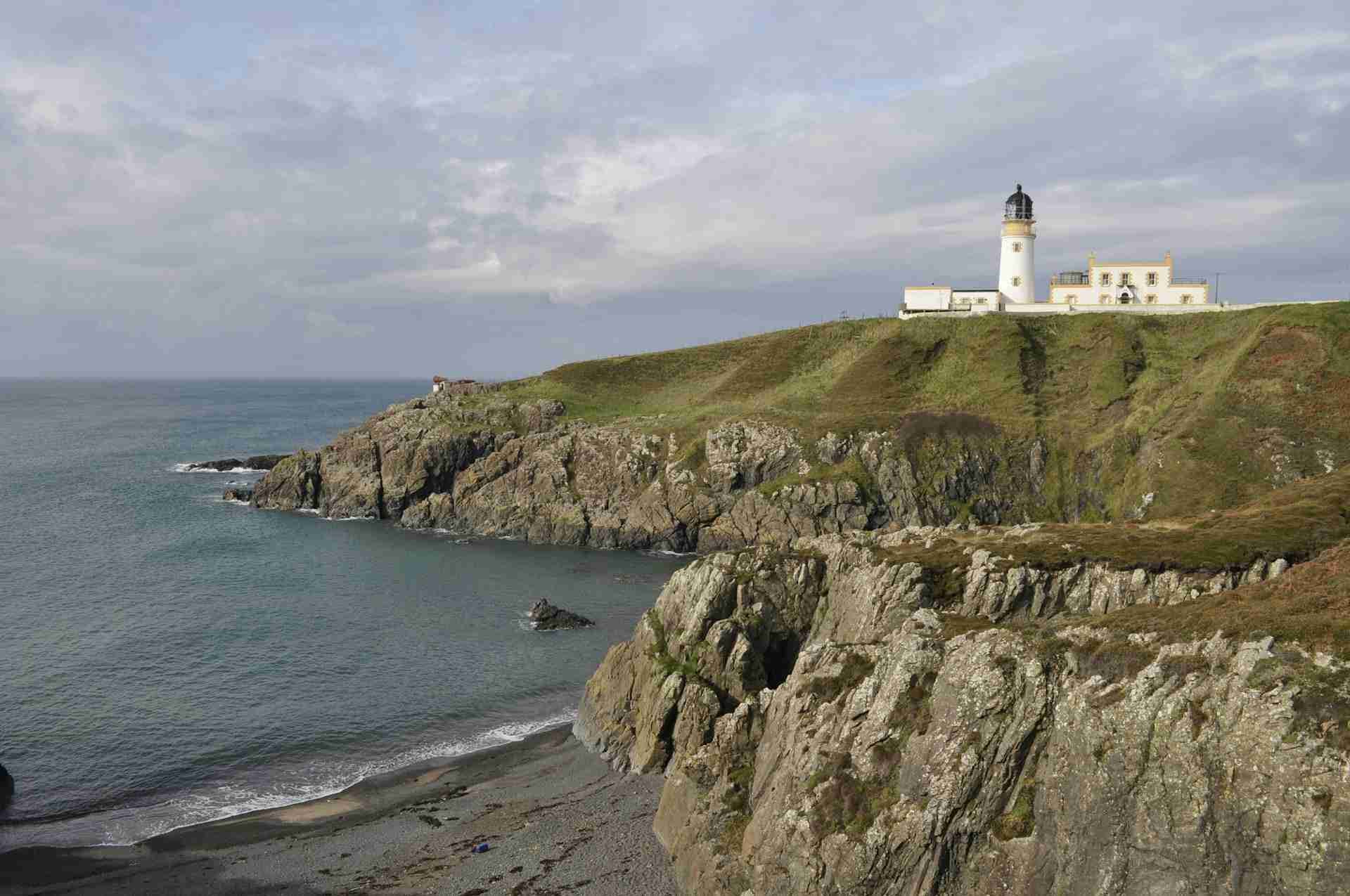
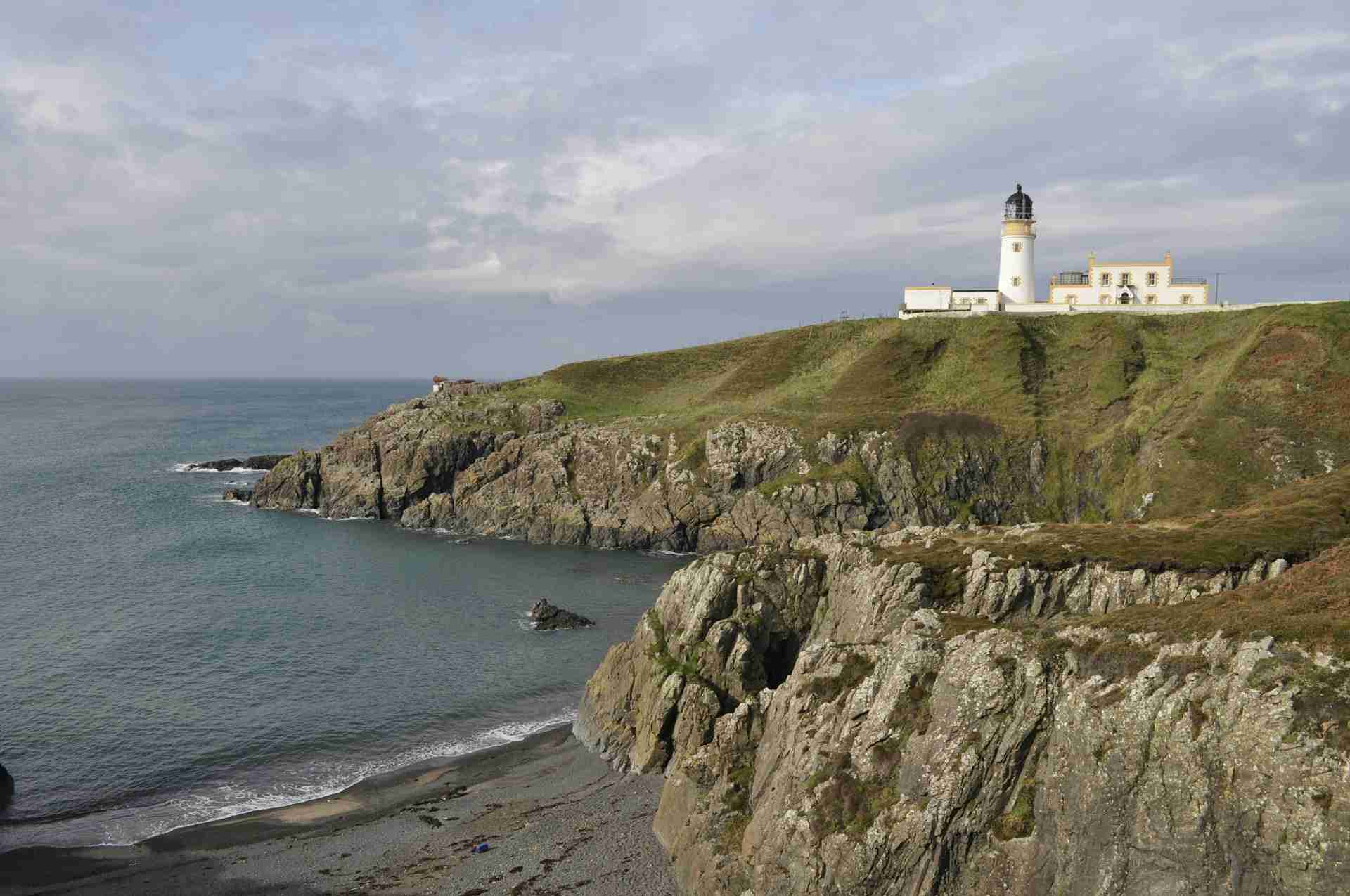
Set on a rugged cliff overlooking the Irish Sea, Killantringan Lighthouse is one of the most photogenic and secluded beacons in southern Scotland. Located just a few miles north of the harbor village of Portpatrick, this decommissioned lighthouse sits on a sweeping headland surrounded by cliffs, wind-blown grasses, and the constant sound of waves below. Though the tower itself is no longer operational and access is restricted, the location remains a dream for photographers seeking drama, isolation, and elemental beauty. With its classic white tower, maritime history, and cinematic setting, Killantringan Lighthouse provides a variety of creative opportunities across every season.
Best Photography Opportunities
• Lighthouse from the Clifftop Trail
The clifftop trail that approaches Killantringan offers one of the most visually striking scenes in the region. As the path curves toward the lighthouse, you get a broad view of the entire headland, with the sea stretching endlessly behind the stark white tower. This view works best with a wide-angle lens that can include the lighthouse, foreground grasses, and the textured sea and sky. Use the path as a leading line to draw attention through the composition. Sunrise adds subtle pastel tones, while afternoon light warms the stone and adds definition to the coastal cliffs.
• Close-Up Views of the Lighthouse Buildings
Though the lighthouse complex is private and fenced off, you can still get relatively close to the exterior buildings and find plenty of detail to photograph. The weather-beaten white walls, metal fixtures, and old equipment create an aged, nautical character that responds well to both color and black-and-white photography. A mid-range zoom lens allows you to frame tight compositions of windows, doorways, rusted hinges, and textured masonry. If you visit in the early morning, side light creates beautiful shadows that emphasize surface texture.
• Long Exposure Seascapes from the Cliffs
Killantringan is perched above a rocky coastline that is ideal for long-exposure work. From the cliffs, you can frame compositions where jagged rocks jut into the frame below the lighthouse. Using a tripod and a neutral density filter, slow your shutter speed to soften the ocean's surface, giving it a mist-like appearance that contrasts beautifully with the solid forms of land and structure. This is particularly effective on overcast or stormy days, when the sky and sea share a similar color palette.
• Sunset Behind the Tower
Depending on the season and position, the sun sets to the west behind or near the tower when viewed from the slopes to the east. These conditions are excellent for shooting dramatic silhouettes of the lighthouse, surrounded by glowing sky. Use a wide lens to take in the full scope of the headland and sky, or a longer lens to compress the sun and tower into a tighter frame. Be sure to arrive well in advance to scout the best spot, and consider bracketing exposures to capture the wide range of light.
• Stormy Weather and Dramatic Light
The coastal weather at Killantringan changes quickly, and this can be a powerful asset to your photography. When rain clouds gather or beams of light break through heavy sky, the scene transforms into something that feels cinematic and surreal. Moody light reflecting off the sea or striking the tower adds a depth that is hard to replicate in clear conditions. Carry a polarizing filter to manage reflections and bring out contrast in the sky and water.
Best Time to Visit
Killantringan Lighthouse can be photographed in every season, and each brings a unique atmosphere to the site. Spring introduces vibrant greens in the surrounding landscape and clearer skies, with occasional bursts of sunshine that light the lighthouse from different angles. Wildflowers begin to appear along the paths, adding pops of color to foregrounds.
Summer delivers long daylight hours and the possibility of calm seas, perfect for serene compositions and soft golden light in the early evening. Sunset sessions during this time of year can be particularly rewarding, with glowing skies and mild weather. Autumn brings warm tones to the grasses and richer colors in the sky. The light becomes more directional, which helps highlight the contours of the land and structure.
Winter is the most dramatic season. Wind, rough seas, and low, heavy clouds combine to create a setting filled with raw emotion. This is the time to experiment with black-and-white imagery and long exposures of crashing waves. The lighthouse takes on a weathered, enduring presence that fits perfectly with Scotland's coastal mood.
For the best light, arrive at sunrise to capture soft tones and calm air, or visit at sunset for strong backlight and shadows. Blue hour creates peaceful, muted tones and works well when the sea is calm. Always check the weather in advance and prepare for quick changes.
How to Get There
Killantringan Lighthouse is about three miles north of Portpatrick, in Dumfries and Galloway. From Stranraer, follow the A77 and then the A718 toward Portpatrick. In the village, take minor roads northward out of town, using a map or GPS to guide you along small, single-lane roads. Signs may not be consistent, so it's best to plan your route in advance.
The final section of road becomes narrow and uneven, so proceed slowly and watch for oncoming traffic. Near the end of the road, you will find a small gravel parking area with enough space for a few vehicles. From there, a short footpath takes you toward the lighthouse. The surrounding land includes a public right of way, though the lighthouse and its immediate grounds are private property.
There is no cost to visit, but amenities are limited. There are no bathrooms, food vendors, or shelters at the site. Bring your own supplies, especially if you plan to stay for a long shoot. The cliffs are exposed and can be dangerous in windy conditions, so wear suitable footwear with good grip and avoid standing close to the edges.
Essential Gear for Coastal Lighthouse Photography
To photograph Killantringan Lighthouse effectively, pack a selection of lenses. A wide-angle lens (16–35mm range) lets you frame the lighthouse within the surrounding cliffs and sky. A mid-range zoom (24–70mm) is ideal for architectural detail and tighter compositions. If you want to compress the scene or isolate parts of the coastline, a telephoto lens can help bring distant elements together and create depth.
A sturdy tripod is a must, especially for low-light scenes and long exposures. Neutral density filters allow you to experiment with slow shutter speeds and create smooth water textures. A circular polarizer helps control glare and deepen the color of the sea and sky.
Bring weather protection for both yourself and your gear. A waterproof jacket, lens cloth, and rain cover for your camera are essential in this environment. Waterproof boots are useful if you plan to explore grassy or rocky terrain. Also pack extra batteries and memory cards, as cold and damp weather can reduce battery life. A lightweight backpack keeps your hands free while navigating the trails.
Nearby Photography Locations
Just a short drive south, Portpatrick offers classic coastal charm. Its working harbor, colorful buildings, and sheltered bay make it a favorite for both early morning and evening light. Capture reflections in the water or street scenes with local character.
Perched on a cliff just south of the lighthouse, this medieval ruin offers moody, atmospheric views. The broken towers set against the sea are perfect for dramatic wide shots or detail-focused compositions.
This long-distance walking trail begins in Portpatrick and follows the coast past Killantringan. It provides access to rolling hills, cliff edges, and open views perfect for landscape photography in varied light.
Scotland's southernmost point is about an hour to the south. The lighthouse here is still in operation and offers panoramic views across the water to Northern Ireland. It's a superb place for sunset and expansive seascapes.
Located on the eastern side of the Rhins of Galloway, this long, quiet beach offers calm water, open skies, and reflective sand—especially photogenic at sunrise or after a rain when the beach glistens.
Comments
Loading comments…