
Whaligoe Steps: A Photographer's Guide to Scotland's Cliffside History
Tucked away on the eastern coast of the Scottish Highlands, Whaligoe Steps is a dramatic and historically rich location that rewards both landscape and documentary photographers. Carved directly into a steep cliff face, the 365 stone steps descend to a natural harbor that was once a bustling landing point for fishermen in the 18th and 19th centuries. Surrounded by towering rock walls, crashing waves, and nesting seabirds, the site feels frozen in time. For photographers looking to capture powerful seascapes, rich textures, and traces of human history etched into the land, Whaligoe Steps offers an unforgettable shooting experience.
Best Photography Opportunities
• The Descent from the Top of the Steps
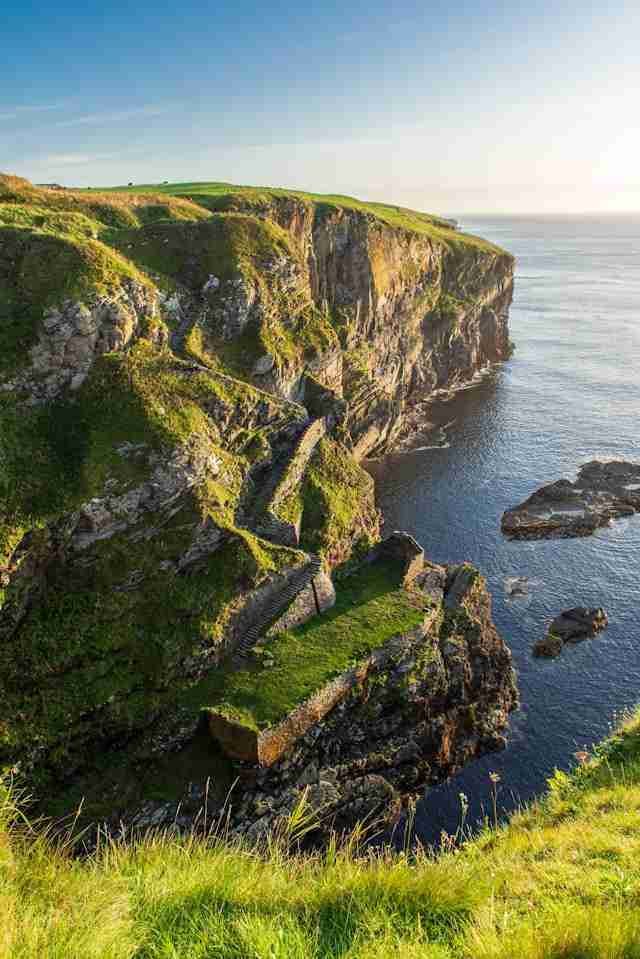
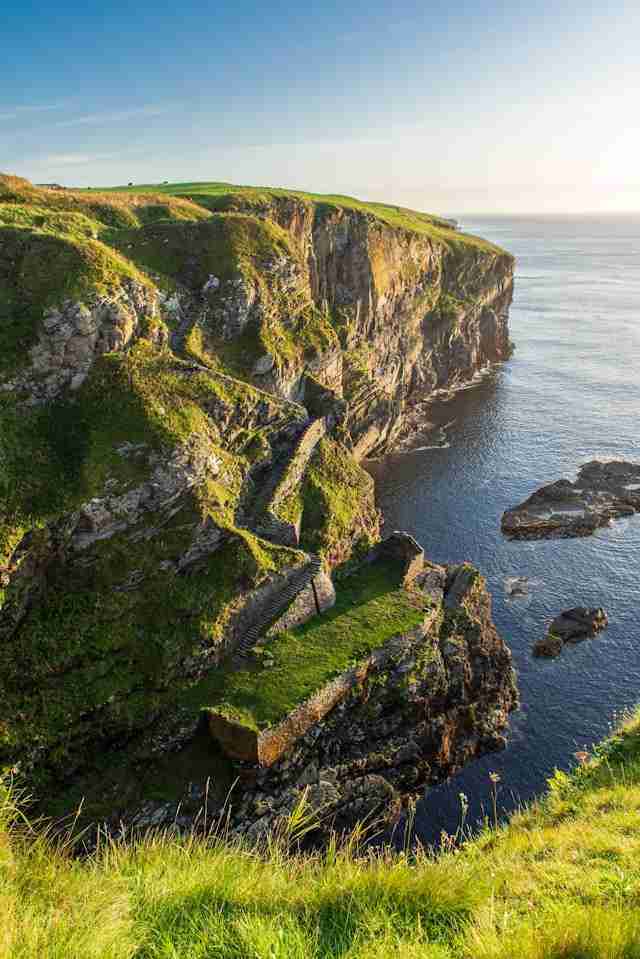
Standing at the top of the steps provides one of the most impactful views at the site. The stone stairway zigzags dramatically down the cliffside, revealing the full vertical scale of the descent. A wide-angle lens allows you to frame the entire staircase, the cliffs on either side, and the shimmering sea in the distance. Including a figure in the frame, such as someone walking down, can add a human element that emphasizes the height and historical purpose of the stairs. In the early morning, low-angle sunlight brings out the textures of the stone and creates dramatic shadows across the steps.
• Stonework and Architectural Detail
The steps themselves are beautifully constructed and worn smooth from over two centuries of use. They offer countless opportunities for close-up shots that reveal texture, weathering, and craftsmanship. Mid-range or macro lenses are useful here, allowing you to isolate sections of the steps, retaining walls, or rusted boat hardware. Pay attention to details such as moss growing in the cracks, water pooling in crevices, and the subtle play of light and shadow along the stone surfaces. These elements help convey the passage of time and the resilience of this remote working harbor.
• Natural Harbor and Coastal Energy
At the base of the steps lies a natural inlet that once supported a vibrant fishing industry. Even today, the motion of the waves as they roll into this sheltered cove creates mesmerizing interactions with the jagged rock formations. Use a tripod and neutral density filter to experiment with long exposures, softening the movement of the water and creating ethereal effects. The dark rocks contrast strongly with the white surf, especially under overcast skies. This location works well in both color and black-and-white, depending on the mood you want to capture.
• Birdlife and Cliff Ecology
The steep cliffs surrounding the steps are home to many seabirds, especially during spring and early summer. Puffins, gulls, and fulmars are frequently spotted nesting or flying along the edges. A telephoto lens allows you to isolate these birds in action, capturing them in flight or perched on narrow ledges. Early morning is best for this type of photography, as the birds are more active and the light is softer. Watch quietly from a distance and you may be able to photograph natural interactions without disturbing their behavior.
• Stormy Skies and Moody Atmosphere
Few places capture Scotland's changing weather like Whaligoe. When storm clouds gather or fog drifts over the cliffs, the entire site takes on a mysterious, almost cinematic quality. These conditions are perfect for moody compositions, especially when paired with the rough stonework and dynamic ocean views. A wide-angle lens helps capture the expansive sky and coastal backdrop. Consider converting some of your shots to black-and-white to emphasize mood and contrast. A polarizing filter can be helpful for reducing glare and deepening the natural color of both sky and stone.
Best Time to Visit
Whaligoe Steps is accessible year-round, but your photographic experience will differ depending on the time of year and day you choose to visit. Spring and summer are ideal for wildlife photography, with bird activity at its peak and vegetation around the cliffs in bloom. The greens and yellows of summer vegetation create colorful contrasts with the dark stone, while the longer daylight hours offer extended shooting time.
Autumn brings a more subdued, golden palette to the cliffs and surrounding landscape. This is an excellent time for capturing soft evening light and the textures of the rock and foliage. Fewer visitors also mean a quieter atmosphere. Winter is best suited for those seeking drama and mood. The cliffs can be dusted with frost, and the sea is often wilder, with dramatic wave patterns and atmospheric skies that lend themselves well to monochrome photography.
In terms of daily timing, sunrise is particularly rewarding. The site faces east, which means the steps are bathed in early morning light. Shadows are long and textures are pronounced. Blue hour offers a quiet, serene mood for long exposures of the water, while late afternoon can cast warm backlight across the cliffs if the sky is clear.
How to Get There
Whaligoe Steps is located near the small village of Ulbster in Caithness, approximately eight miles south of the town of Wick along the A99 road. As you travel south, look for a small sign pointing toward Whaligoe. Turn off the main road and follow a narrow lane to a small car park near a white building, where the steps begin.
There is no admission fee, and access is open to the public year-round. From the car park, it is just a short walk to the top of the steps. However, the descent is steep and can be slippery, particularly after rain. Wear shoes with good traction and take your time. The path is not suitable for visitors with mobility issues. There are no toilets, food vendors, or visitor centers at the location, so come prepared with water and any supplies you may need. If you plan to fly a drone, be respectful of nesting birds and nearby homes. Always observe local regulations and safety considerations.
Essential Gear for Coastal Cliff Photography
A flexible but streamlined camera kit is ideal for photographing Whaligoe Steps. Start with a wide-angle lens, such as a 16–35mm, to capture the expansive views from the top of the steps or the full sweep of the harbor below. A mid-range zoom lens allows you to frame architectural details and compositions along the descent. For capturing birdlife or distant cliff features, bring a telephoto lens of at least 200mm.
A sturdy tripod is crucial, especially for long exposures of the sea or low-light conditions in the early morning or evening. Neutral density filters will allow you to control shutter speed and achieve smooth, flowing water in your seascapes. A circular polarizer can help reduce glare on wet stone surfaces and enrich the color of both the sky and the ocean.
Other helpful gear includes a microfiber cloth for wiping off mist or spray, weather-resistant clothing, waterproof footwear, and a comfortable backpack that keeps your hands free during the steep descent. Extra batteries and memory cards are essential, especially if you plan to shoot over several hours or in colder weather. A rain cover or weather-sealed bag will help protect your equipment in Scotland's often unpredictable conditions.
Nearby Photography Locations
Located about 15 minutes north by car, Wick Harbor provides a more urban coastal contrast with its fishing boats, stone docks, and seaside textures. Early morning light brings out the color in the boats and creates reflections in the water.
Just outside Wick, these atmospheric castle ruins sit on a narrow peninsula, surrounded by cliffs and sea. The views here are best during golden hour, when the light adds warmth and depth to the stone remains.
A peaceful location that features an old pier, colorful boats, and panoramic sea views. The open bay is great for capturing gentle coastal scenes and the soft light of late afternoon.
This inland spot offers a change of pace with wooded glens, arched bridges, and a beautiful waterfall that is especially photogenic in autumn. The textures of moss, leaves, and flowing water make for rich compositions.
About 45 minutes north, this dramatic location features towering sea stacks, grassy clifftops, and expansive views of the Pentland Firth. Ideal for wide-angle landscapes and weather-driven photography.
Comments
Loading comments…