
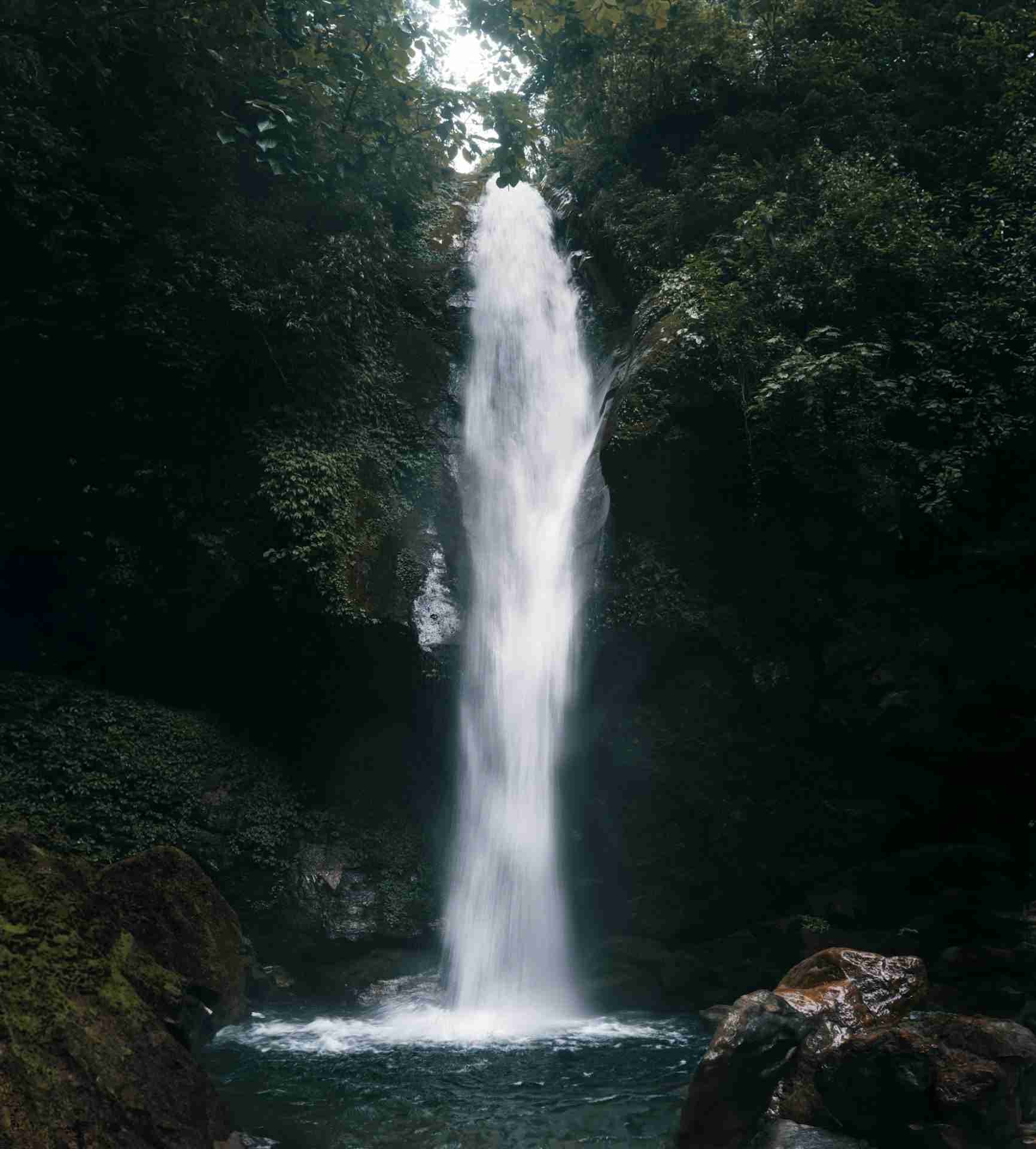
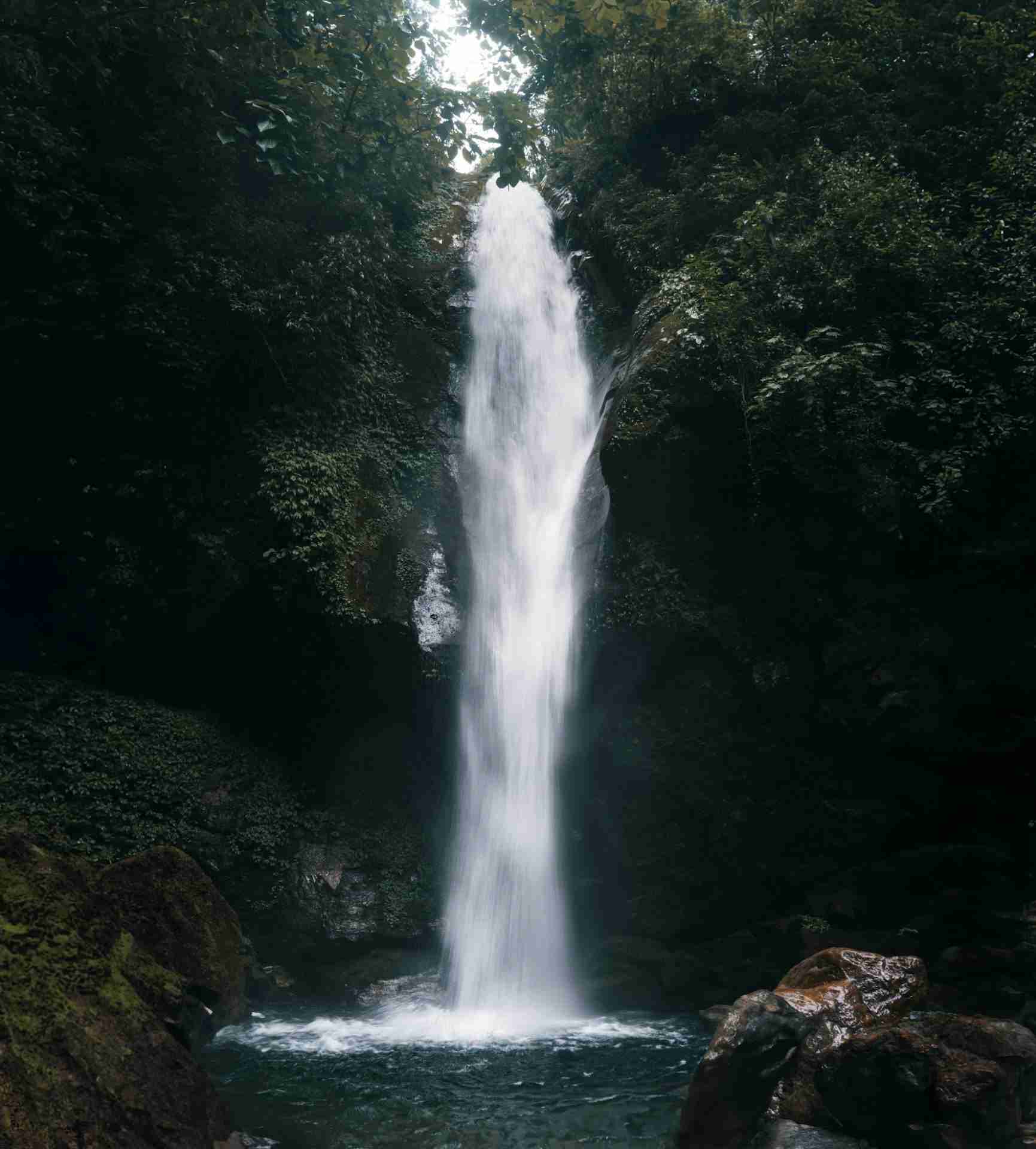
In the deep green hills of western Sikkim, Kanchenjunga Falls pours out of the forest like a silver ribbon unraveling through rock and mist. Located near the village of Thingle I, this waterfall is one of the most powerful and visually striking in the region, fed by glacial streams from the slopes of Mount Kanchenjunga itself. The water crashes from a hidden cliff high above the road, plunging into a shaded ravine where mossy boulders, ferns, and dripping overhangs create a rich, layered environment for photography. Dense jungle surrounds the falls on all sides, and the sound of water fills the air even before the falls come into view. Whether you're drawn to long exposures, atmospheric detail, or simply the drama of water in motion, Kanchenjunga Falls provides a rewarding mix of energy, texture, and mood.
Best Photography Opportunities
• Long Exposures from the Footbridge
Just below the waterfall, a small pedestrian footbridge offers a steady and central view of the cascade. From this position, the waterfall fills the frame, its white surge cutting vertically against the dark green of the forested walls. With a tripod and a neutral density filter, you can slow the shutter to soften the motion of the water, transforming the powerful flow into a smooth, ribbon-like stream. Shooting in early morning or under cloud cover helps control contrast, keeping detail in both the rocks and the highlights of the water. The bridge also gives a slightly elevated perspective, helping to separate the falling water from the plunge pool at the base.
• Low-Angle Compositions from the Streambed
By carefully descending to the rocks at the base of the falls, photographers can shoot upward from the streambed to emphasize the scale of the drop. This angle creates strong vertical tension, with the whitewater stretching up toward the forest canopy and the boulders in the foreground adding depth. A wide-angle lens works well here to exaggerate distance and pull in surrounding textures. Wet rocks and shallow pools can be used to reflect elements of the waterfall for layered compositions. This area remains shaded throughout much of the day, making it a good place to experiment with long exposures even in midmorning light.
• Detail Work with Mist, Spray, and Texture
The force of the waterfall generates a constant spray that clings to every nearby surface. This creates ideal conditions for capturing fine details, including droplets suspended on leaves, water running over moss, and light catching in midair mist. A macro lens or telephoto zoom can help isolate these small elements within the larger scene. Working in close requires weather-sealed gear or protective covers, as lenses will fog and surfaces will collect moisture quickly. Overcast skies are perfect for this style of photography, providing soft light and avoiding harsh reflections on wet surfaces.
• Framing Through the Jungle Canopy
The approach trail to the falls winds through dense vegetation, and there are several places where the waterfall comes into view between branches and vines. These partial perspectives create natural frames and allow for more context-driven compositions. By using a wide aperture, you can blur the foreground leaves while keeping the waterfall in sharp focus, adding a sense of scale and intimacy to the image. Shooting handheld here allows flexibility, as positions are often tight and the footing can be uneven. Morning light filtering through the trees adds subtle contrast and depth to these scenes.
• Monsoon Mood and High Water Drama
During the monsoon season, Kanchenjunga Falls becomes an entirely different subject. The water volume increases significantly, and mist rises continuously from the gorge. Cloud layers drift in and out of the trees, creating a soft, cinematic atmosphere. Compositions during this time can focus more on mood and movement than on fine detail. Fast lenses and weather protection become essential, as the rain can start and stop with little warning. These conditions offer some of the most memorable images from the site, especially when the landscape is reduced to its essential shapes and motion.
Best Time to Visit
Kanchenjunga Falls is active year-round, but its appearance and conditions shift noticeably with the seasons. From June through September, the monsoon brings peak water flow, enveloping the area in mist, humidity, and dense green growth. These months provide the most dramatic water movement and intense atmosphere, though access may be more challenging due to slippery trails and frequent rain. October and November offer a post-monsoon balance with strong water flow, clearer skies, and more stable ground conditions. Light in this season is also more consistent, with morning sun cutting through the trees and afternoon glow reflecting off wet stone. Winter from December through February reduces water volume and crowds, creating more peaceful conditions for deliberate shooting. Spring in March and April adds color to the surrounding jungle, as new growth and blooming plants brighten the scene. Early morning is the best time to photograph the falls, offering soft, directional light and fewer visitors. Late afternoon is also productive, especially when filtered light passes through the forest canopy and catches the upper reaches of the falls.
How to Get There
Kanchenjunga Falls is located approximately 25 kilometers from Pelling, along the road to Yuksom in western Sikkim. The drive from Pelling takes about 45 minutes and winds through forested hills with intermittent views of distant peaks and valleys. The waterfall sits just off the main road, and a short paved trail leads directly to the base. This path is less than 200 meters long but includes stairs and wet surfaces that can become slippery, particularly during the rainy season. Parking is available at a small lot near the entrance, where local vendors occasionally operate food stalls and informal ticket booths. There is usually a nominal fee to enter the area, collected at a roadside kiosk. Tripods are permitted and useful in low-light conditions, but space on the bridge or streambed can become limited during midday when tourist traffic is highest. For photographers seeking space and quiet, early morning or late afternoon is the ideal time to visit. No permits are required for photography, and the falls are accessible without the need for strenuous hiking.
Recommended Photography Gear
Photographing Kanchenjunga Falls requires a setup that performs well in wet, humid, and uneven environments. A wide-angle lens, such as a 16 to 35 millimeter, is essential for capturing the full height of the falls from close range. A mid-range zoom between 24 and 70 millimeters will help with flexible framing along the trail and through the vegetation. A sturdy tripod with non-slip feet is necessary for long exposures, especially on slick rocks or near flowing water. Neutral density filters, including six-stop and ten-stop options, allow for motion blur even in brighter conditions. A circular polarizer helps manage reflections from wet surfaces and enhances color saturation in foliage. Weather protection is critical, both for you and your gear. Bring a rain cover for your camera, a waterproof pack, and microfiber cloths to keep lenses clear of spray. A macro lens or close-focusing zoom can be useful for capturing water droplets, moss patterns, and small-scale forest details. Footwear should have strong grip and quick-drying properties. If you plan to bring a drone, note that signal reliability may be limited by the steep gorge and forest canopy, and flying near the water can be risky due to mist and unpredictable airflow. Extra batteries and a towel or absorbent cloth will help manage moisture buildup during extended shoots.
Nearby Photography Locations
Located a short drive from Kanchenjunga Falls, the Singshore Bridge is one of the tallest suspension bridges in India. Spanning a deep gorge between two ridges, the bridge provides a clean, graphic element against the surrounding hills. Photographers can capture the bridge itself or use it as a vantage point to shoot the landscape in both directions. Early morning often brings mist to the valley below, adding depth and mood to wide compositions.
This monastery is perched on a ridge above Pelling and offers both architectural and panoramic subjects. Inside, colorful murals and statues offer opportunities for cultural photography, while the outer balconies provide long views toward Mount Kanchenjunga on clear days. The best time to shoot is early morning, when directional light adds shape to the structure and the mountain may still be visible before clouds set in.
The town of Yuksom, a short drive from the falls, is a quiet place with trails, forest shrines, and the historic Dubdi Monastery. This area is ideal for capturing traditional Sikkimese architecture set in natural surroundings. The monastery itself is reached by a pleasant uphill walk through thick woods. The path offers chances for shooting prayer flags, tree-filtered light, and glimpses of rural village life.
These ancient ruins lie on a forested ridge within walking distance of Pelling and are surrounded by dense vegetation. The moss-covered stones and crumbling walls make compelling subjects for close-up work and wide environmental shots. The site also offers a clear viewpoint across the valley toward the eastern Himalayas, especially atmospheric during sunrise or under low clouds.
Darap is a small, traditional Limboo village situated just off the road between Pelling and Yuksom. It offers authentic scenes of rural life, terraced farming, and wooden houses with traditional architecture. With the villagers' permission, portraiture and documentary photography are possible. The light here is best in the early morning or late afternoon when the sun lights the valley from low angles.
Kanchenjunga Falls is a location that combines power, beauty, and atmosphere in a setting that feels both intimate and grand. Whether you're shooting the full cascade from the bridge, finding quiet moments of detail in the spray, or working with changing light through the trees, the falls reward careful observation and deliberate composition. This corner of Sikkim remains rich with photographic potential for those willing to arrive early, stay present, and wait for the light to shift.
Comments
Loading comments…