
Key Monastery: Capturing Monastic Majesty in the Heart of Spiti Valley
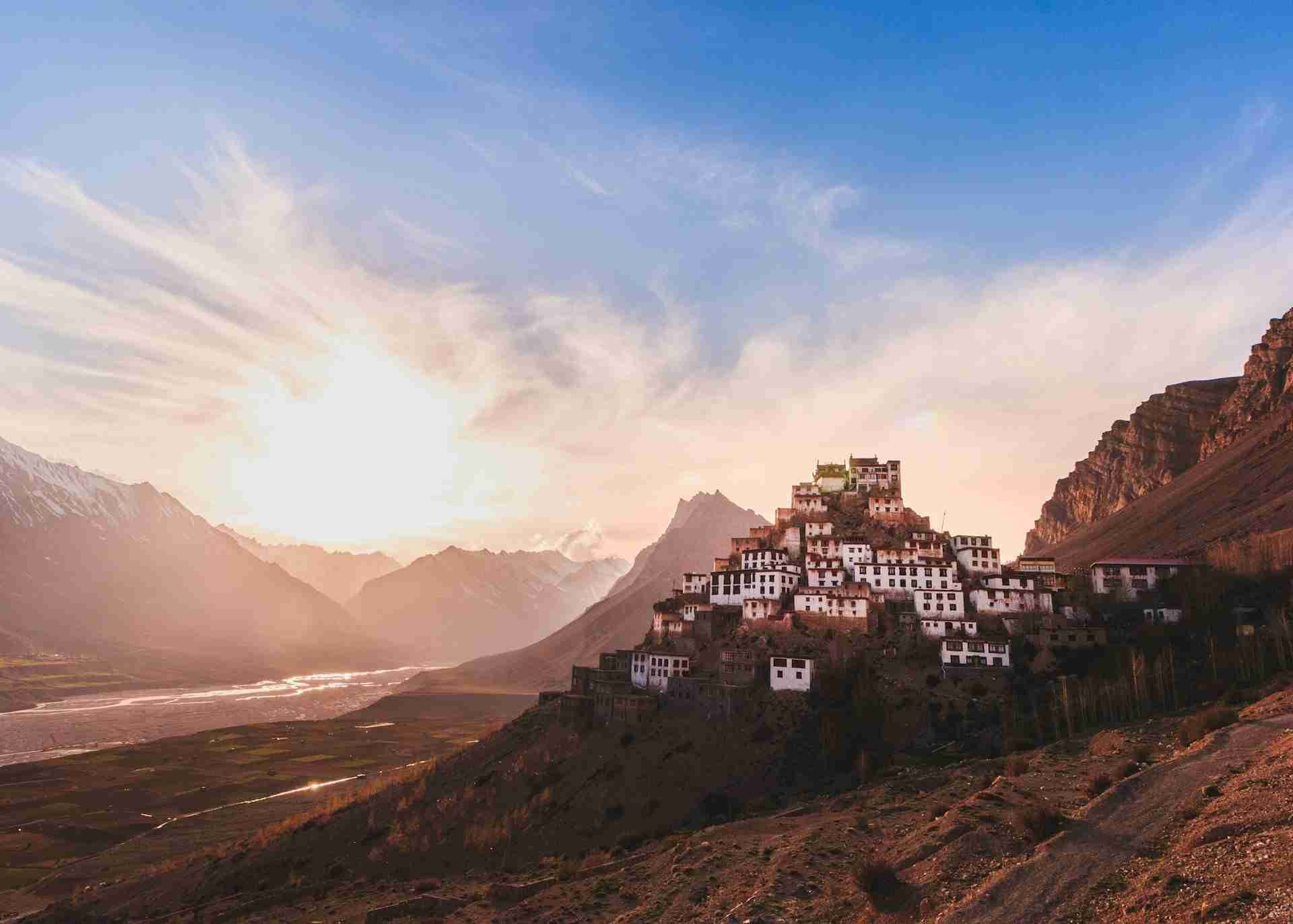
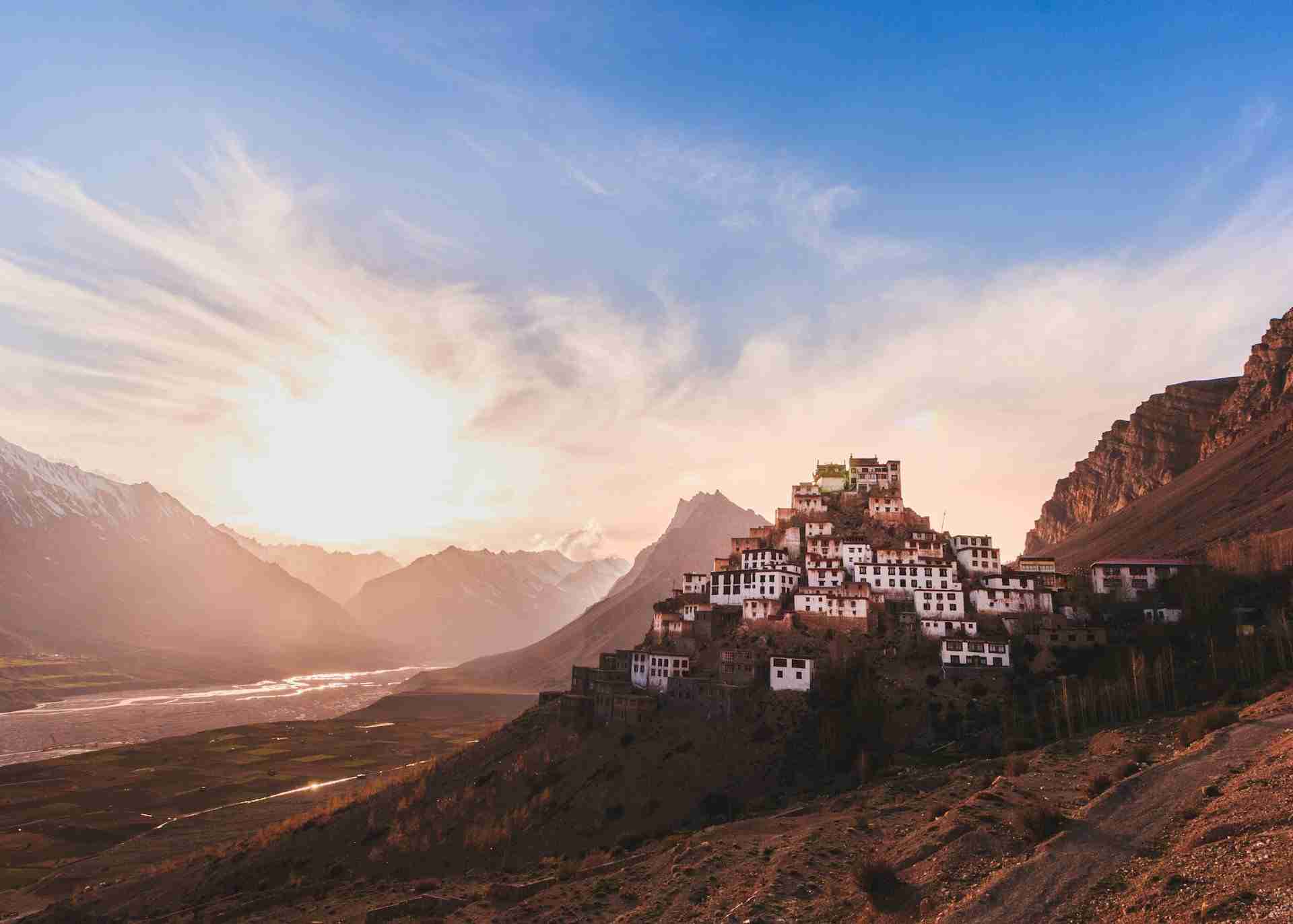
Dramatically perched on a hilltop at 4,166 meters above sea level, Key Monastery (also spelled Kee or Ki) is the spiritual and visual crown of India's Spiti Valley. With its fortress-like architecture, tiered whitewashed walls, and panoramic views over the river plains below, Key is not just a religious center for the Gelugpa sect of Tibetan Buddhism—it's a photographer's dream. Over a thousand years old and still home to a vibrant community of monks and novices, the monastery offers photographers a rare chance to document centuries-old spiritual life amid the vast, elemental landscapes of the Trans-Himalayas.
Best Photography Opportunities
• Iconic Hilltop Wide Shot from the Valley Road
– The classic view of Key Monastery is captured from the winding road that approaches it from Kaza. From this angle, the monastery rises like a tiered bastion above the Spiti River, framed by ridgelines and an ever-changing sky. The interplay of light and shadow across the valley floor creates additional visual interest throughout the day.
• Aerial or Elevated Perspectives (Where Permitted)
– If permitted and conditions allow, drone or higher-elevation shots from nearby ridges reveal the full complexity of the monastery's stacked buildings and its commanding position above the valley. These perspectives highlight the interlocking rooftops and staircases that aren't visible from below.
• Monastery Courtyards and Prayer Halls
– Inside the monastery, prayer flags flutter between buildings and monks gather in sunlit courtyards. Capturing these moments of everyday monastic life requires discretion and respect, but the light, colors, and patterns make for rich storytelling. The contrast of bright fabrics against ancient stone provides unique color palettes for travel photography.
• Portraits of Monks and Students
– The monks of Key are accustomed to visitors and often willing to be photographed, especially the younger novices. With permission, portraits set against worn monastery walls or in active moments of prayer and study create deeply human images. Their traditional robes and peaceful expressions evoke a timeless presence within the mountain setting.
• Night Photography with Stars or Moonlight
– With minimal light pollution, Key Monastery becomes a stunning subject for astrophotography. Long exposures capture the stars rotating above the gompa's silhouette or the Milky Way stretching above the valley. On moonlit nights, the monastery glows softly against the dark terrain, making for ethereal compositions.
Best Time to Visit
The best time to visit Key Monastery is from late May to early October, when the Spiti Valley is accessible via the mountain passes and the weather is stable. Summer (June–August) provides the clearest skies, warm light, and access to active monastery life.
Autumn (September–early October) brings a crisper quality of light and fewer visitors, making it ideal for contemplative shooting. Early mornings offer soft side lighting and valley mist that enhances atmosphere. Evenings bring the golden hour glow that lingers over the ridgelines and monastery façade.
Avoid winter unless properly acclimated and equipped, as the region becomes extremely cold and road access is limited or cut off entirely.
How to Get There
Key Monastery is located about 15 kilometers from Kaza, the administrative center of Spiti Valley in Himachal Pradesh. From Kaza, drive north along the Spiti River toward the village of Kibber. A spur road leads uphill directly to the monastery, accessible by car or motorbike.
The road is steep and narrow but fully navigable during the travel season. Shared taxis, motorbike rentals, and private jeeps are available in Kaza. No permit is required for Indian citizens, though international visitors should carry their Inner Line Permit when traveling in the region.
There is no entrance fee to visit the monastery, though donations are appreciated. Photography is allowed in most areas, but always ask before entering prayer halls or photographing monks. Tripods and flash should be avoided indoors.
Exploring Key Monastery and the Surrounding Area
Beyond the monastery walls, the surrounding plateau and terraced paths offer alternative vantage points and quiet places to photograph the structure from varying distances. A short hike to nearby hills provides a wide, elevated view of the monastery against the backdrop of the valley floor and distant peaks.
Key is also a functioning monastery with seasonal teachings, ceremonies, and festivals—if you happen to visit during one of these events, it's a rare opportunity to document ritual life, traditional garments, and large gatherings of the monastic community.
Descending toward the river, photographers can find foregrounds of cultivated fields, grazing animals, or lines of prayer flags that frame the monastery beautifully from below. The late afternoon descent captures golden light sweeping across the valley floor, with the monastery glowing on its hilltop perch.
Nearby Photography Locations
– Just beyond Key, Kibber is one of the highest inhabited villages in the world. Its stone houses, agricultural terraces, and backdrop of cliffs and sky offer a mix of landscape and cultural photography. The soft evening light here casts long shadows and adds a peaceful tone to village scenes.
– Asia's highest suspension bridge spans a vast gorge between Chicham and Kibber. From nearby ridges or drone perspectives (where allowed), the bridge makes for a stunning modern contrast to the ancient monastery. The sheer depth of the gorge beneath the bridge adds a dramatic sense of scale to every shot.
– High above the valley, Langza's massive seated Buddha faces the mountains and the Spiti sky. The fossil-rich terrain and sparse settlements create open, surreal compositions. During sunrise, the statue glows with a warm hue, offering peaceful and symbolic framing possibilities.
– This remote village offers a chance to capture local life, environmental portraits, and dramatic views of Himalayan terrain with cultural context. Handwritten letters and the old-world charm of the post office tell a unique story through visuals.
– Perched atop a cliff over the Spiti–Pin river confluence, Dhankar offers another dramatic monastery location with a short hike to a high-altitude lake perfect for reflection shots. The contrast between the stark cliffside and the peaceful alpine lake creates a powerful duality in composition.
Comments
Loading comments…