
Mettur Dam 16 Gates: Industrial Scale and River Landscapes in Tamil Nadu
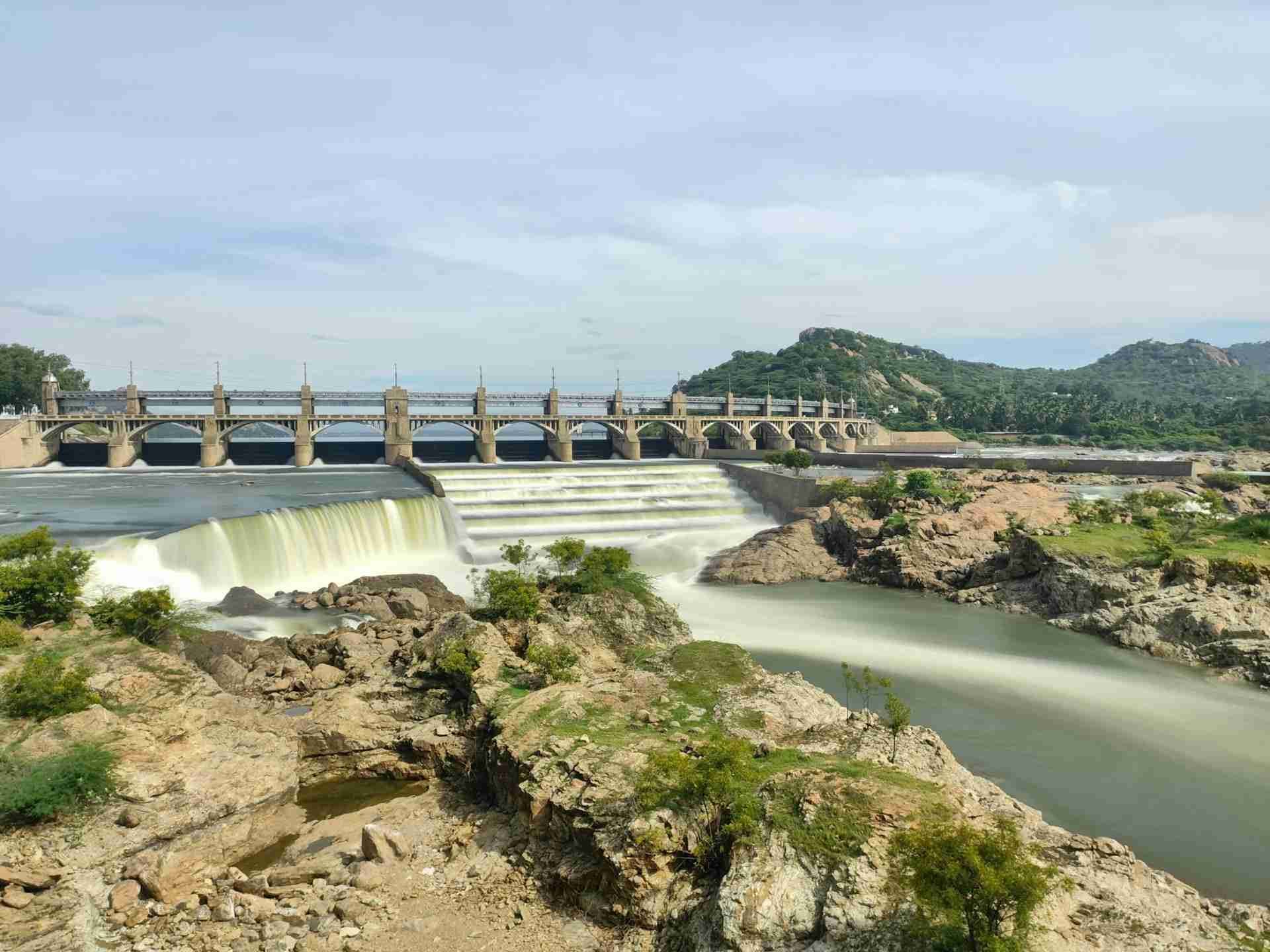
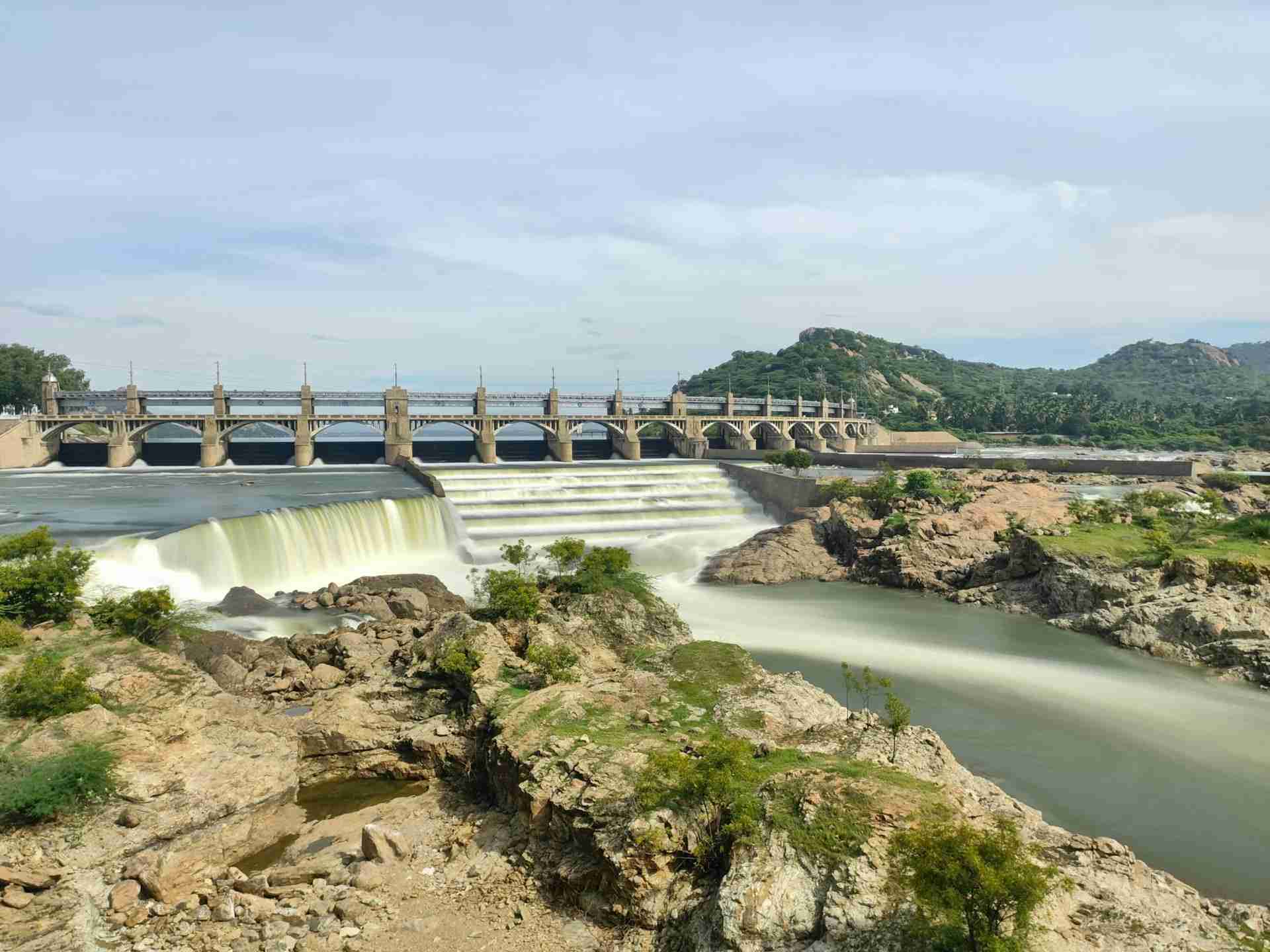
Mettur Dam, located in Tamil Nadu's Salem district, is one of India's largest and oldest dam structures. Completed in 1934 across the Cauvery River, the dam's sixteen floodgates and massive expanse create an impressive and dynamic setting for photography. The dam not only supplies water for irrigation and power generation but also acts as a striking visual landmark, framed by surrounding hills and the calm expanse of Stanley Reservoir. Its industrial symmetry, seasonal variations in water flow, and surrounding rural scenery offer photographers a range of opportunities to explore scale, pattern, and natural contrast.
Best Photography Opportunities
• Full View of the 16 Gates
: The dam's sixteen gates are best captured from a high vantage point or across the water, especially when they are open and releasing water in powerful torrents. These moments create dramatic imagery, with plumes of mist, rushing water, and rhythmic structural lines dominating the frame. Use a long lens to emphasize the repeating geometry of the gates, or a wide-angle to show the full width of the dam in its environmental context. Golden hour adds warmth to the concrete tones and highlights texture on the water's surface. For dynamic results, include clouds or sunbeams breaking over the ridge lines to enhance mood and scale. If you're shooting during water release, use a fast shutter speed to freeze motion or a slower one to soften the flow.
• Stanley Reservoir and Reflections
: On calm days, the vast waters of Stanley Reservoir mirror the surrounding hills and distant parts of the dam. These reflections create balanced, symmetrical compositions ideal for landscape photography. Early morning or late evening light produces pastel tones and enhances stillness. A polarizing filter can help manage reflections and deepen the sky's color, while a tripod ensures sharpness in lower light. Consider including foreground elements like rocks or tree branches to anchor your frame and add layers of depth. When mist settles on the water in the early hours, it can produce soft, ethereal tones that work beautifully in both color and black and white.
• Close-Ups of the Gates and Spillways
: When conditions allow, closer perspectives of the gates reveal intricate mechanical details and weathered textures. These can be excellent for abstract compositions or industrial-focused images. Include elements like ladders, control panels, and rust patterns to tell the story of the dam's engineering. Side lighting enhances textures, so shooting during early morning or late afternoon is ideal. If water is flowing, try experimenting with both high-speed and long exposure shots to capture a range of movement effects. Framing through nearby foliage or using architectural lines can help create layers and add visual interest.
• River Scenes Below the Dam
: Downstream, the Cauvery River flows through rocky beds and green banks, offering contrasting scenes of calm and motion. Capture long exposures of water cascading over boulders or fishermen casting nets in the shallows. This area provides a more natural counterpoint to the engineered structure above and is perfect for storytelling images that include local activity. Try using a low angle near the waterline to emphasize movement and reflections, or climb slightly higher for a layered view of rocks, river, and background vegetation. This stretch of the river is especially appealing in early light, when gentle shadows and morning haze enhance the depth of the landscape.
• Seasonal Monsoon Views
: During the monsoon, when the gates are often open and the landscape is lush, the entire dam area becomes visually dynamic. Billowing clouds, saturated greenery, and rushing water combine to create dramatic compositions. Use ND filters to experiment with longer shutter speeds, or go handheld to capture energy and movement. Protective gear is a must for both you and your camera when shooting in rain or heavy mist. Look for moments when the clouds break to reveal shafts of light over the hills, creating strong visual contrasts. Shooting from different elevations during this season allows for expansive views as well as tight detail shots that highlight texture and motion.
Best Time to Visit
The most dramatic photographs of Mettur Dam are often captured during the monsoon season (typically June to September), when the floodgates are more likely to be open and the surrounding landscape is at its most lush and vibrant. These months provide rich textures, dramatic skies, and strong contrasts between the man-made structure and the natural environment.
For calmer scenes and reflections, the post-monsoon and winter months (October through February) are ideal. Morning light during this period is gentle and golden, casting a soft glow on the reservoir and hills. Early starts also mean less haze and better visibility for long-distance compositions.
Avoid midday hours when heat and glare are strongest, especially if you're shooting from exposed viewpoints. Sunrise and late afternoon remain the most favorable times for capturing both detail and atmosphere. Always check local water release schedules if you hope to photograph the gates in action.
How to Get There
Mettur Dam is located in the Salem district of Tamil Nadu and is accessible by road from major nearby cities. It is approximately 60 kilometers from Salem and about 180 kilometers from Coimbatore. The nearest railway station is in Mettur itself, with more frequent train connections available via Salem Junction.
From Salem, follow NH544 or SH20 toward Mettur. Once in town, local signage directs visitors to the dam area. Parking is available at various public viewpoints around the dam. Access to the main dam area may be restricted depending on current water management policies or security, but photography is often permitted from designated viewing platforms or roadside vantage points.
There is no entry fee for general visitors, but always check for the latest local guidelines, especially during high water releases or government holidays. Amenities near the dam include food stalls, rest areas, and occasional vendors selling local crafts and snacks.
Recommended Gear for Dam and River Photography
A wide-angle lens (16–35mm) is essential for capturing the full scale of the dam and its surrounding landscape, especially during golden hour when the entire scene is bathed in warm light. A mid-range zoom (24–70mm) is useful for composing scenes that include both foreground elements and distant hills, while a telephoto (70–200mm) is ideal for isolating architectural patterns in the gates or activity downstream.
A sturdy tripod is highly recommended for long exposures or low-light scenes, especially when shooting early or late in the day. ND filters allow you to control shutter speed and smooth out flowing water, while a polarizer helps manage reflections and deepen skies.
Bring a lens cloth or microfiber towel, particularly during the monsoon when mist and rain can coat your lens quickly. A rain cover or weather-sealed bag is useful for protecting gear in unpredictable conditions. Lightweight footwear with good grip is important if exploring rocky areas near the river.
For those interested in drone photography, Mettur Dam offers excellent aerial compositions—but always verify local regulations before flying.
Nearby Photography Locations
: Located about 90 kilometers west of Mettur, this waterfall on the Cauvery River is especially striking during monsoon season. Its rocky terrain and powerful cascades are excellent subjects for long exposure and motion-filled imagery.
: Northeast of Mettur, this hill station offers forested landscapes, viewpoints, and misty mornings. The winding roads and scenic vistas provide variety beyond the dam's industrial appeal.
• Stanley Park
: Adjacent to the dam, this local park offers views of the reservoir and quieter lakeside paths. Ideal for more relaxed compositions or family-friendly shoots.
• Mettur Thermal Power Station
: While not always accessible for close-up shooting, views from a distance can highlight the industrial aspect of the area. It offers a contrast in tone and texture when juxtaposed with the surrounding hills.
: This historic temple in the town of Mettur features traditional Dravidian architecture and provides an opportunity to photograph cultural and religious aspects of the region.
Comments
Loading comments…