
A Historic Prairie Landmark
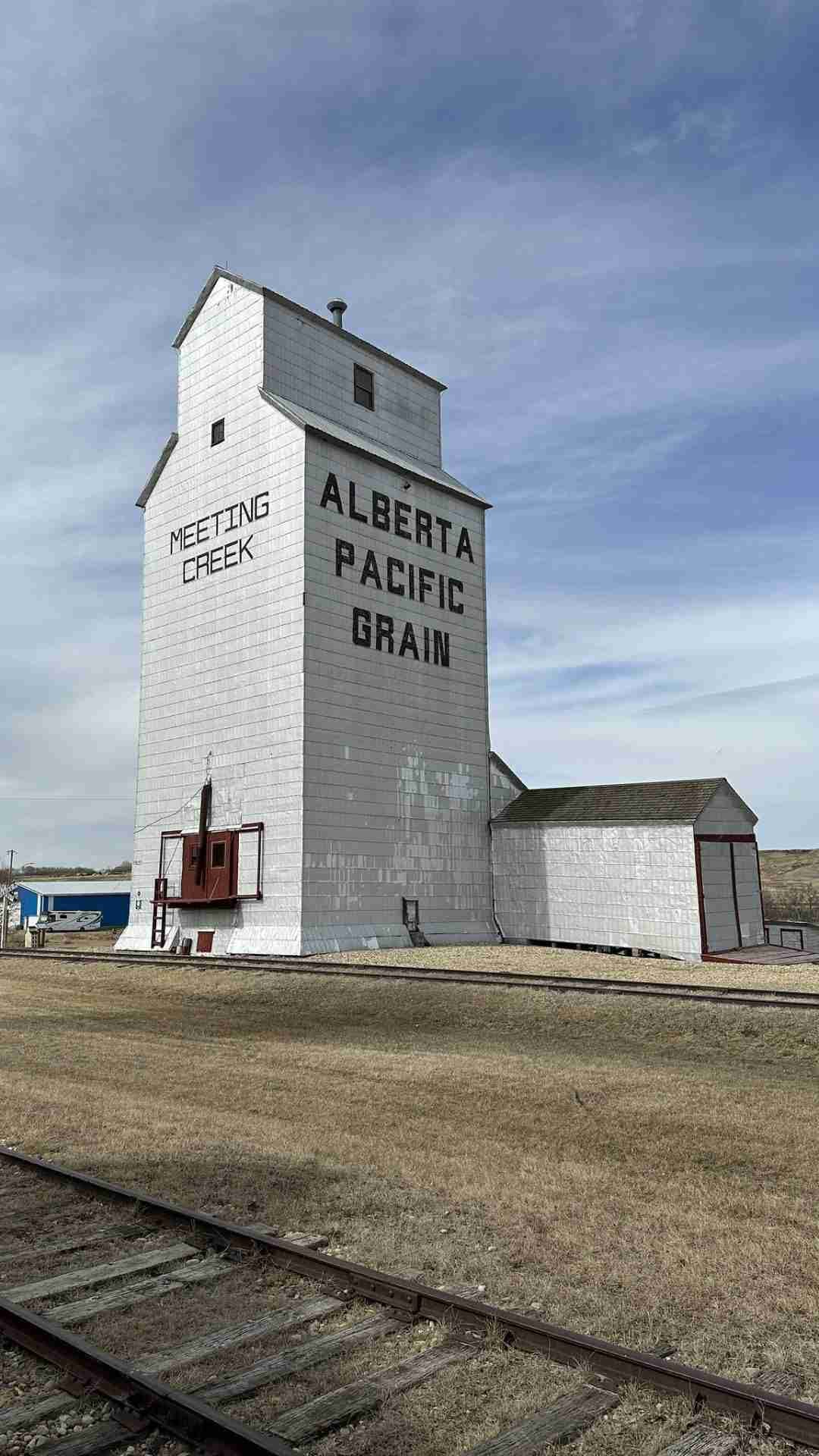
Standing tall against the vast Alberta sky, the Alberta Pacific Grain Elevator in Meeting Creek is a remarkable example of early 20th-century prairie architecture. Built in 1917, this wood-cribbed grain elevator represents an era when these structures dotted the Canadian landscape, serving as essential hubs for farming communities. With a storage capacity of approximately 40,000 bushels, the elevator played a key role in the region's grain industry until its closure in 1984. Unlike many of its kind that have disappeared due to modernization, this historic elevator has been preserved as a heritage site, allowing visitors to step back in time and appreciate the engineering and economic importance of these prairie sentinels.
Best Photography Opportunities
The towering wooden structure, set against open fields and vast skies, makes for a stunning composition at any time of year. Golden hour and sunset provide warm, dramatic lighting, enhancing the aged textures of the wooden siding and casting long, striking shadows. The contrasting seasonal changes also offer unique photographic opportunities—summer's golden wheat fields, autumn's vibrant colors, winter's crisp snow-covered landscape, and spring's fresh greenery. Wide-angle shots capture the elevator's full scale, while close-up details of weathered wood, faded signage, and rusted metal components tell the story of decades of agricultural history.
Best Time to Visit
For the best lighting and dramatic prairie skies, visit during sunrise or sunset, when the warm tones enhance the rustic charm of the elevator. Cloudy or stormy days create moody, high-contrast compositions, while winter's stark, snow-covered setting provides an evocative, minimalist backdrop. The site is open year-round, with guided tours available through the Canadian Northern Society, offering deeper insight into the elevator's mechanics, history, and role in early farming communities.
A Window into Prairie Agriculture
The elevator operated using a hydraulic engine housed in the attached office, which powered the vertical conveyor system, or "leg," that lifted grain to the top of the structure. Here, grain was weighed, graded, and stored in bins, later re-elevated and loaded into rail cars for transport to market. The office, connected to the main structure by a wooden walkway, was once a bustling space where elevator agents managed grain shipments, recorded transactions, and paid farmers for their deliveries. Today, this historical site offers a rare glimpse into the operations of an early grain-handling facility, helping preserve an essential part of Western Canada's agricultural heritage.
Nearby Photography Locations
For those interested in capturing more of Alberta's historic and rural landscapes, nearby photography locations include:
• Meeting Creek Railway Station – A beautifully restored 1913 train station that once served as a critical transport hub, offering classic railway architecture and vintage railway tracks that lead into the open prairie.
• Donalda Coulee & World's Largest Lamp – A scenic valley with rolling hills and open skies, perfect for sunrise and sunset landscape photography, as well as a quirky photo opportunity with the world's largest oil lamp landmark.
• Big Knife Provincial Park – A peaceful riverside park with rolling badlands formations, wooded trails, and stunning views along the Battle River, making it a great spot for nature and landscape photography.
• Rowley Ghost Town – A preserved prairie ghost town with historic buildings, grain elevators, and abandoned railway tracks, offering incredible opportunities for rustic and vintage-style photography.
Comments
Loading comments…