
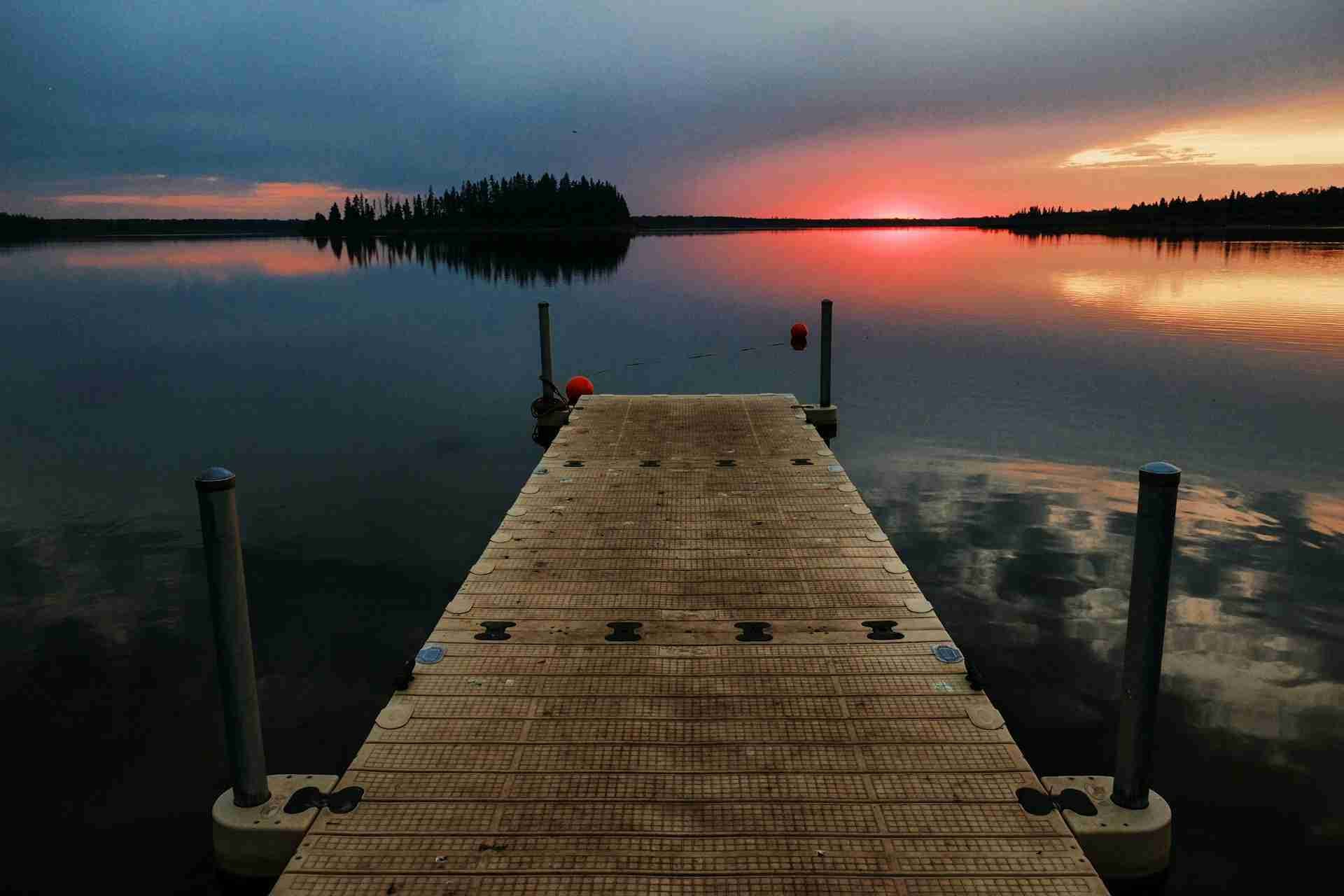
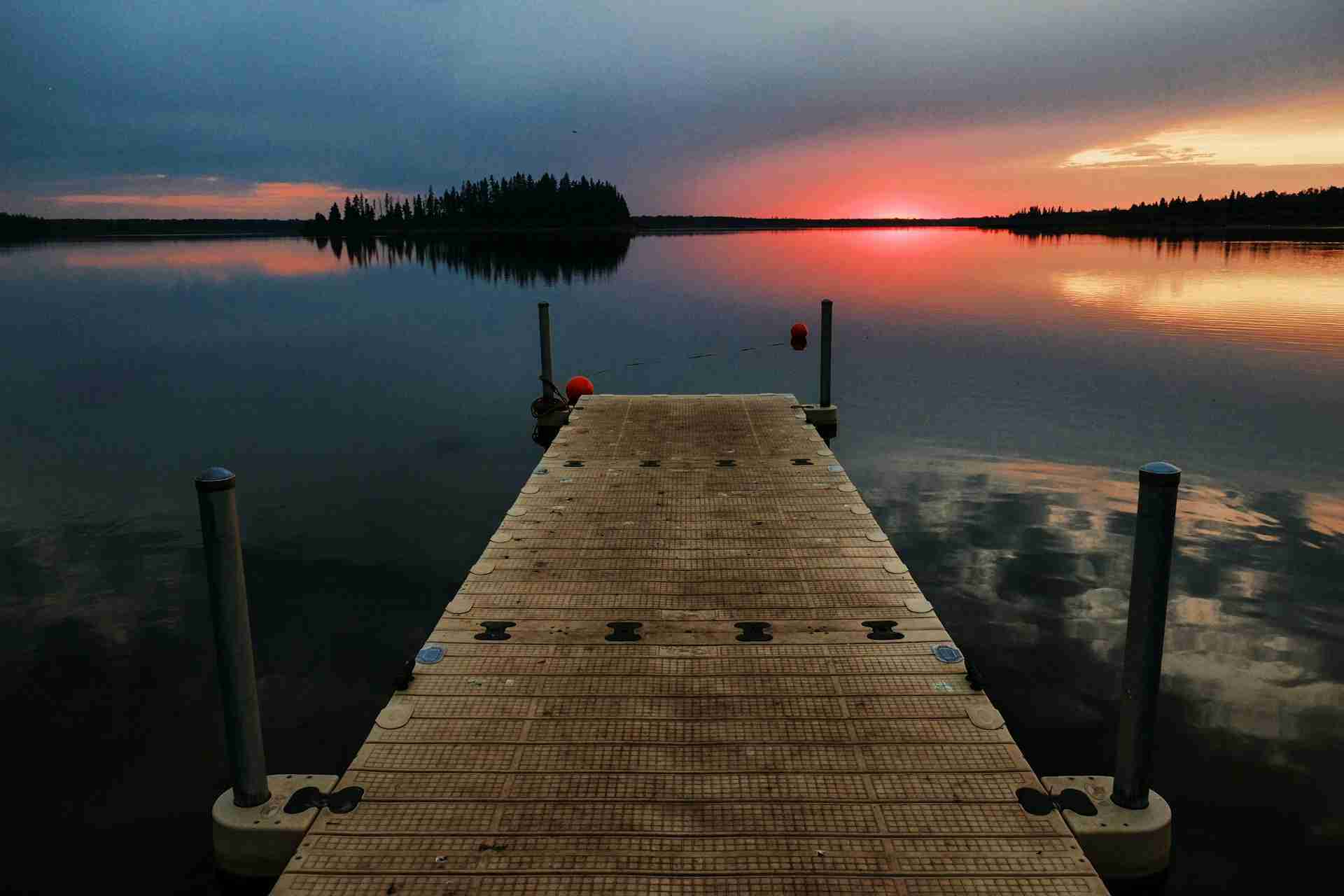
Astotin Lake, viewed from Elk Island Beach in Alberta's Elk Island National Park, offers photographers a tranquil lakeside setting surrounded by boreal forest, sky reflections, and the soft rhythms of prairie wildlife. Just a short drive east of Edmonton, the lake's shallow waters and scattering of small islands provide natural structure for wide, open compositions that emphasize stillness and scale. The location is especially suited for photographing sunsets over water, gentle reflections, and environmental scenes where birds, reeds, and distant tree lines come together in subtle combinations. Accessible and easy to navigate, Elk Island Beach is a place where quiet light and simple forms create compelling photographic opportunities across every season.
Best Photography Opportunities
Sunset Reflections Across the Lake
Astotin Lake is oriented perfectly for shooting into the setting sun, with the water opening westward and the tree-lined horizon creating a natural base for sky-driven compositions. On calm evenings, the lake reflects the full gradient of sunset colors with surprising clarity, especially when the air is cool and the wind is still. Shooting from the water's edge allows you to anchor your frame with rocks, driftwood, or tall reeds, creating depth and grounding the color wash above. A wide angle lens captures the open sky and lake surface together, while a longer focal length helps isolate silhouetted islands or birds gliding across the reflection. Cloudy days with breaks near the horizon offer especially dramatic light as the sun drops low.
Islands and Minimal Shoreline Compositions
Astotin Lake contains a number of small islands that rise gently from the water, each with its own cluster of trees and grasses. These make excellent subjects for minimalist compositions, especially when light fog or soft morning clouds reduce contrast across the scene. Framing the islands with plenty of negative space gives a sense of distance and isolation. Using a telephoto lens from the beach walkway or dock helps compress the distance and exaggerate the layered silhouettes. Early light or muted conditions work best, allowing the shapes to speak more quietly without competing elements in the frame.
Bird Photography Along the Shore
Elk Island National Park is known for its birdlife, and the Astotin Lake shoreline offers consistent opportunities to photograph geese, ducks, pelicans, and occasional herons. Early morning is ideal for catching low activity along the water's edge before the park becomes busy. Bringing a telephoto lens in the 300 to 600 millimeter range allows you to frame wildlife naturally without needing to approach too closely. The birds often perch on logs or wade into shallow water, and their movement can add dynamic contrast to the still lake surface. A fast shutter speed and soft background light help separate the subjects and preserve detail.
Skyline and Treeline Layering at Dusk
As dusk deepens, the treeline across the lake becomes a dark band that separates the sky from its reflection. This horizontal layering effect can be used to build strong, graphic compositions that rely on color and line more than detail. Shooting from just above the beach with a level horizon helps emphasize symmetry. Including a single silhouetted tree, a duck in motion, or a foreground branch adds tension and structure. These frames are strongest when the sky holds its last tones of purple and orange just after the sun disappears.
Dock and Water's Edge Detail
The beach area includes a dock and rocky shoreline that can be used for closer, detail-driven work. These structures create leading lines and offer places to shoot longer exposures or slow reflections. On overcast days, these smaller compositions come to life through contrast between manmade elements and soft water movement. Working with a tripod and polarizer allows you to fine tune exposure and bring out submerged stones or grasses. These are strong supporting shots that round out a full location set.
Best Time to Visit
Astotin Lake is open year round, but the best time for photography is between May and October when the water is accessible and the light stays long into the evening. Summer brings the clearest sunsets, abundant birdlife, and warm tones across the landscape. Late spring and early fall offer cooler air and stronger color contrast between sky and water, along with thinner crowds and greater stillness at the shoreline. The area is popular with day visitors and picnickers, so early morning or after dinner light is often the quietest and most photogenic.
Golden hour begins to build over the lake about an hour before sunset, with the best color typically appearing in the final twenty minutes of daylight. On days with scattered clouds, this light can last well into twilight. Sunrise is less dramatic from this location due to the lake's western orientation, but early morning mist and subtle backlighting over the forest edge can be rewarding for wildlife and mood. During winter, the lake freezes and becomes a site for snowshoeing and dark sky viewing, though photography is more limited to abstract textures and open sky.
How to Get There
Astotin Lake and Elk Island Beach are located within Elk Island National Park, about a forty-five minute drive east of Edmonton along Highway 16. Once inside the park, follow clearly marked signs to the Astotin Lake Area. The beach, dock, and main lake access points are just beyond the visitor center and picnic grounds. There is a paved parking area with direct access to the shore, making it easy to carry gear without a long walk or elevation gain.
A national park entry fee is required, and park gates are open year round, though hours may vary seasonally. Restrooms, picnic shelters, and walking trails are available near the beach. There are no restrictions on personal photography, and the area is tripod friendly, though drones may be limited due to wildlife protection rules. Sunset is a popular time for casual visitors, so arriving early helps in choosing a composition and securing a quiet spot. The terrain is flat and the shoreline is accessible, with plenty of space to work from different vantage points.
Recommended Photography Gear
Photographers visiting Astotin Lake will benefit from a flexible kit that balances landscape and wildlife needs. A wide angle lens in the 16 to 35 millimeter range is perfect for capturing broad lake views, sky gradients, and sunset reflections. A 24 to 70 millimeter zoom offers versatility for shoreline scenes, island compositions, and environmental shots that include both water and structure. For wildlife or compressed minimalist scenes, a telephoto lens of 300 millimeters or more is recommended.
A sturdy tripod is helpful for long exposures, especially near sunset or under low light. A circular polarizer enhances water texture and reflection clarity, while also helping manage glare from wet rocks and leaves. If you plan to photograph birds, a fast shutter speed and lens with good stabilization will make it easier to react quickly to movement. Bringing a lens cloth is essential, as wind off the lake can carry mist or dust. Since the location is flat and accessible, a small backpack with a few extra batteries and memory cards is enough to stay mobile and work comfortably for several hours.
Nearby Photography Locations
Just a short drive from the lake area, this loop road provides close views of Elk Island's resident bison herds. The open plains and soft prairie light make this an excellent location for wildlife and landscape photography in the same frame.
This wooded hiking trail includes boardwalks over wetlands, dense forest paths, and several small water crossings. It is ideal for shooting textures, reflections, and wildlife in quieter, shaded conditions.
Located south of Astotin Lake, this lesser visited lake offers wide views, a more open shoreline, and the possibility of photographing moose or waterfowl in still water settings. Early morning is best for wildlife sightings.
Blackfoot Trailhead Area
This open prairie zone near the southern boundary of the park includes broad views, rolling hills, and excellent conditions for sunset silhouettes and backlit grasses. It is a strong location for late season color and sky drama.
Just outside the park entrance, this living history site features restored buildings, fields, and trails that blend cultural context with prairie light. It is especially photogenic in the early morning or under dramatic skies.
Astotin Lake is not a place of dramatic peaks or complex terrain, but its openness and quiet allow photographers to focus on light, balance, and the slower rhythms of a prairie evening. Whether you're drawn to reflections, birds in motion, or subtle horizontal layers across land and sky, this lakeside setting gives you room to breathe and build photographs that feel grounded and still.
Comments
Loading comments…