
A Thunderous Display of Nature's Power
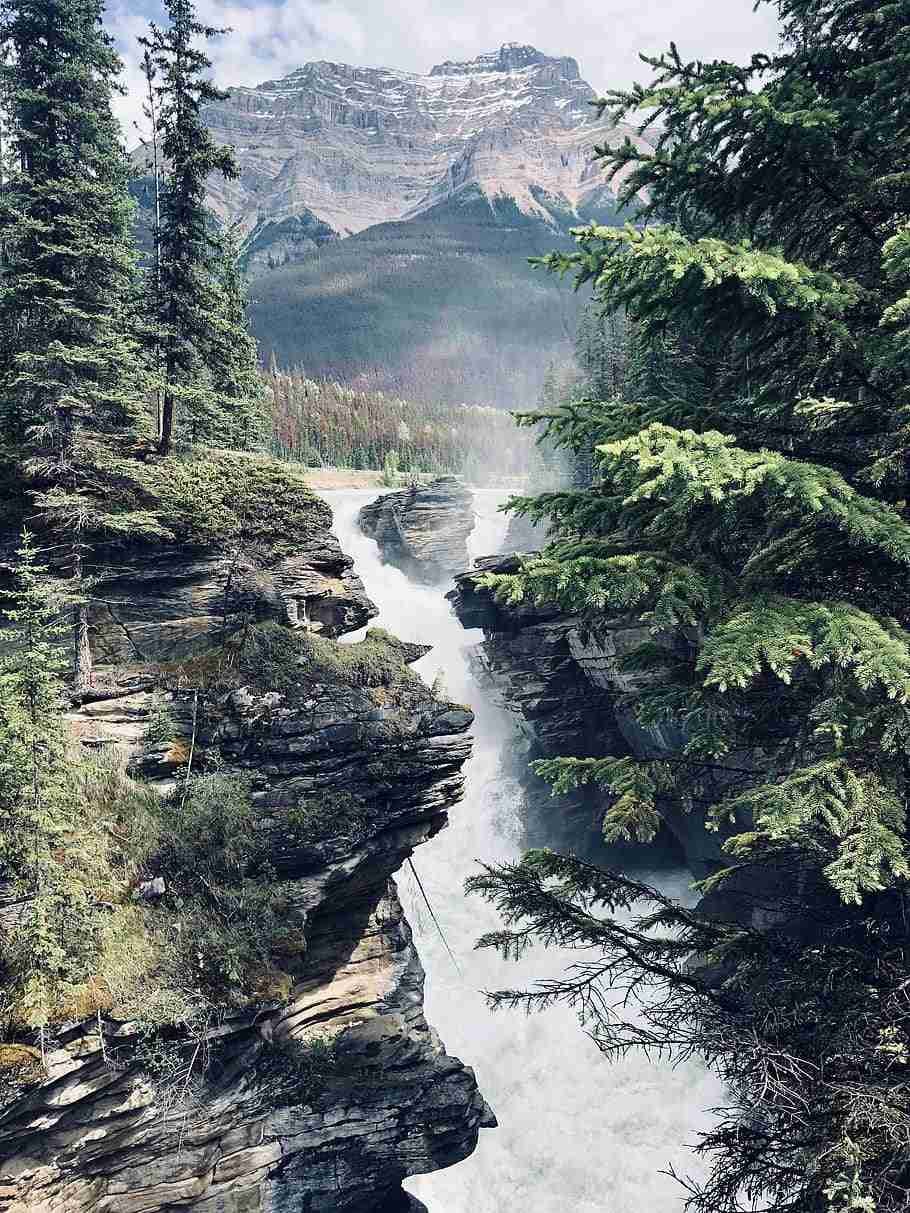
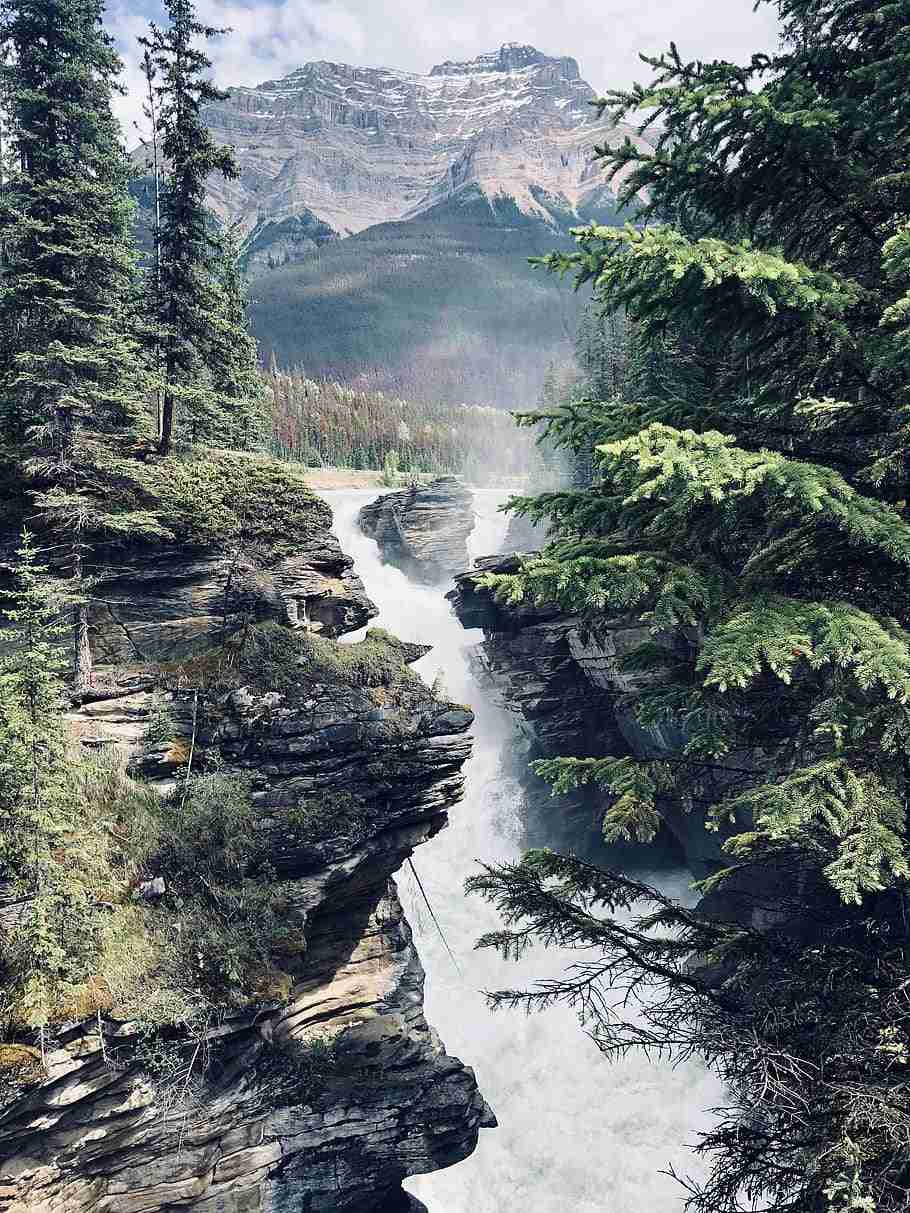
Athabasca Falls is one of Jasper National Park's most impressive waterfalls, not for its height (23 meters/75 feet) but for its sheer force and volume. Fed by the mighty Athabasca River, the falls send torrents of water plunging into a deep limestone canyon, carving out smooth rock formations and creating swirling rapids. The raw energy of the cascading water, combined with the majestic backdrop of Mount Kerkeslin, makes this one of the most breathtaking and photogenic locations along the Icefields Parkway. The falls' immense power is especially captivating when standing along the cement footpaths and viewing platforms, where visitors can safely admire the rushing water from above the gorge.
Best Vantage Points for Photography
Photographers will find endless opportunities to capture the dramatic beauty of Athabasca Falls. The elevated viewing platforms provide unobstructed perspectives of the rushing water, while angles along the canyon reveal the intricate rock formations shaped by centuries of erosion. A wide-angle lens works well to showcase the falls, canyon, and Mount Kerkeslin, while long-exposure shots can transform the rushing water into a smooth, misty flow, contrasting beautifully against the rugged limestone walls. The mist rising from the falls creates an ever-changing atmosphere, with light catching the spray at different angles throughout the day. For those looking to highlight the immense power of the water, close-up compositions of the turbulent rapids and swirling pools emphasize the dramatic movement and energy of the falls.
Best Time to Visit & Seasonal Beauty
Athabasca Falls is accessible year-round, with each season offering unique photographic opportunities. During summer, glacial meltwater increases the flow of the falls, creating an intense and mist-filled scene, while the surrounding forest is lush and green. Autumn brings a golden glow to the landscape, as fall foliage adds warm hues that contrast beautifully with the deep blue of the water and the gray canyon walls. In winter, the falls partially freeze, forming intricate ice formations that drape over the rocks, creating a surreal, frozen landscape. Regardless of the season, early mornings and late afternoons offer the best lighting, with softer shadows and fewer visitors allowing for uninterrupted photography sessions.
Nearby Photography Locations
For those looking to explore more breathtaking scenery in Jasper National Park, nearby locations include:
• Sunwapta Falls – A dramatic, multi-tiered waterfall with stunning canyon views.
• Horseshoe Lake – A serene alpine lake with crystal-clear waters and rugged cliffs.
• Valley of the Five Lakes – A network of vibrant turquoise lakes surrounded by dense forest. (Trails to this location are currently closed but hopefully will open this spring.)
• Edith Cavell Meadows – A high-alpine viewpoint with stunning views of Angel Glacier and Mount Edith Cavell.
Comments
Loading comments…