
A Natural Wonder Carved by Time
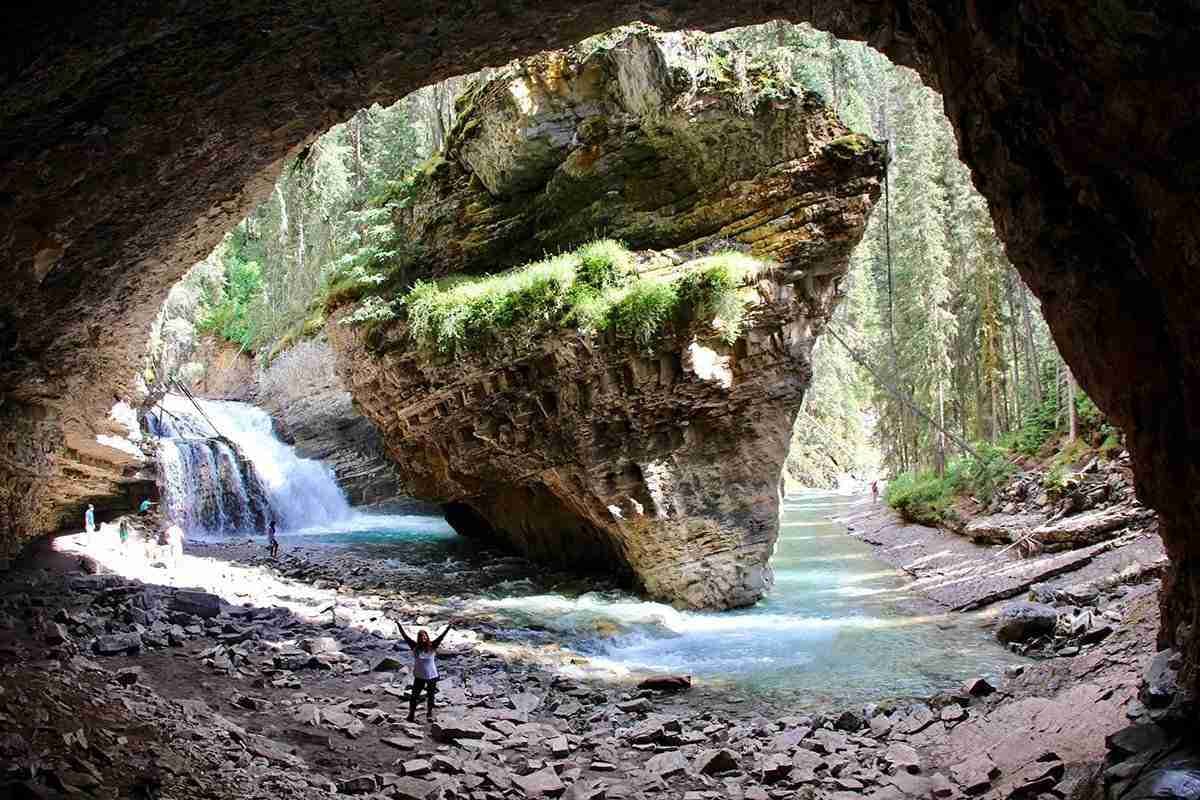
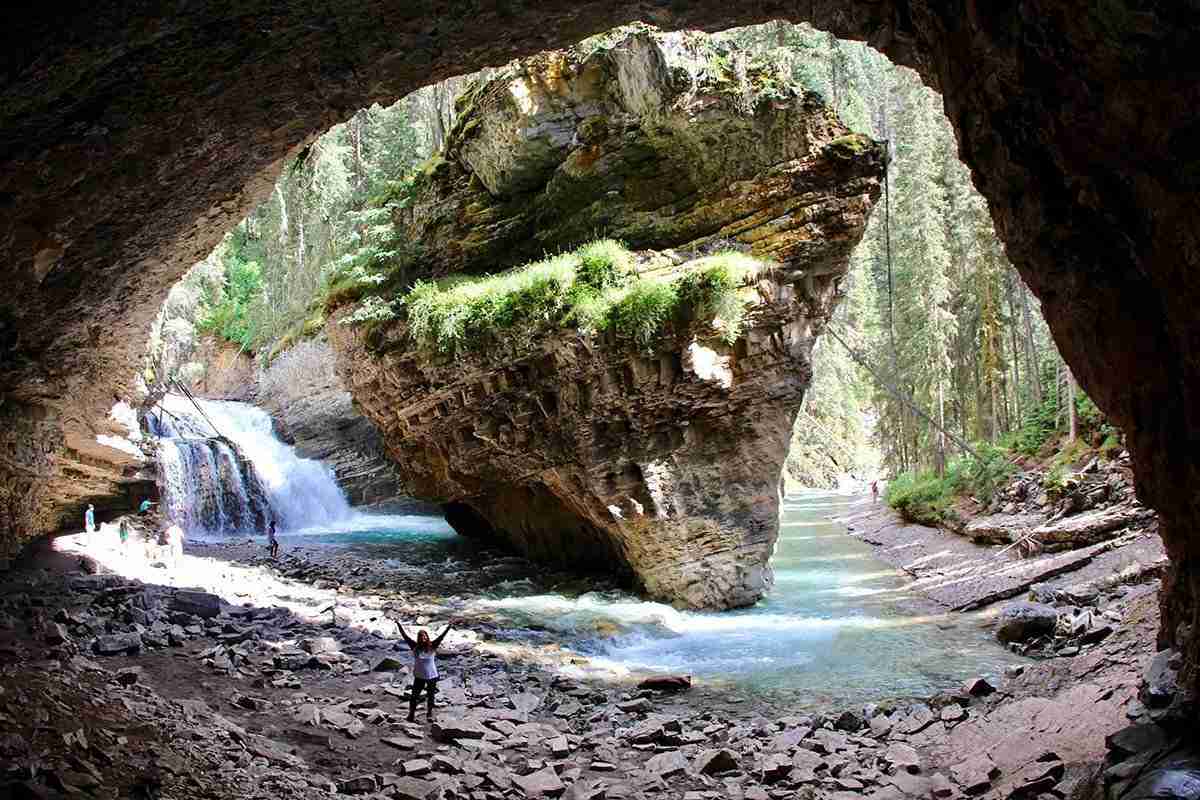
The Johnston Canyon Cave is an incredible hidden gem nestled along the scenic trail between the Upper and Lower Falls in Banff National Park, Alberta. This natural cave was formed over thousands of years as Johnston Creek gradually eroded the soft limestone cliffs, carving out a striking hollow beneath towering rock formations. The result is a dramatic cave opening that frames the vibrant turquoise waters of the creek and the rugged canyon walls beyond, making it a dream spot for landscape photographers. The cave's jagged rock arch contrasts beautifully with the smooth, flowing water, creating an eye-catching natural composition that's both dynamic and serene.
How to Find the Johnston Canyon Cave
To find this hidden spot, start on the well-maintained Johnston Canyon Trail, a popular route known for its suspended catwalks and picturesque views. As you approach the Upper Falls—about 130–150 meters before reaching the viewing platform—keep a sharp eye out for an unmarked dirt path veering off to the right. This narrow trail is easy to miss, especially in low light or crowded conditions, but signs of foot traffic from fellow explorers can help guide the way. If you reach the Upper Falls platform, you've gone too far and will need to backtrack slightly.
The side trail descends steeply toward the creek, with loose dirt and rocks that can be slippery, particularly after rain or during the icy months of late fall and early spring. Good hiking shoes with solid grip are highly recommended, and photographers should take extra care when carrying gear down this uneven path.
Best Photography Opportunities
Once you reach the cave, you'll be rewarded with breathtaking views that showcase the raw, untouched beauty of Banff's wilderness. Overhanging canyon walls rise dramatically around you, their layered textures telling the story of millennia of geological change. Cascading waterfalls feed into crystal-clear pools below, their surfaces reflecting the canyon's towering cliffs and vibrant sky.
Key Photo Compositions:
• Cave's Natural Archway: Use the cave's rock arch as a natural frame for leading lines toward the flowing water and distant canyon walls.
• Long-Exposure Waterfall Shots: Capture the movement of Johnston Creek's rushing waters with a tripod and a slow shutter speed.
• Seasonal Contrasts: In summer, lush greenery and moss-covered rocks add rich texture, while in winter, the canyon transforms into a frozen wonderland with sparkling icicles and snow-covered ledges.
Best Times for Photography
The best times for photography are mid-morning and late afternoon, when the sunlight filters through the canyon at just the right angle, casting dynamic shadows, illuminating the turquoise water, and highlighting the rich tones of the rock and surrounding foliage.
Wildlife & Surrounding Landscape
The area is surrounded by lush evergreen forests, which add bursts of green to compositions and create a beautiful contrast against the cool blues of the creek and the warm hues of the canyon walls. Wildlife sightings are possible along the trail, including birds, squirrels, and even deer, offering spontaneous opportunities for nature photography.
Nearby Photography Locations
While visiting Johnston Canyon Cave, consider capturing other stunning spots nearby:
• Johnston Canyon Upper & Lower Falls – Iconic waterfall photography locations along the same trail.
Ink Pots – A series of stunning mineral-rich pools with unique blue-green colors, located beyond the Upper Falls.
Ink Pots – A series of stunning mineral-rich pools with unique blue-green colors, located beyond the Upper Falls.
• Castle Mountain Viewpoint – A breathtaking roadside stop offering panoramic views of one of Banff's most famous peaks.
• Vermilion Lakes – Just a short drive away, this spot is perfect for sunrise reflections of Mount Rundle.
Comments
Loading comments…